 delishing
How To Boil Asparagus Perfectly

How to Boil Asparagus: A Culinary Guide
Boiling asparagus is a simple technique that, when mastered, yields a vibrantly green and tender-crisp vegetable, perfect as a side dish or component in more complex recipes. The key is understanding how to cook it quickly and evenly to preserve its delicate flavor and texture. Boiled asparagus offers a slightly sweet and grassy flavor profile that complements a wide range of cuisines.
This guide provides a detailed walkthrough of the boiling process, ensuring that you achieve perfectly cooked asparagus every time. We'll cover everything from selecting the best asparagus to seasoning and serving it creatively.
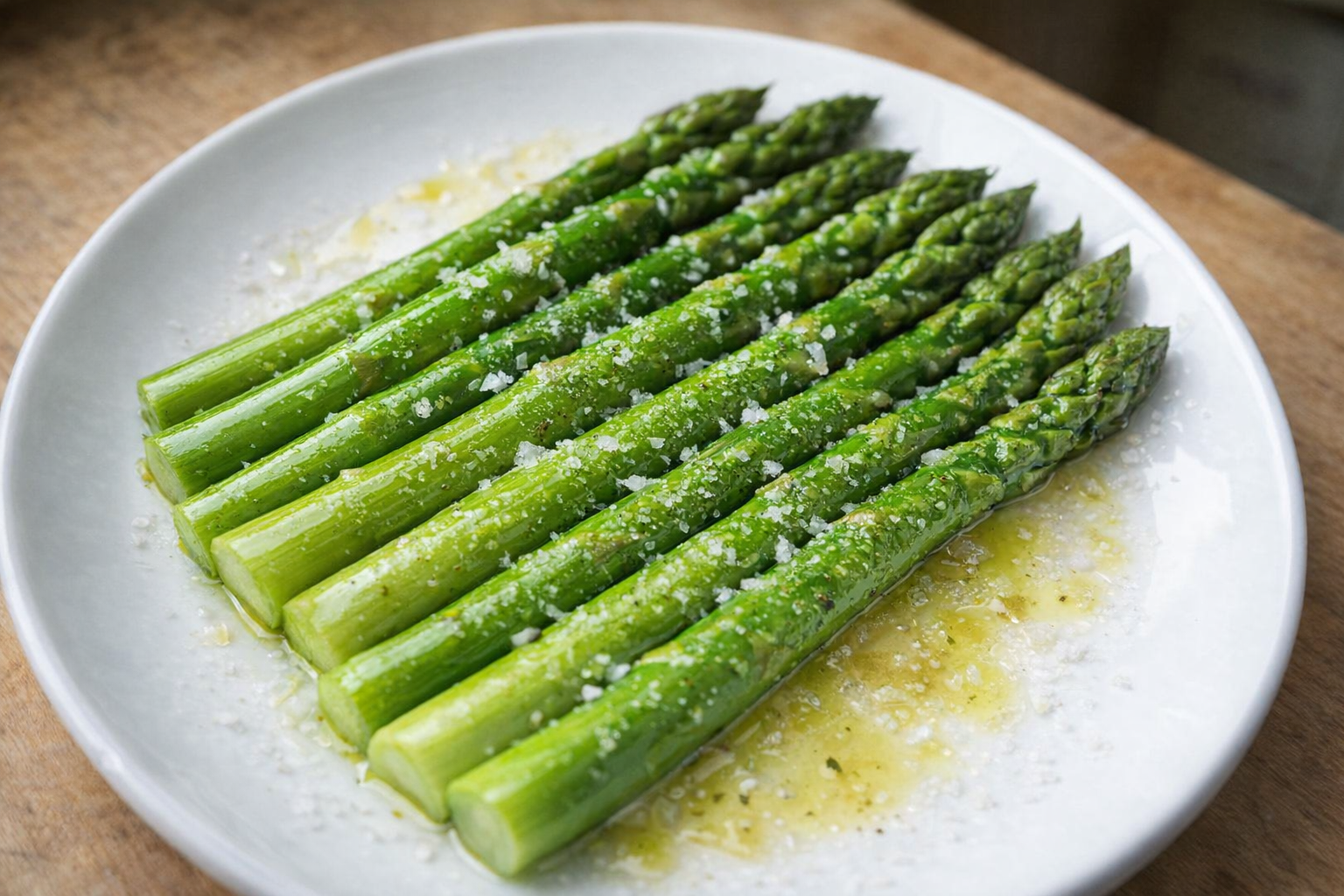
Understanding Asparagus
Asparagus comes in various sizes and colors. Green asparagus is the most common, but you may also find white or purple varieties. The thickness of the spears affects the cooking time. Thicker spears will require a slightly longer boiling time than thinner ones.
When buying asparagus, look for firm, straight stalks with tightly closed tips. Avoid asparagus that appears limp or has a woody texture. The cut ends should be moist, not dry or cracked. Peak season for asparagus is typically in the spring, when it's at its most tender and flavorful.
Why Cook Asparagus This Way?
- Versatility: Boiled asparagus can be served hot or cold, plain or seasoned, as a side dish or incorporated into salads, pasta dishes, and more.
- Flavor: Boiling enhances the natural sweetness of asparagus while maintaining its slightly grassy, earthy notes.
- Convenience: Boiling is a quick and easy cooking method, making it ideal for busy weeknights.
Preparation (Mise en Place)
Before you start boiling, take a few minutes to prepare the asparagus. This will ensure even cooking and optimal flavor.
- Rinse: Wash the asparagus spears under cold running water to remove any dirt or sand.
- Trim: Snap off the tough, woody ends of the asparagus. The asparagus will naturally break where the tender part begins. Alternatively, you can cut off the ends with a knife, about 1-2 inches from the base.
Essential Tools:
- Large Pot: A pot large enough to hold the asparagus spears in a single layer. A 12-inch pot works well.
- Colander or Strainer: For draining the asparagus after boiling.
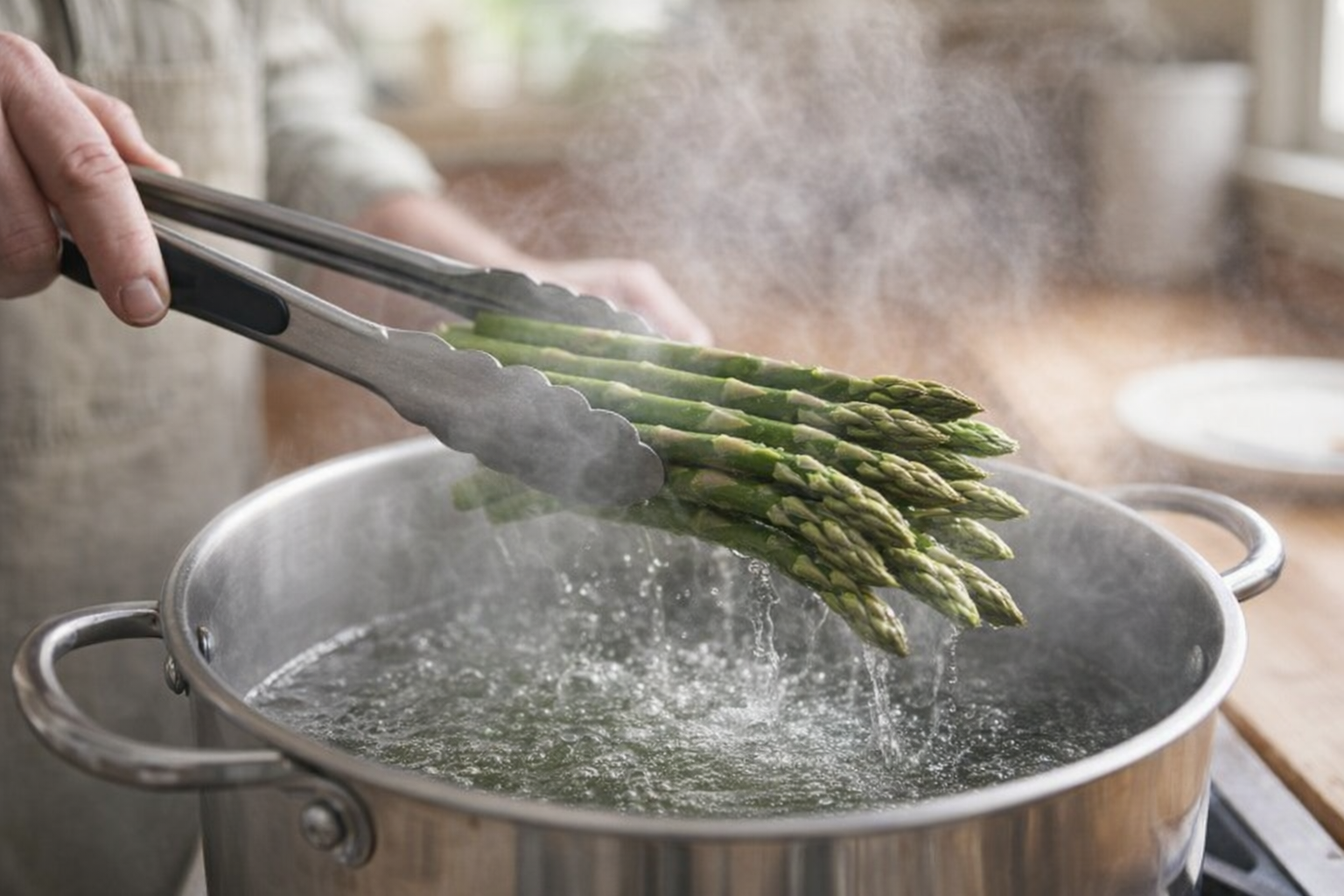
- Tongs: To transfer the asparagus in and out of the boiling water and to the ice bath (if using).
- Ice Bath (optional): A bowl filled with ice water to stop the cooking process quickly and preserve the vibrant green color.
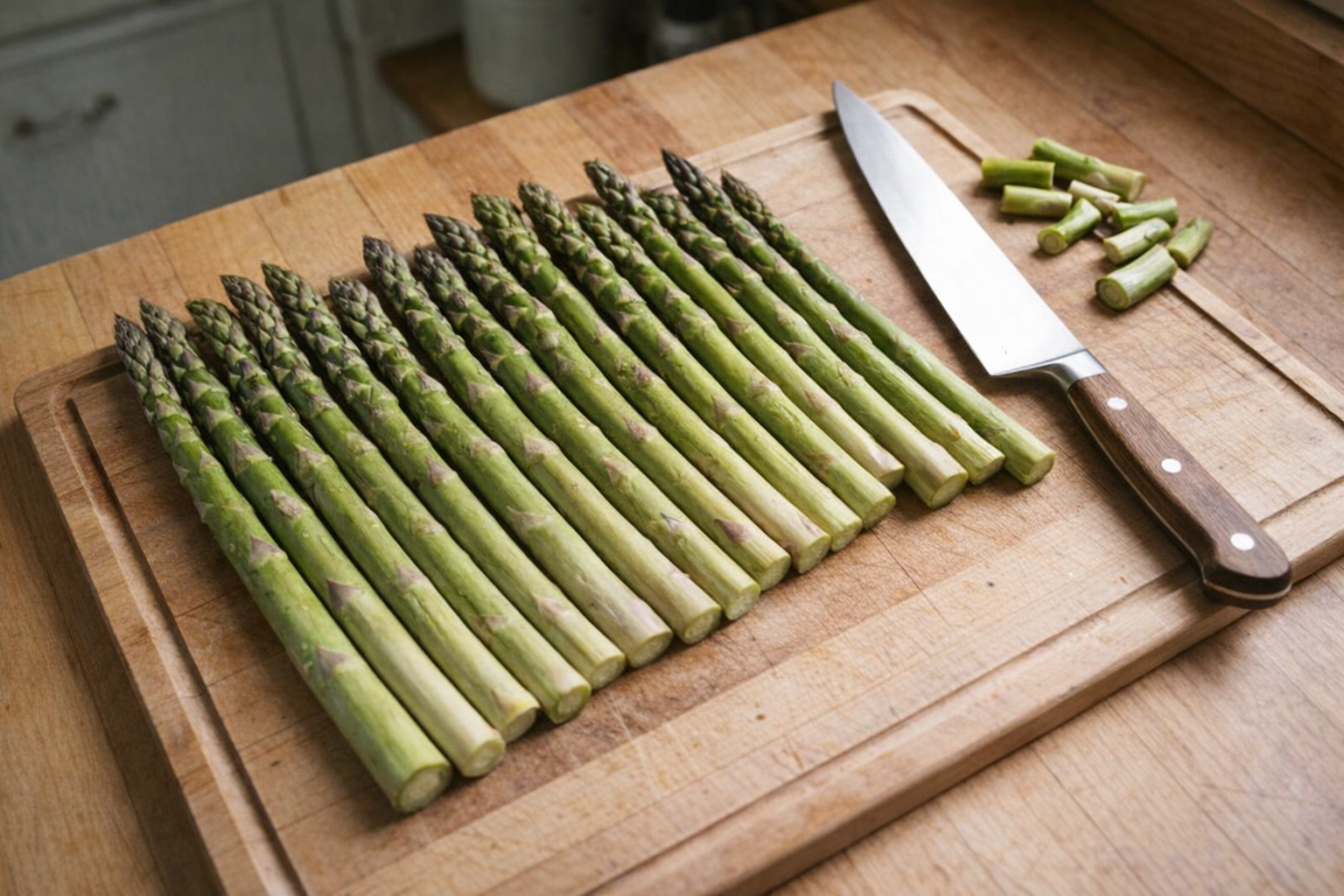
The Cooking Method(s)
Here are two methods for boiling asparagus, with and without an ice bath:
Method 1: Basic Boiling
Ingredients:
- 1 pound (450g) asparagus, trimmed
- 4-6 cups (1-1.5 liters) water
- 1 teaspoon salt (optional)
Instructions:
- Fill a large pot with water and add salt (if using). Bring the water to a rolling boil over high heat. The vigorous bubbling ensures even heat distribution.
- Carefully add the asparagus to the boiling water. Ensure the spears are fully submerged.
- Cook for 2-5 minutes, depending on the thickness of the spears. Start checking for doneness after 2 minutes by piercing a spear with a fork. It should be tender-crisp. The aroma of cooking asparagus will become noticeable as it approaches doneness.
- Drain the asparagus immediately in a colander.
- Serve immediately or proceed with desired seasoning.
Method 2: Boiling with Ice Bath
Ingredients:
- 1 pound (450g) asparagus, trimmed
- 4-6 cups (1-1.5 liters) water
- 1 teaspoon salt (optional)
- 2 cups (0.5 liters) ice
- 4 cups (1 liter) cold water
Instructions:
- Prepare an ice bath by filling a bowl with ice and cold water.
- Fill a large pot with water and add salt (if using). Bring the water to a rolling boil over high heat. The vigorous bubbling ensures even heat distribution.
- Carefully add the asparagus to the boiling water. Ensure the spears are fully submerged.
- Cook for 2-5 minutes, depending on the thickness of the spears. Start checking for doneness after 2 minutes by piercing a spear with a fork. It should be tender-crisp. The aroma of cooking asparagus will become noticeable as it approaches doneness.
- Using tongs, immediately transfer the asparagus from the boiling water to the ice bath. The rapid temperature change will stop the cooking process and preserve the bright green color.
- Let the asparagus sit in the ice bath for 1-2 minutes.
- Drain the asparagus thoroughly and pat it dry with paper towels.
- Serve immediately or proceed with desired seasoning.
Cooking Time & Doneness Guide
- Thin Asparagus: 2-3 minutes
- Medium Asparagus: 3-4 minutes
- Thick Asparagus: 4-5 minutes
The internal temperature is not critical for asparagus. The key is to achieve a tender-crisp texture. The spears should be easily pierced with a fork but still offer some resistance.
Visual Cues:
- The asparagus will turn a vibrant green color.
- The spears will become slightly more pliable.
Tips for Perfection:
- Don't Overcrowd the Pot: Cook the asparagus in batches if necessary to avoid overcrowding, which can lower the water temperature and result in uneven cooking.
- Use Enough Water: Ensure the asparagus is fully submerged in the boiling water for even cooking.
- Check for Doneness Frequently: Start checking for doneness after 2 minutes and adjust the cooking time accordingly.
- Dry thoroughly after shocking. Excess water dilutes the flavor and prevent proper browning if sauteing later.
Storage & Reheating:
Store leftover boiled asparagus in an airtight container in the refrigerator for up to 3 days. To reheat, you can microwave it for a short time (about 30 seconds), steam it, or sauté it in a pan with a little olive oil or butter. Microwaving can sometimes make it a little mushy, so a quick saute is the preferred method.
Serving Suggestions:
- With Lemon and Parmesan: Drizzle the boiled asparagus with fresh lemon juice and sprinkle with grated Parmesan cheese.
- As a Salad Topping: Add chopped boiled asparagus to your favorite salad for a nutritious and flavorful boost.
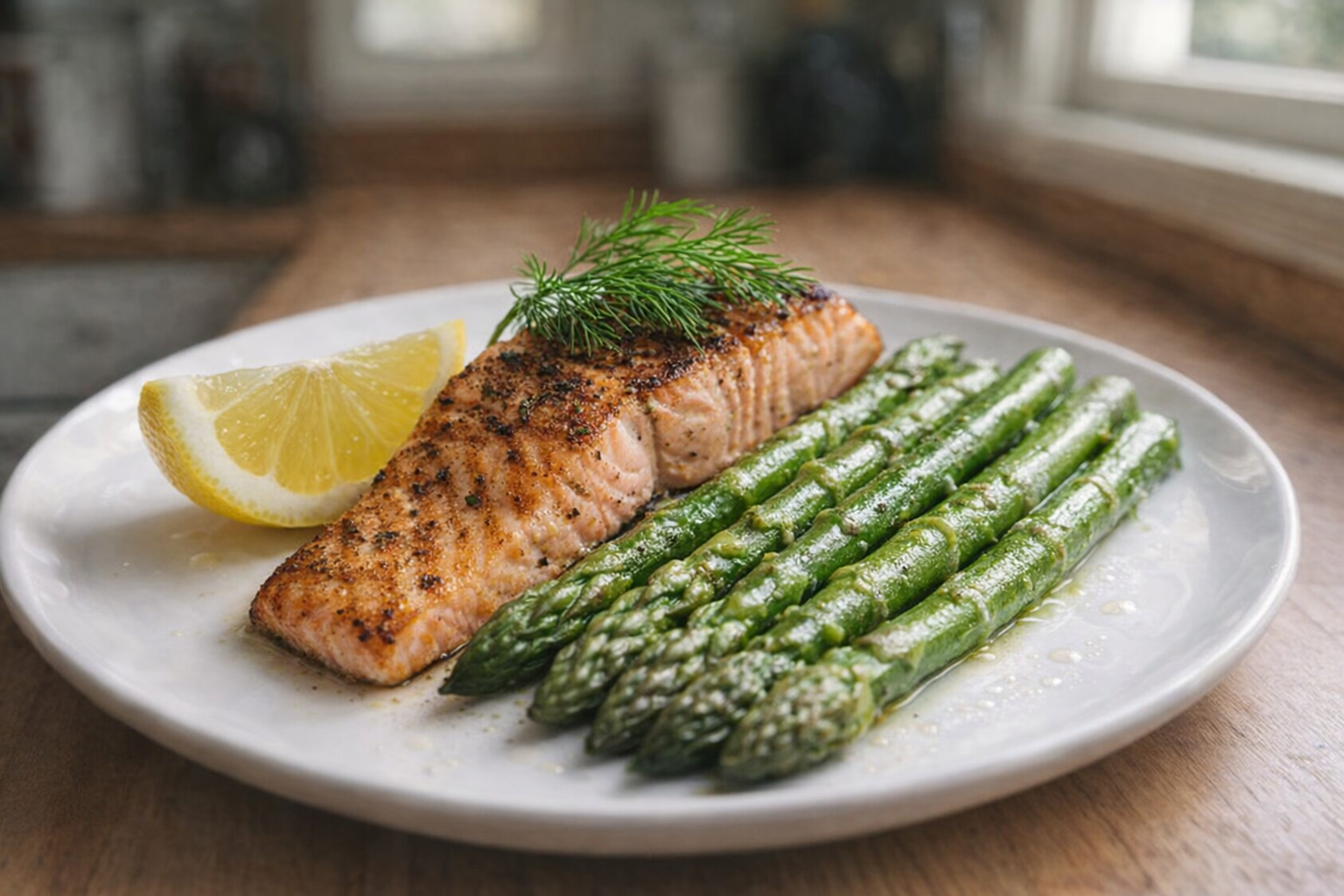
- Alongside Grilled Salmon: Serve boiled asparagus as a side dish with grilled salmon for a healthy and delicious meal.
- In an Omelet: Chop the boiled asparagus and add it to an omelet for a flavorful and nutritious breakfast or brunch.
💡 Pro Tips
- Test the asparagus with a fork frequently and remove it from the heat once it is tender-crisp but still offers a slight resistance.
- Prepare an ice bath before you start boiling so you can immediately submerge the stalks to halt the cooking process and lock in the vibrant green color.
- Season the boiling water generously with salt to ensure the asparagus is flavored from the inside out.
- Trim the tough, woody ends from the bottom of each spear to ensure a consistent, tender texture throughout the dish.
- Select spears of a similar thickness for each batch to ensure they all reach the perfect level of doneness at the same time.
Frequently Asked Questions
Overcooking is the main culprit for mushy asparagus. To avoid this, cook the asparagus just until it's tender-crisp – test it with a fork; it should be easily pierced but still offer some resistance. An ice bath immediately after boiling can also halt the cooking process and preserve its texture.
Yes, adding salt to the boiling water is highly recommended. Salting the water not only seasons the asparagus from the inside out but also helps to retain its bright green color during cooking.
If you don't have a large enough pot, you can cut the asparagus spears in half or thirds to fit. Alternatively, you can steam or roast the asparagus instead, which may not require as much space.
Boiled asparagus can be stored in an airtight container in the refrigerator for up to 3-4 days. Ensure it's cooled completely before storing to prevent it from becoming soggy.