 delishing
How to Bake Bacon in the Oven: A Crispy, Hands-Off Guide

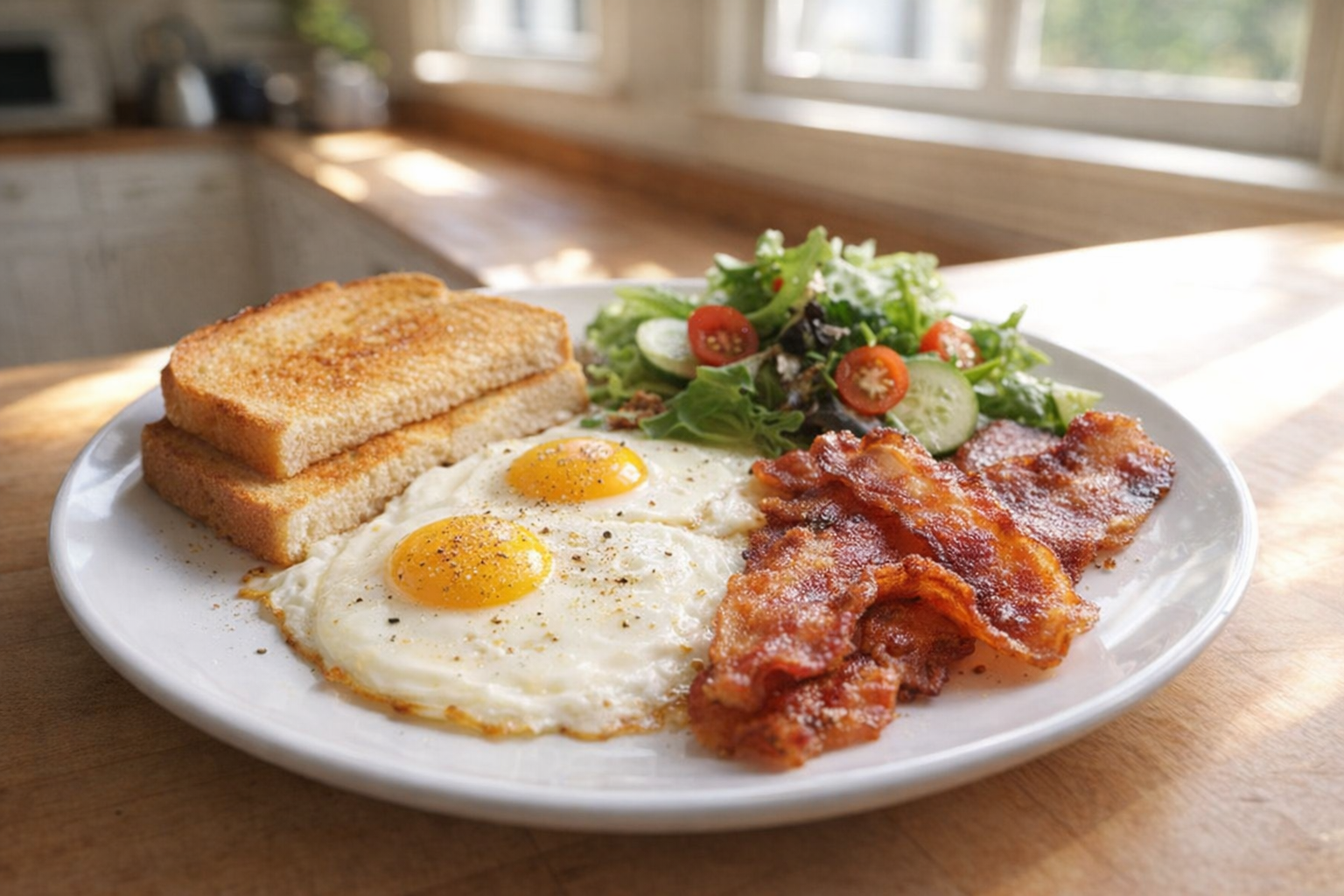
Oven-baked bacon is a revelation for any home cook. It delivers consistently crispy, evenly cooked bacon with significantly less mess than traditional pan-frying. The even heat of the oven renders the fat beautifully, resulting in bacon that's both crisp and flavorful, without the risk of burning or uneven cooking.
This guide will walk you through every step of baking bacon, from selecting the right type to achieving your desired level of crispiness. We'll cover essential techniques, troubleshooting tips, and creative ways to enjoy your perfectly cooked bacon.
Understanding Bacon Cuts
The type of bacon you choose will influence the final result. Here's a breakdown of common varieties:
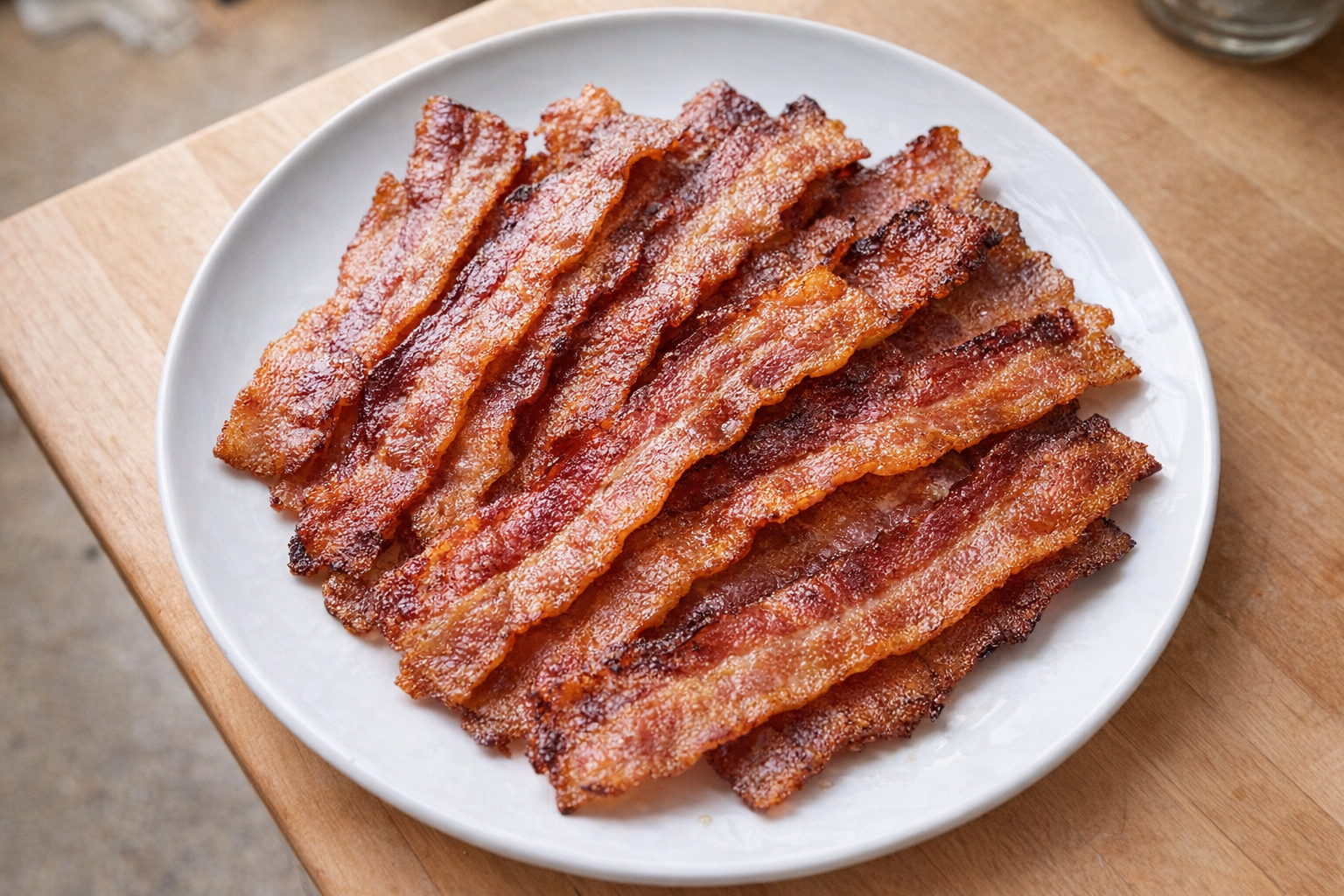
- American Bacon (Streaky Bacon): Cut from the pork belly, this is the most common type. Its high fat content renders beautifully in the oven, resulting in incredibly crispy bacon. Look for packages with good marbling (streaks of fat).
- Canadian Bacon: Made from the pork loin, Canadian bacon is much leaner than American bacon. It bakes evenly and provides a meatier texture. It won't get as crispy.
- Thick-Cut Bacon: As the name suggests, this bacon is cut thicker. It requires a slightly longer baking time but yields a substantial, satisfying bite with a good balance of crispiness and chewiness.
- Turkey Bacon: A leaner alternative to pork bacon, turkey bacon can be baked in the oven. However, it won't achieve the same level of crispiness as pork bacon.
Why Cook Bacon This Way?
- Versatility: Perfect for breakfast, sandwiches, salads, or as a topping for countless dishes.
- Flavor: The oven ensures even rendering of fat, maximizing flavor and crispiness.
- Convenience: Hands-off cooking allows you to focus on other tasks. No more standing over a sputtering pan!
Preparation (Mise en Place)
- Thawing (if necessary): If your bacon is frozen, thaw it in the refrigerator overnight. Do not thaw at room temperature.
Essential Tools
- Baking Sheet: A rimmed baking sheet is essential to contain the bacon grease.
- Parchment Paper or Aluminum Foil: Lining the baking sheet makes cleanup a breeze and prevents sticking. Parchment paper is preferred for a slightly cleaner taste.
- Cooling Rack (Optional): Elevating the bacon on a cooling rack allows for even better air circulation and crispier results as the fat drips away.
- Tongs: For easy and safe handling of the hot bacon.
- Oven Mitts: Essential for protecting your hands from the hot oven and baking sheet.
The Cooking Method(s)
Method 1: Classic Oven-Baked Bacon
This method provides consistent results and is perfect for standard-cut bacon.
Ingredients:
- Bacon (American/Streaky), about 1 pound (450g)
Instructions:
- Preheat the oven to 400°F (200°C). This temperature ensures the bacon cooks evenly and crisps up nicely.
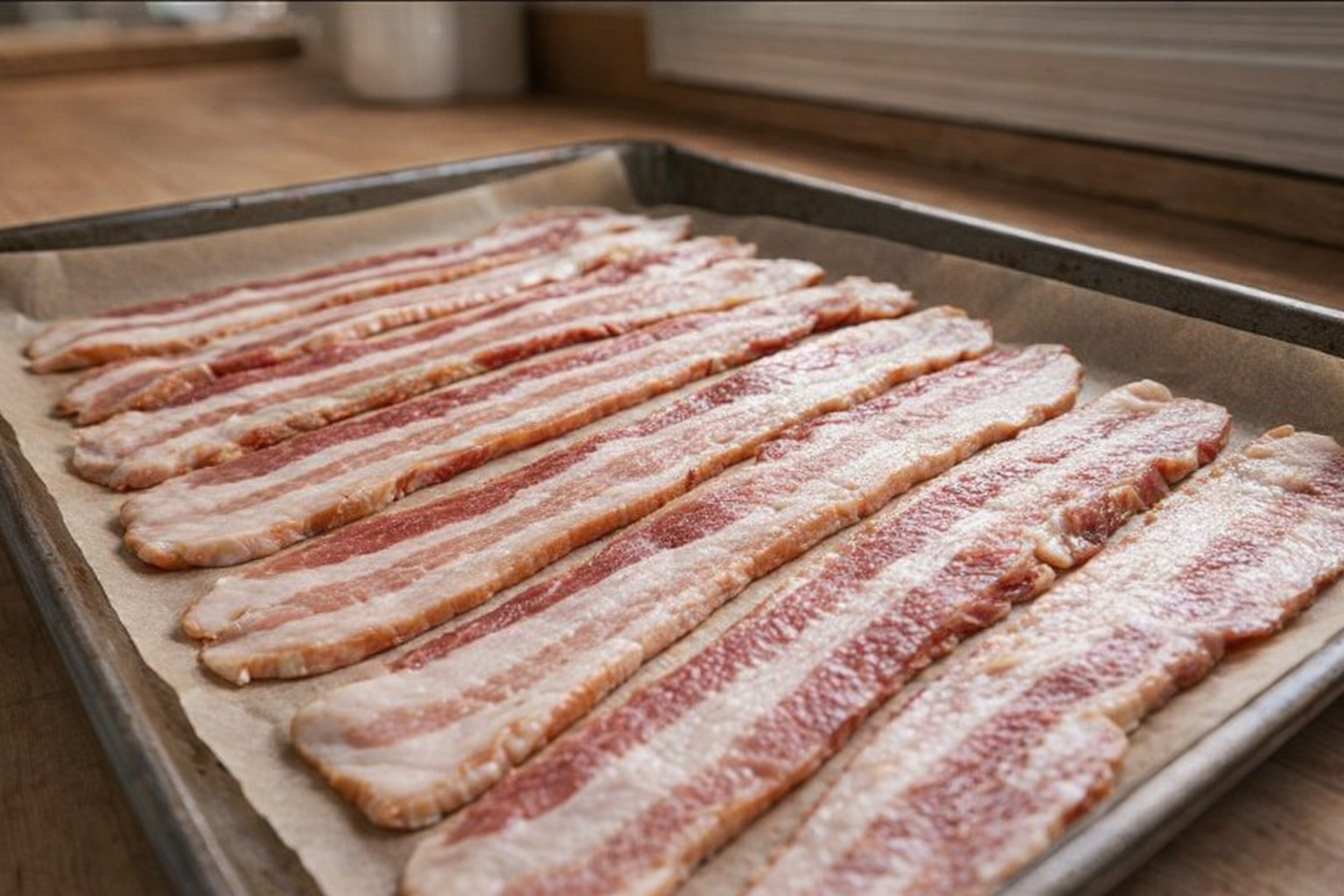
- Line a baking sheet with parchment paper or aluminum foil. This prevents sticking and makes cleanup much easier.
- Lay the bacon strips in a single layer on the prepared baking sheet. Avoid overlapping, as this will prevent even cooking. Ensure each strip has space around it for proper air circulation.
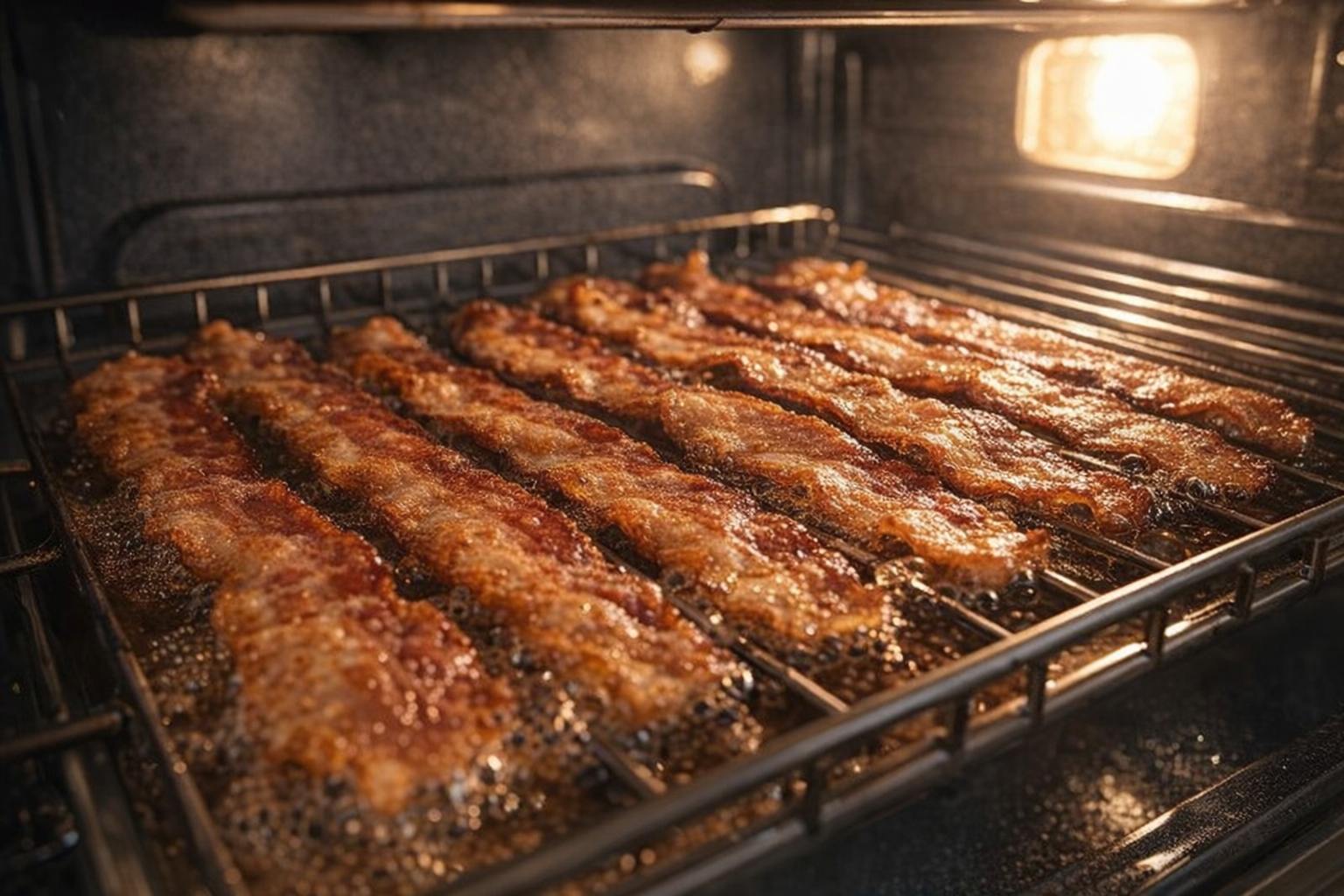
- Bake for 15-20 minutes, or until the bacon is crispy and golden brown. The exact baking time will depend on the thickness of the bacon and your desired level of crispiness. Listen for the sizzle and watch for the edges to curl slightly.
- Remove the baking sheet from the oven using oven mitts.
- Transfer the bacon to a plate lined with paper towels to drain excess grease. This will help the bacon crisp up even further.
Cooking Time & Doneness Guide
- 15 minutes: Bacon is cooked through but still slightly chewy.
- 18 minutes: A good balance of crispy and tender.
- 20 minutes: Extra-crispy bacon, ideal for crumbling.
- Internal Temperature: While not strictly necessary, bacon is considered safe to eat when it reaches an internal temperature of 145°F (63°C).
Visual Cues
The bacon should be golden brown and slightly curled at the edges. The fat should be rendered and bubbly.
Tips for Perfection
- Don't overcrowd the pan. Cook in batches if necessary to ensure even cooking.
- For extra-crispy bacon, use a cooling rack. This allows the fat to drip away, promoting crispiness.
- Watch the bacon carefully during the last few minutes of baking. It can go from perfectly crispy to burnt very quickly.
- Adjust the baking time based on the thickness of the bacon. Thicker bacon will require a longer baking time.
Storage & Reheating
- Storage: Store leftover cooked bacon in an airtight container in the refrigerator for up to 4-5 days.
- Reheating: Reheat bacon in the oven, microwave, or skillet. For the best results, reheat in the oven at 350°F (175°C) for a few minutes, or until warmed through. Microwaving can make the bacon rubbery.
Serving Suggestions
- Classic Breakfast: Serve with scrambled eggs, toast, and a side of fruit.
- BLT Sandwich: A timeless classic. Add lettuce, tomato, and mayonnaise to toasted bread.
- Bacon Crumbles: Sprinkle over salads, baked potatoes, or pasta dishes.
- Maple-Glazed Bacon: Brush cooked bacon with maple syrup and return to the oven for a few minutes for a sweet and savory treat.
💡 Pro Tips
- Line your rimmed baking sheet with parchment paper or aluminum foil to ensure easy cleanup and prevent the strips from sticking to the pan.
- For the crispiest results, place a wire cooling rack inside the baking sheet to allow hot air to circulate completely around the bacon.
- Arrange the bacon slices in a single layer without overlapping them to ensure every piece cooks evenly and reaches a uniform texture.
- Start checking the bacon for doneness a few minutes early, as cooking times vary significantly based on the thickness of the cut and oven calibration.
- Transfer the cooked slices immediately to a plate lined with paper towels to absorb excess grease and maintain a perfectly crunchy bite.
Frequently Asked Questions
Several factors can affect crispiness. Make sure your oven is preheated to the correct temperature, and that you're using American (streaky) bacon, which has a higher fat content. Consider elevating the bacon on a cooling rack within the baking sheet to allow for better air circulation and fat drainage.
Yes, you can bake turkey bacon in the oven using this method. However, keep in mind that turkey bacon is leaner than pork bacon and won't achieve the same level of crispiness. You may need to adjust the cooking time slightly.
While not strictly necessary, lining the baking sheet is highly recommended for easier cleanup. Parchment paper is preferred as it tends to result in a slightly cleaner taste compared to foil. However, foil is a perfectly acceptable substitute if you don't have parchment paper on hand.
Leftover baked bacon should be stored in an airtight container in the refrigerator. It will typically last for 3-4 days. You can reheat it in the oven, microwave, or skillet until warmed through.