 delishing
How to Bake Halibut in the Oven: A Culinary Guide

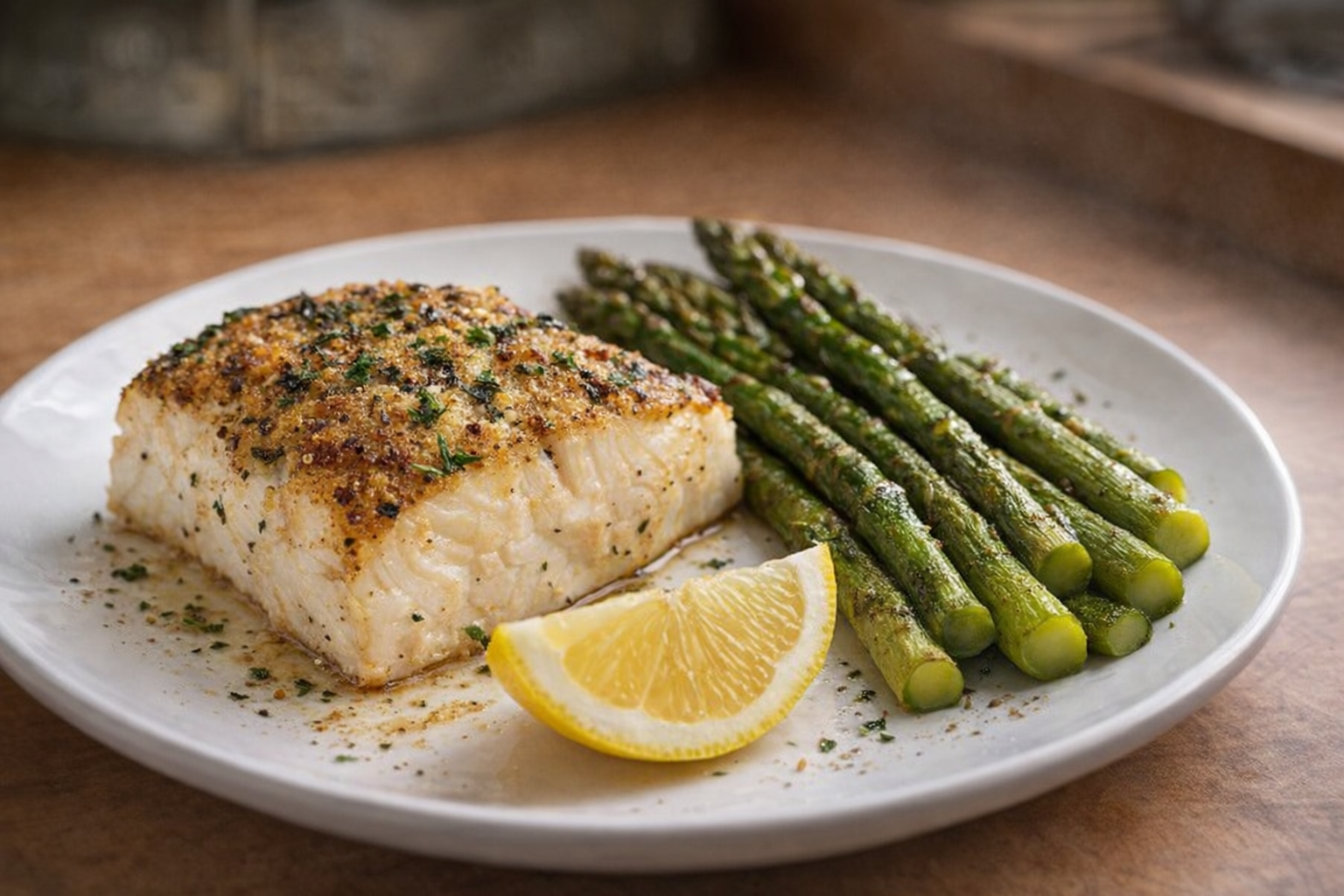
Baking halibut in the oven is a simple yet elegant way to showcase the fish's delicate, slightly sweet flavor and firm, flaky texture. The dry heat of the oven ensures a moist, evenly cooked fillet, while allowing you to control the seasonings and aromatics for a personalized touch. This method is a great way to create a healthy and delicious meal with minimal effort.
This guide will walk you through the process of selecting the best halibut, preparing it with flavorful ingredients, and baking it to perfection. We'll cover essential tools, temperature guidelines, and serving suggestions to help you master this versatile dish. Get ready to impress your family and friends with perfectly baked halibut every time.
Understanding Halibut
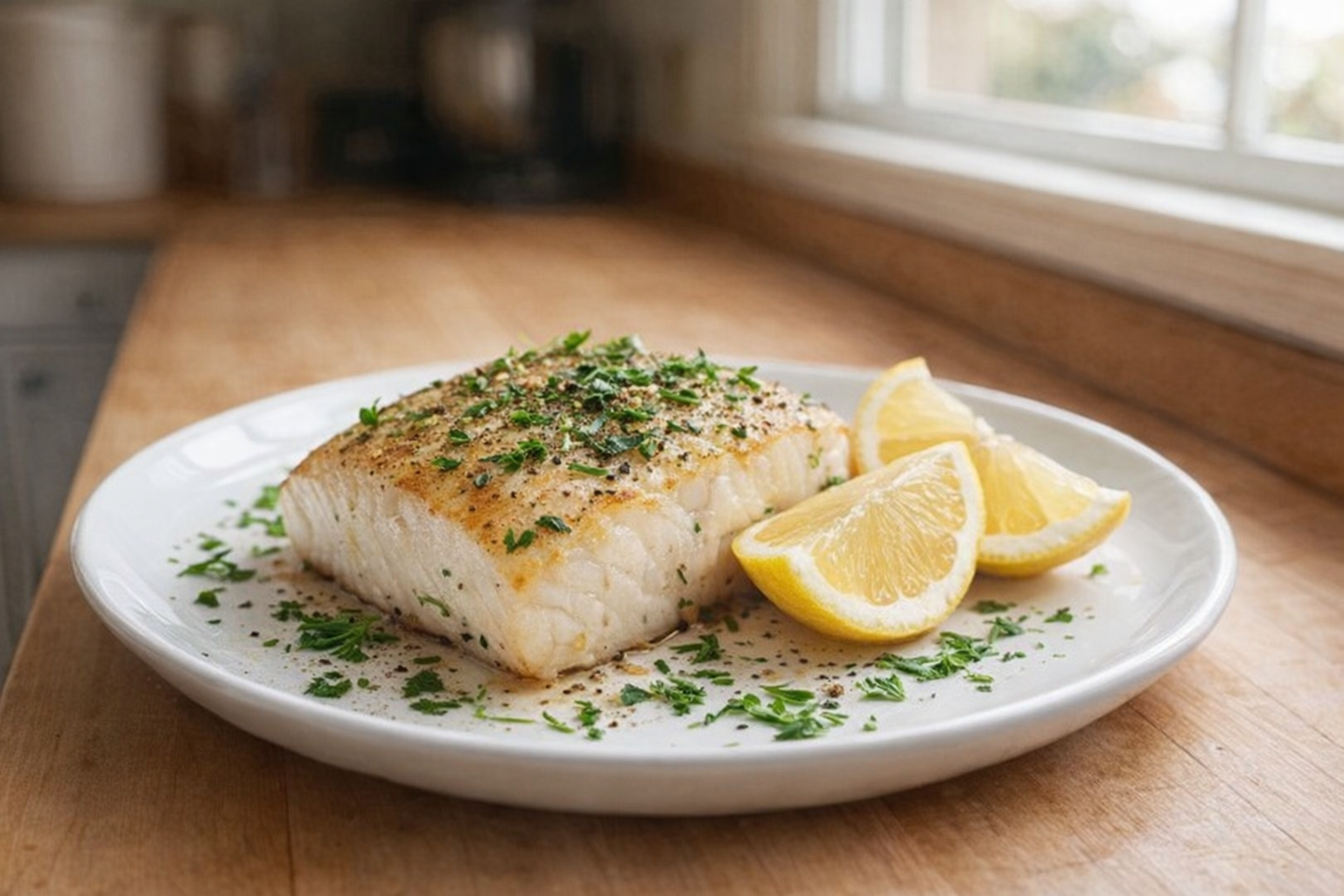
Halibut is a lean, white-fleshed fish prized for its firm texture and mild flavor. It belongs to the flatfish family, with both eyes on one side of its body. When buying halibut, look for fillets that are firm to the touch, with a translucent, pearly white color. Avoid fillets that appear dull, slimy, or have a strong fishy odor. These are signs of spoilage.
Types of Halibut:
- Pacific Halibut: The most common type, known for its large size and excellent flavor.
- Atlantic Halibut: More expensive and less readily available due to overfishing. Choose sustainably sourced options.
- California Halibut: Smaller in size and often more affordable.
Why Cook Halibut This Way?
- Versatility: Halibut's mild flavor makes it a blank canvas for various seasonings and sauces.
- Flavor: Baking allows the natural flavors of the halibut to shine through, enhanced by your chosen aromatics.
- Convenience: Oven-baking is a hands-off cooking method, freeing you up to prepare side dishes or relax while your meal cooks.
Preparation (Mise en Place)
- Thawing (if using frozen): Place the frozen halibut in the refrigerator overnight or submerge it in a bowl of cold water for 30-60 minutes, changing the water every 15 minutes. Never thaw at room temperature.
- Patting Dry: Use paper towels to thoroughly pat the halibut fillets dry. This is crucial for achieving a good sear and preventing steaming in the oven.
- Trimming (optional): Trim away any thin or ragged edges for more even cooking.
Essential Tools
- Baking Sheet: A rimmed baking sheet is essential for containing the fish and preventing spills. We recommend a heavy-duty sheet pan for even heat distribution.
- Parchment Paper or Aluminum Foil: Lining the baking sheet with parchment paper or foil prevents the halibut from sticking and makes cleanup easier.
- Small Bowl: For mixing your seasoning blend.
- Pastry Brush: To evenly coat the fish with oil.
The Cooking Method(s)
Method 1: Basic Baked Halibut
This method provides a foundation for perfectly baked halibut, allowing the quality of the fish and simple seasonings to shine.
Ingredients:
- 4 Halibut fillets (6-8 ounces each), skin on or off
- 2 tablespoons Olive oil
- 1 tablespoon Lemon juice
- 2 cloves Garlic, minced
- 1 teaspoon Salt
- ½ teaspoon Black pepper
- Optional: Fresh herbs (dill, parsley, thyme) for garnish
Instructions:
- Preheat Oven: Preheat your oven to 400°F (200°C). The consistent heat will ensure the fish cooks evenly.
- Prepare Baking Sheet: Line a baking sheet with parchment paper. This prevents sticking and simplifies cleanup.
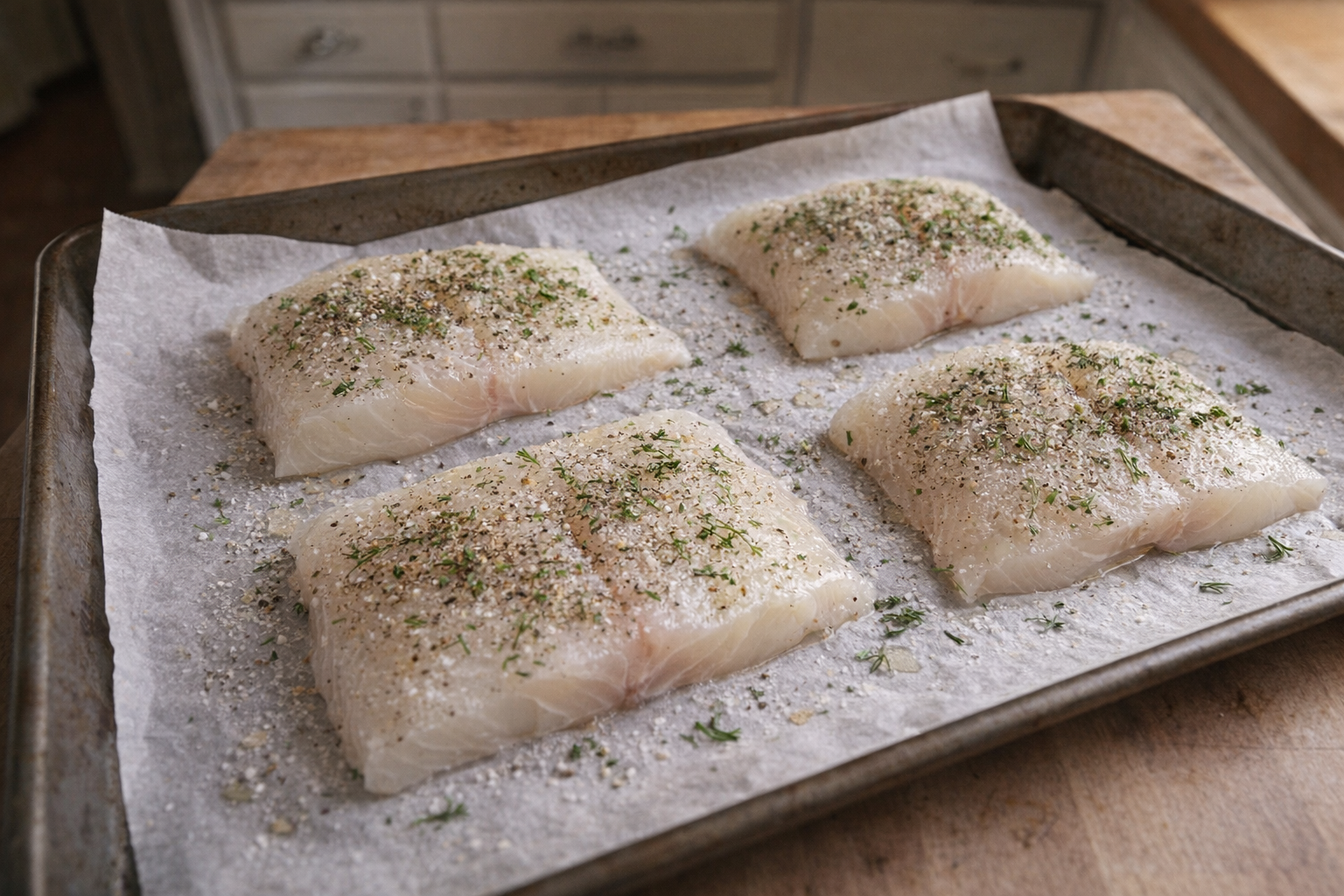
- Season Halibut: In a small bowl, whisk together olive oil, lemon juice, minced garlic, salt, and pepper. Brush the mixture evenly over both sides of the halibut fillets. The garlic will become fragrant as it bakes.
- Arrange Halibut: Place the seasoned halibut fillets on the prepared baking sheet, leaving a little space between each fillet. Ensuring enough space will allow the fish to bake and not steam.
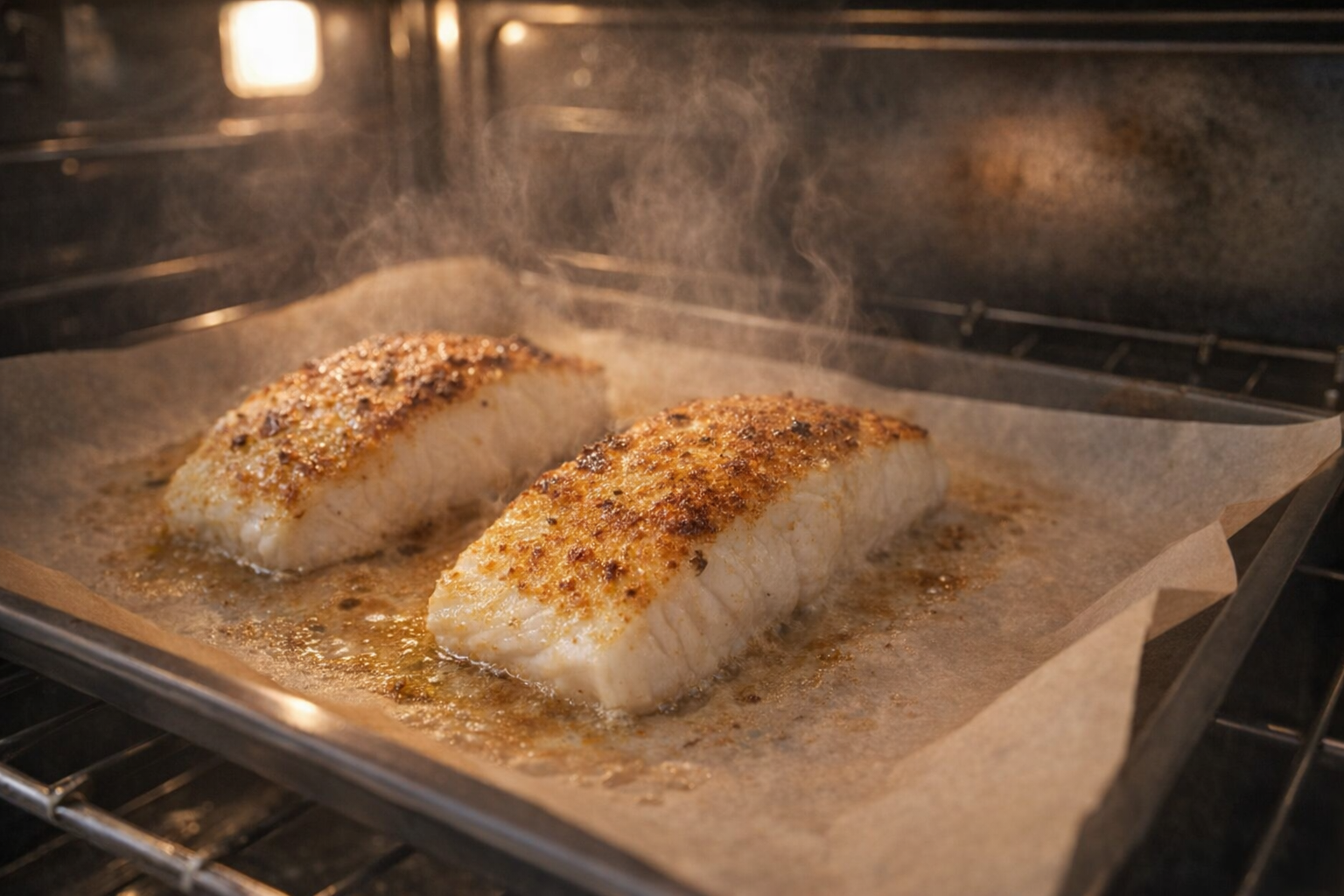
- Bake: Bake for 12-15 minutes, or until the halibut is opaque and flakes easily with a fork. The kitchen will fill with the aroma of baked fish and garlic.
- Check for Doneness: Insert a fork into the thickest part of the fillet and gently twist. If the fish flakes easily and appears opaque throughout, it's done.
- Garnish and Serve: Remove from the oven and garnish with fresh herbs (dill, parsley, or thyme) and lemon wedges. The bright herbs will add a pop of color and freshness.
Cooking Time & Doneness Guide
- Baking Time: 12-15 minutes at 400°F (200°C), depending on the thickness of the fillets.
- Internal Temperature: The internal temperature should reach 140-145°F (60-63°C). Use a meat thermometer inserted into the thickest part of the fillet.
Visual Cues
- The halibut should be opaque throughout, not translucent.
- The flesh should easily flake with a fork.
- The surface of the fish will be slightly firm to the touch.
Tips for Perfection
- Don't Overcook: Overcooked halibut becomes dry and rubbery. Use a thermometer and check for doneness frequently.
- Use Fresh Ingredients: Fresh garlic and herbs will significantly enhance the flavor of the dish.
- Pat Dry: Ensure the halibut fillets are thoroughly dried before seasoning to promote browning and prevent steaming.
- Even Fillets: Choose fillets of similar thickness for even cooking.
Storage & Reheating
- Storage: Store leftover baked halibut in an airtight container in the refrigerator for up to 2 days.
- Reheating: The best way to reheat baked halibut is in a low oven (275°F or 135°C) for 10-15 minutes, or until heated through. You can also gently reheat it in a skillet over low heat with a little olive oil or broth. Avoid microwaving, as it can make the fish tough and dry.
Serving Suggestions
- With Roasted Vegetables: Serve baked halibut with roasted vegetables like asparagus, broccoli, or Brussels sprouts for a complete and healthy meal.
- Over Rice or Quinoa: Flake the halibut over a bed of rice or quinoa and drizzle with a lemon-herb sauce.
- In Tacos or Wraps: Use baked halibut as a filling for fish tacos or wraps, with your favorite toppings.
- With a Creamy Sauce: Top the baked halibut with a creamy dill sauce or a lemon butter sauce for a more indulgent dish.
💡 Pro Tips
- Pat the halibut fillets completely dry with paper towels before seasoning to ensure the surface browns properly rather than steaming in the oven.
- Use an instant-read thermometer to pull the fish at an internal temperature of 130°F, as carryover cooking will bring it to the ideal 135°F.
- Fold thinner tail ends under the fillet to create a uniform thickness, which prevents the edges from drying out before the center is cooked.
- Brush the fish with a mixture of melted butter and lemon juice before baking to enhance its natural sweetness and maintain moisture.
- Allow the halibut to rest for three minutes after baking so the juices can redistribute throughout the fillet for a flakier texture.
Frequently Asked Questions
To prevent the halibut from drying out, ensure you pat it completely dry before baking. You can also add a small amount of liquid, such as white wine or lemon juice, to the baking sheet and cover the fish loosely with foil for the first half of the cooking time.
Yes, you can substitute other firm, white-fleshed fish like cod, sea bass, or grouper for halibut. Keep in mind that the cooking time may vary slightly depending on the thickness of the fillet, so check for doneness frequently.
Halibut is done when it flakes easily with a fork and the internal temperature reaches 145°F (63°C). Insert a thermometer into the thickest part of the fillet to ensure accurate temperature reading.
Leftover baked halibut can be stored in an airtight container in the refrigerator for up to 3 days. Reheat gently in the oven or microwave until heated through, being careful not to overcook it and dry it out.