 delishing
How to Bake Perfect Sugar Cookies: A Baker's Guide

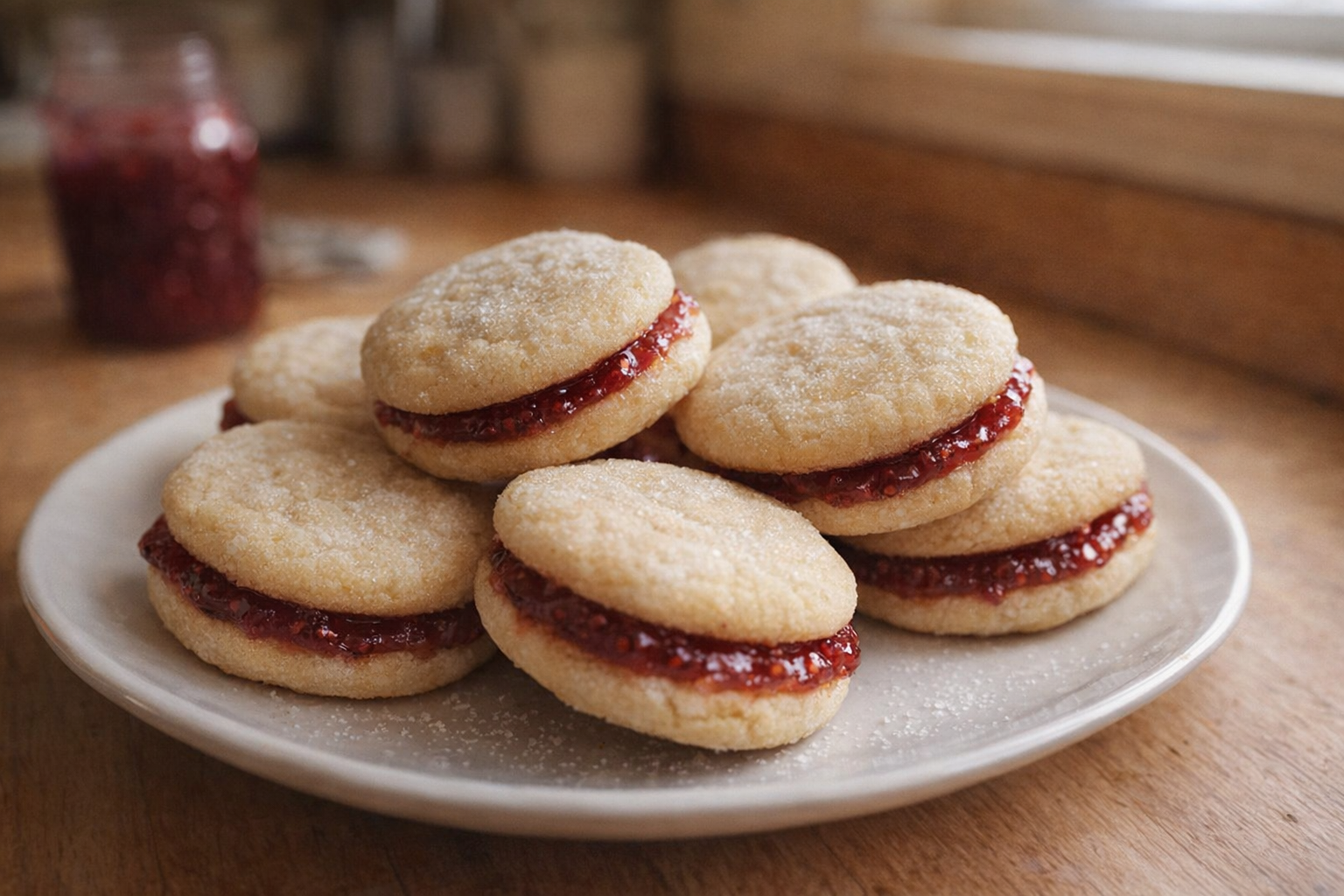
Sugar cookies, with their simple sweetness and endless decorating possibilities, are a staple in any baker's repertoire. The beauty of a sugar cookie lies in its clean, buttery flavor, providing the perfect canvas for vanilla, citrus, or almond extracts. Baked to a pale golden hue, the texture should be soft with a slight chew, never dry or crumbly. This guide will walk you through the process, ensuring consistently delicious results.
The process of baking sugar cookies is straightforward, but attention to detail is key. Proper chilling of the dough prevents spreading, leading to cookies that hold their shape beautifully. Understanding the role of each ingredient, from the binding power of eggs to the tenderizing effect of butter, will elevate your baking game. This comprehensive guide provides everything you need to create sugar cookies that are as delightful to eat as they are to decorate.

Understanding Sugar Cookie Dough
The foundation of a great sugar cookie rests on understanding the ingredients. All-purpose flour provides structure, while granulated sugar contributes sweetness and a slightly crisp edge. Unsalted butter, the fat component, is crucial for tenderness and flavor. Eggs bind the dough, adding richness and moisture, while extracts like vanilla or almond enhance the overall flavor profile. When selecting ingredients, opt for high-quality butter and fresh extracts for the best flavor.
For a classic sugar cookie, use all-purpose flour. If you desire a more tender cookie, substitute a tablespoon or two of all-purpose flour with cornstarch. Always use unsalted butter so you can control the total amount of salt in the recipe. Good quality vanilla extract makes a big difference in the final taste of the cookies.
Why Bake Sugar Cookies This Way?
- Versatility: Sugar cookies can be flavored with various extracts, zests, and spices. They can be cut into any shape, making them perfect for holidays and special occasions.
- Flavor: The simple sweetness of sugar cookies pairs well with a wide range of icings, frostings, and toppings, allowing for endless customization.
- Convenience: Sugar cookie dough can be made in advance and stored in the refrigerator or freezer, ready to be baked whenever you need a sweet treat.
Preparation (Mise en Place)
Before starting, ensure all ingredients are at room temperature. This is especially important for the butter and eggs, as they will emulsify more easily, creating a smoother dough. Measure out all ingredients accurately. Over-measuring flour can lead to dry, tough cookies, while under-measuring sugar can result in flat, spreading cookies.
Essential Tools
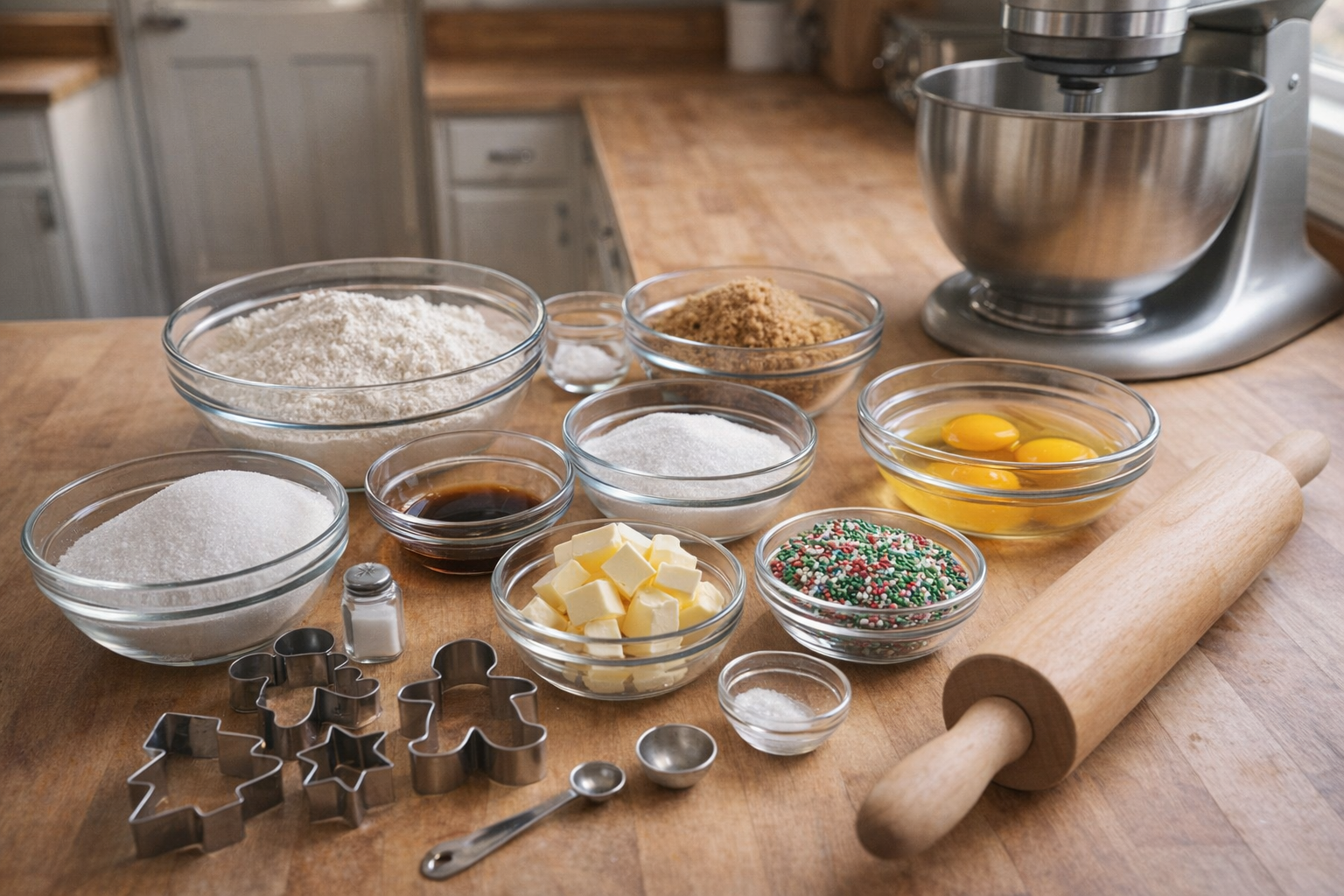
- Stand Mixer or Hand Mixer: A mixer ensures the butter and sugar are properly creamed, creating a light and airy base for the dough.
- Rolling Pin: A rolling pin is essential for rolling out the dough to an even thickness.
- Cookie Cutters: Choose your favorite shapes to cut out the cookies.
- Baking Sheets: Use light-colored baking sheets to prevent the bottoms of the cookies from browning too quickly.
- Parchment Paper: Lining the baking sheets with parchment paper prevents the cookies from sticking and makes cleanup easier.
The Cooking Method
Classic Sugar Cookies
This method focuses on creating a tender, flavorful sugar cookie that holds its shape well during baking.
Ingredients:
- 225g (1 cup) Unsalted Butter, softened
- 200g (1 cup) Granulated Sugar
- 1 Large Egg
- 1 teaspoon Vanilla Extract
- 300g (2 2/3 cups) All-Purpose Flour
- 1 teaspoon Baking Powder
- 1/2 teaspoon Salt
- In a large bowl, cream together the softened butter and granulated sugar until light and fluffy. This process should take about 3-5 minutes. The mixture should lighten in color and increase in volume. The sound of the mixer should change as the mixture becomes more aerated.
- Beat in the egg and vanilla extract until well combined. The batter should be smooth and emulsified, with no streaks of butter or egg.
- In a separate bowl, whisk together the flour, baking powder, and salt. This ensures the baking powder and salt are evenly distributed throughout the flour.
- Gradually add the dry ingredients to the wet ingredients, mixing until just combined. Be careful not to overmix, as this can develop the gluten in the flour and result in tough cookies. The dough should come together into a cohesive ball.
- Divide the dough in half, flatten each half into a disc, and wrap in plastic wrap. Refrigerate for at least 2 hours, or preferably overnight. Chilling the dough prevents the cookies from spreading too much during baking.
- Preheat oven to 175°C (350°F). Line baking sheets with parchment paper.
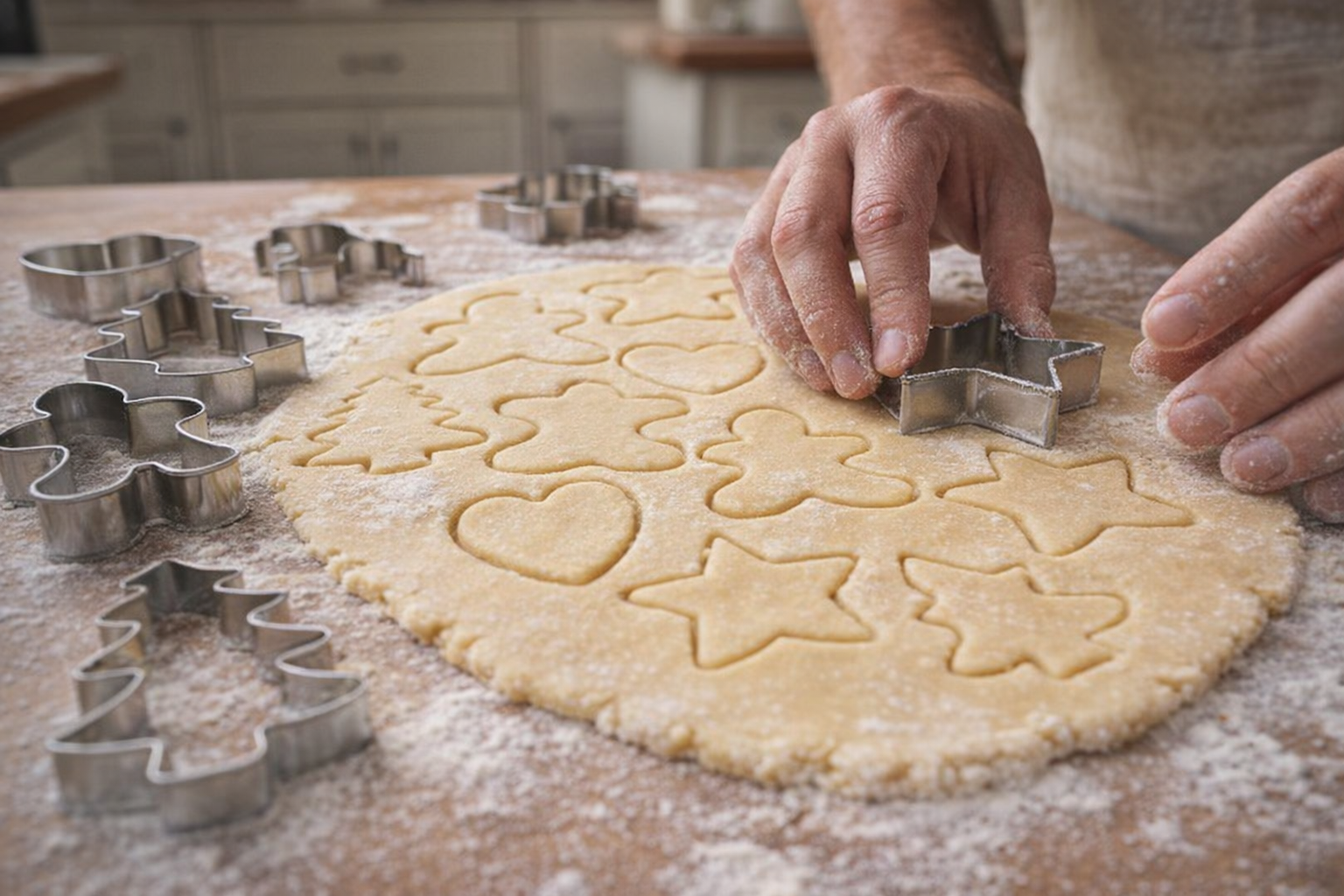
- On a lightly floured surface, roll out one disc of dough to about 1/4 inch thickness. Work quickly to prevent the dough from warming up too much.
- Use cookie cutters to cut out shapes and transfer them to the prepared baking sheets, leaving about 1 inch between each cookie.
- Bake for 8-10 minutes, or until the edges are lightly golden. The cookies should be pale in color, not deeply browned. They will continue to set as they cool.
- Let the cookies cool on the baking sheets for a few minutes before transferring them to a wire rack to cool completely. This prevents the cookies from breaking.
Cooking Time & Doneness Guide
- Baking Time: 8-10 minutes at 175°C (350°F).
- Internal Temperature: Sugar cookies are not typically cooked to a specific internal temperature.
Visual Cues
The edges of the cookies should be lightly golden, and the centers should be set but not browned. If the cookies appear wet or doughy, they need a little more time in the oven.
Tips for Perfection
- Don't Overmix: Overmixing the dough develops the gluten in the flour, resulting in tough cookies. Mix until just combined.
- Chill the Dough: Chilling the dough is essential for preventing the cookies from spreading too much during baking.
- Use Room Temperature Ingredients: Room temperature butter and eggs emulsify more easily, creating a smoother dough.
- Bake Evenly: Rotate the baking sheets halfway through baking to ensure the cookies bake evenly.
Storage & Reheating
- Storage: Store baked sugar cookies in an airtight container at room temperature for up to 5 days. Unbaked cookie dough can be stored in the refrigerator for up to 3 days or in the freezer for up to 2 months.
- Reheating: Sugar cookies do not typically need to be reheated. If desired, you can warm them in a low oven (150°C/300°F) for a few minutes to soften them slightly.
Serving Suggestions
- Decorate with Icing: The classic way to enjoy sugar cookies is to decorate them with royal icing or buttercream frosting.
- Make Cookie Sandwiches: Spread frosting or jam between two cookies to create a sweet sandwich.
- Serve with Tea or Coffee: Sugar cookies are a perfect accompaniment to a hot beverage.
- Gift Giving: Package decorated sugar cookies in a decorative box or tin for a thoughtful homemade gift.
💡 Pro Tips
- Chill your cookie dough for at least 30 minutes to prevent excessive spreading and ensure the cookies hold their shape during baking.
- Pull the cookies out of the oven when they reach a pale golden hue to maintain a soft, chewy texture.
- Ensure your butter and eggs are at room temperature before mixing to create a smooth, well-emulsified dough.
- Measure your flour using the spoon-and-level method to avoid adding too much, which prevents the cookies from becoming dry or crumbly.
- Add a splash of almond or citrus extract to the dough to complement the vanilla and elevate the buttery flavor profile.
Frequently Asked Questions
Spreading usually happens when the dough is too warm. Make sure you chill your dough thoroughly before cutting out the cookies, and even chill the cut-out shapes for a few minutes before baking if your kitchen is warm.
While you can substitute salted butter, it's best to use unsalted so you can control the amount of salt in the cookies. If you use salted butter, reduce the amount of salt called for in the recipe by half, and taste your dough before baking to adjust if needed.
Sugar cookie dough can be stored in the refrigerator for up to 3 days, tightly wrapped in plastic wrap. For longer storage, you can freeze the dough for up to 2 months. Just be sure to thaw it in the refrigerator overnight before rolling and cutting.
While margarine can be used, it will affect the flavor and texture of the cookies. Butter provides a richer flavor and a more tender texture. If using margarine, choose one with a high fat content for best results.