 delishing
How to Boil Cabbage on the Stove: A Comprehensive Guide

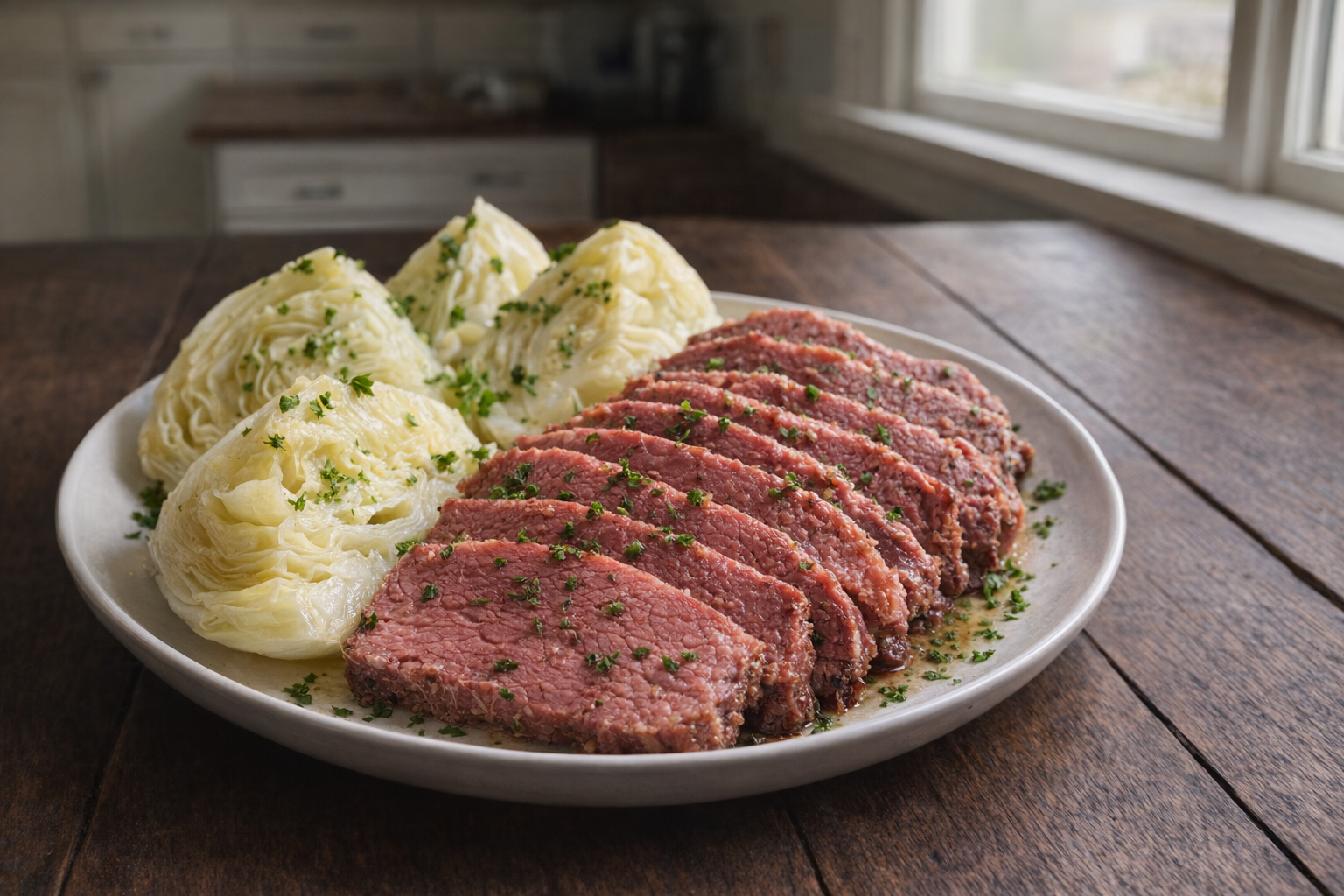
Boiled cabbage, often unfairly maligned, can be a surprisingly delicious and versatile side dish when prepared correctly. The key is understanding the vegetable's nuances and using a technique that preserves its texture and flavor rather than turning it into a mushy, sulfurous mess. This guide will walk you through the process, from selecting the right cabbage to seasoning it perfectly.
Boiling cabbage, when done right, results in a tender-crisp vegetable with a mild, slightly sweet flavor that complements a wide variety of dishes. It's a budget-friendly and nutritious option that can be elevated with simple seasonings and creative serving ideas.
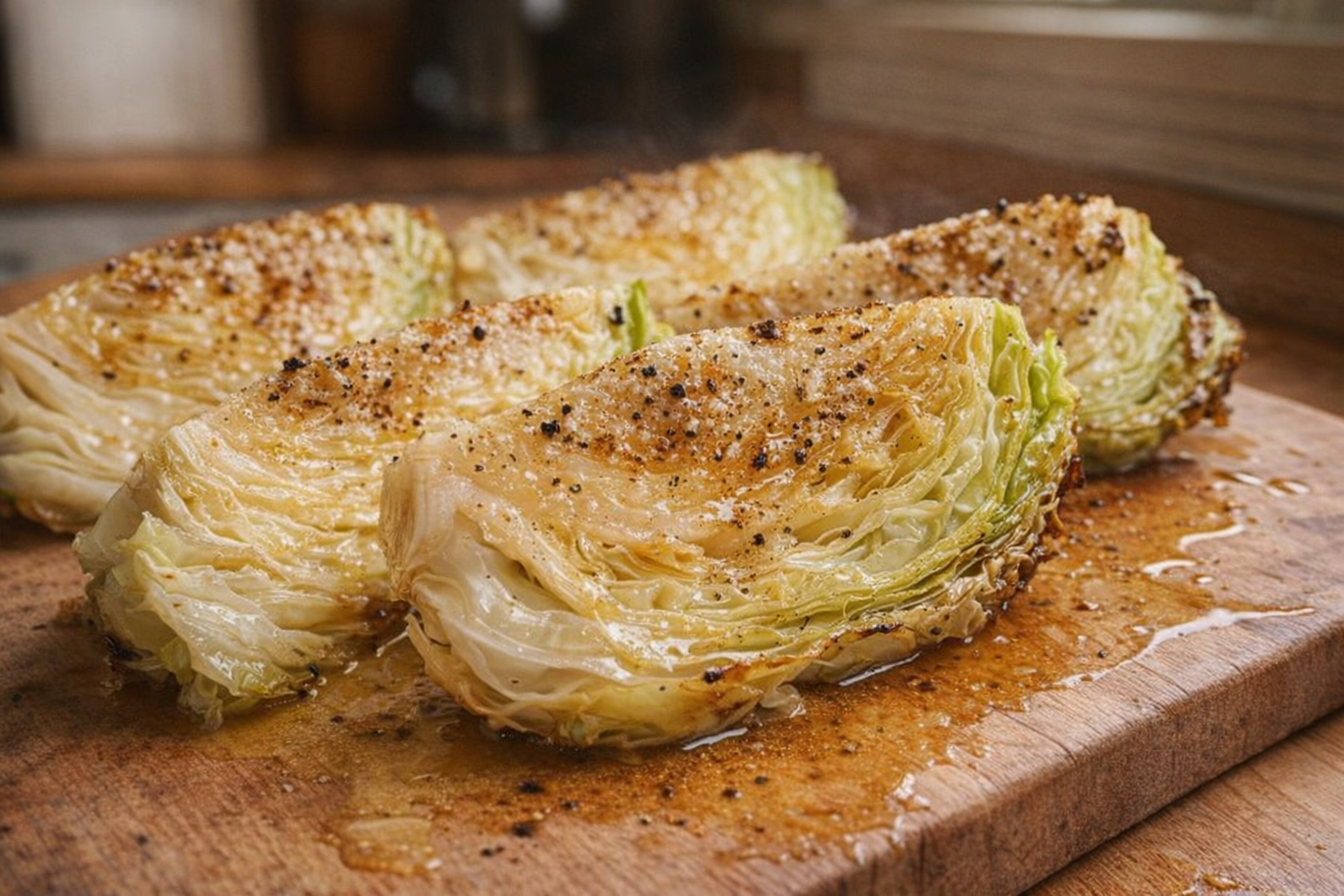
Understanding Cabbage Varieties
Cabbage, a member of the Brassica family, comes in several varieties, each with its own unique characteristics. While all cabbages can be boiled, some are better suited to the method than others.
- Green Cabbage (White Cabbage): This is the most common type, with tightly packed, pale green leaves. It's relatively mild in flavor and holds its shape well when cooked. It is an excellent choice for boiling.
- Red Cabbage: Recognizable by its deep purple leaves, red cabbage has a slightly peppery flavor. It can be boiled, but its color may bleed into the cooking water. Adding a splash of vinegar can help retain its vibrant hue.
- Savoy Cabbage: With its crinkled leaves and slightly sweeter flavor, Savoy cabbage is a good option for boiling, especially if you prefer a more tender texture.
- Napa Cabbage: Also known as Chinese cabbage, Napa cabbage has a more delicate texture and milder flavor than other varieties. It cooks very quickly and is best suited for stir-fries or steaming rather than boiling for an extended time.
Why Cook Cabbage This Way?
- Versatility: Boiled cabbage can be served as a simple side dish or incorporated into more complex recipes like stews, soups, and casseroles.
- Flavor: When cooked properly, boiled cabbage has a naturally sweet and mild flavor that pairs well with a wide range of seasonings and cuisines.
- Convenience: Boiling cabbage is a straightforward cooking method that requires minimal effort and equipment.
Preparation (Mise en Place)
- Rinsing: Thoroughly rinse the cabbage under cold running water to remove any dirt or debris.
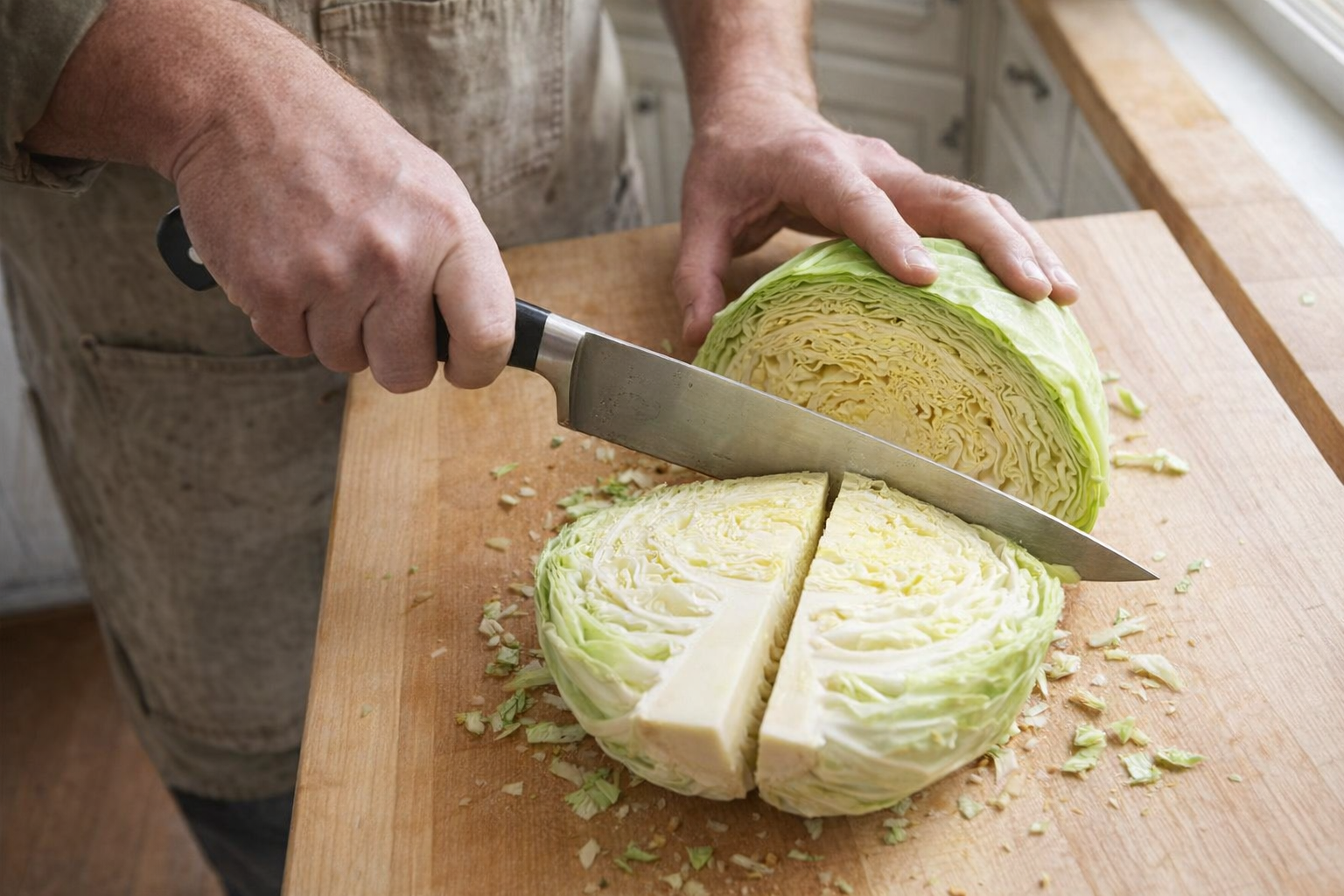
- Cutting: Depending on your preference, you can boil cabbage in wedges or shredded. For wedges, cut the cabbage in half through the core, then cut each half into wedges. For shredded cabbage, slice the cabbage thinly using a sharp knife or mandoline.
- Thawing (if frozen): If using frozen cabbage, thaw it in the refrigerator overnight or use the defrost setting on your microwave.
Essential Tools
- Large Pot or Dutch Oven: A large pot or Dutch oven is essential for boiling cabbage. The pot should be large enough to accommodate the cabbage wedges or shredded cabbage comfortably.
- Sharp Knife: A sharp knife is necessary for cutting the cabbage into wedges or shredding it.
- Cutting Board: A stable cutting board is important for safety when cutting the cabbage.
- Colander: A colander is needed for draining the cooked cabbage.
The Cooking Method(s)
Method 1: Boiling Cabbage Wedges
Ingredients:
- 1 medium head of green cabbage (about 2 pounds/900g)
- 4 cups (950ml) water
- 1 teaspoon salt
- 2 tablespoons unsalted butter (optional)
- Freshly ground black pepper, to taste
- Prepare the Cabbage: Rinse the cabbage thoroughly. Cut the cabbage in half through the core, then cut each half into 2-3 wedges, depending on the size of the cabbage. Keep the core intact to help hold the wedges together.
- Boil the Water: In a large pot or Dutch oven, bring 4 cups of water to a rolling boil over high heat. Add 1 teaspoon of salt.
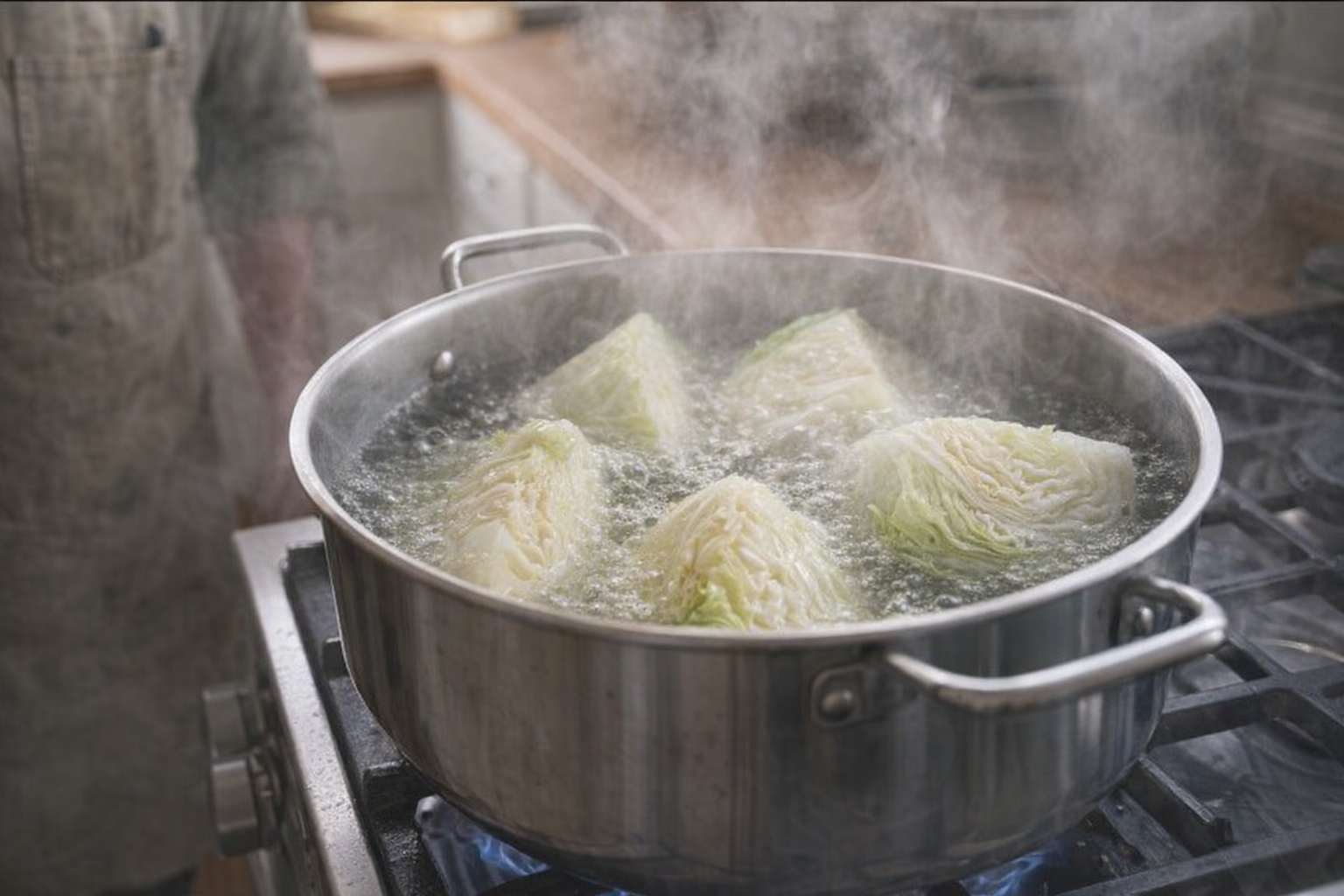
- Add the Cabbage: Carefully add the cabbage wedges to the boiling water. Make sure the water covers the cabbage. If necessary, add more water to ensure the cabbage is submerged.
- Simmer: Reduce the heat to medium-low, cover the pot, and simmer for 10-15 minutes, or until the cabbage is tender but still slightly firm. The cabbage should be easily pierced with a fork but not mushy. You'll smell a subtle, earthy aroma.
- Drain: Drain the cabbage wedges in a colander. Let them sit for a minute to allow excess water to drain off.
- Season and Serve: Return the drained cabbage wedges to the pot. Add 2 tablespoons of unsalted butter (if using) and toss gently to coat. Season with freshly ground black pepper to taste. Serve immediately.
Cooking Time & Doneness Guide:
- Cabbage Wedges: 10-15 minutes
- Shredded Cabbage: 5-7 minutes
Internal Temperature: Cabbage doesn't require a specific internal temperature.
Visual Cues
The cabbage is done when it is tender and easily pierced with a fork. The color will be slightly more translucent. Avoid overcooking, which will result in mushy, unappetizing cabbage.
Tips for Perfection:
- Don't Overcrowd the Pot: Overcrowding the pot will lower the water temperature and result in unevenly cooked cabbage. Cook in batches if necessary.
- Use Enough Water: Make sure the cabbage is fully submerged in water to ensure even cooking.
- Avoid Overcooking: Overcooked cabbage becomes mushy and develops an unpleasant sulfurous smell. Check for doneness frequently.
- Season Generously: Cabbage can be bland if not seasoned properly. Don't be afraid to add salt, pepper, and other seasonings to your liking.
Storage & Reheating:
Storage: Store leftover boiled cabbage in an airtight container in the refrigerator for up to 3-4 days.Reheating: Reheat boiled cabbage in the microwave or on the stovetop with a little water or broth. Avoid overcooking during reheating, as this can make the cabbage mushy.
Serving Suggestions:
- Corned Beef and Cabbage: A classic pairing, boiled cabbage is a traditional accompaniment to corned beef.
- Colcannon: Mash boiled cabbage with potatoes, butter, and milk for a comforting Irish dish.
- Sautéed with Bacon: Sauté boiled cabbage with bacon, onions, and garlic for a flavorful side dish.
- In Soup or Stew: Add boiled cabbage to your favorite soup or stew for extra flavor and nutrients.
Frequently Asked Questions
To minimize the strong smell often associated with boiling cabbage, try adding a bay leaf or a splash of vinegar to the cooking water. Also, ensure your kitchen is well-ventilated by opening a window or turning on the exhaust fan.
Yes, using broth instead of water can add extra flavor to your boiled cabbage. Chicken or vegetable broth will infuse the cabbage with savory notes, creating a more complex and delicious side dish.
Store leftover boiled cabbage in an airtight container in the refrigerator for up to 3-4 days. Ensure the cabbage has cooled completely before refrigerating to prevent it from becoming soggy.
The cabbage is done when it is tender-crisp. You should be able to easily pierce it with a fork, but it should still have a slight bite to it and not be completely mushy.