 delishing
How to Build the Perfect Breakfast Sandwich on Any Bread

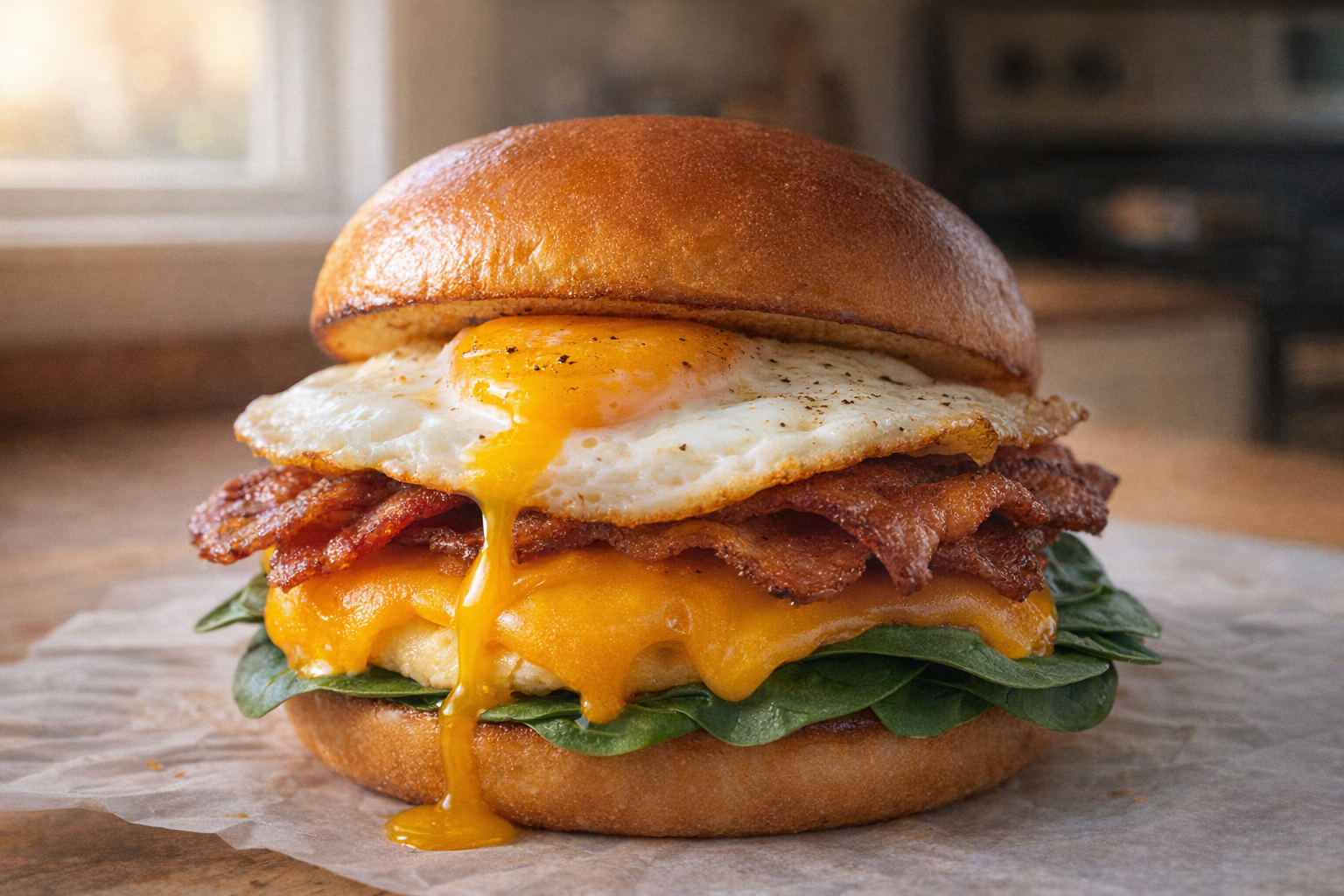
The breakfast sandwich: a culinary chameleon, equally at home as a quick weekday bite or a leisurely weekend indulgence. The beauty of the breakfast sandwich lies in its adaptability. Whether you crave a savory explosion of bacon, egg, and cheese, or a sweet and salty combination of peanut butter and banana, the possibilities are endless. With a few key techniques, you can elevate this humble meal into a personalized masterpiece.
This guide provides a framework for constructing the ultimate breakfast sandwich, regardless of your preferred ingredients or bread. We'll delve into the essential components, explore various cooking methods, and offer tips for achieving sandwich perfection. The key is understanding the interplay of flavors and textures, ensuring each element complements the others to create a truly satisfying experience.
Understanding Your Bread
The foundation of any good sandwich is the bread. Choosing the right type can significantly impact the overall flavor and texture.
- English Muffins: A classic choice, offering a slightly tangy flavor and nooks and crannies that are perfect for catching melted cheese and sauces. Look for ones that are pre-split for ease of use.
- Croissants: The flaky, buttery layers of a croissant add a touch of luxury. Choose a sturdy croissant that can hold up to fillings without becoming soggy.
- Bagels: Dense and chewy, bagels provide a substantial base. Experiment with different flavors like everything bagel, plain, or sesame.
- Toast (Various Breads): Sliced bread is versatile. Sourdough offers a tangy bite, while brioche adds richness. Whole wheat provides a nutty flavor and added fiber.
- Biscuits: Flaky and buttery, biscuits are a Southern favorite. Use homemade or high-quality store-bought biscuits for the best results.
Why Cook a Breakfast Sandwich This Way?
- Versatility: Endless flavor combinations to suit any palate. Sweet, savory, or a combination of both!
- Flavor: A symphony of textures and flavors in every bite. The contrast between crispy bread, creamy egg, and savory fillings is incredibly satisfying.
- Convenience: Quick and easy to prepare, perfect for busy mornings. Many components can be prepped ahead of time.
Preparation (Mise en Place)
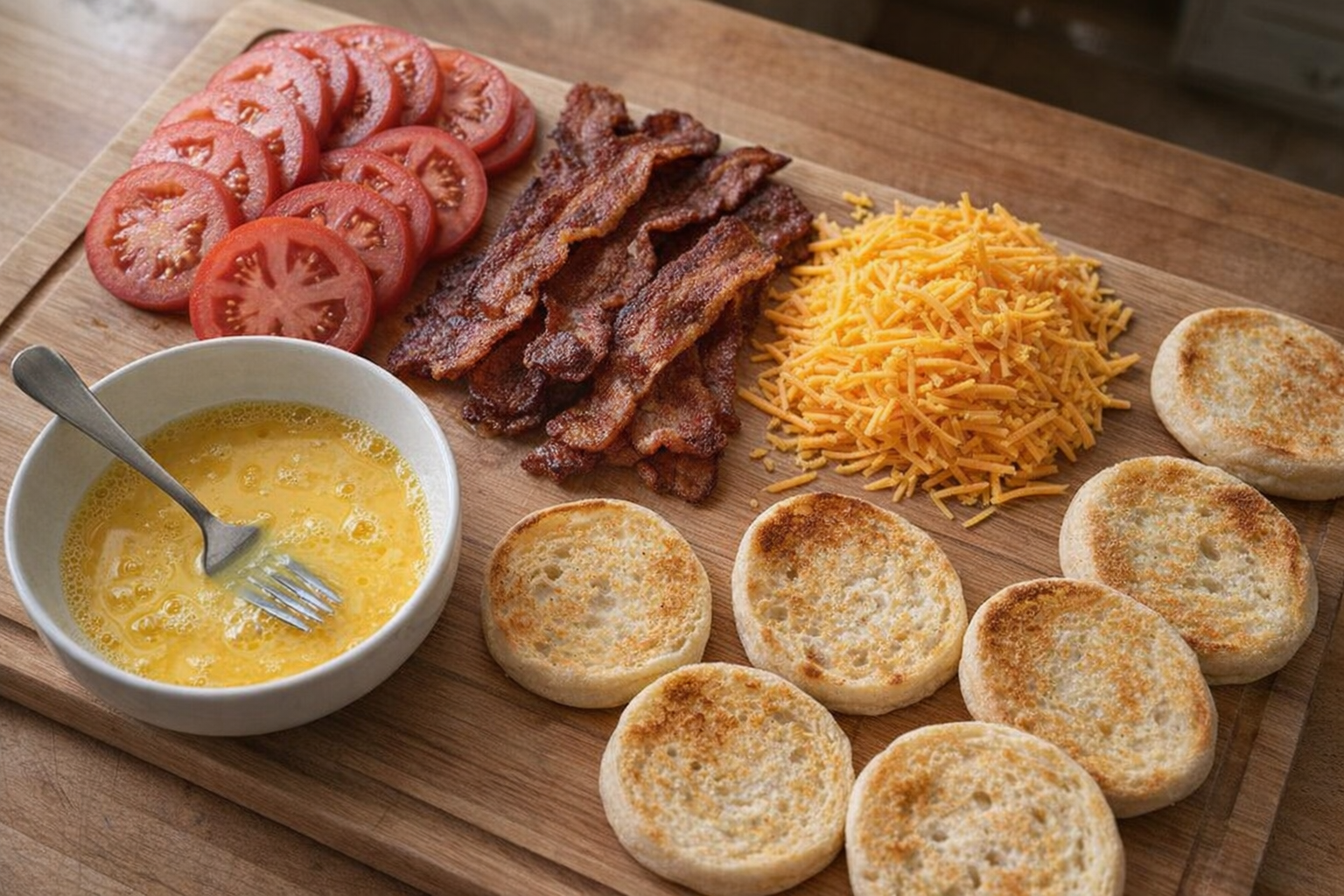
Before you start cooking, gather all your ingredients and prepare them. This will streamline the process and ensure a stress-free sandwich-making experience.
- Eggs: Crack eggs into a bowl for scrambling or frying.
- Cheese: Slice or shred your cheese of choice.
- Protein: Cook bacon, sausage, ham, or any other protein you desire. Reheat pre-cooked items if necessary.
- Vegetables: Wash and chop any vegetables you plan to include. Spinach, tomatoes, onions, and avocados are excellent choices.
- Bread: Prepare your bread. Slice, split, or toast as needed.
Essential Tools
- Skillet or Griddle: For cooking eggs and protein. A non-stick skillet makes cooking eggs easier.
- Toaster or Oven: For toasting bread.
- Spatula: For flipping eggs and transferring ingredients.
- Butter Knife or Spreader: For applying spreads.
The Cooking Method(s): Building Your Perfect Sandwich
Method 1: The Classic Egg, Cheese, and Meat Sandwich
This method focuses on building a classic breakfast sandwich with a fried or scrambled egg, cheese, and your choice of meat.
Ingredients:
- 2 slices of your preferred bread
- 2 large eggs
- 1 tablespoon butter or oil
- 2 slices of cheese (cheddar, American, Swiss, etc.)
- 2 slices of cooked bacon, sausage patty, or ham
- Salt and pepper to taste
- Toast the Bread: Toast the bread to your desired level of crispness.
- Cook the Egg: Heat butter or oil in a skillet over medium heat. For fried eggs, crack the eggs directly into the skillet and cook until the whites are set and the yolks are still runny (or cooked to your preference). For scrambled eggs, pour the whisked eggs into the skillet and cook, stirring occasionally, until set.
- Melt the Cheese: While the egg is cooking, place the cheese slices on one or both slices of toasted bread.
- Assemble the Sandwich: Place the cooked egg on top of the cheese. Add the cooked bacon, sausage, or ham. Top with the other slice of toasted bread.
- Serve Immediately: Enjoy your warm and delicious breakfast sandwich!

Cooking Time & Doneness Guide
- Eggs: Fried eggs typically take 2-3 minutes to cook, depending on your desired yolk consistency. Scrambled eggs take 3-5 minutes. The eggs are done when the whites are fully set and the yolks are cooked to your preference.
- Meat: Cook bacon, sausage, or ham until heated through and slightly crispy.
Visual Cues
- Eggs: The whites of fried eggs should be opaque and firm. The yolks should be runny or set to your preference.
- Bread: Toast the bread until it is golden brown and crispy.
- Cheese: The cheese should be melted and gooey.
Tips for Perfection
- Don't Overcook the Eggs: Overcooked eggs will be dry and rubbery.
- Use High-Quality Ingredients: The better the ingredients, the better the sandwich will taste.
- Toast the Bread Properly: Toasted bread provides a sturdy base and prevents the sandwich from becoming soggy.
- Experiment with Different Flavors: Try adding different cheeses, meats, vegetables, and sauces to customize your sandwich.
Storage & Reheating
- Storage: Leftover breakfast sandwiches can be stored in the refrigerator for up to 24 hours. Wrap tightly in plastic wrap or place in an airtight container.
- Reheating: The best way to reheat a breakfast sandwich is in a toaster oven or air fryer. This will help to crisp up the bread and melt the cheese. You can also microwave the sandwich, but the bread may become soggy.
Serving Suggestions
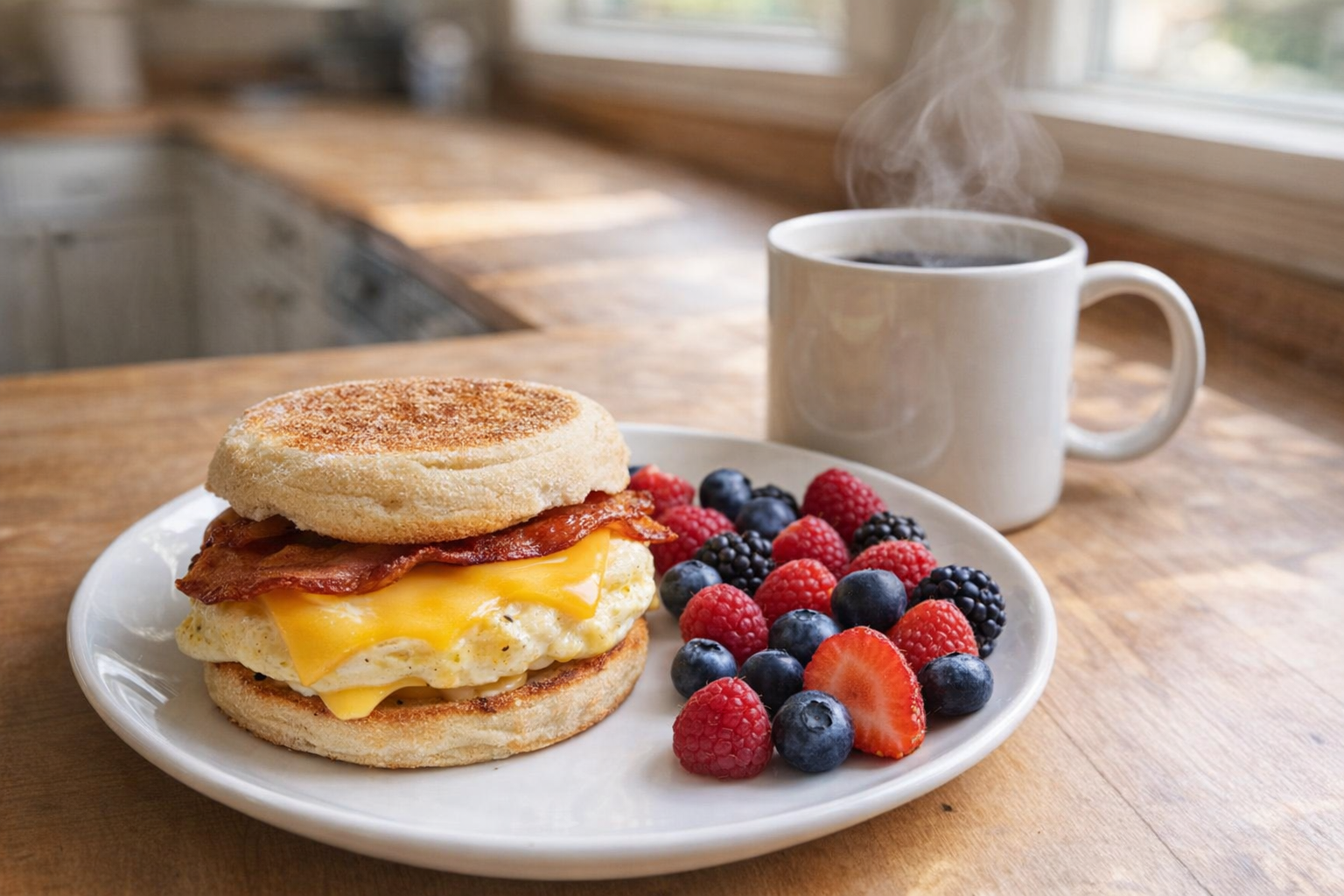
- With a Side of Fruit: Pair your breakfast sandwich with a side of fresh fruit for a balanced and nutritious meal.
- With Coffee or Tea: Enjoy your sandwich with a cup of coffee or tea for a classic breakfast combination.
- As a Grab-and-Go Meal: Wrap your breakfast sandwich in foil or parchment paper for a convenient on-the-go meal.
- Cut in Half: Serve the breakfast sandwich cut in half for easier handling and sharing.
💡 Pro Tips
- Toast your bread with a thin layer of butter or mayonnaise to create a crisp moisture barrier that prevents the sandwich from becoming soggy.
- Place your cheese directly onto the hot eggs or meat while they are still in the pan to ensure a perfectly melted, gooey consistency.
- Cook your eggs to an over-medium or soft-scramble state so the yolk provides a rich sauce without making the sandwich difficult to eat.
- Season every individual component, including the eggs and any greens, with a pinch of salt and pepper to build depth of flavor throughout the sandwich.
- Wrap the assembled sandwich in parchment paper or foil for two minutes to allow the heat to distribute and the ingredients to meld together.
Frequently Asked Questions
To prevent a soggy croissant, lightly toast it before adding the fillings. This creates a barrier that helps to keep the moisture from soaking into the bread. Also, avoid using overly wet ingredients or drain excess liquid from fillings like tomatoes or sauces.
Absolutely! Consider using pre-cooked deli meats like ham or turkey slices. You can also use vegetarian options like sauteed mushrooms, black bean patties, or even leftover cooked chicken or steak from a previous meal.
To contain the egg, try using a muffin ring or cookie cutter while frying or scrambling it. This creates a perfectly round egg that fits neatly within the bread. Alternatively, folding the edges of a scrambled egg towards the center while cooking can also help to keep it compact.
Yes, you can definitely prep ahead! Cook your protein (bacon, sausage, etc.) and chop your vegetables the night before. Store them in the refrigerator in airtight containers. You can also pre-slice your cheese. In the morning, all that's left is to cook the eggs and assemble your sandwich.