 delishing
How to Cook Beef Steak Fajitas on the Stove

Fajitas are a celebration of vibrant flavors, combining the savory goodness of seasoned beef with the sweet and slightly smoky taste of sauteed bell peppers and onions. Cooking fajitas on the stovetop offers a convenient and quick way to achieve that restaurant-quality sizzle and flavor right in your own kitchen. The key is a hot pan and a well-marinated steak.
This method allows for precise control over the cooking process, ensuring the steak is perfectly seared and the vegetables are tender-crisp. The aroma that fills your kitchen as the ingredients come together is a prelude to a truly satisfying meal. This guide will walk you through each step, from marinating the beef to assembling the final, flavorful fajitas.
Understanding Beef Steak
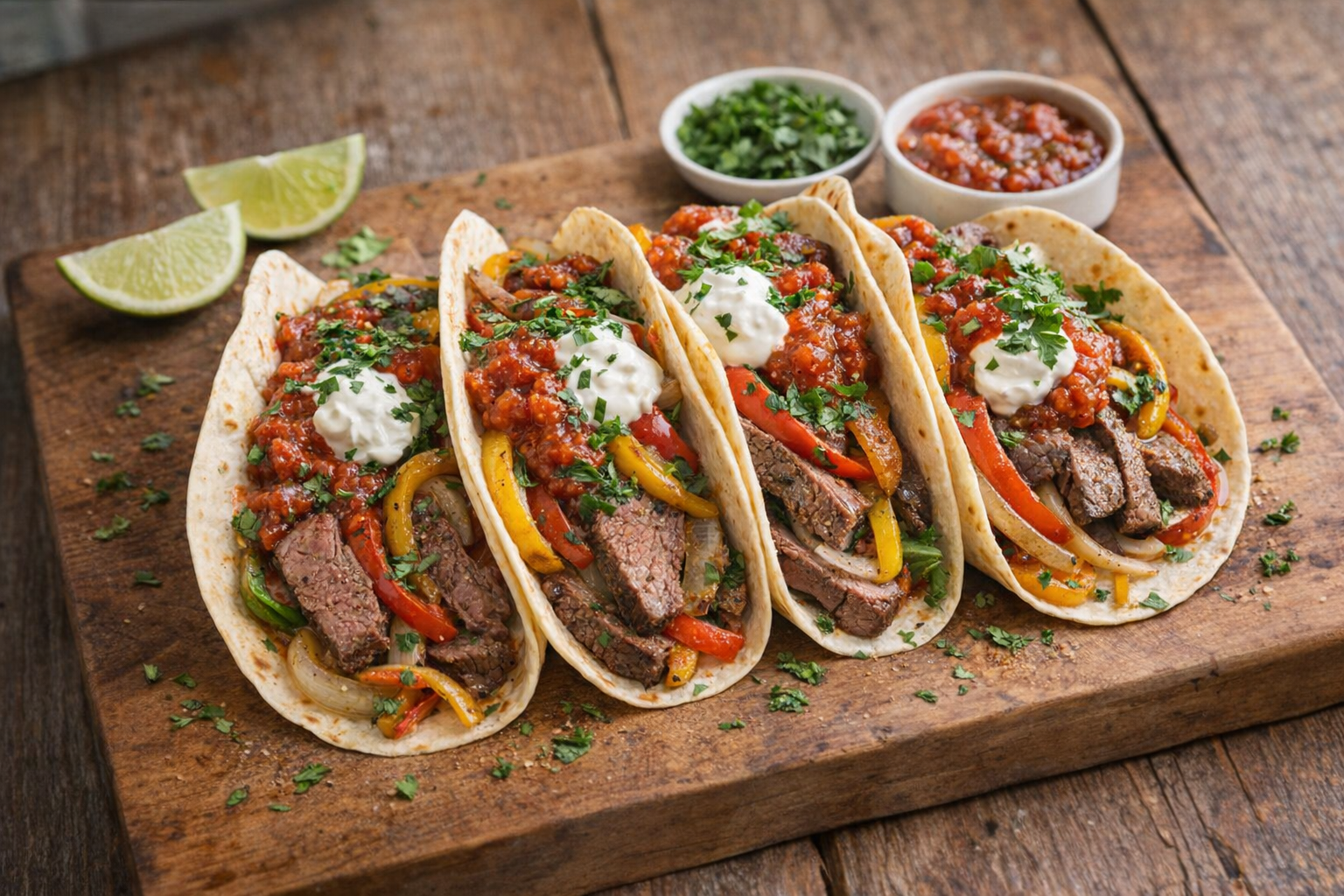
The type of beef you choose significantly impacts the final result. Flank steak and skirt steak are the traditional choices for fajitas, prized for their rich flavor and ability to absorb marinades. Sirloin steak is a leaner option that works well too, but it's important not to overcook it.
- Flank Steak: This cut is relatively lean and has a pronounced grain. It's best marinated for at least a few hours to tenderize it. Slice thinly against the grain after cooking.
- Skirt Steak: This cut is thinner and more flavorful than flank steak. It cooks quickly and is very tender when properly prepared.
- Sirloin Steak: A leaner and more readily available option. Opt for sirloin if you prefer a less fatty fajita. Be careful not to overcook, as it can become tough.
Why Cook Fajitas This Way?
- Versatility: Fajitas are incredibly customizable. You can easily adjust the vegetables, toppings, and even the type of meat to suit your preferences.
- Flavor: The combination of marinated beef, sauteed vegetables, and warm tortillas creates a complex and satisfying flavor profile.
- Convenience: Stovetop fajitas are a relatively quick and easy meal to prepare, making them perfect for weeknight dinners.
Preparation (Mise en Place)
Before you begin cooking, proper preparation is key. This involves both the marinade and the vegetables.
- Thawing the Steak (if frozen): The best way to thaw steak is in the refrigerator overnight. If you're short on time, you can thaw it in a cold water bath, changing the water every 30 minutes, but never use warm water.
- Slicing the Vegetables: Uniformly sliced bell peppers and onions will cook evenly. Aim for strips that are about 1/4 inch thick.
- Marinating the Beef: This is where the flavor magic happens. A good marinade will tenderize the steak and infuse it with savory and aromatic notes.
Essential Tools
- Large Skillet (Cast Iron or Stainless Steel): A large, heavy-bottomed skillet, preferably cast iron or stainless steel, is essential for achieving a good sear on the beef and sauteing the vegetables. Cast iron provides excellent heat retention and distribution.
- Cutting Board: A sturdy cutting board is needed for slicing the vegetables and the cooked steak.
- Sharp Knife: A sharp chef's knife will make slicing the vegetables and steak much easier and safer.
- Mixing Bowls: For preparing the marinade and tossing the vegetables.
The Cooking Method(s)
We'll focus on a single, effective method for cooking beef fajitas on the stovetop, ensuring a flavorful and satisfying meal.
Sizzling Stovetop Fajitas
This method focuses on achieving a good sear on the steak and perfectly cooked vegetables using a hot skillet.
Ingredients:
- 1 1/2 pounds beef steak (flank, skirt, or sirloin)
- 1/4 cup olive oil
- 1/4 cup lime juice (about 2-3 limes)
- 3 cloves garlic, minced
- 1 tablespoon Worcestershire sauce
- 1 tablespoon soy sauce
- 1 teaspoon ground cumin
- 1 teaspoon chili powder
- 1 teaspoon paprika
- 1/2 teaspoon salt
- 1/2 teaspoon black pepper
- 2 tablespoons olive oil (for vegetables)
- 1 large red bell pepper, sliced
- 1 large green bell pepper, sliced
- 1 large yellow bell pepper, sliced
- 1 large onion, sliced
- 8-10 flour tortillas
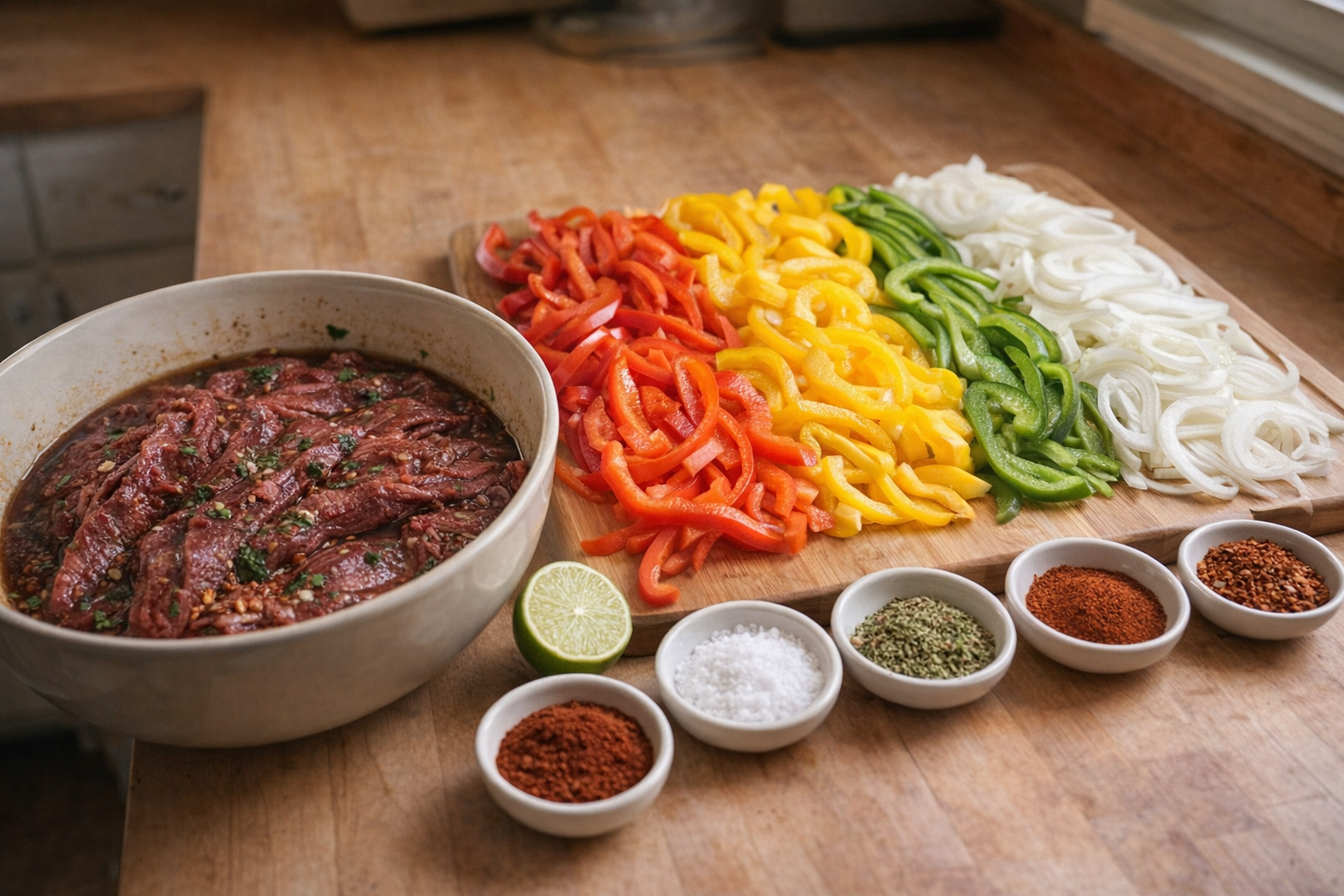
- Marinate the Beef: In a medium bowl, whisk together the olive oil, lime juice, minced garlic, Worcestershire sauce, soy sauce, ground cumin, chili powder, paprika, salt, and black pepper. Place the beef in a resealable bag or dish, pour the marinade over, and refrigerate for at least 1 hour, or preferably overnight. The longer it marinates, the more flavorful and tender it will be.
- Prepare the Vegetables: While the beef is marinating, slice the bell peppers and onion into thin strips. This ensures even cooking.
- Heat the Skillet: Place your cast iron or stainless steel skillet over medium-high heat. Add 1 tablespoon of olive oil. The oil should shimmer and almost smoke.
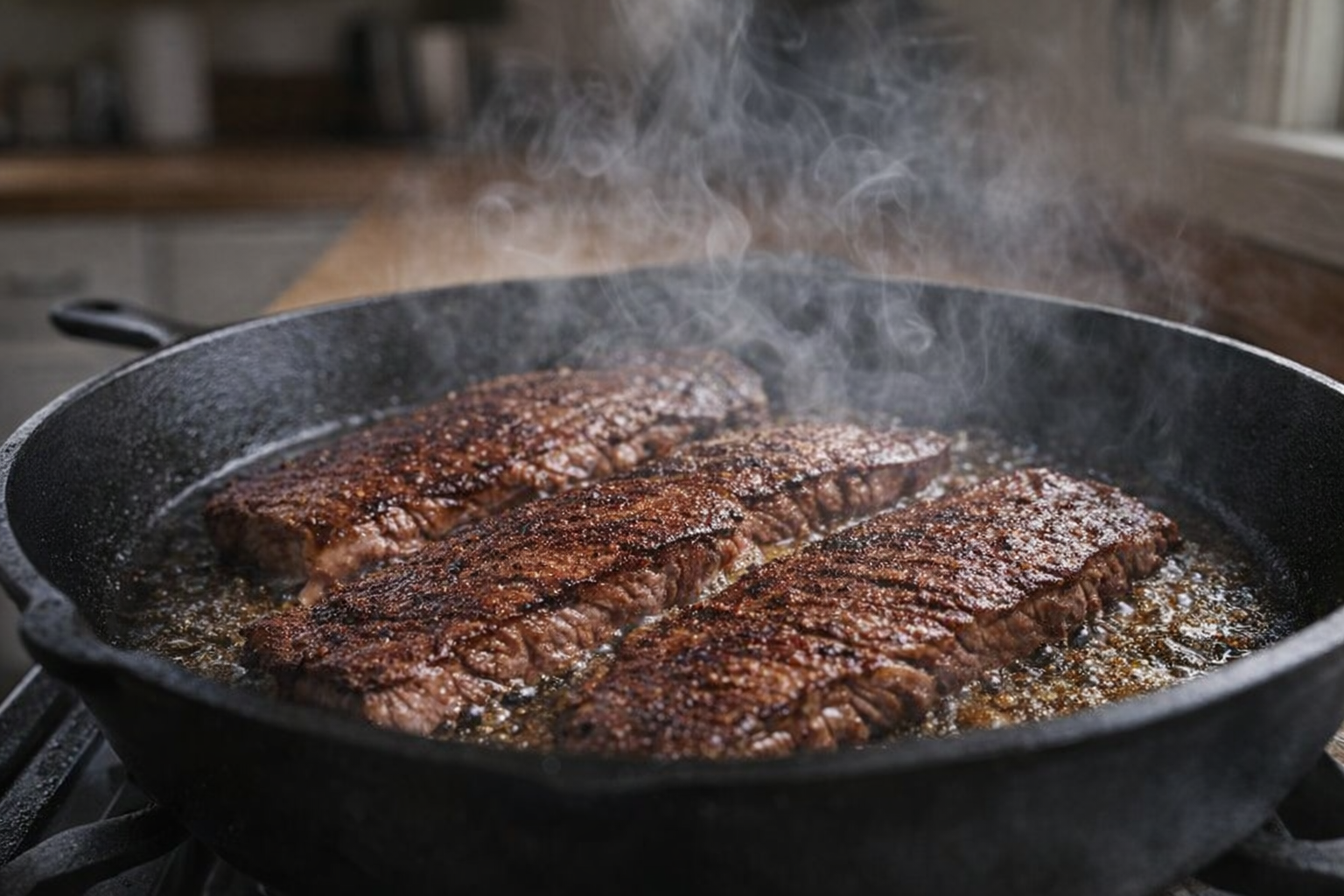
- Sear the Beef: Remove the beef from the marinade and pat it dry with paper towels. This is crucial for achieving a good sear. Discard the marinade. Carefully place the steak in the hot skillet. Sear for 3-5 minutes per side, depending on the thickness and desired doneness. You should hear a loud sizzle as soon as the steak hits the pan. Look for a rich, brown crust to form.
- Rest the Beef: Transfer the cooked beef to a cutting board and let it rest for 5-10 minutes. This allows the juices to redistribute, resulting in a more tender and flavorful steak.
- Sauté the Vegetables: Add the remaining 1 tablespoon of olive oil to the skillet. Add the sliced bell peppers and onion. Sauté for 5-7 minutes, stirring occasionally, until the vegetables are tender-crisp and slightly charred. You should smell the sweet aroma of the caramelizing vegetables.
- Slice the Beef: Thinly slice the rested beef steak against the grain. This is essential for ensuring tenderness.
- Warm the Tortillas: Warm the flour tortillas in a dry skillet over medium heat for about 30 seconds per side, or until pliable and slightly toasted.
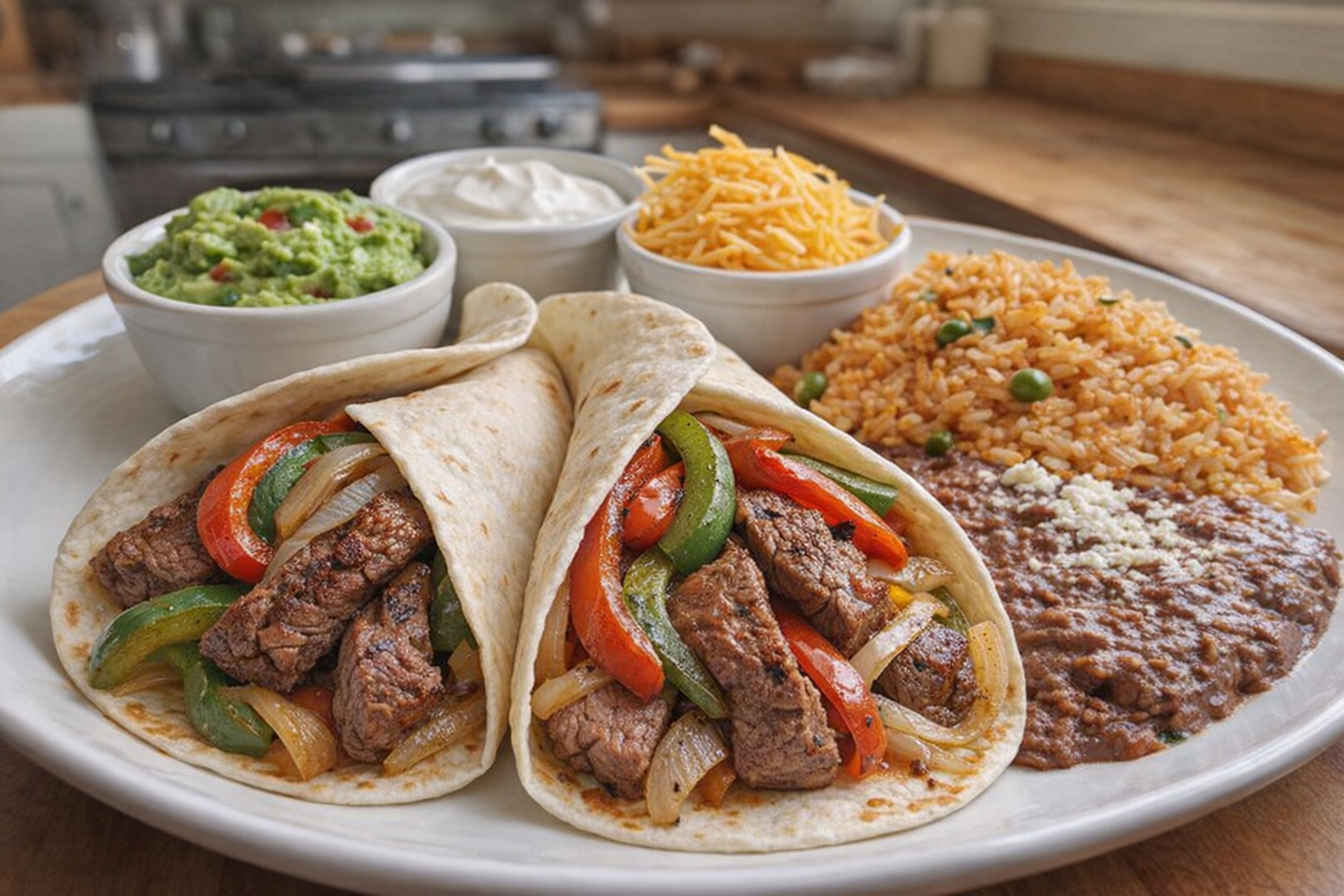
- Assemble and Serve: Place a few slices of beef on each warm tortilla. Top with a generous serving of sautéed bell peppers and onions. Add your favorite toppings, such as sour cream, guacamole, shredded cheese, salsa, and chopped cilantro. Serve immediately.
Cooking Time & Doneness Guide
- Medium-Rare: 130-135°F (54-57°C) - Approximately 3-4 minutes per side. The steak will be red in the center.
- Medium: 135-145°F (57-63°C) - Approximately 4-5 minutes per side. The steak will be pink in the center.
- Medium-Well: 145-155°F (63-68°C) - Approximately 5-6 minutes per side. The steak will have a slight hint of pink.
Visual Cues
- Touch Test: Press the center of the steak with your finger. Rare steak will feel very soft, medium-rare will have a slight spring, and well-done will feel firm.
- Color: Look for a rich, brown crust on the outside and the appropriate color on the inside based on your desired doneness.
Tips for Perfection
- Don't Overcrowd the Pan: Cook the steak in batches if necessary to avoid overcrowding the pan, which will lower the temperature and prevent a good sear.
- Pat the Steak Dry: Before searing, pat the steak dry with paper towels. This helps to remove excess moisture and ensures a better sear.
- Use High Heat: Make sure the skillet is very hot before adding the steak. This will help to create a good sear and prevent the steak from sticking.
- Slice Against the Grain: Always slice the steak against the grain to ensure maximum tenderness.
Storage & Reheating
- Storage: Store leftover steak and vegetables separately in airtight containers in the refrigerator for up to 3 days.
- Reheating: Reheat the steak in a skillet over medium heat or in the microwave at 50% power to avoid drying it out. Reheat the vegetables in a skillet over medium heat until warmed through.
- Tortillas: Store leftover tortillas in a sealed bag at room temperature. Reheat them in a dry skillet or microwave before serving.
Serving Suggestions
- Classic Fajitas: Serve the beef and vegetables in warm tortillas with your favorite toppings, such as sour cream, guacamole, salsa, and cheese.
- Fajita Bowls: Create a healthier option by serving the beef and vegetables over a bed of rice or quinoa, topped with your favorite toppings.
- Fajita Salad: Toss the beef and vegetables with mixed greens, avocado, and a lime vinaigrette for a refreshing and flavorful salad.
- Fajita Nachos: Load tortilla chips with the beef, vegetables, cheese, and your favorite nacho toppings.
💡 Pro Tips
- Slice the steak against the grain to ensure the meat is tender and easy to chew.
- Preheat your cast-iron skillet until it is smoking hot to achieve a deep, caramelized sear on the beef.
- Marinate the beef for at least 30 minutes to allow the acid and spices to penetrate the fibers and enhance the flavor.
- Cook the vegetables in the same pan after removing the steak to pick up all the savory browned bits left behind.
- Pat the marinated steak dry with paper towels before searing to prevent steaming and ensure a better crust.
Frequently Asked Questions
Absolutely! Feel free to add or substitute vegetables like zucchini, mushrooms, or even jalapenos for extra spice. Just be sure to slice them similarly in size to the peppers and onions for even cooking.
While a few hours is good, marinating the steak overnight in the refrigerator will yield the most flavorful and tender results. Be mindful not to marinate for much longer than 24 hours, as the acid in some marinades can start to break down the meat too much.
Wrap the tortillas in a clean kitchen towel and microwave them for about 30-60 seconds, or until warm. Alternatively, you can warm them in a dry skillet or directly over a gas flame for a few seconds per side, watching carefully to prevent burning.
Store leftover steak and vegetables separately in airtight containers in the refrigerator. They will typically last for 3-4 days. Reheat them in a skillet over medium heat or in the microwave until warmed through before serving.