 delishing
How to Cook Beef Stroganoff on the Stove: A Culinary Guide

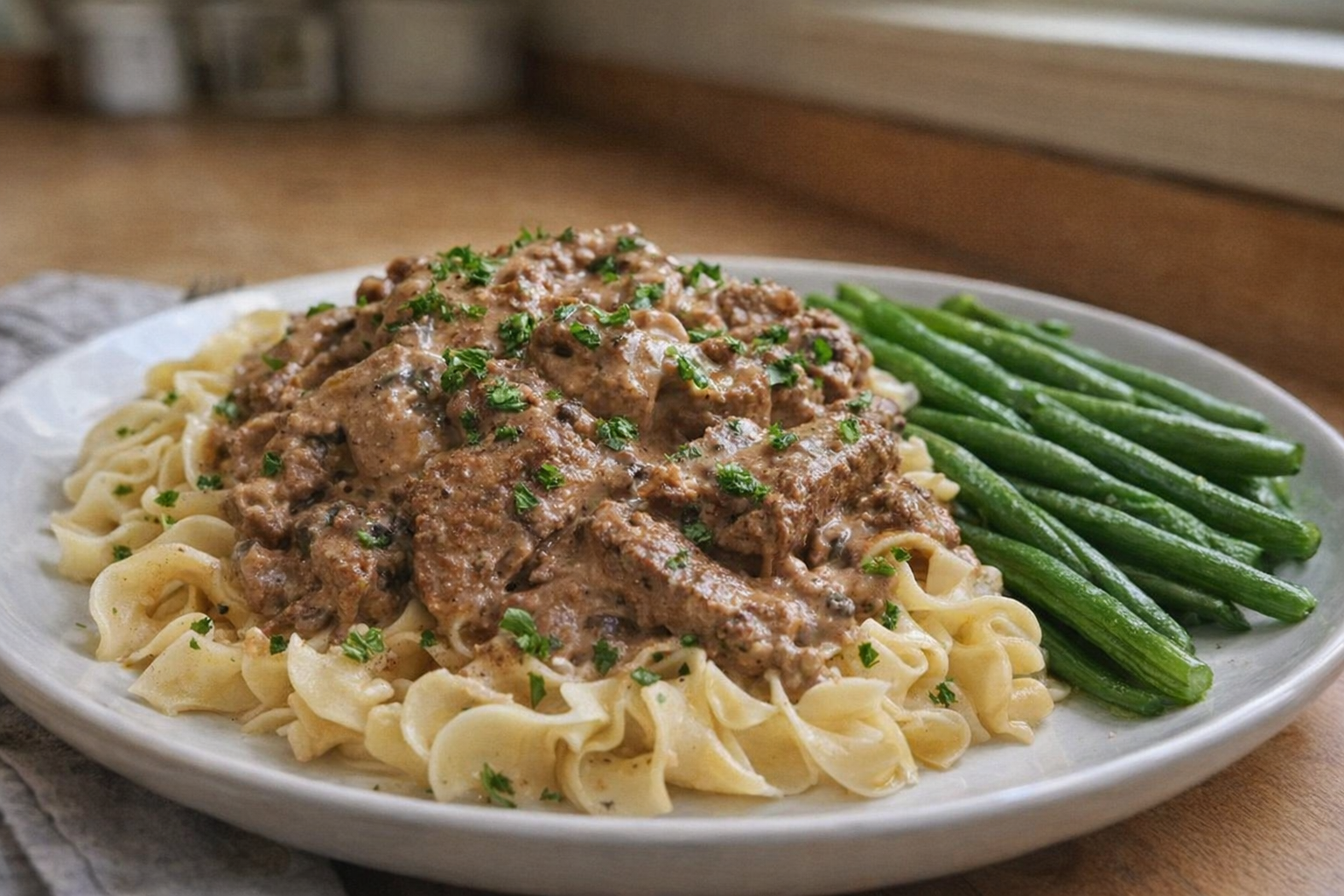
Beef Stroganoff, originating from 19th-century Russia, is a testament to culinary evolution. This dish marries tender strips of beef with a luxuriously creamy mushroom sauce, creating a deeply savory and comforting experience. Cooking it on the stove allows for precise control over the searing and sauce development, resulting in the best possible flavor.
The key to a great Beef Stroganoff lies in the careful layering of flavors. Searing the beef creates a rich base, while sautéing the onions and mushrooms builds aromatic depth. The addition of Dijon mustard provides a subtle tang that cuts through the richness of the sour cream, creating a balanced and harmonious dish.
Understanding Beef Cuts for Stroganoff
Selecting the right cut of beef is crucial for achieving a tender and flavorful Stroganoff. While traditionally made with beef tenderloin, other cuts can work well with proper preparation.
- Beef Tenderloin: The most tender and luxurious option. It cooks quickly and remains incredibly tender. However, it is also the most expensive.
- Sirloin: A good balance of flavor and tenderness. Sirloin requires a bit more attention to avoid overcooking, but it offers a more economical alternative.
- Ribeye: Offers a rich, beefy flavor due to its marbling. Ensure it's sliced thinly and cooked quickly to maintain tenderness.
Why Cook Beef Stroganoff This Way?
- Versatility: Beef Stroganoff is adaptable to various palates. You can adjust the richness of the sauce, the type of mushrooms used, and even incorporate vegetables like bell peppers for added flavor and nutrients.
- Flavor: The stovetop method allows for maximum flavor development. Searing the beef creates a rich fond (the browned bits at the bottom of the pan), which is then incorporated into the sauce, adding depth and complexity.
- Convenience: While it requires some attention, Beef Stroganoff can be made in about 30-45 minutes, making it a suitable option for a weeknight meal.
Preparation (Mise en Place)
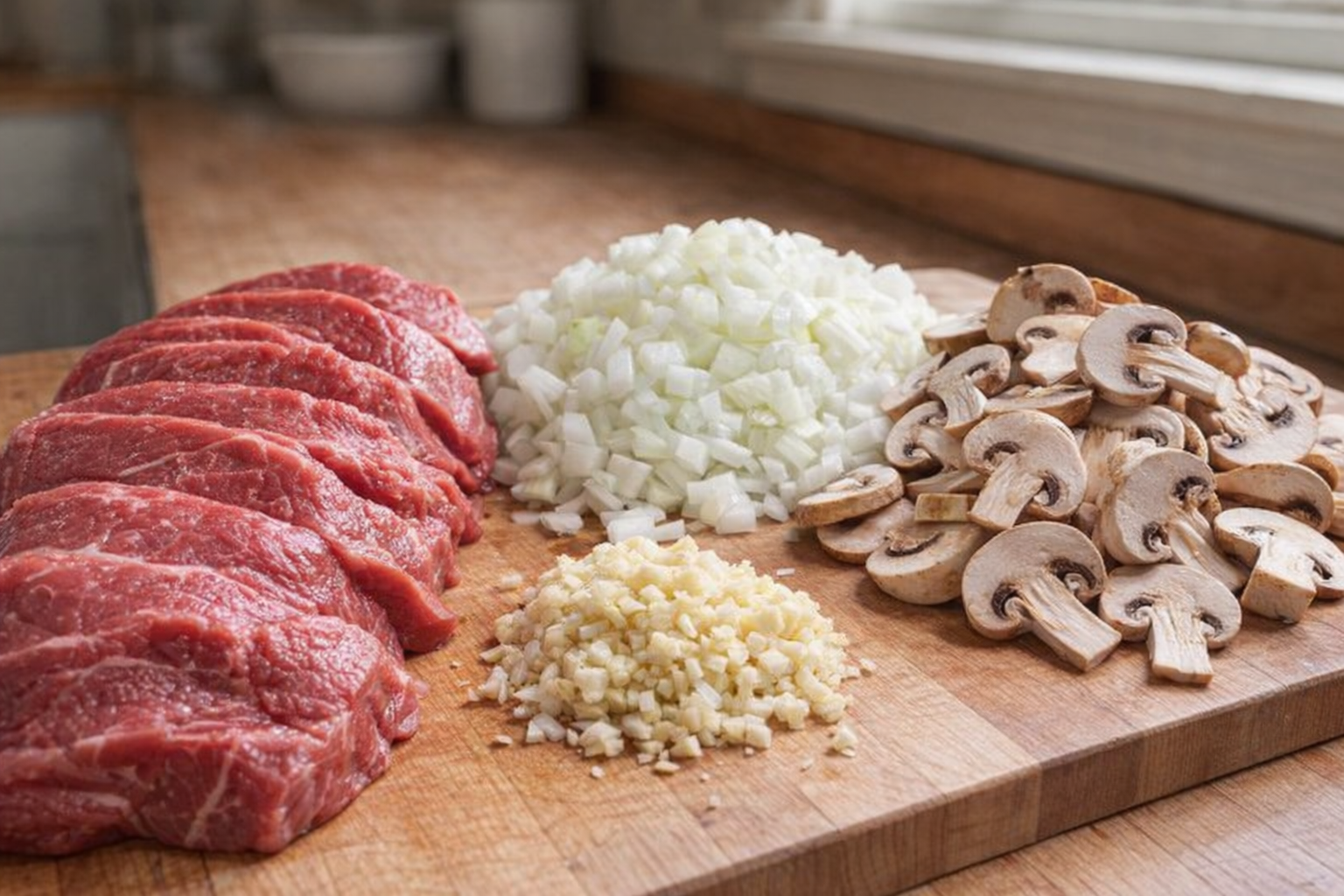
- Beef Preparation: If using frozen beef, thaw it completely in the refrigerator overnight. Pat the beef dry with paper towels. This is crucial for achieving a good sear. Slice the beef thinly against the grain into strips about 1/4 inch thick and 2-3 inches long. Season generously with salt and freshly ground black pepper.
- Vegetable Preparation: Finely chop one medium onion. Mince two cloves of garlic. Slice one pound of mushrooms. Cremini, button, or shiitake mushrooms all work well.
- Sauce Ingredients: Measure out one cup of beef broth. Have one tablespoon of Dijon mustard and one cup of sour cream ready. Chop fresh parsley for garnish.
Essential Tools
- Large Skillet or Dutch Oven: A heavy-bottomed skillet or Dutch oven is essential for even heat distribution and proper searing. Cast iron is ideal, but a stainless steel skillet will also work.
- Cutting Board and Sharp Knife: A sturdy cutting board and a sharp knife are crucial for safely and efficiently slicing the beef and vegetables.
- Measuring Cups and Spoons: Accurate measurements are important for achieving the right balance of flavors in the sauce.
The Cooking Method
Here’s a breakdown of how to make a classic Beef Stroganoff on the stove:
Classic Beef Stroganoff
Ingredients:
- 1 pound beef tenderloin or sirloin, thinly sliced into strips
- 1 tablespoon vegetable oil
- 2 tablespoons butter
- 1 medium onion, finely chopped
- 2 cloves garlic, minced
- 1 pound mushrooms, sliced
- 1 tablespoon flour
- 1 cup beef broth
- 1 tablespoon Dijon mustard
- 1 cup sour cream
- Salt and pepper to taste
- Fresh parsley, chopped (for garnish)
- Egg noodles or rice, cooked (for serving)
- Sear the Beef: Heat the vegetable oil in a large skillet over medium-high heat until shimmering. Add the beef strips in a single layer, being careful not to overcrowd the pan. Sear the beef for 2-3 minutes per side, until browned and slightly crispy. You should hear a satisfying sizzle as the beef hits the hot pan. Remove the beef from the skillet and set aside. Don’t wash the pan!
- Sauté the Aromatics: In the same skillet, melt the butter over medium heat. Add the chopped onion and cook until translucent and softened, about 5 minutes. The aroma of the softening onions will fill the kitchen. Add the minced garlic and cook for another minute until fragrant.
- Cook the Mushrooms: Add the sliced mushrooms to the skillet and cook until tender and browned, approximately 8-10 minutes. Stir occasionally, scraping up any browned bits from the bottom of the pan. The mushrooms will release their moisture and then reabsorb it, becoming richly flavored.
- Create the Sauce: Sprinkle the flour over the mushroom mixture and stir well to combine. Cook for one minute to toast the flour, removing any raw flour taste. Gradually pour in the beef broth, stirring constantly to prevent lumps from forming. Bring the mixture to a simmer and cook until the sauce thickens, about 5 minutes. The sauce should coat the back of a spoon.
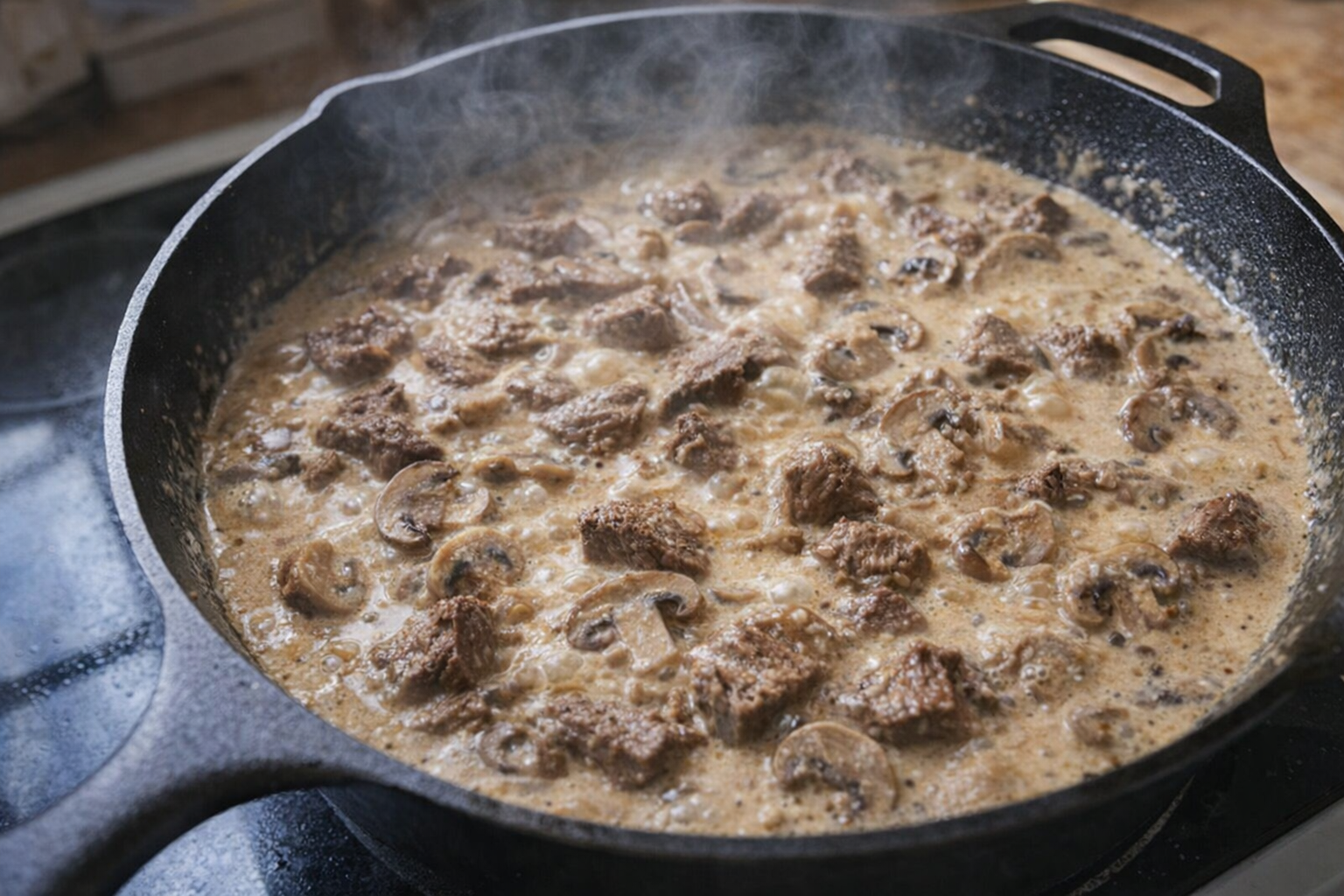
- Incorporate the Beef and Finish: Return the beef strips to the skillet, along with any accumulated juices. Stir in the Dijon mustard and sour cream, mixing until the sauce is smooth and creamy. Cook for an additional 2-3 minutes, allowing the flavors to meld together. Be careful not to boil the sauce after adding the sour cream, as it can curdle.
- Serve: Season with additional salt and pepper to taste. Serve the Beef Stroganoff over cooked egg noodles or rice, garnished with freshly chopped parsley.
Cooking Time & Doneness Guide
- Beef: The beef should be seared quickly to achieve a good crust while remaining tender inside. Overcooked beef will be tough.
- Sauce: The sauce should be thick enough to coat the back of a spoon but not so thick that it becomes gloppy. If it's too thick, add a splash of beef broth or cream to thin it out.
Visual Cues
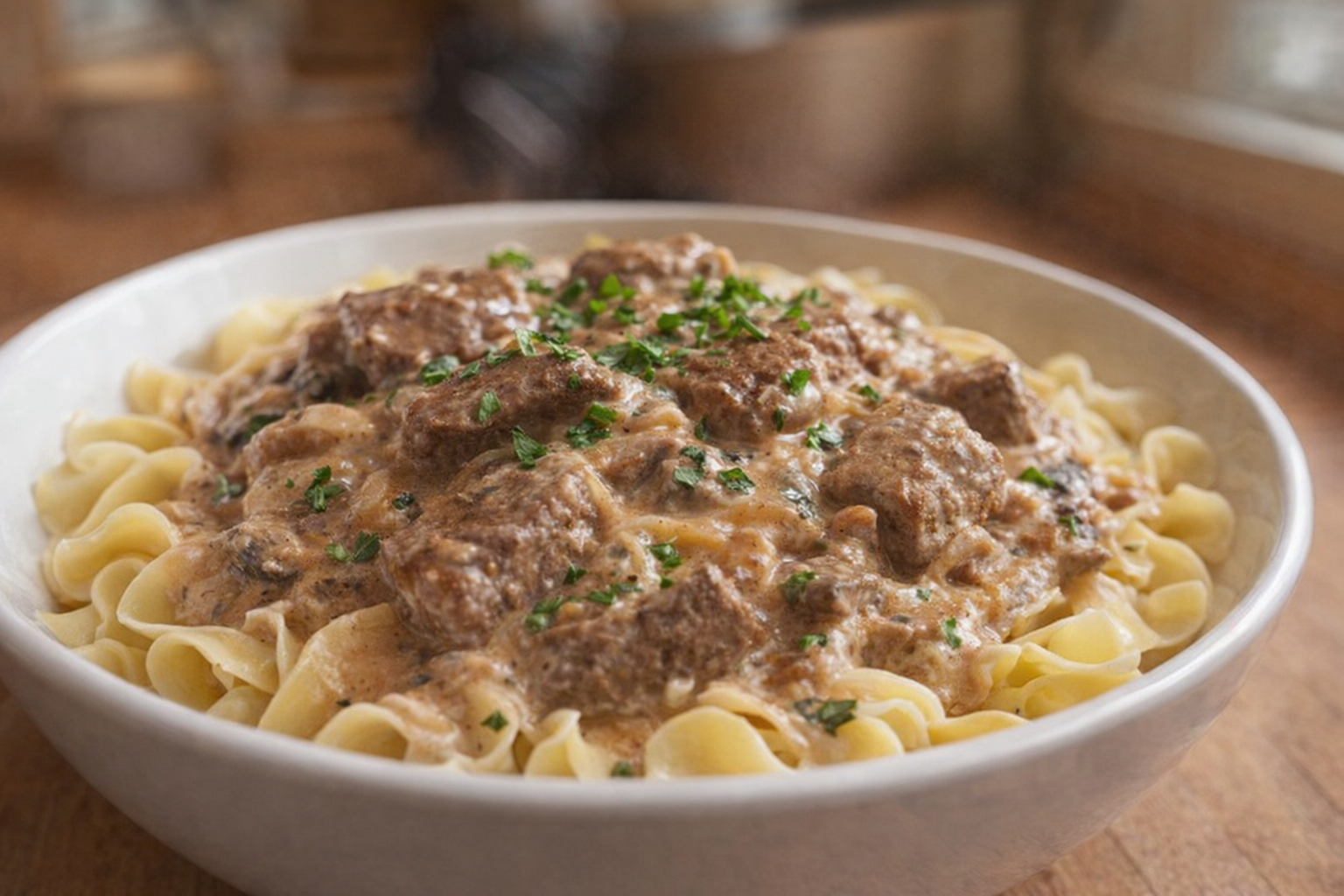
The beef should be browned on all sides. The onions and mushrooms should be tender and caramelized. The sauce should be smooth, creamy, and a light brown color.
Tips for Perfection
- Don't Overcrowd the Pan: Sear the beef in batches to avoid overcrowding the pan. Overcrowding will lower the temperature of the pan and prevent the beef from browning properly.
- Use Full-Fat Sour Cream: Full-fat sour cream will provide the richest and creamiest sauce. Lower-fat versions may curdle when heated.
- Adjust the Seasoning: Taste the sauce throughout the cooking process and adjust the seasoning as needed. Salt, pepper, and Dijon mustard can all be adjusted to your liking.
- Warm the Sour Cream: Let the sour cream sit at room temperature for about 15 minutes before adding it to the sauce. This will help prevent it from curdling.
Storage & Reheating
- Storage: Store leftover Beef Stroganoff in an airtight container in the refrigerator for up to 3 days.
- Reheating: Reheat the Beef Stroganoff gently over low heat on the stovetop, stirring occasionally. Avoid boiling, as this can cause the sauce to separate. You can also reheat it in the microwave, but be careful not to overheat it.
Serving Suggestions
- Over Egg Noodles: The classic way to serve Beef Stroganoff is over cooked egg noodles.
- With Rice: Serve it over white rice, brown rice, or wild rice for a gluten-free option.
- On Toast Points: Serve Beef Stroganoff over toasted baguette slices as an appetizer or light meal.
- With Mashed Potatoes: Spoon Beef Stroganoff over creamy mashed potatoes for a comforting and satisfying meal.
💡 Pro Tips
- Pat the beef dry thoroughly before searing. This helps achieve a beautiful crust and prevents the beef from steaming instead of browning.
- Don't skip the step of scraping up the browned bits (fond) from the bottom of the pan after searing the beef. These bits are packed with flavor and will add depth to your sauce.
- Taste and adjust the seasoning as you go. Salt, pepper, and Dijon mustard can all be adjusted to your preference.
- Be gentle when stirring in the sour cream to avoid curdling. Use low heat and stir gently until just combined.
- For an extra layer of flavor, consider adding a splash of dry sherry or white wine to the skillet after cooking the mushrooms.
Frequently Asked Questions
Absolutely! While this recipe suggests cremini, button, or shiitake mushrooms, you can experiment with other varieties like oyster mushrooms or even dried porcini for a more intense flavor. If using dried porcini, rehydrate them in hot water before adding them to the skillet and be sure to reserve the soaking liquid to add to the sauce for an extra layer of umami.
Yes, you can prepare Beef Stroganoff ahead of time, but be mindful that the sour cream sauce can sometimes thin out slightly upon reheating. To minimize this, cook the beef and mushroom mixture separately and combine with the sour cream just before serving. When reheating, do so gently over low heat, stirring frequently to prevent curdling.
The key to preventing sour cream from curdling is to avoid boiling it. Add the sour cream at the very end of the cooking process and heat gently over low heat, just until warmed through. You can also temper the sour cream by whisking in a spoonful or two of the warm sauce before adding it to the entire skillet.
Yes, you can substitute beef broth with chicken broth or vegetable broth if you don't have beef broth on hand. However, using beef broth will provide a richer and more authentic flavor. You can also use beef bouillon cubes or paste dissolved in water as a substitute. Be sure to adjust the seasoning accordingly, as bouillon can be quite salty.