 delishing
How to Cook Carrots on the Stove: A Comprehensive Guide

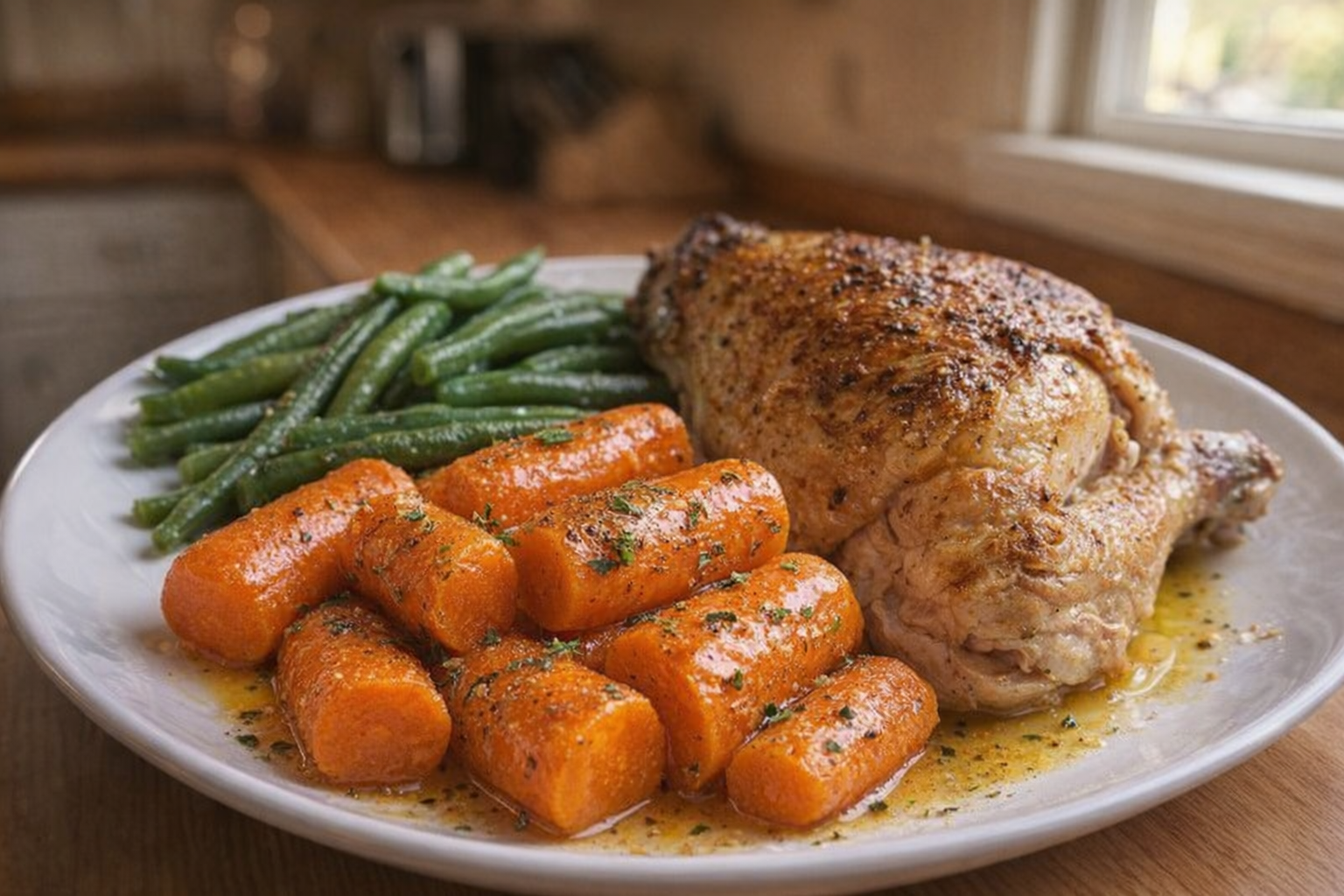
Introduction: Boiled carrots offer a delicate sweetness that's enhanced by simple seasoning. This method, though seemingly basic, allows the natural sugars in the carrots to shine through while creating a tender texture. Mastering this technique unlocks countless possibilities, from simple side dishes to flavorful additions to more complex recipes.
The key to perfect boiled carrots lies in understanding the nuances of cooking time and paying attention to the carrots' transformation as they cook. Whether you're aiming for a crisp-tender bite or a melt-in-your-mouth softness, this guide will equip you with the knowledge to achieve your desired result every time.
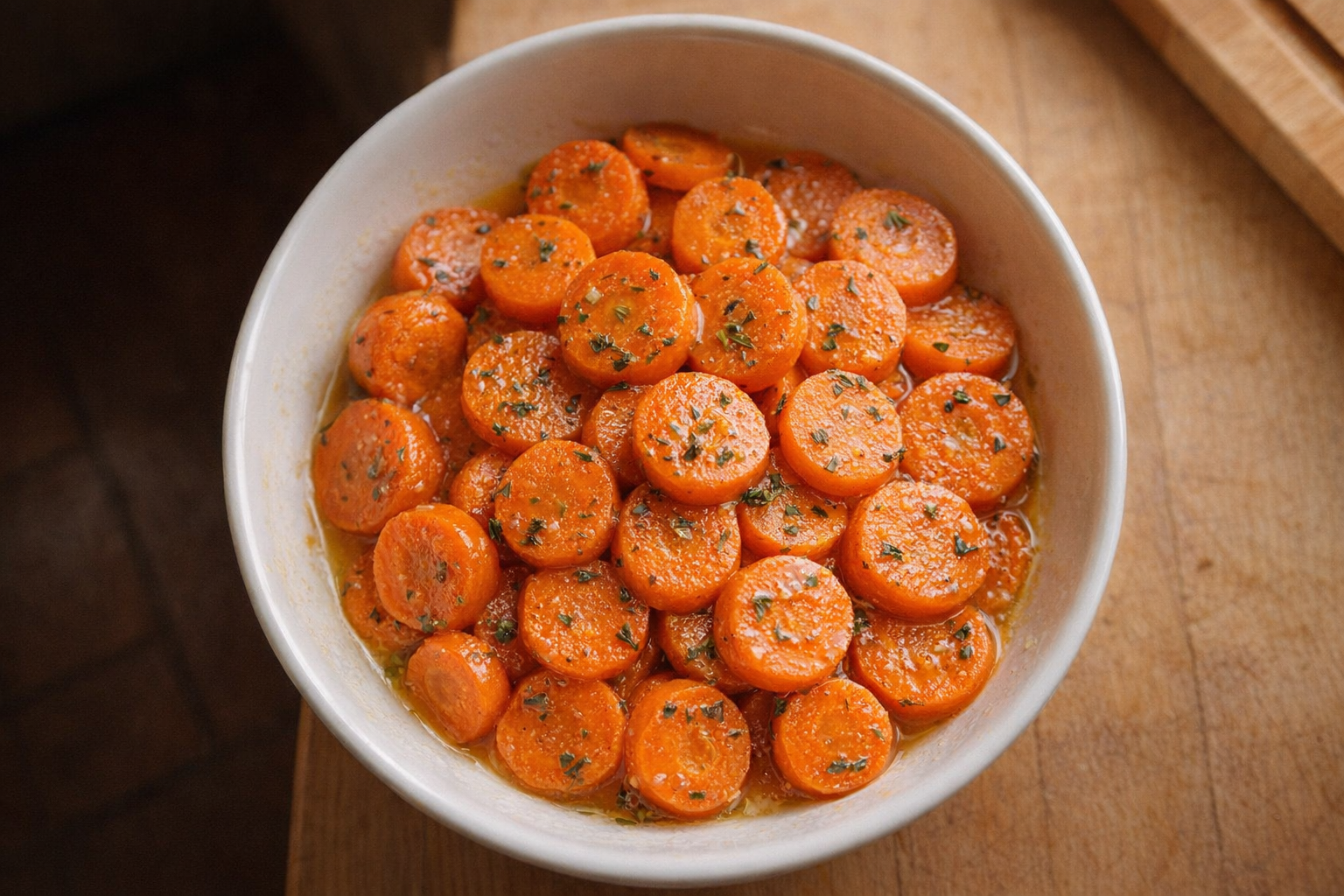
Understanding Carrots: When selecting carrots for boiling, look for firm, smooth roots with a vibrant orange color. Avoid carrots that are cracked, wilted, or have excessive blemishes. While pre-packaged baby carrots are convenient, they often lack the depth of flavor found in full-sized carrots.
Consider buying bunches of carrots with the green tops still attached. These tend to be fresher and more flavorful. Types such as Nantes, Imperator, and Danvers all work well. For a colorful presentation, explore rainbow carrots, which offer a mix of purple, yellow, and white varieties.
Why Cook Carrots This Way?
- Versatility: Boiled carrots can be served as a simple side dish, added to salads, or used as a base for purees and soups.
- Flavor: Boiling allows the natural sweetness of carrots to develop without overpowering it.
- Convenience: It's a quick and easy cooking method, perfect for busy weeknights.
- Wash the carrots thoroughly under cold running water to remove any dirt or debris.
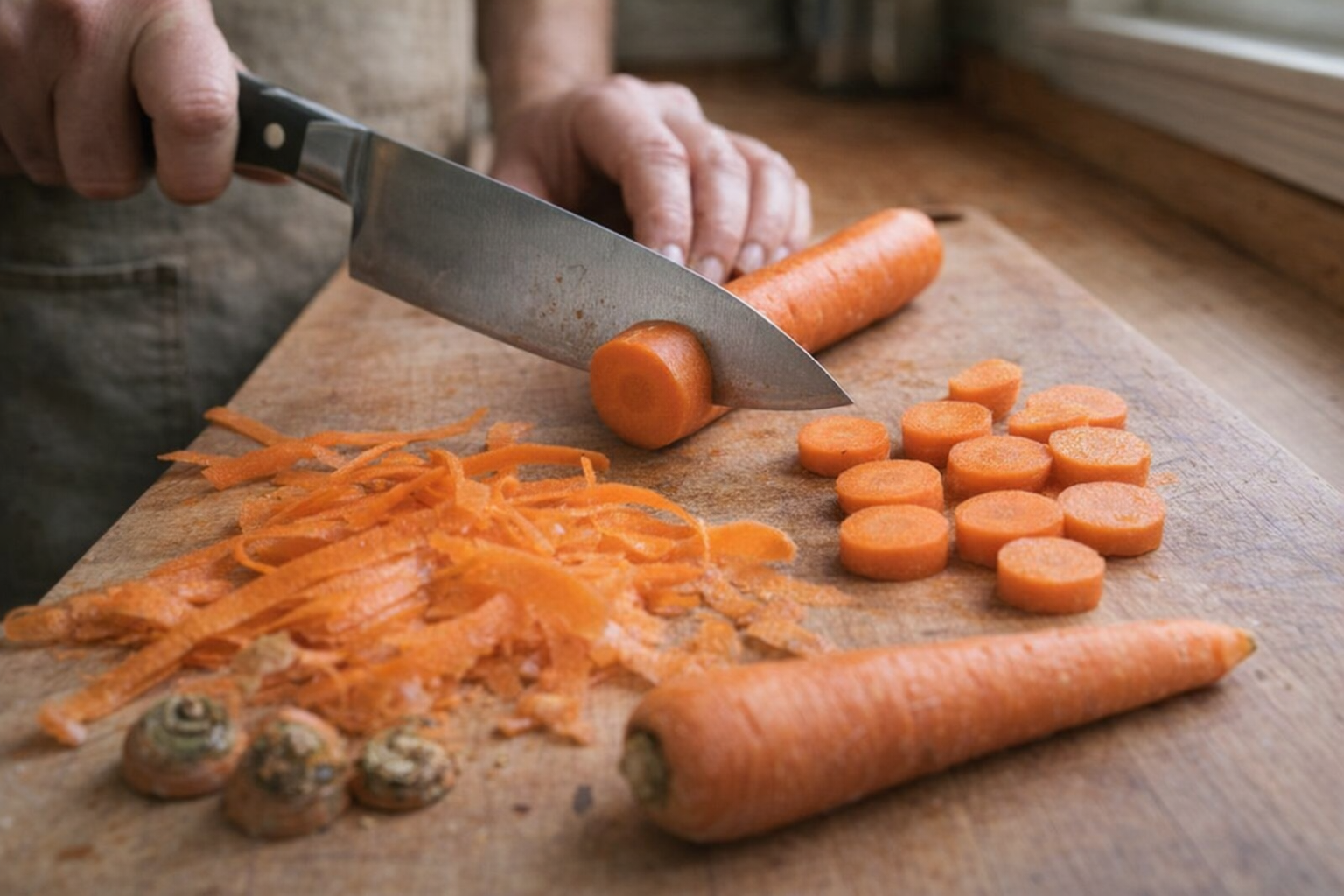
- Peel the carrots using a vegetable peeler, removing the outer skin. While not always necessary, peeling ensures a smoother texture and removes any potential bitterness.
- Trim the ends of the carrots and discard the tops (unless you plan to use them for stock or garnish).
- Slice the carrots into uniform pieces, about 1/4-inch thick. Consistent sizing ensures even cooking. A diagonal (bias) cut adds visual appeal and increases surface area for faster cooking.
Essential Tools
- Large Stockpot: A 4-6 quart stockpot is ideal for holding the carrots and enough water to cover them completely. Stainless steel or enamel-coated pots distribute heat evenly.
- Vegetable Peeler: For removing the outer skin of the carrots.
- Chef's Knife & Cutting Board: For trimming and slicing the carrots.
- Colander: For draining the boiled carrots safely and efficiently.
The Cooking Method(s): Instruction: The core of the recipe is one method, but we are expanding it with detailed sensory cues at each step to create a truly educational culinary guide.
Boiling Carrots for Perfect Tenderness
Ingredients:
- 1 pound (450g) Carrots, peeled and sliced
- 4 cups (950ml) Water
- 1/2 teaspoon (3g) Salt
- 1 tablespoon (15ml) Butter or Olive Oil
- 1.5 tablespoons (10g) Chopped Fresh Chives or other herbs
- 1/2 teaspoon (2.5ml) Maple Syrup (optional)
- Fill a saucepan with water and bring it to a rolling boil over high heat. The water should be enough to fully submerge the carrots. As the water heats, you'll see tiny bubbles clinging to the bottom of the pan, gradually increasing in size until they surge upwards, releasing a gentle hiss.
- Add salt to the boiling water. The salt not only seasons the carrots but also helps to enhance their natural sweetness as they cook. The water should now have a subtly salty aroma.
- Carefully add the sliced carrots to the boiling water. The water will momentarily stop boiling, so wait for it to return to a rolling boil before proceeding.
- Reduce the heat to medium and allow the carrots to boil for 4 to 5 minutes, or until they reach your desired level of tenderness. You should be able to pierce them easily with a fork, but they should still retain a slight resistance. The kitchen will now fill with the gentle, earthy aroma of cooking carrots.
- Drain the carrots immediately in a colander to stop the cooking process. The steam will rise as you drain the water, carrying with it the sweet fragrance of the carrots.
- Transfer the hot, drained carrots to a serving bowl. The carrots will appear a vibrant orange color, glistening with moisture.
- Add the butter or olive oil, chopped chives, and salt to the hot carrots. The heat from the carrots will melt the butter, coating them evenly.
- Gently toss the carrots to ensure they are evenly coated with the butter and herbs. The aroma of the chives will mingle with the sweet scent of the carrots.
- Taste a carrot and adjust the seasoning as needed. Add more salt, pepper, or a drizzle of maple syrup if desired. The carrots should taste balanced, with a pleasing combination of sweetness and savory notes.
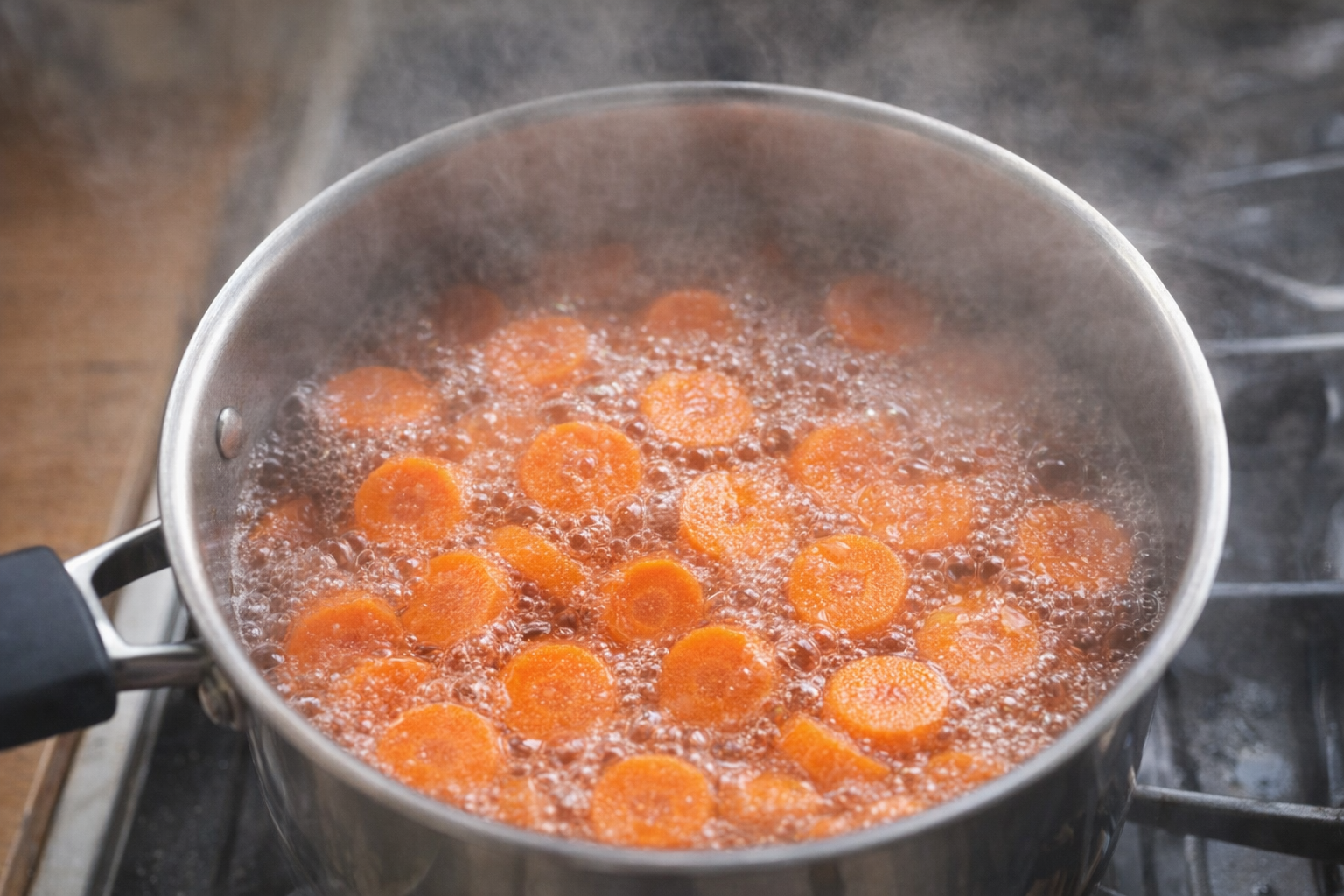
Cooking Time & Doneness Guide
- 4-5 minutes for crisp-tender carrots.
- 6-7 minutes for softer carrots.
- Internal Temperature: Not applicable for boiled carrots, rely on texture.
Visual Cues
- Color: Carrots will become a brighter shade of orange as they cook.
- Texture: Use a fork to test for doneness. It should pierce the carrot easily with slight resistance for crisp-tender, or with no resistance for softer carrots.
Tips for Perfection
- Don't overcrowd the pot. Overcrowding lowers the water temperature and can result in unevenly cooked carrots. Cook in batches if necessary.
- Use uniform slices. Consistent slicing ensures even cooking.
- Avoid overcooking. Overcooked carrots become mushy and lose their flavor.
Storage & Reheating
Store leftover boiled carrots in an airtight container in the refrigerator for up to 3-4 days. To reheat, microwave them for 1-2 minutes, or sauté them in a pan with a little butter or oil until heated through. Be mindful that reheating may soften the texture further.
Serving Suggestions
- Serve as a simple side dish with roasted chicken or fish.
- Add to salads for a touch of sweetness and color.
- Mash or puree for a creamy side dish or baby food.
- Glaze with honey or maple syrup for a sweeter option.
Frequently Asked Questions
The key to avoiding mushy carrots is to monitor the cooking time closely. Start checking for doneness around 20 minutes by piercing a carrot slice with a fork; it should be tender but still slightly firm. Immediately drain the carrots once they reach your desired tenderness to prevent overcooking.
Yes, using vegetable broth is a great way to add extra flavor to your boiled carrots. The broth will infuse the carrots with a subtle savory taste, creating a more complex and delicious side dish. Just be mindful of the salt content in the broth and adjust seasoning accordingly.
Leftover boiled carrots can be stored in an airtight container in the refrigerator for up to 3-4 days. Ensure the carrots have cooled completely before refrigerating them to prevent condensation and maintain their quality. Reheat gently in a pan or microwave before serving.
While a vegetable peeler is convenient, you can also use a paring knife to carefully remove the outer layer of the carrots. Alternatively, if you prefer a more rustic texture, you can skip peeling altogether, just be sure to scrub the carrots thoroughly to remove any dirt or debris.