 delishing
How to Cook Chow Mein on the Stove

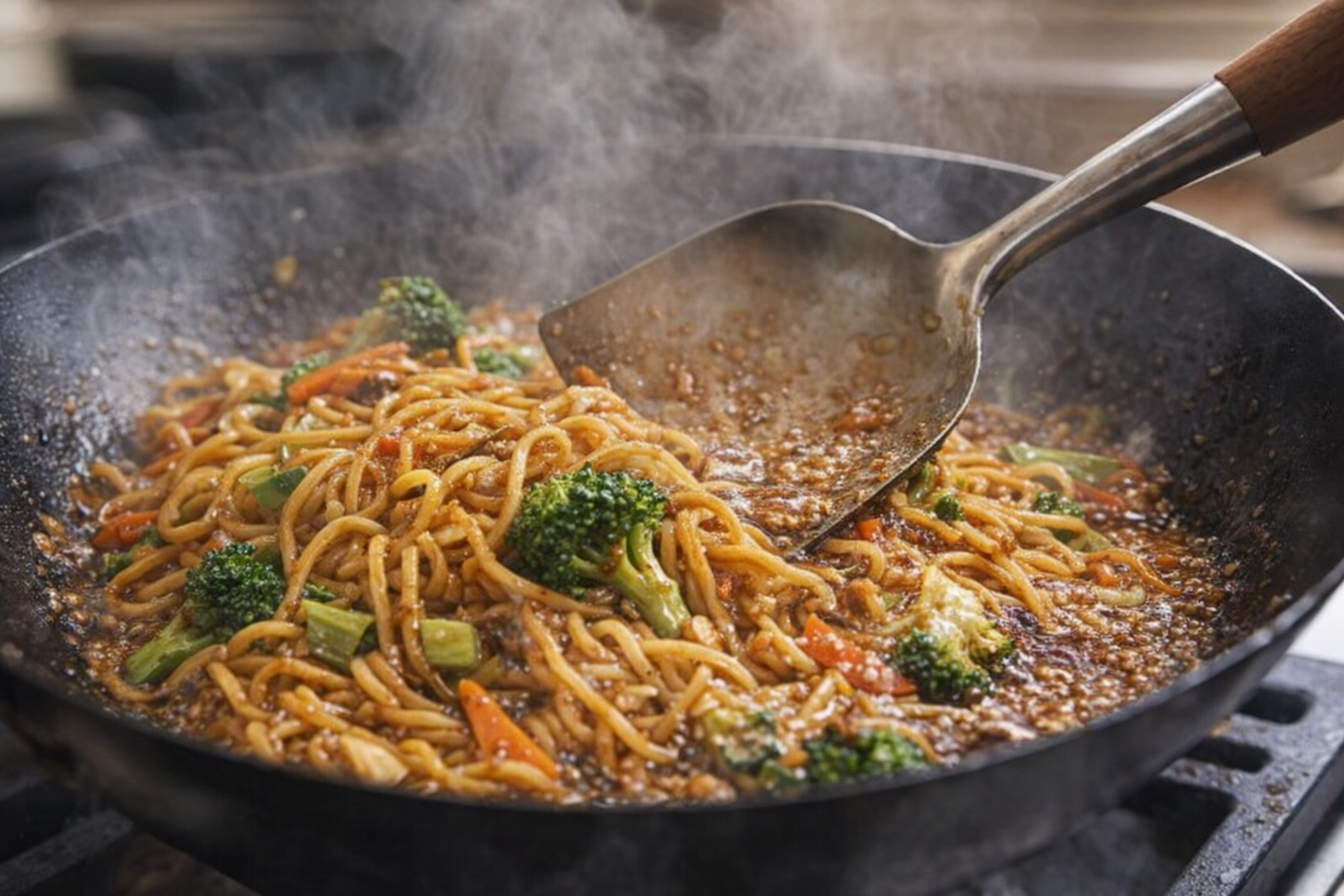
Chow Mein, meaning "stir-fried noodles," is a cornerstone of Chinese-American cuisine. This dish expertly blends the satisfying chew of noodles with a medley of crisp-tender vegetables and your choice of protein, all coated in a savory, umami-rich sauce. Cooking Chow Mein at home allows you to control the ingredients, tailoring the dish to your preferences and dietary needs, resulting in a fresher, more vibrant meal.
This method focuses on mastering the wok technique on a standard stovetop. We'll guide you through each step, from prepping the ingredients to achieving the perfect stir-fry, ensuring that your homemade Chow Mein rivals your favorite takeout version. The key is high heat and efficient organization, so get ready to unlock the secrets to restaurant-quality Chow Mein in your own kitchen.
Understanding Chow Mein Noodles
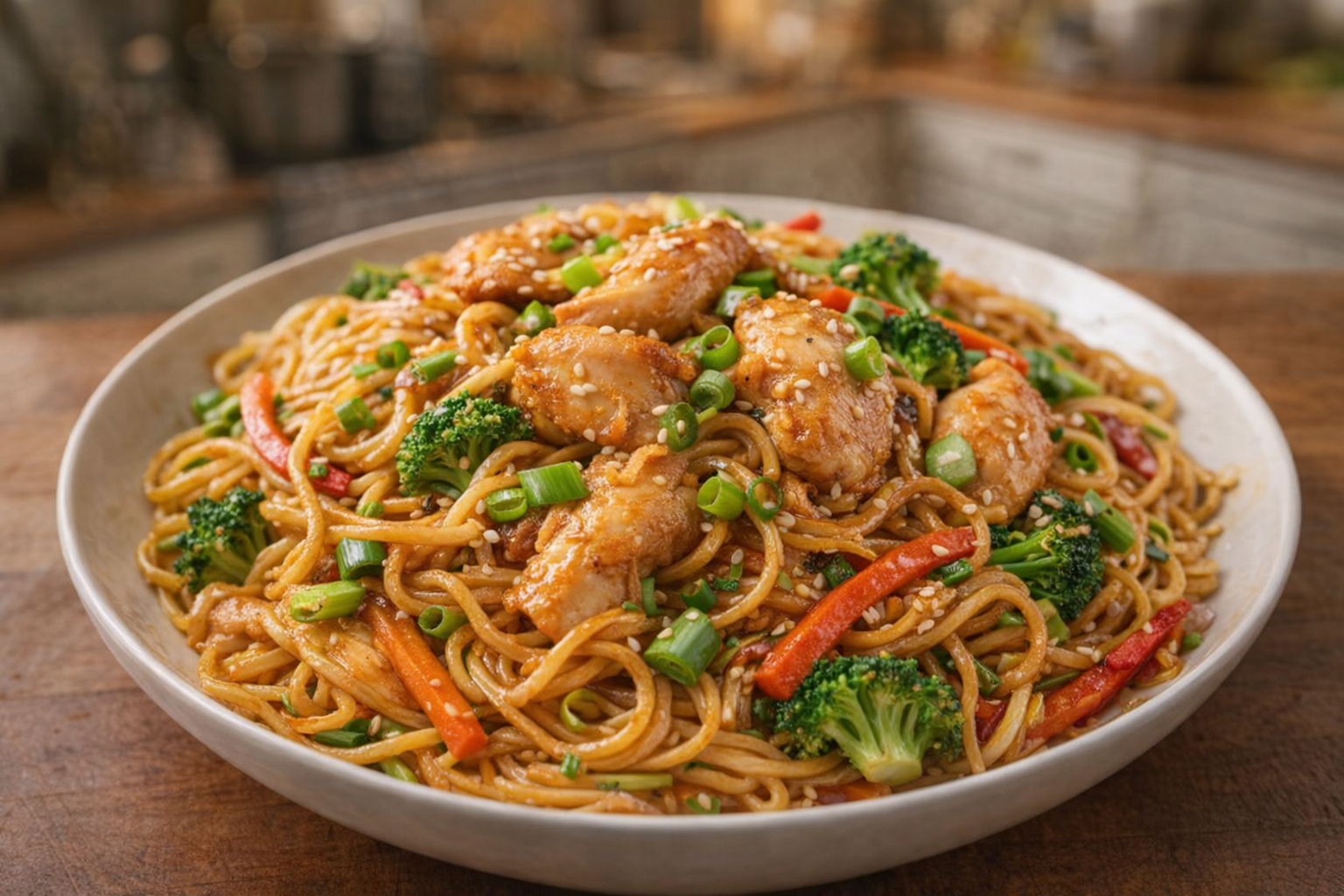
The foundation of great Chow Mein is the noodle. While various types exist, fresh or dried egg noodles are the traditional choice, offering a satisfyingly chewy texture that stands up well to stir-frying. Look for noodles labeled "Chow Mein noodles" or "Hong Kong-style noodles" in Asian markets or the international aisle of your local supermarket.
- Fresh Egg Noodles: These have a slightly softer texture and often require a shorter cooking time. Check the package instructions carefully to avoid overcooking.
- Dried Egg Noodles: A more readily available option, dried noodles need to be boiled before stir-frying. Follow package directions for al dente cooking.
- Alternatives: For gluten-free diets, consider using rice noodles. Ensure they are wide and flat for optimal texture.
Why Cook Chow Mein This Way?
- Versatility: Easily adaptable to different proteins (chicken, beef, shrimp, tofu) and vegetables, catering to various tastes and dietary restrictions.
- Flavor: The high-heat stir-frying method imparts a desirable wok hei (smoky flavor) and ensures vegetables remain crisp-tender.
- Convenience: A quick and satisfying meal that can be prepared in under 30 minutes with proper mise en place.
Preparation (Mise en Place)
Before firing up the wok, meticulous preparation is essential. This ensures a smooth and efficient cooking process.
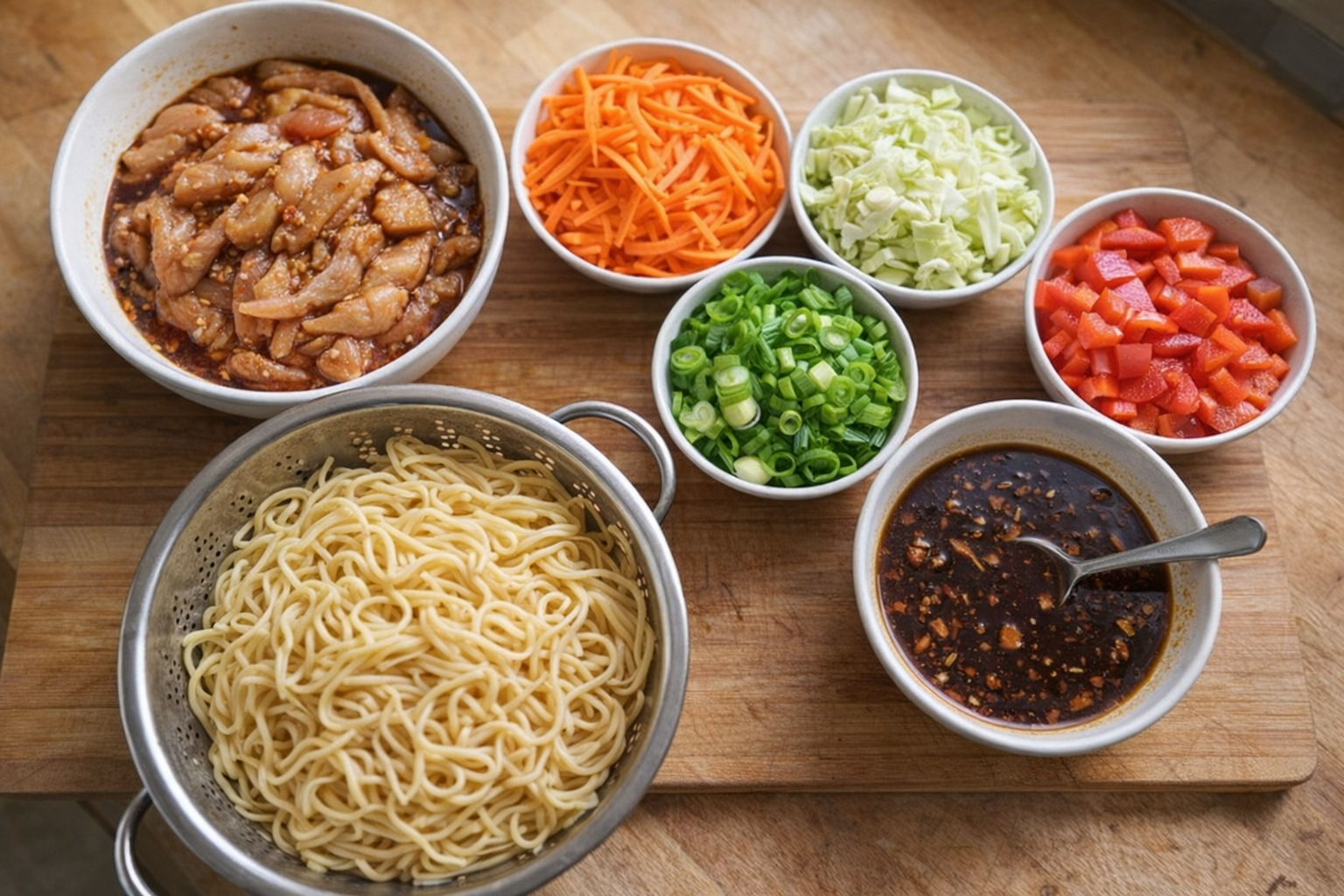
- Noodles: Cook noodles according to package directions until al dente. Rinse under cold water to stop cooking and prevent sticking. Drain thoroughly.
- Protein: Slice your chosen protein (chicken, beef, shrimp, or tofu) into thin, uniform strips or cubes. Marinate for at least 15 minutes in a mixture of soy sauce, cornstarch, and a touch of oil. This tenderizes the protein and adds flavor.
- Vegetables: Wash and chop all vegetables into bite-sized pieces. Uniformity is key for even cooking.
- Sauce: In a bowl, whisk together soy sauce, oyster sauce, sesame oil, hoisin sauce, sugar, white pepper, and cornstarch slurry (cornstarch mixed with water). The cornstarch will thicken the sauce during cooking.
Essential Tools
- Wok or Large Skillet: A wok's curved bottom allows for efficient heat distribution and tossing. A large, heavy-bottomed skillet can be used as a substitute.
- Wok Spatula or Tongs: For tossing and stirring ingredients. Tongs offer excellent control.
- Cutting Board and Knife: For vegetable and protein preparation.
- Bowls: For holding prepped ingredients.
The Cooking Method(s)
This recipe focuses on one core method, but provides details and tips within to help you adapt and perfect it.
Stir-Frying Chow Mein
Ingredients:
- 1 pound Chow Mein noodles, cooked and drained
- 1 pound protein (chicken, beef, shrimp, or tofu), thinly sliced and marinated
- 1 tablespoon vegetable oil
- 2 cloves garlic, minced
- 1 inch ginger, minced
- 1 cup shredded cabbage
- 1 cup sliced carrots
- 1/2 cup sliced bell peppers (any color)
- 1/2 cup bean sprouts
- 1/4 cup sliced green onions
- 1/4 cup Chow Mein sauce (recipe above)
- Sesame oil for drizzling (optional)
- Heat the Wok: Place a wok or large skillet over high heat until smoking hot. The pan should be screaming hot before adding any oil.
- Add Oil and Aromatics: Add the vegetable oil to the hot wok. Immediately add the minced garlic and ginger. Stir-fry for a few seconds until fragrant, being careful not to burn them. The aroma should fill your kitchen.
- Cook the Protein: Add the marinated protein to the wok in a single layer. Stir-fry until browned and cooked through. Remove the protein from the wok and set aside. The protein should have a slight sear.
- Stir-Fry the Vegetables: Add a bit more oil to the wok if needed. Add the cabbage, carrots, and bell peppers. Stir-fry for a few minutes until slightly softened but still crisp-tender. Listen for the sizzle as the vegetables hit the hot surface.
- Combine Ingredients: Return the cooked protein to the wok with the vegetables. Add the cooked noodles and bean sprouts.
- Add Sauce and Toss: Pour the Chow Mein sauce over the mixture. Use tongs or a wok spatula to toss everything together until the noodles and vegetables are evenly coated with the sauce. Continue to stir-fry until the sauce has thickened and everything is heated through.
- Garnish and Serve: Remove from heat and garnish with sliced green onions. Drizzle with sesame oil (optional) for added aroma. Serve immediately.
Cooking Time & Doneness Guide
- Cooking Time: The entire cooking process should take approximately 15-20 minutes.
- Protein: Cook protein until it reaches an internal temperature of 165°F (74°C) for chicken and beef, or until shrimp turns pink and opaque.
- Vegetables: Vegetables should be crisp-tender, retaining some of their crunch.
- Sauce: The sauce should thicken and cling to the noodles and vegetables.
Visual Cues
The noodles should be evenly coated in the sauce, and the vegetables should have a slight sheen. The dish should be steaming hot.
Tips for Perfection
- Don't Overcrowd the Pan: Cook protein and vegetables in batches to avoid overcrowding the wok, which lowers the temperature and results in steaming instead of stir-frying.
- High Heat is Key: Maintain high heat throughout the cooking process to achieve the signature wok hei.
- Prep Everything Beforehand: Mise en place is crucial for a smooth and efficient stir-fry.
- Taste and Adjust: Taste the finished Chow Mein and adjust seasoning (soy sauce, sugar, pepper) as needed.
Storage & Reheating
- Storage: Store leftover Chow Mein in an airtight container in the refrigerator for up to 3 days.
- Reheating: Reheat in a skillet over medium heat, adding a splash of water or broth to prevent sticking. You can also microwave it, but the texture may become slightly softer.
Serving Suggestions
- As a Main Course: Serve Chow Mein as a satisfying and complete meal on its own.
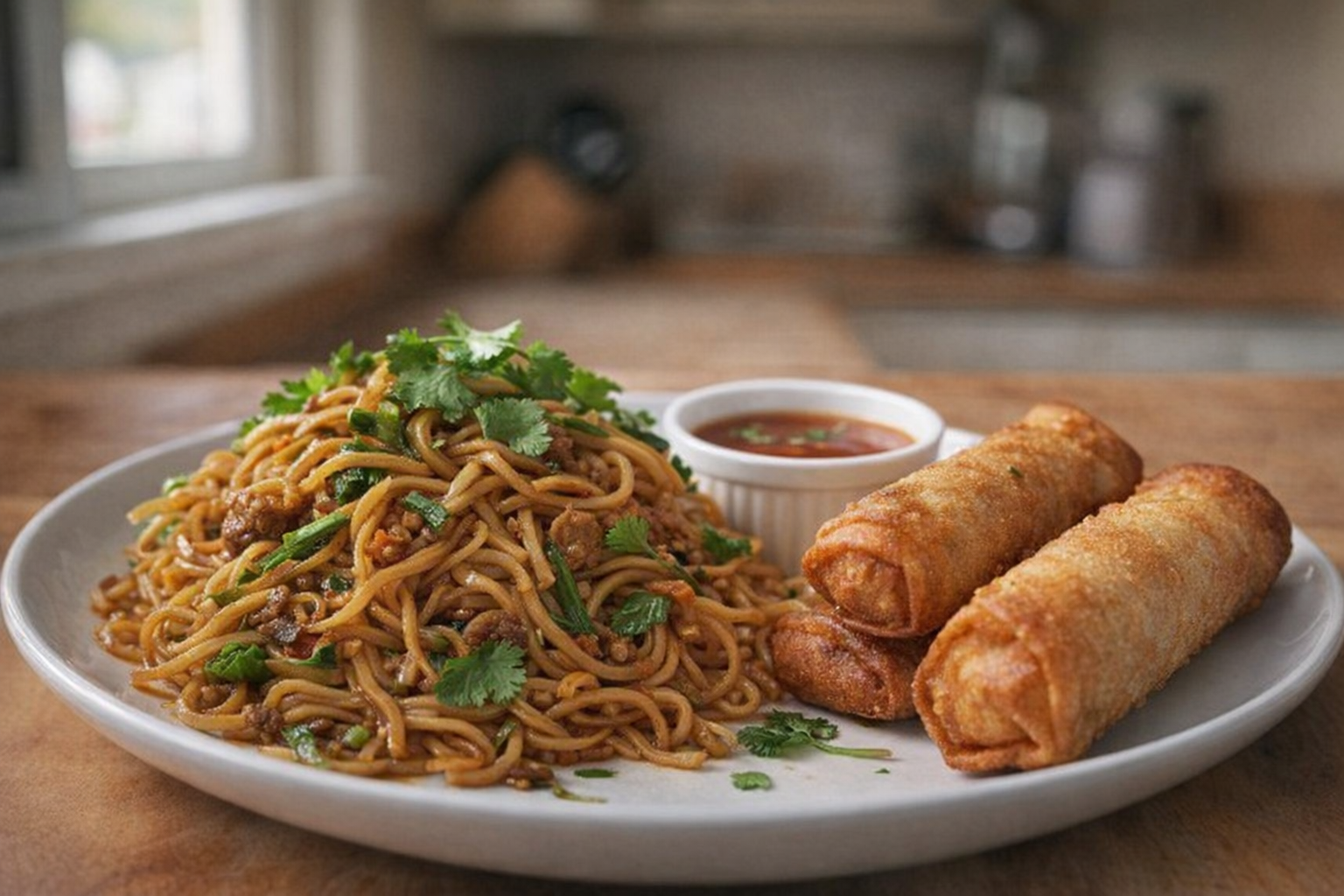
- With Spring Rolls: Pair with crispy spring rolls and sweet chili sauce for a classic Chinese-American takeout experience.
- Alongside Soup: Complement the noodles with a bowl of hot and sour soup or egg drop soup.
- As a Side Dish: Serve Chow Mein as a side dish with other Chinese-inspired dishes like Kung Pao Chicken or Mapo Tofu.
💡 Pro Tips
- Prepare all your chopped vegetables and sauce ingredients before turning on the stove to ensure you can keep up with the fast-paced stir-frying process.
- Boil your noodles until they are just barely tender and rinse them with cold water to stop the cooking process and prevent clumping.
- Use a high-smoke point oil like peanut or vegetable oil and wait until the pan is shimmering hot before adding your protein to get a restaurant-style sear.
- Stir-fry your vegetables in small batches instead of all at once to maintain high heat and prevent them from becoming soggy.
- Pour the stir-fry sauce around the hot edges of the wok rather than directly on the noodles to help the flavors caramelize and distribute evenly.
Frequently Asked Questions
If you can't find Chow Mein noodles, you can use spaghetti or linguine as a substitute. Just be sure to cook them al dente and rinse them well to prevent sticking, similar to how you would prepare the Chow Mein noodles.
Yes, you can definitely prep the vegetables ahead of time! Chop all your vegetables and store them in airtight containers in the refrigerator. This will significantly speed up the cooking process when you're ready to make the Chow Mein.
To prevent sticking, make sure your noodles are thoroughly drained after cooking and rinsing. You can also toss them with a little bit of oil before adding them to the wok. Ensure your wok is hot and add the noodles in batches to avoid overcrowding, which can also lead to sticking.
Leftover Chow Mein will typically last for 3-4 days in the refrigerator when stored properly. Allow the Chow Mein to cool completely before transferring it to an airtight container and refrigerating it. Reheat thoroughly before serving.