 delishing
How to Cook Crab Boil: A Culinary Guide to Seafood Feasts

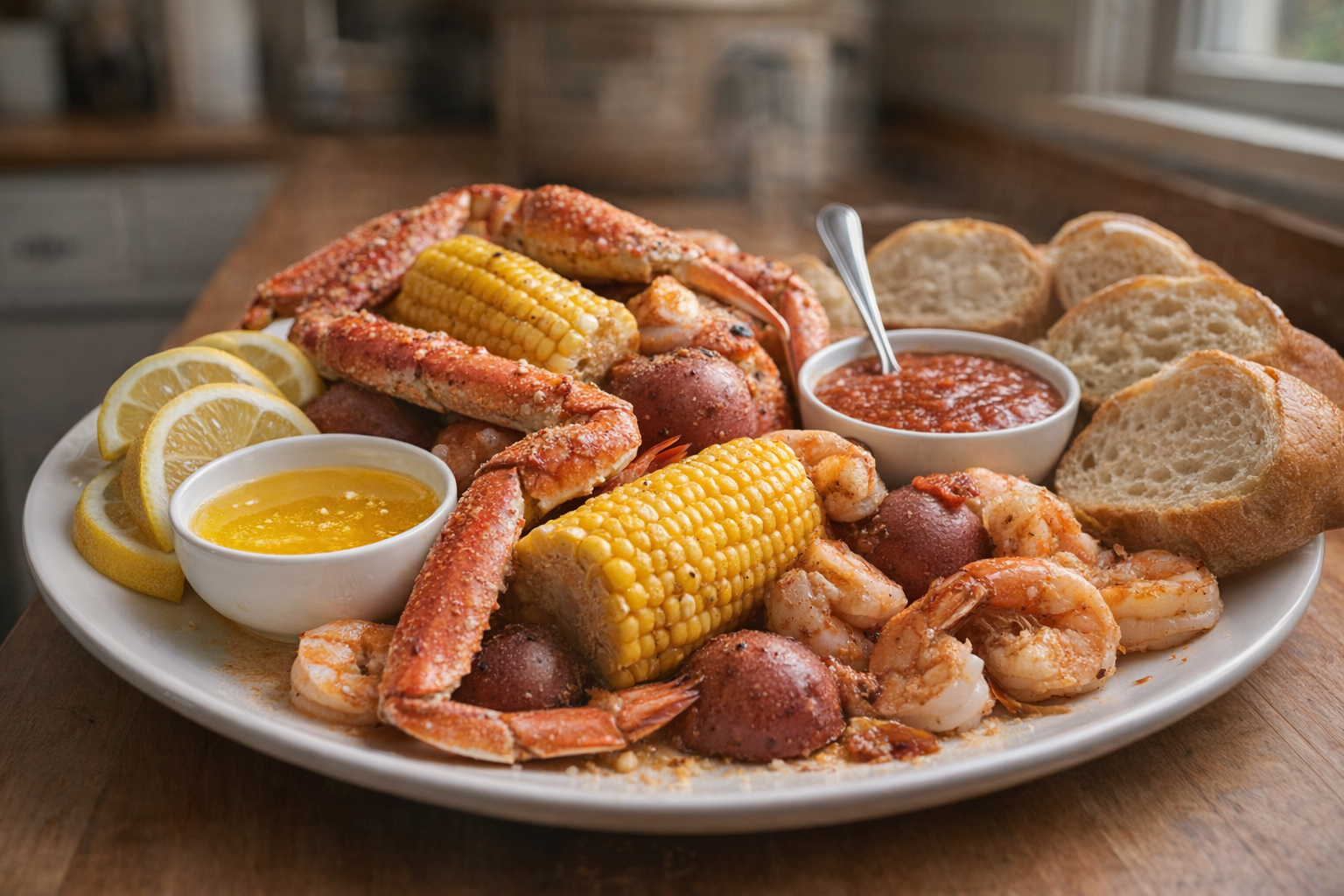
Crab boil is more than just a recipe; it's an experience. It's a communal gathering around a pot brimming with succulent seafood, infused with the vibrant flavors of spices and herbs. This guide provides a foundation for crafting your own memorable crab boil, drawing inspiration from global culinary traditions, ensuring each bite is bursting with flavor.
The beauty of the crab boil lies in its adaptability. Whether you crave the fiery heat of Cajun spices or the aromatic allure of Asian herbs, this method can be tailored to your palate. Boiling ensures even cooking, preventing the delicate crab meat from becoming tough or dry. It's a foolproof way to achieve perfectly cooked seafood every time.
Understanding Crab Varieties
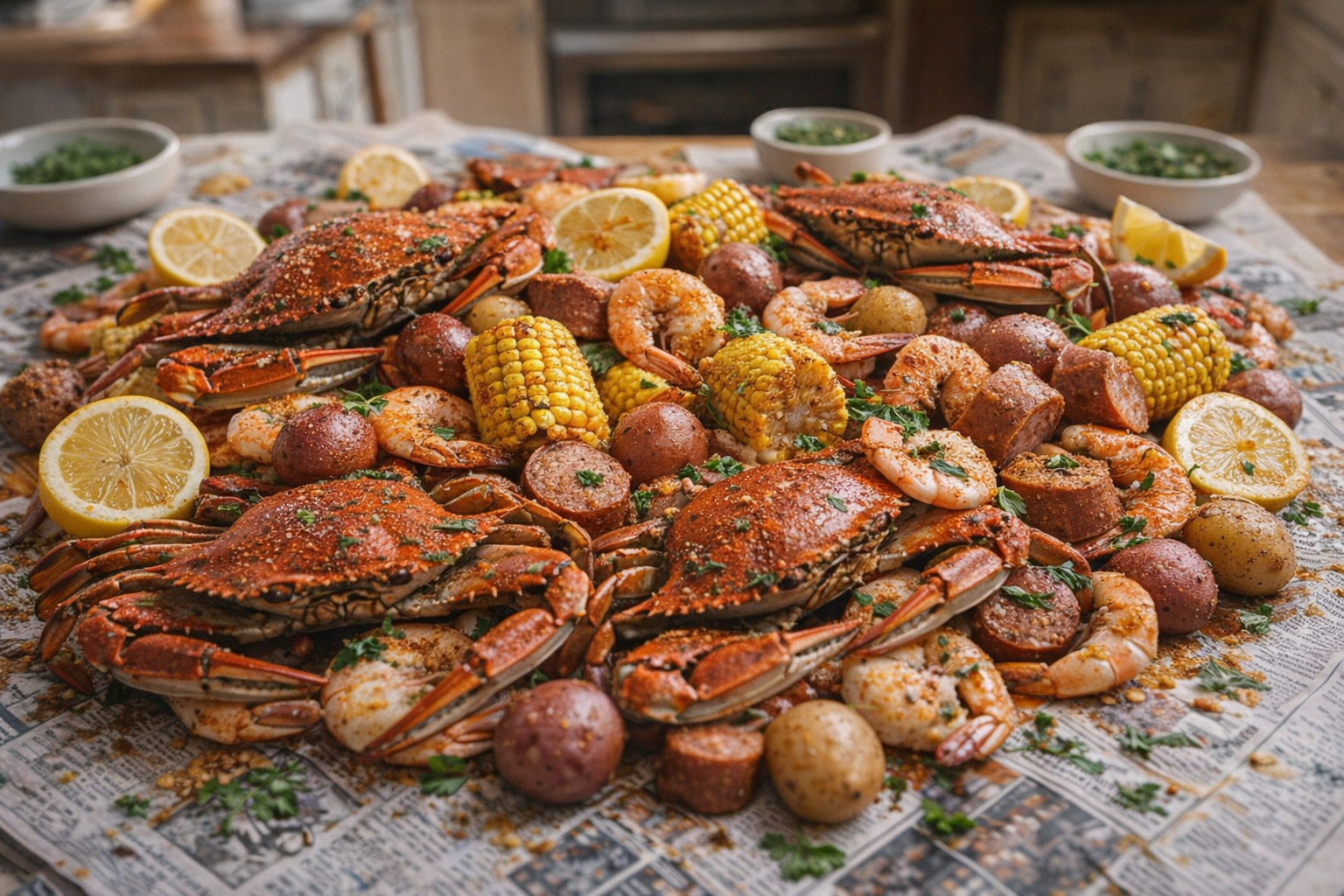
Before diving into the boil, it's crucial to understand the types of crab available. Each variety offers a unique flavor and texture profile, influencing the overall experience. Blue crabs, known for their sweet and delicate meat, are a popular choice. Dungeness crabs, larger and meatier, provide a more substantial bite. Snow crabs, with their long, slender legs, are prized for their tender meat. King crabs, the largest of the crab species, offer a luxurious, rich flavor. When selecting crabs, look for live crabs that are active and heavy for their size, or purchase frozen crabs that are properly sealed and show no signs of freezer burn.
Why Cook Crab Boil This Way?
- Versatility: Adaptable to various flavor profiles, from Cajun to Asian-inspired.
- Flavor Infusion: Boiling allows the crab to absorb the aromatic spices and seasonings, creating a deeply flavorful experience.
- Convenience: A one-pot meal that's perfect for gatherings and outdoor cooking.
Preparation (Mise en Place)
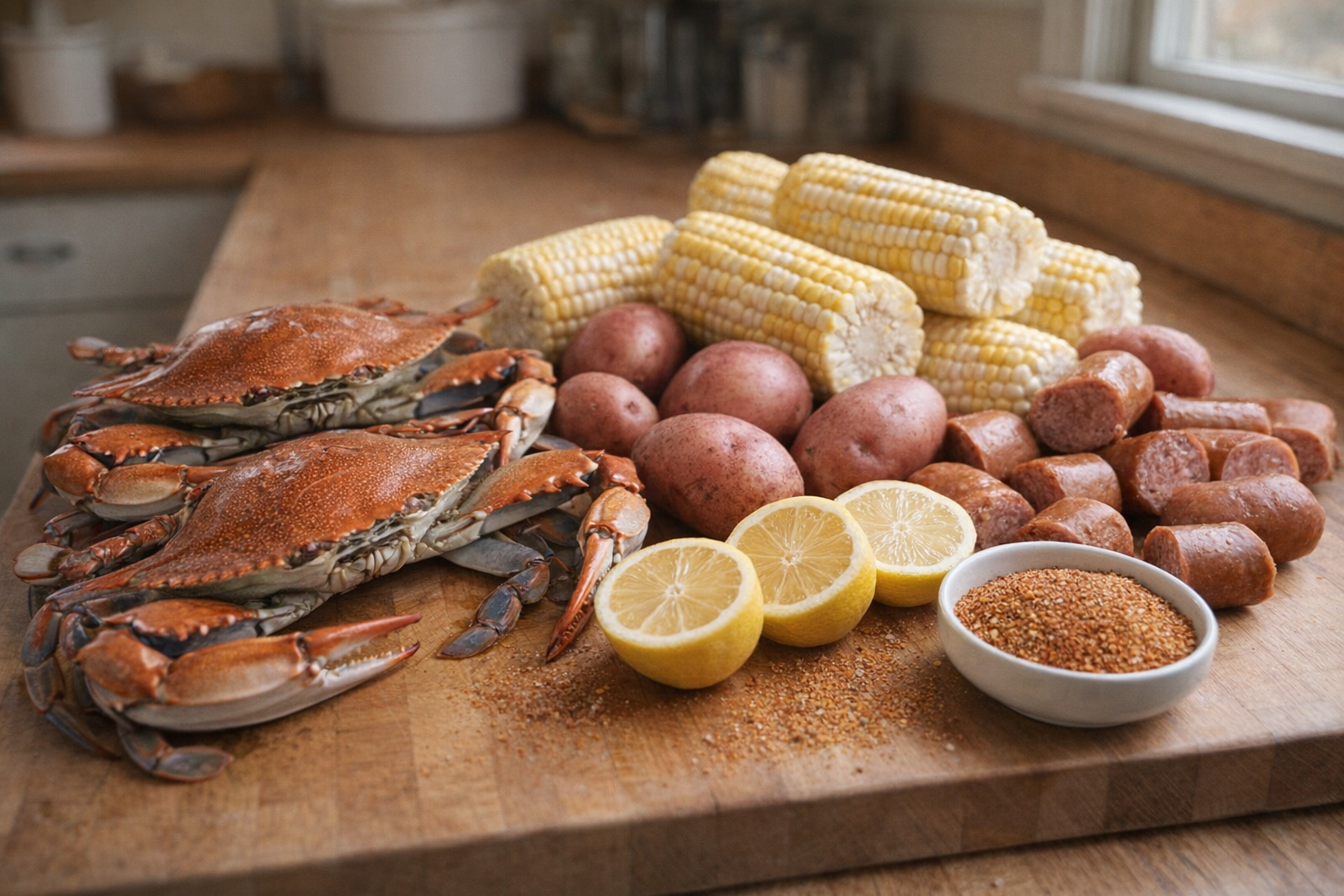
Before you start cooking, gather and prepare all the necessary ingredients. Ensure your crab is thawed completely if using frozen, placing it in the refrigerator overnight or submerging it in cold water for a quicker thaw. Pre-cut any vegetables you plan to include, such as corn on the cob, potatoes, and onions. Prepare your spice blend based on your chosen flavor profile.
Essential Tools
- Large Stockpot: A heavy-bottomed stockpot is essential for even heat distribution.
- Crab Crackers & Forks: Necessary for cracking the shells and extracting the meat.
- Long-Handled Tongs: For safely adding and removing ingredients from the boiling water.
- Newspaper or Tablecloth: For easy cleanup and a communal dining experience.
The Cooking Methods
While the core concept of a crab boil remains the same, the specific method can be adjusted based on the flavor profile you desire. Here are three variations:
Method 1: Classic Cajun Crab Boil
Ingredients:
- 6 Live or frozen crabs, thawed (Blue crab or Dungeness recommended)
- 1 gallon Water
- 1 lb Smoked sausage, cut into 2-inch pieces
- 6 ears Corn on the cob, halved
- 1 lb Small red potatoes
- 1 large Onion, quartered
- 4 cloves Garlic, minced
- ½ cup Cajun seasoning (such as Zatarain's or Tony Chachere's)
- 2 Lemons, quartered
- Optional: Hot sauce to taste
- In a large stockpot, bring water to a rolling boil over high heat. The scent of the water should be aromatic and savory.
- Add Cajun seasoning, garlic, onion, and lemons to the boiling water. The steam will carry the spicy aroma.
- Add potatoes and cook for 10 minutes, until they are partially tender. The potatoes should give slightly when pierced with a fork.
- Add corn and sausage and cook for another 5 minutes. The sausage will begin to plump and release its smoky flavor.
- Gently add the crabs to the pot. Ensure they are fully submerged in the boiling water. The water will briefly stop boiling as the crabs are added.
- Cook the crabs for 15-20 minutes, until they turn bright red and their shells are easily separated. The crabs should have a slightly sweet and oceanic aroma.
- Drain the pot and spread the contents onto a newspaper-covered table.
Method 2: Garlic Butter Crab Boil
Ingredients:
- 6 Live or frozen crabs, thawed
- 1 gallon Water
- 1 lb Smoked sausage, cut into 2-inch pieces
- 6 ears Corn on the cob, halved
- 1 lb Small red potatoes
- 1 large Onion, quartered
- 1 cup Butter, melted
- 6 cloves Garlic, minced
- 1 teaspoon Red pepper flakes (optional)
- Salt and pepper to taste
- In a large stockpot, bring water to a rolling boil over high heat.
- Add onion to the boiling water.
- Add potatoes and cook for 10 minutes, until they are partially tender.
- Add corn and sausage and cook for another 5 minutes.
- Gently add the crabs to the pot. Ensure they are fully submerged in the boiling water.
- Cook the crabs for 15-20 minutes, until they turn bright red and their shells are easily separated.
- While the crabs are cooking, prepare the garlic butter sauce. Melt butter in a saucepan over medium heat. Add minced garlic and red pepper flakes (if using) and sauté until fragrant, about 2-3 minutes.
- Drain the pot and spread the contents onto a newspaper-covered table.
- Pour the garlic butter sauce over the seafood and vegetables. Season with salt and pepper to taste.
Method 3: Asian-Inspired Crab Boil
Ingredients:
- 6 Live or frozen crabs, thawed
- 1 gallon Water
- 1 lb Smoked sausage, cut into 2-inch pieces
- 6 ears Corn on the cob, halved
- 1 lb Small red potatoes
- 1 large Onion, quartered
- 4 inch Ginger, sliced
- 4 stalks Lemongrass, bruised
- 4 Star anise
- 1/2 cup Soy sauce
- 1/4 cup Oyster sauce
- 2 tablespoons Fish sauce
- 2 Red chilies, sliced (optional)
- In a large stockpot, bring water to a rolling boil over high heat.
- Add ginger, lemongrass, star anise, soy sauce, oyster sauce, fish sauce, and chilies (if using) to the boiling water.
- Add potatoes and cook for 10 minutes, until they are partially tender.
- Add corn and sausage and cook for another 5 minutes.
- Gently add the crabs to the pot. Ensure they are fully submerged in the boiling water.
- Cook the crabs for 15-20 minutes, until they turn bright red and their shells are easily separated. The broth will have a complex and fragrant aroma.
- Drain the pot and spread the contents onto a newspaper-covered table.
Cooking Time & Doneness Guide
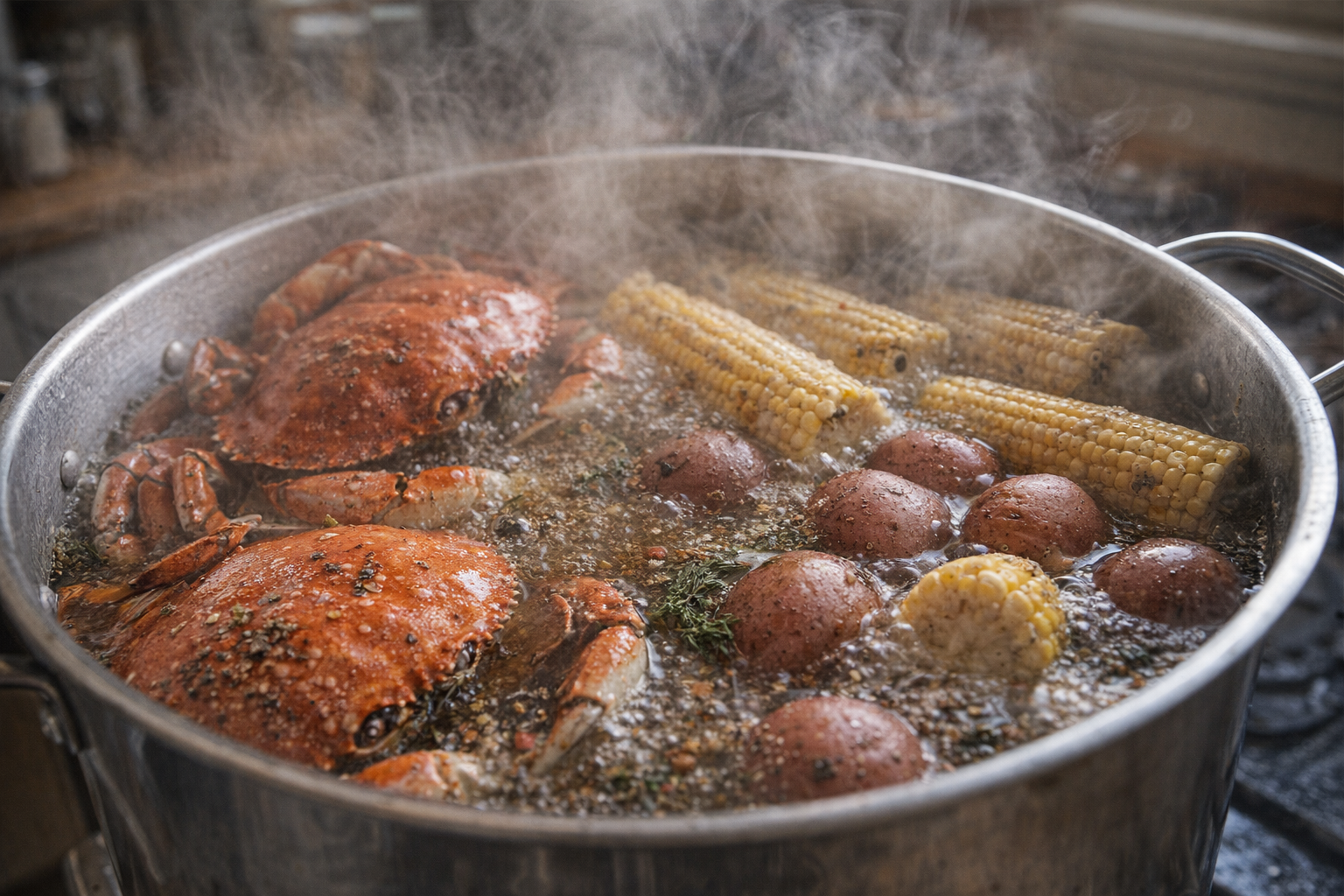
- Crabs: 15-20 minutes, until the shells turn bright red. The internal temperature should reach 165°F (74°C).
- Potatoes: 15 minutes total cooking time, or until easily pierced with a fork.
- Corn: 10 minutes total cooking time, or until tender and bright yellow.
- Sausage: 10 minutes total cooking time, or until heated through.
Visual Cues
The crab's shell turning bright red is the most reliable visual cue. Additionally, the legs should easily pull away from the body.
Tips for Perfection
- Don't Overcrowd the Pot: Cook in batches if necessary to ensure even cooking.
- Use Fresh Ingredients: The quality of your ingredients directly impacts the flavor.
- Adjust Seasoning: Taste the boiling water and adjust seasoning to your preference.
- Be Careful Handling Live Crabs: Use tongs to avoid being pinched.
Storage & Reheating
Leftover crab boil can be stored in an airtight container in the refrigerator for up to 3 days. Reheat gently by steaming or microwaving until heated through. Avoid overcooking, as the seafood can become tough.
Serving Suggestions
- Classic Crab Boil Platter: Serve with melted butter, cocktail sauce, and lemon wedges.
- Crab Boil Po' Boys: Use the crab meat to make a flavorful po' boy sandwich.
- Crab Boil Salad: Combine the crab meat, vegetables, and potatoes with a vinaigrette dressing for a refreshing salad.
- Crab Boil Pasta: Toss the seafood and vegetables with pasta and a creamy sauce.
💡 Pro Tips
- For the best flavor, use live crabs if possible. If using frozen, ensure they are fully thawed before cooking.
- Adjust the amount of seasoning to your personal preference. Start with the recommended amount and add more as needed after tasting the broth.
- Don't overcrowd the pot, as this can lower the water temperature and result in uneven cooking. If necessary, cook in batches.
- Serve the crab boil immediately after cooking for the best flavor and texture.
- Save the leftover broth! It can be used as a base for seafood soups or stews.
Frequently Asked Questions
Yes, you can use frozen crab. Ensure it is fully thawed before adding it to the boil. Thaw it in the refrigerator overnight or submerge it in cold water for a faster thaw. Frozen crab might have a slightly different texture than fresh crab, but it's a convenient and acceptable substitute.
Absolutely! You can easily make your own Cajun seasoning blend. Combine paprika, cayenne pepper, garlic powder, onion powder, dried oregano, dried thyme, and black pepper to taste. Adjust the amount of cayenne pepper to control the level of spiciness.
To prevent mushy potatoes, use small, firm red potatoes. Add them to the pot first, as they require the longest cooking time. Monitor their tenderness by piercing them with a fork; they should be partially tender but not completely soft before adding other ingredients.
Leftover crab boil should be stored in an airtight container in the refrigerator for up to 3 days. To reheat, steam the seafood and vegetables gently to prevent them from becoming dry. Alternatively, you can reheat them in a pot with a little broth or water.