 delishing
How to Cook Fluffy Couscous Every Time

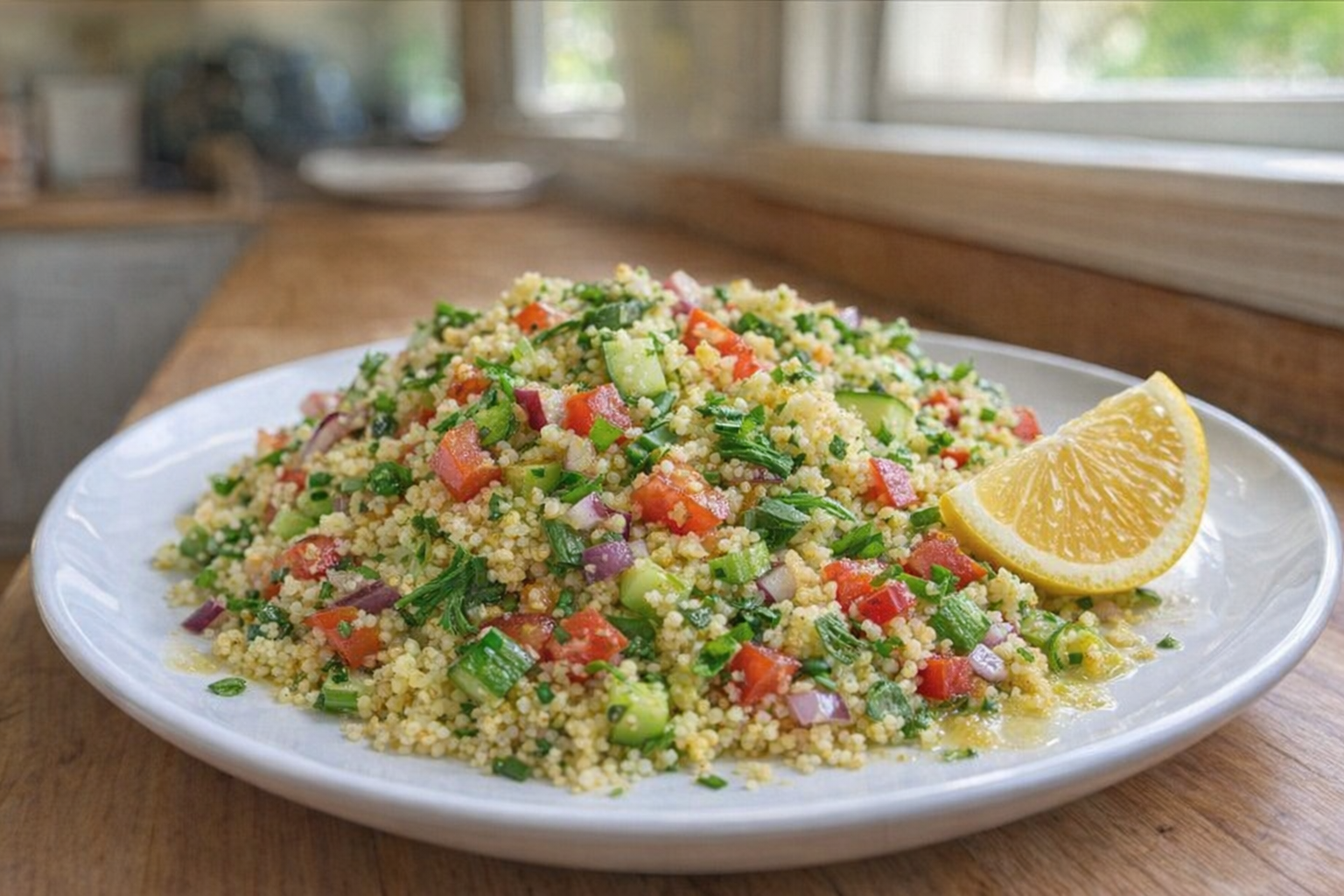
Couscous, often mistaken for a grain, is actually a type of pasta made from semolina. When cooked correctly, it boasts a delightful, almost ethereal fluffiness that makes it a versatile and satisfying side dish. The neutral flavor profile of couscous allows it to absorb a wide range of flavors, from savory herbs and spices to sweet dried fruits and nuts.
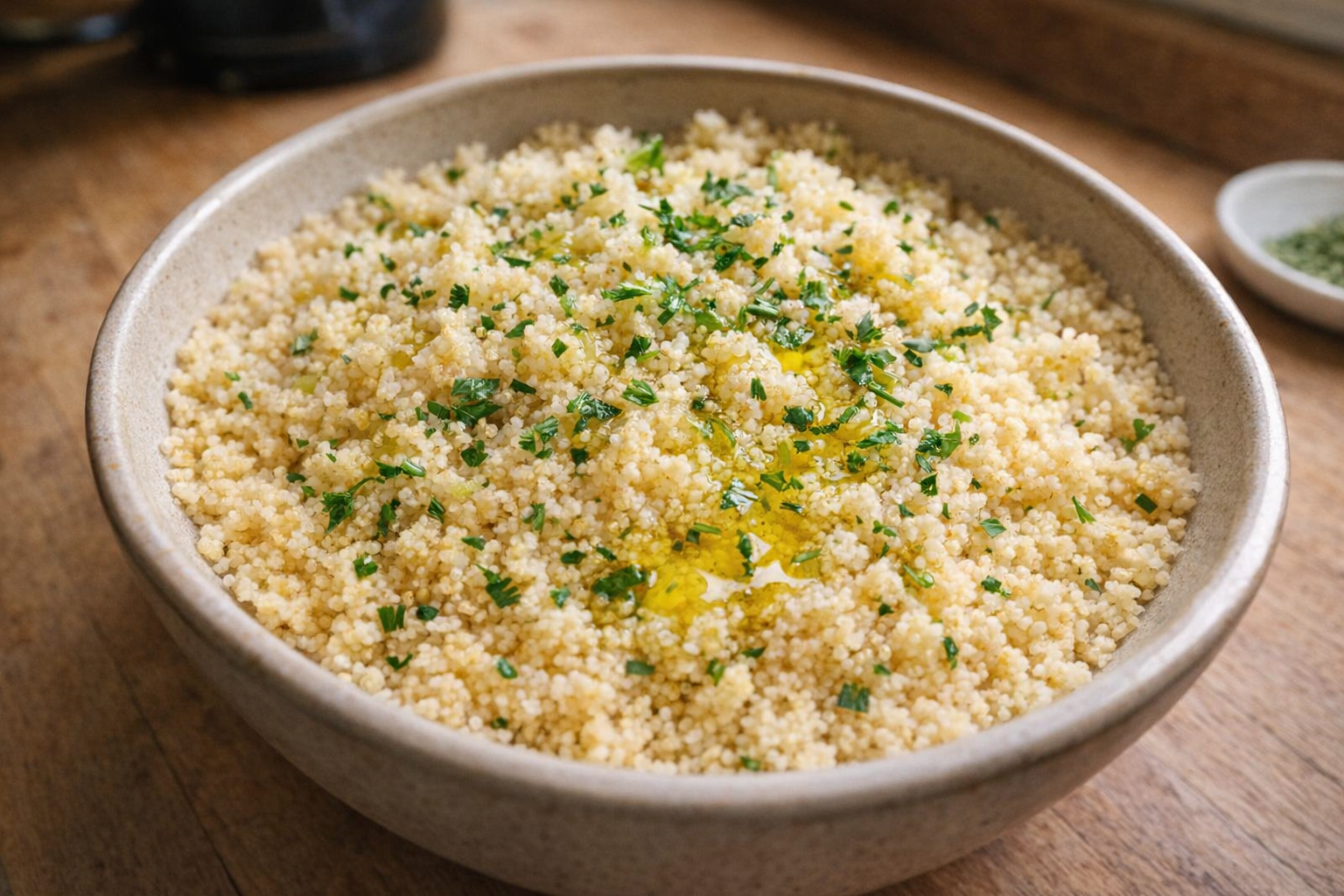
The key to fluffy couscous lies in the proper hydration and steaming process. Unlike rice, couscous doesn't simmer in excess water. Instead, it's rehydrated with hot liquid and then left to steam, allowing the granules to swell and separate without becoming mushy. This method preserves the individual texture of each grain, resulting in a light and airy dish.
Understanding Couscous
Couscous comes in several varieties, each with slightly different cooking requirements:
- Instant Couscous (also called Moroccan couscous): This is the most common type. It's pre-steamed and simply needs to be rehydrated with hot liquid. It's quick and easy, making it perfect for weeknight meals.
- Pearl Couscous (also called Israeli couscous): These are larger, round pearls of pasta. They have a chewier texture and require a longer cooking time, similar to pasta.
- Traditional Couscous: This type requires multiple steaming sessions and is less common in everyday cooking.
Why Cook Couscous This Way?
- Versatility: Couscous readily absorbs flavors, making it a perfect blank canvas for spices, herbs, sauces, and vegetables.
- Flavor: The neutral taste of couscous makes it an ideal accompaniment to a wide range of cuisines, from North African tagines to Mediterranean salads.
- Convenience: Instant couscous cooks in mere minutes, making it a time-saving option for busy cooks.
Preparation (Mise en Place)
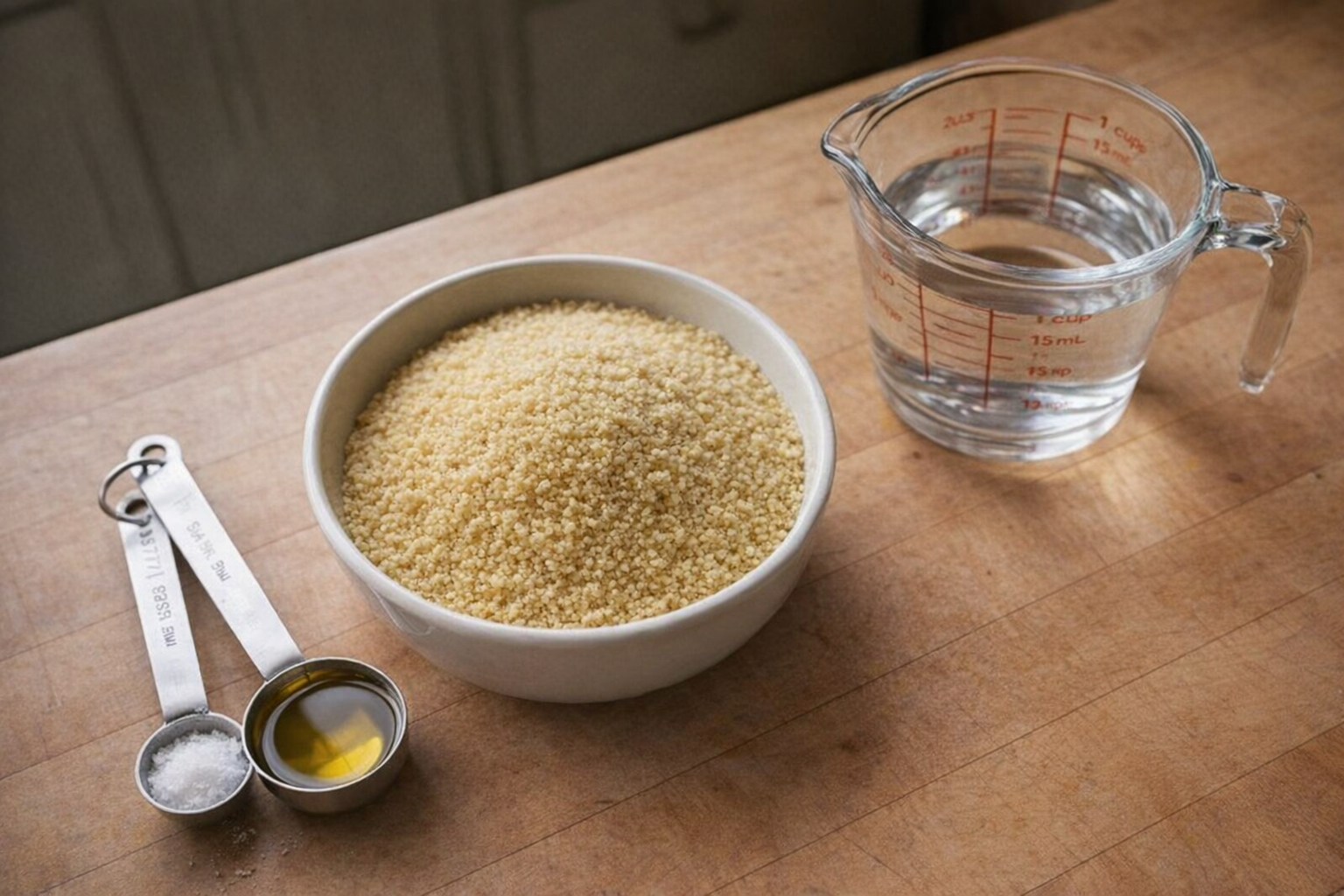
- Measure your couscous and liquid (water or broth). A 1:1 ratio is ideal for instant couscous.
- Have your seasonings ready. Salt is essential, and other additions like olive oil, butter, herbs, or spices can enhance the flavor.
Essential Tools
- Heatproof Bowl: A bowl large enough to hold the couscous and liquid.
- Lid or Plate: To cover the bowl and trap the steam.
- Fork: For fluffing the couscous after it's cooked.
The Cooking Method(s)
The beauty of couscous is its simplicity. Here are two reliable methods for achieving perfectly fluffy results:
Method 1: The Boiling Water Method
This is the most common and straightforward technique.
Ingredients:
- 1 cup (200g) instant couscous
- 1 cup (240ml) boiling water or broth
- 1/2 teaspoon salt
- 1 tablespoon olive oil or butter (optional)
- In a heatproof bowl, combine the couscous, salt, and olive oil or butter (if using).
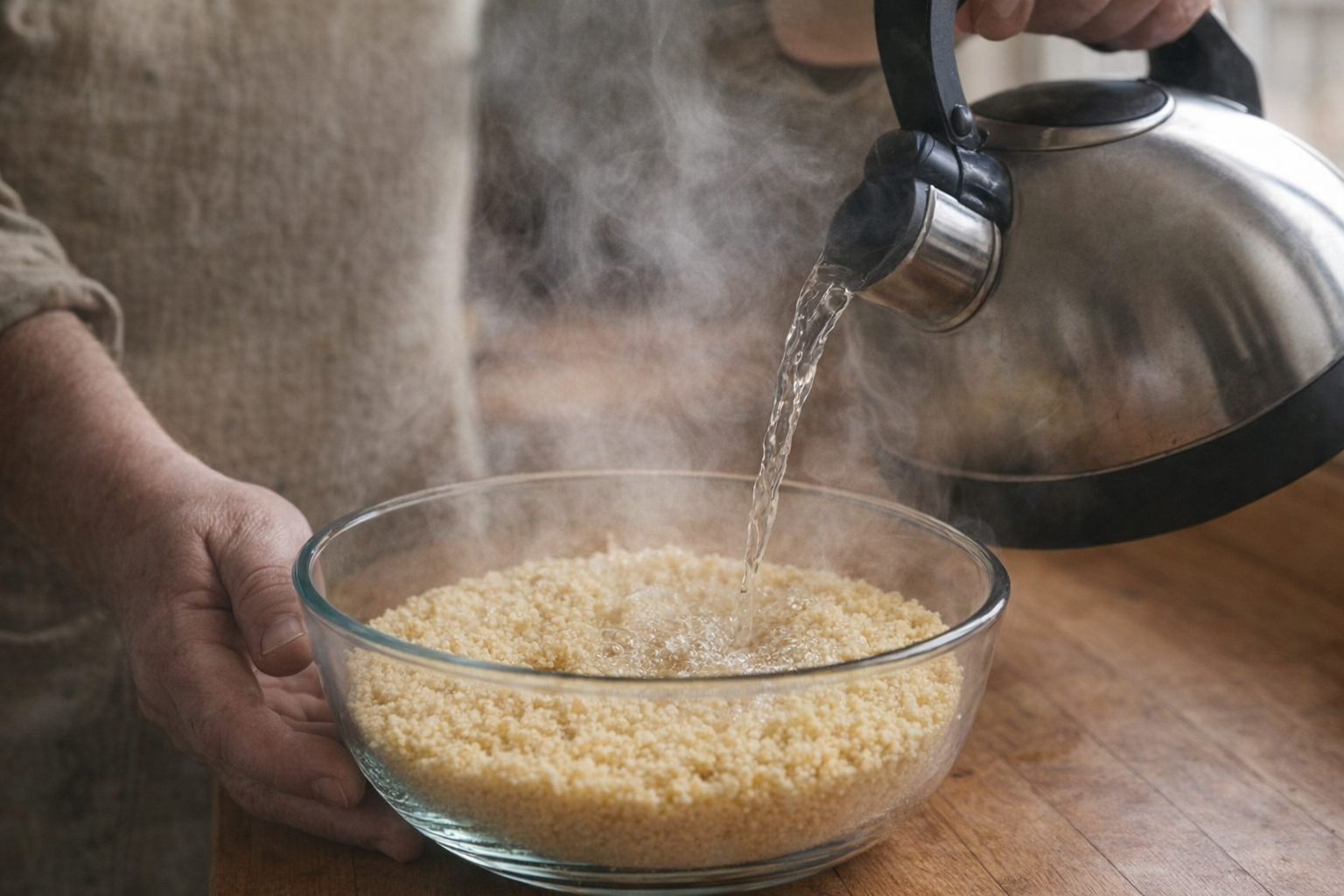
- Bring the water or broth to a rolling boil. The sound of the vigorously bubbling liquid is key.
- Pour the boiling liquid over the couscous. Ensure all the couscous is submerged.
- Immediately cover the bowl with a lid or plate. Trapping the steam is crucial for proper hydration.
- Let the couscous sit, undisturbed, for 5 minutes. You'll hear a slight hissing sound as the couscous absorbs the liquid.
- Remove the lid and fluff the couscous with a fork. The grains should be light and separate easily.
Method 2: The Microwave Method
A faster alternative for a single serving.
Ingredients:
- 1 cup (200g) instant couscous
- 1 cup (240ml) water or broth
- 1/2 teaspoon salt
- 1 tablespoon olive oil or butter (optional)
- In a microwave-safe bowl, combine the couscous, salt, and olive oil or butter (if using).
- Add the water or broth and stir to combine.
- Cover the bowl with a microwave-safe lid or plate.
- Microwave on high for 3-4 minutes, or until the liquid is absorbed.
- Let the couscous sit, covered, for 2 minutes.
- Fluff with a fork.
Cooking Time & Doneness Guide
- Boiling Water Method: 5 minutes resting time.
- Microwave Method: 3-4 minutes cooking time, 2 minutes resting time.
Visual Cues
The couscous is done when all the liquid has been absorbed, and the grains are plump and separate easily when fluffed with a fork. There should be no remaining liquid in the bowl.
Tips for Perfection
- Don't peek! Resist the urge to lift the lid while the couscous is steaming. This releases the steam and can result in unevenly cooked couscous.
- Use boiling water or broth. Cold or lukewarm liquid will not properly hydrate the couscous.
- Fluff gently. Avoid over-fluffing, as this can make the couscous gummy.
- Experiment with flavors. Add spices, herbs, or dried fruits to the couscous before adding the liquid to infuse it with flavor.
Storage & Reheating
Store leftover couscous in an airtight container in the refrigerator for up to 3 days. To reheat, microwave with a splash of water or broth, or steam it in a pot with a small amount of liquid. Avoid reheating in a dry pan, as this will dry it out.
Serving Suggestions
- As a side dish: Serve alongside grilled meats, roasted vegetables, or stews.
- In salads: Add cooled couscous to salads for a boost of texture and flavor.
- As a base for bowls: Create a healthy and satisfying bowl by topping couscous with roasted vegetables, grilled protein, and a flavorful sauce.
- Stuffed vegetables: Use the cooked couscous as a filling for bell peppers, zucchini, or tomatoes.
💡 Pro Tips
- Use a precise 1:1 ratio of boiling liquid to dry couscous to ensure the granules are fully hydrated without becoming waterlogged.
- Replace plain water with seasoned chicken or vegetable broth to infuse the neutral semolina grains with flavor during the steaming process.
- Keep the container tightly covered with a lid or plastic wrap for at least five minutes to allow the trapped steam to finish cooking the grains.
- Always use a fork rather than a spoon to fluff the couscous, as the tines gently separate the granules without mashing them together.
- Stir in a small knob of butter or a drizzle of olive oil immediately after fluffing to add richness and prevent the grains from sticking.
Frequently Asked Questions
Yes, absolutely! Using chicken broth, vegetable broth, or even beef broth will infuse the couscous with more flavor. Just be sure to adjust the salt accordingly, as broth often already contains sodium.
Mushy couscous usually indicates too much liquid or insufficient steaming time. Double-check that you are using a 1:1 ratio of couscous to liquid and ensure the bowl is tightly covered during steaming to properly hydrate the grains.
Cooked couscous can be stored in an airtight container in the refrigerator for up to 3-4 days. To reheat, simply microwave it with a splash of water or broth to prevent it from drying out.
Yes, you can! Smaller, quick-cooking vegetables like peas, chopped bell peppers, or zucchini can be added directly to the hot liquid before you pour it over the couscous. This will allow them to soften slightly during the steaming process.