 delishing
How to Cook Kale on the Stove: A Pro Guide to Sautéing, Steaming, and More

Kale, often hailed as a nutritional powerhouse, offers a slightly bitter, earthy flavor that transforms beautifully when cooked correctly. This guide will explore various cooking methods, emphasizing techniques that preserve its vitamins and create delicious dishes. Learn how to sauté, steam, blanch, and bake kale to unlock its full potential and enjoy it in diverse ways.
Whether you're aiming for a quick side dish or a hearty addition to soups and stews, understanding the nuances of cooking kale will elevate your culinary repertoire. We'll walk through each method step-by-step, providing expert tips to ensure your kale is perfectly cooked every time, retaining its vibrant color and nutritional value.
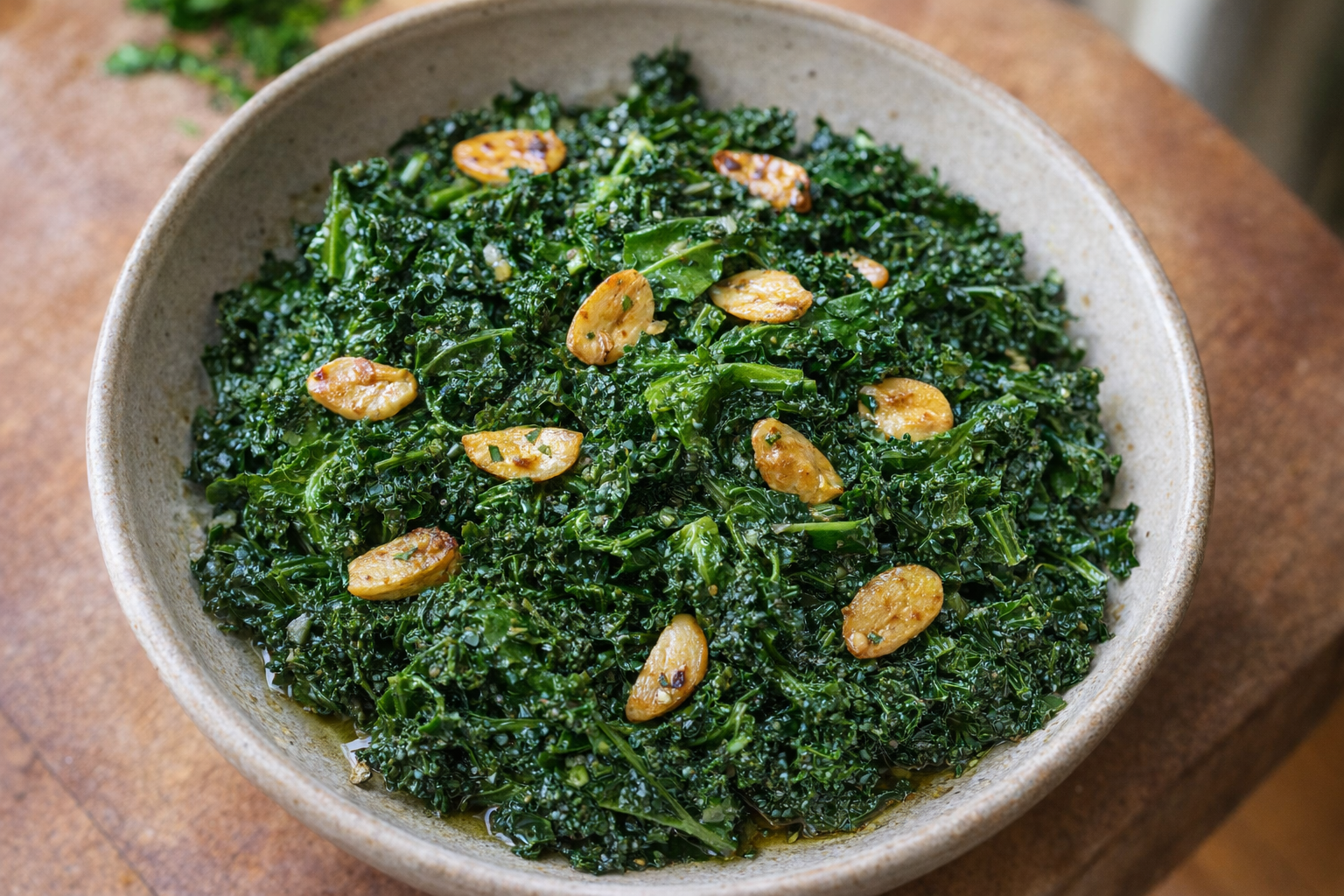
Understanding Kale Varieties
Kale comes in several varieties, each with unique characteristics suited to different cooking methods. The most common types include:
- Curly Kale: This is the most widely available type, with ruffled edges and a slightly bitter taste. It's excellent for sautéing, steaming, and baking into kale chips.
- Lacinato Kale (Dinosaur Kale): Known for its dark blue-green, slightly bumpy leaves, Lacinato kale has a milder, more delicate flavor than curly kale. It's a great choice for salads and light sautés.
- Red Russian Kale: This variety features flat, fringed leaves with reddish-purple stems. Its slightly sweet flavor makes it versatile for both raw and cooked preparations.
Why Cook Kale This Way?
- Versatility: Kale can be adapted to a wide range of dishes, from simple side dishes to hearty stews and salads.
- Flavor: Cooking mellows kale's bitterness and enhances its earthy notes, making it more palatable.
- Convenience: Kale cooks quickly, making it an ideal option for busy weeknights.
Preparation (Mise en Place)
- Washing: Thoroughly rinse the kale under cold running water to remove any dirt or grit. Agitate the leaves in the water to dislodge any hidden debris.
- Stem Removal: Kale stems can be tough and fibrous. To remove them, hold the base of the stem in one hand and strip the leaves away with the other. Alternatively, fold the leaf in half and cut out the stem with a knife.
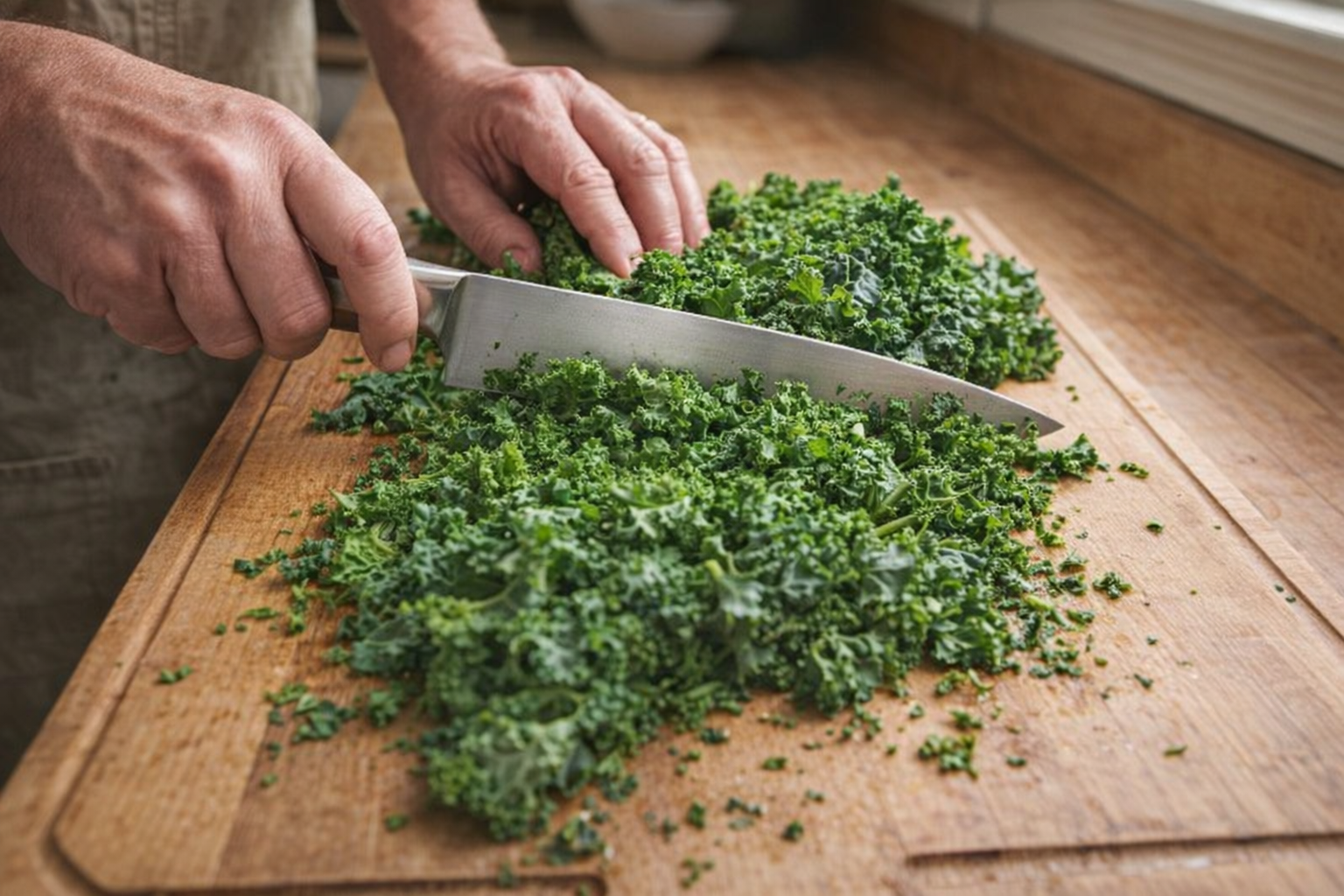
- Chopping: Depending on the recipe, chop the kale into bite-sized pieces. For salads, a chiffonade (thin ribbons) is ideal. For sautéing or steaming, larger pieces work well.
Essential Tools
- Large Bowl: For washing and soaking the kale.
- Chef's Knife: For removing stems and chopping leaves.
- Cutting Board: A stable surface for preparing the kale.
The Cooking Method(s)
We will explore four primary methods for cooking kale: Sautéing, Steaming, Blanching, and Baking. Each method offers a unique texture and flavor profile, allowing you to diversify your kale preparations.
Sautéing Kale
Sautéing is a quick and easy method that brings out the best in kale's flavor. The high heat and minimal moisture create a slightly crisp texture.
Ingredients:
- 1 bunch kale, washed, stemmed, and chopped (approx. 200g)
- 2 tablespoons olive oil (30ml)
- 2-3 cloves garlic, minced
- Salt and freshly ground black pepper to taste
- Optional: 1 tablespoon lemon juice (15ml), red pepper flakes
Instructions:
- Heat the olive oil in a large skillet over medium heat. The oil should shimmer, indicating it's hot enough.
- Add the minced garlic and sauté for 30 seconds, until fragrant. Be careful not to burn the garlic, which can turn bitter. The aroma should be savory and inviting.
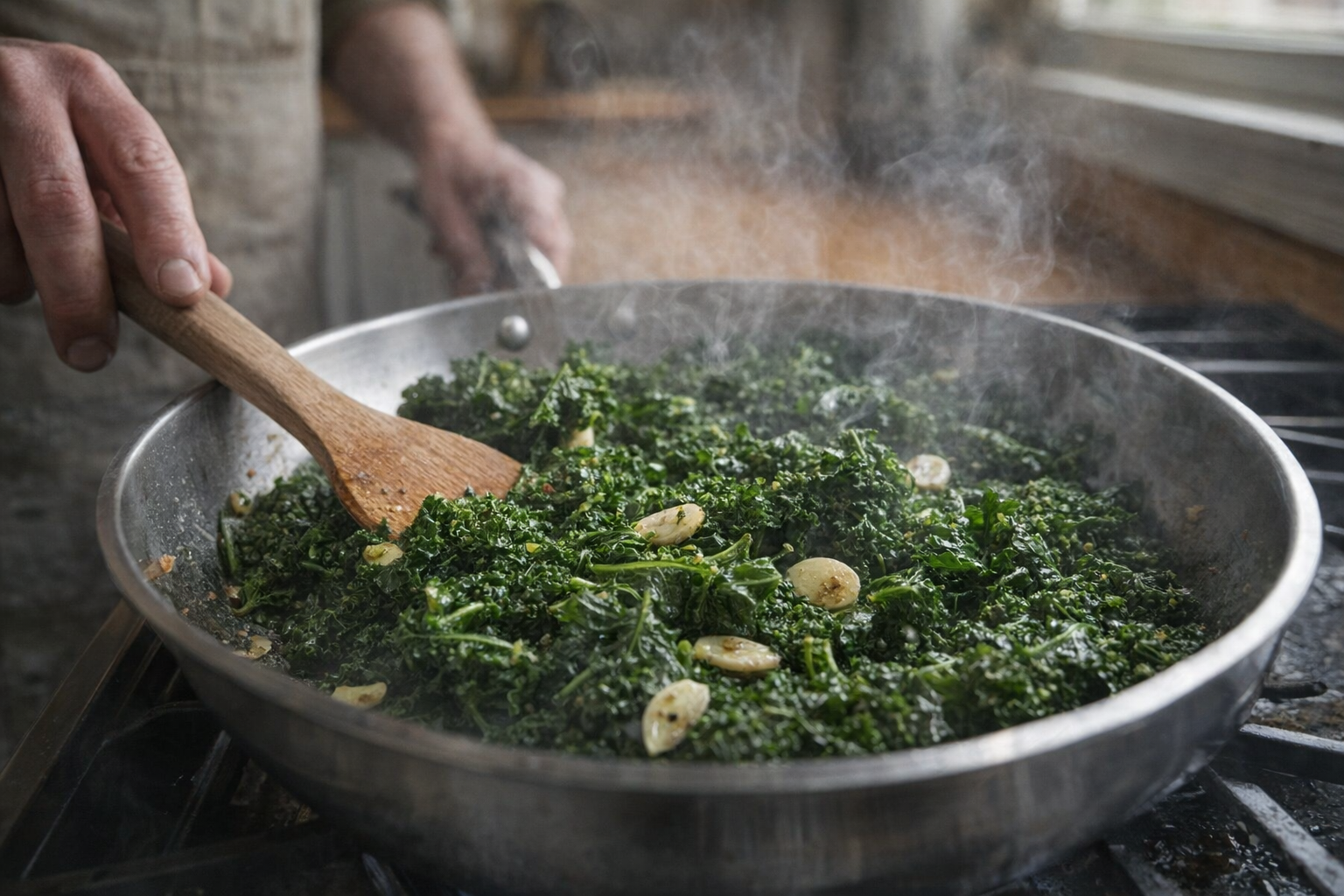
- Add the chopped kale to the skillet. Stir frequently to coat the leaves with the garlic-infused oil. The kale will initially seem like a lot, but it will wilt down significantly.
- Cook for 5-7 minutes, stirring occasionally, until the kale is tender and slightly wilted but still retains some of its vibrant green color. Listen for the gentle sizzle of the kale as it cooks.
- Season with salt and pepper to taste. For a brighter flavor, squeeze fresh lemon juice over the kale just before serving. A pinch of red pepper flakes adds a touch of heat.
- Remove from heat and serve immediately.
Steaming Kale
Steaming is a gentle method that preserves the most nutrients in kale. It results in a tender, slightly softened texture.
Ingredients:
- 1 bunch kale, washed, stemmed, and chopped (approx. 200g)
- 1 cup water (240ml)
- Optional: salt, olive oil, lemon juice for seasoning
Instructions:
- Place the water in a pot with a steamer basket. Bring to a boil over medium-high heat.
- Add the chopped kale to the steamer basket. Ensure the kale is evenly distributed for even cooking.
- Cover the pot and steam for 5-7 minutes, or until the kale is tender and bright green. Check the kale's tenderness by piercing it with a fork; it should be easily pierced but not mushy.
- Remove the kale from the steamer basket and transfer to a serving bowl.
- Season with salt, a drizzle of olive oil, and a squeeze of lemon juice, if desired.
Blanching Kale
Blanching is a quick cooking method followed by an ice bath to stop the cooking process. It's often used to preserve the color and texture of vegetables for later use.
Ingredients:
- 1 bunch kale, washed and stemmed
- Water for boiling
- Ice water for cooling
Instructions:
- Bring a large pot of water to a rolling boil.
- Prepare an ice bath by filling a bowl with ice and water.
- Add the kale to the boiling water and cook for 2-3 minutes, until bright green and slightly softened.
- Remove the kale from the boiling water with a slotted spoon and immediately plunge it into the ice bath.
- Let the kale cool in the ice bath for 2-3 minutes.
- Drain the kale thoroughly and squeeze out any excess water.
Baking Kale
Baking transforms kale into crispy and addictive kale chips. This method requires a low temperature and careful monitoring to prevent burning.
Ingredients:
- 1 bunch kale, washed, stemmed, and torn into bite-sized pieces
- 1-2 tablespoons olive oil (15-30ml)
- ½ teaspoon sea salt
- Optional: garlic powder, paprika, nutritional yeast
Instructions:
- Preheat oven to 300°F (150°C).
- Thoroughly dry the kale leaves. Excess moisture will result in soggy chips.
- In a large bowl, toss the kale with olive oil and sea salt. Make sure each leaf is lightly coated.
- Spread the kale in a single layer on a baking sheet lined with parchment paper. Avoid overcrowding the pan, as this will steam the kale instead of baking it.
- Bake for 10-15 minutes, checking frequently after 10 minutes. The kale chips are done when the edges are crispy and slightly browned. The chips should be brittle to the touch.
- Remove from oven and let cool for a few minutes before serving.
Cooking Time & Doneness Guide
- Sautéing: 5-7 minutes, until tender and slightly wilted.
- Steaming: 5-7 minutes, until tender and bright green.
- Blanching: 2-3 minutes in boiling water, followed by immediate cooling in an ice bath.
- Baking: 10-15 minutes at 300°F (150°C), until crispy and slightly browned.
Visual Cues
- Kale is done when it turns bright green and becomes tender. Avoid overcooking, as it can become mushy and lose its nutritional value. For kale chips, the edges should be crispy and slightly browned.
Tips for Perfection
- Don't Overcrowd the Pan: When sautéing or baking, ensure the kale is spread out in a single layer to allow for even cooking.
- Dry the Kale Thoroughly: For kale chips, thoroughly drying the leaves is crucial for achieving crispiness.
- Season Generously: Kale benefits from bold seasoning to balance its natural bitterness.
- Massage for Raw Dishes: If using raw, massage the kale with olive oil and salt to soften the leaves and reduce bitterness.
Storage & Reheating
Cooked kale can be stored in an airtight container in the refrigerator for up to 3 days. Reheat gently in a skillet over medium heat or in the microwave. Reheated kale may lose some of its crispness.
Serving Suggestions
- Sautéed Kale as a Side Dish: Serve sautéed kale with garlic and lemon as a simple and healthy side dish for grilled meats, fish, or tofu.
- Kale Chips as a Snack: Enjoy baked kale chips as a guilt-free, crunchy snack.
- Kale in Soups and Stews: Add chopped kale to soups and stews during the last 15 minutes of cooking for added nutrients and flavor.
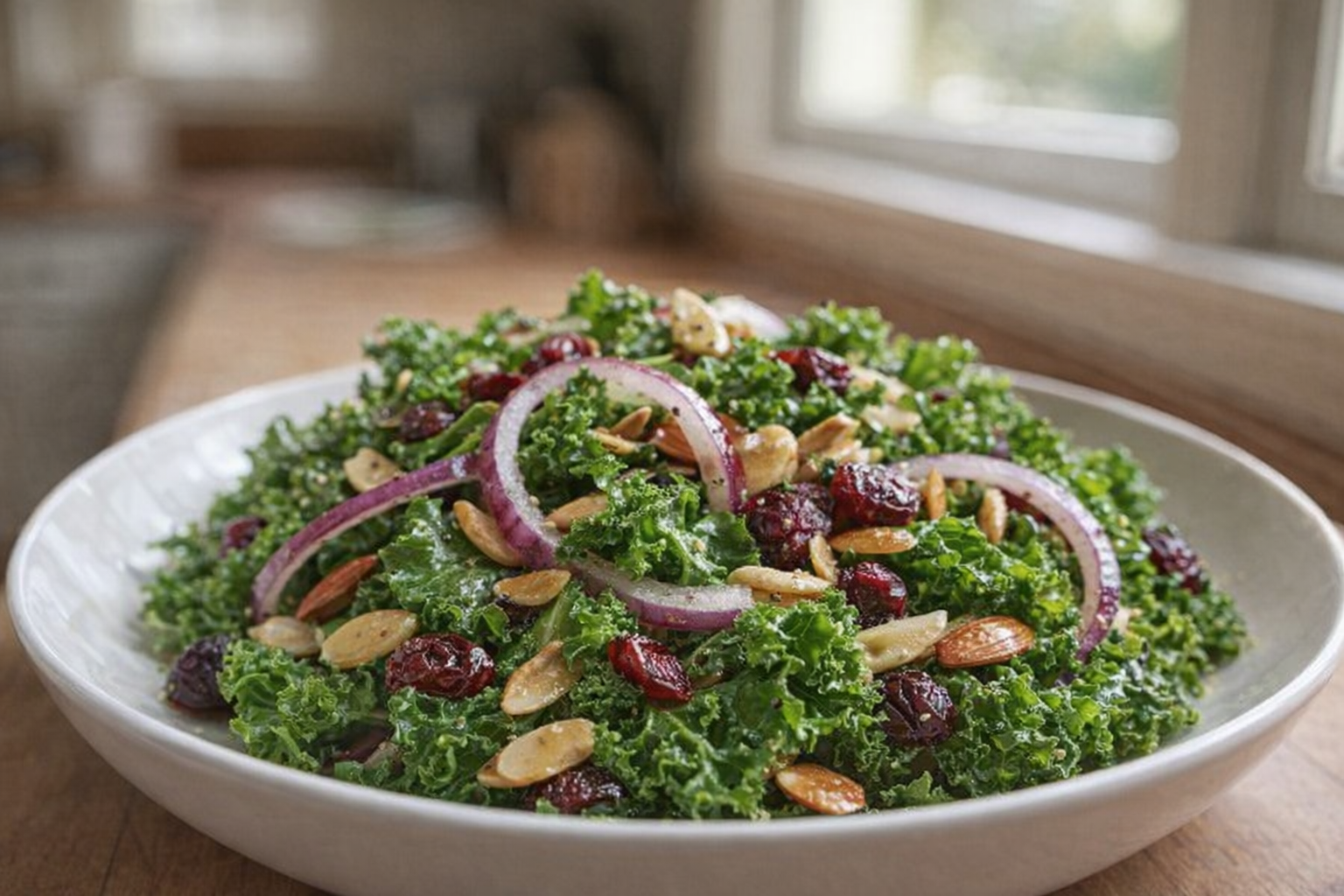
- Kale Salad: Incorporate massaged kale into a vibrant salad with other fresh vegetables, nuts, and a tangy vinaigrette.
💡 Pro Tips
- Remove the thick, woody stems by hand or with a knife before cooking to ensure the leaves soften evenly.
- When sautéing, add a splash of vegetable broth and cover the pan for two minutes to steam the leaves into a tender texture.
- Massage the kale with a small amount of olive oil and salt before adding it to the heat to break down its tough fibrous structure.
- Incorporate minced garlic or red pepper flakes during the last minute of cooking to infuse flavor without scorching the aromatics.
- Finish the dish with a squeeze of fresh lemon juice right before serving to brighten the earthy flavor and cut through the bitterness.
Frequently Asked Questions
Yes, you can use frozen kale. Be sure to thaw it completely and squeeze out any excess water before cooking to prevent it from becoming soggy. You may need to adjust cooking times slightly as frozen kale tends to cook faster.
Massaging the kale leaves with a little olive oil and salt before cooking can help reduce bitterness. Also, avoid overcrowding the pan when sautéing, as this can lead to steaming instead of browning, which can intensify the bitter flavor.
Cooked kale should be stored in an airtight container in the refrigerator. It's best consumed within 3-4 days to maintain its quality and flavor. Reheat thoroughly before serving.
Absolutely! While each kale variety has its unique characteristics, they are generally interchangeable in most recipes. Just be mindful that Lacinato kale is more delicate, while curly kale might require slightly longer cooking times.