 delishing
How to Cook Lentils Without Making Them Mushy

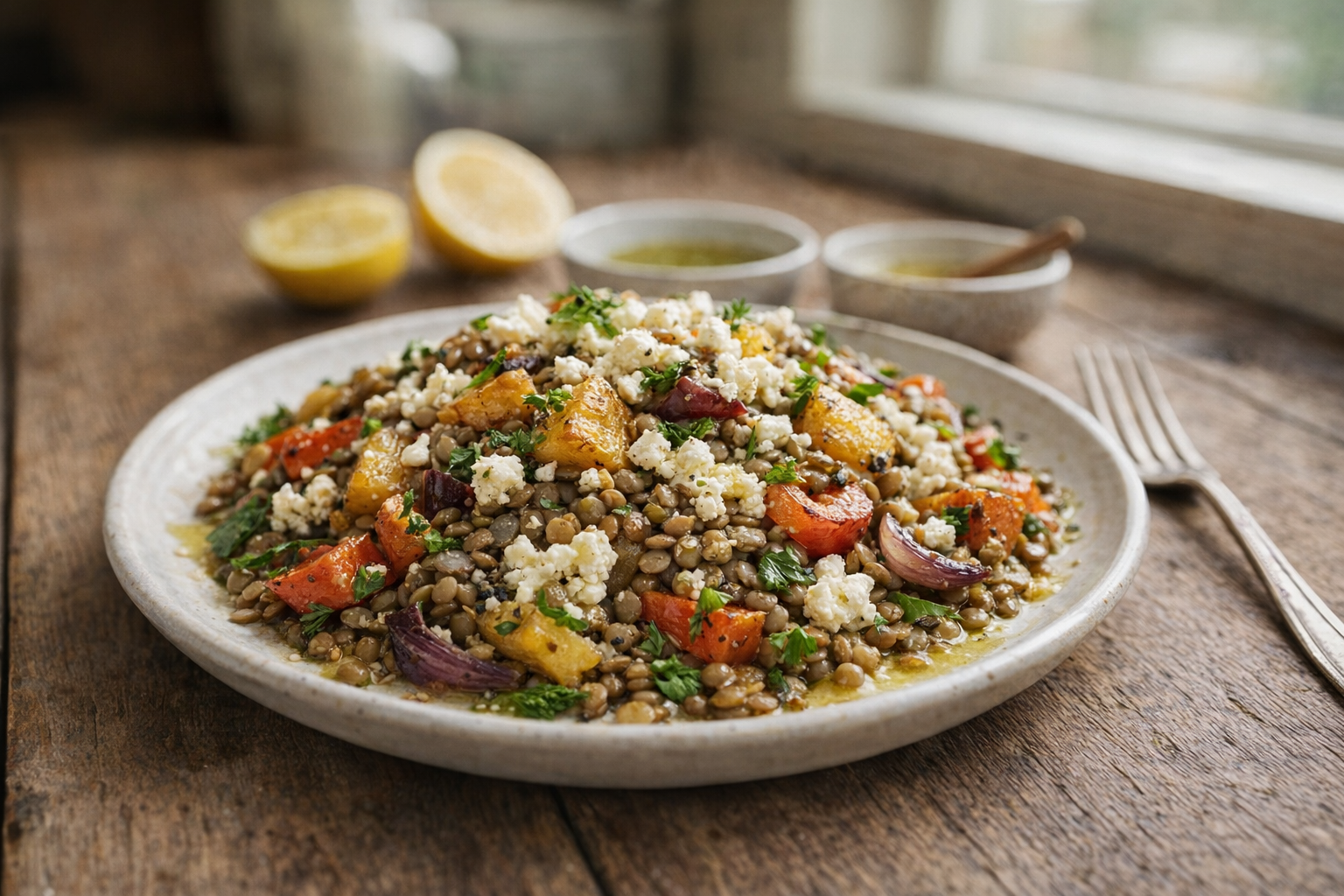
Lentils are a fantastic and versatile pantry staple, prized for their earthy flavor and satisfying texture. When cooked properly, they offer a delightful bite and complement a wide range of dishes, from hearty soups and stews to flavorful salads and side dishes. This guide will show you how to achieve perfectly cooked lentils every time, avoiding the dreaded mushy texture and unlocking their full potential.
The key to great lentils lies in understanding their different varieties and employing a few simple techniques. We'll walk you through the essential steps, from rinsing and selecting the right cooking liquid to achieving the ideal simmer and seasoning them to perfection. Get ready to master the art of cooking lentils and elevate your meals with this nutritional powerhouse.
Understanding Lentils
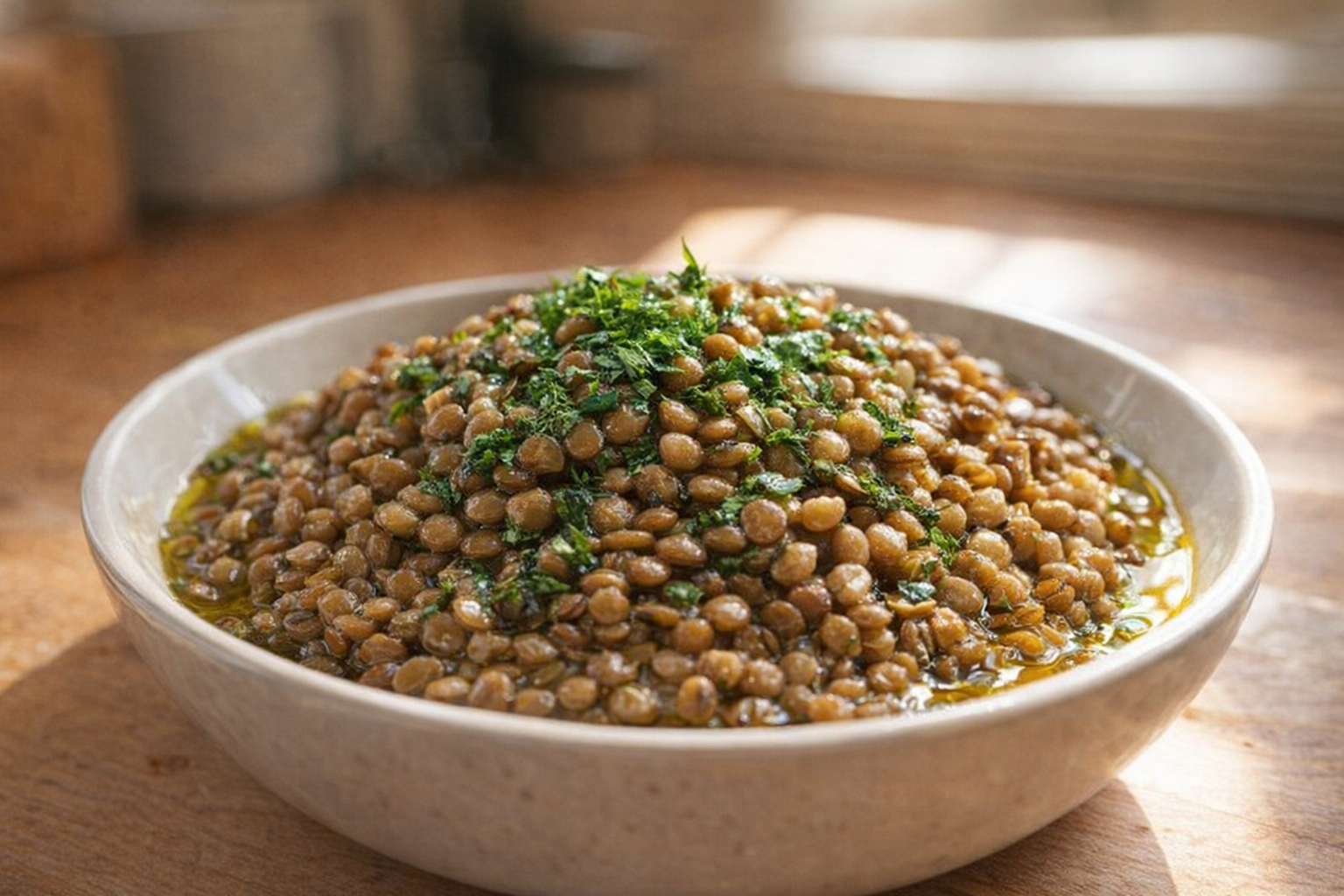
Lentils, part of the legume family, come in a rainbow of colors, each with its own unique characteristics. Brown and green lentils hold their shape well during cooking, making them ideal for salads and sides. Red lentils, on the other hand, tend to break down and become creamy, perfect for thickening soups and stews. Black lentils (also known as Beluga lentils) have a rich, earthy flavor and retain their shape beautifully.
When buying lentils, look for packages that are free of debris and have a consistent color. Avoid lentils that appear shriveled or damaged. Pre-packaged lentils from reputable brands are generally a safe bet, ensuring freshness and quality.
Why Cook Lentils This Way?
- Versatility: Cooked lentils can be used in countless dishes, from soups and stews to salads, vegetarian burgers, and even as a filling for tacos.
- Flavor: When cooked properly, lentils have a mild, earthy flavor that pairs well with a wide variety of seasonings and ingredients.
- Convenience: Lentils cook relatively quickly compared to other legumes and don't require pre-soaking.
Preparation (Mise en Place)
Before you begin cooking, it's important to properly prepare your lentils.
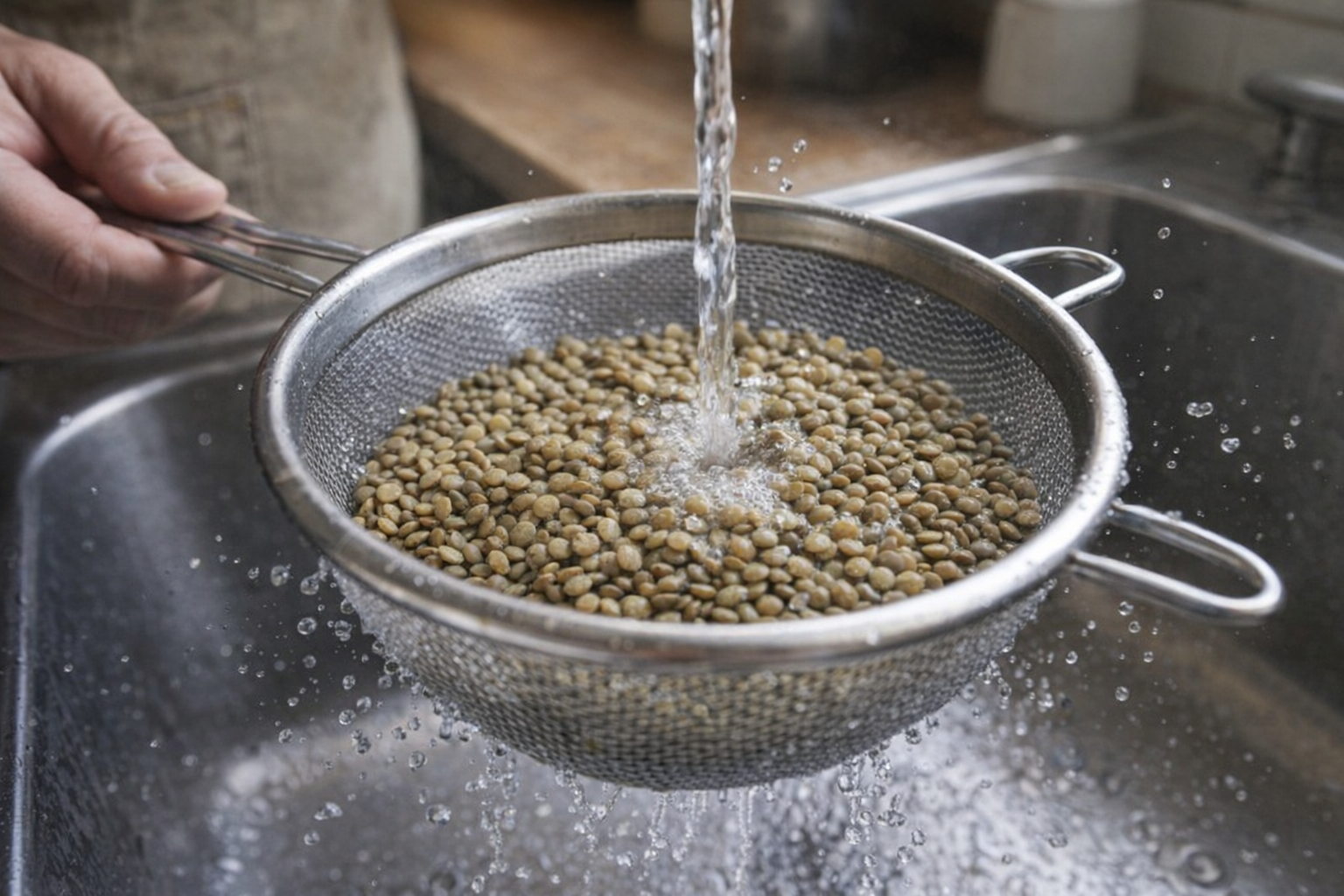
- Rinsing: Place the lentils in a fine-mesh strainer and rinse them under cold running water. This removes any dirt, debris, or damaged lentils.
- Sorting (Optional): Spread the rinsed lentils on a clean, light-colored surface and pick out any small stones or other foreign objects. While modern lentils are often pre-cleaned, this step ensures a grit-free final product.
Essential Tools
- Fine-Mesh Strainer: Essential for rinsing the lentils thoroughly.
- Medium Saucepan: Choose a saucepan with a heavy bottom for even heat distribution.
- Measuring Cups/Spoons: To accurately measure the lentils and cooking liquid.
The Cooking Method
How to Cook Lentils on the Stovetop
This method works for all types of lentils, with slight adjustments to cooking time.
Ingredients:
- 1 cup (200g) dry lentils (brown, green, red, or black)
- 3 cups (710ml) water or vegetable broth
- 1 teaspoon (5g) salt, or to taste
- 1 tablespoon (15ml) olive oil (optional)
- 1/2 onion, chopped (optional)
- 1 clove garlic, minced (optional)
- Rinse the Lentils: Place the lentils in a fine-mesh strainer and rinse under cold water until the water runs clear.
- Combine Ingredients: In a medium saucepan, combine the rinsed lentils, water (or broth), salt, olive oil (if using), chopped onion (if using), and minced garlic (if using). The aroma of garlic begins to fill the air, even before cooking.
- Bring to a Boil: Bring the mixture to a boil over medium-high heat. Watch carefully to prevent it from boiling over.
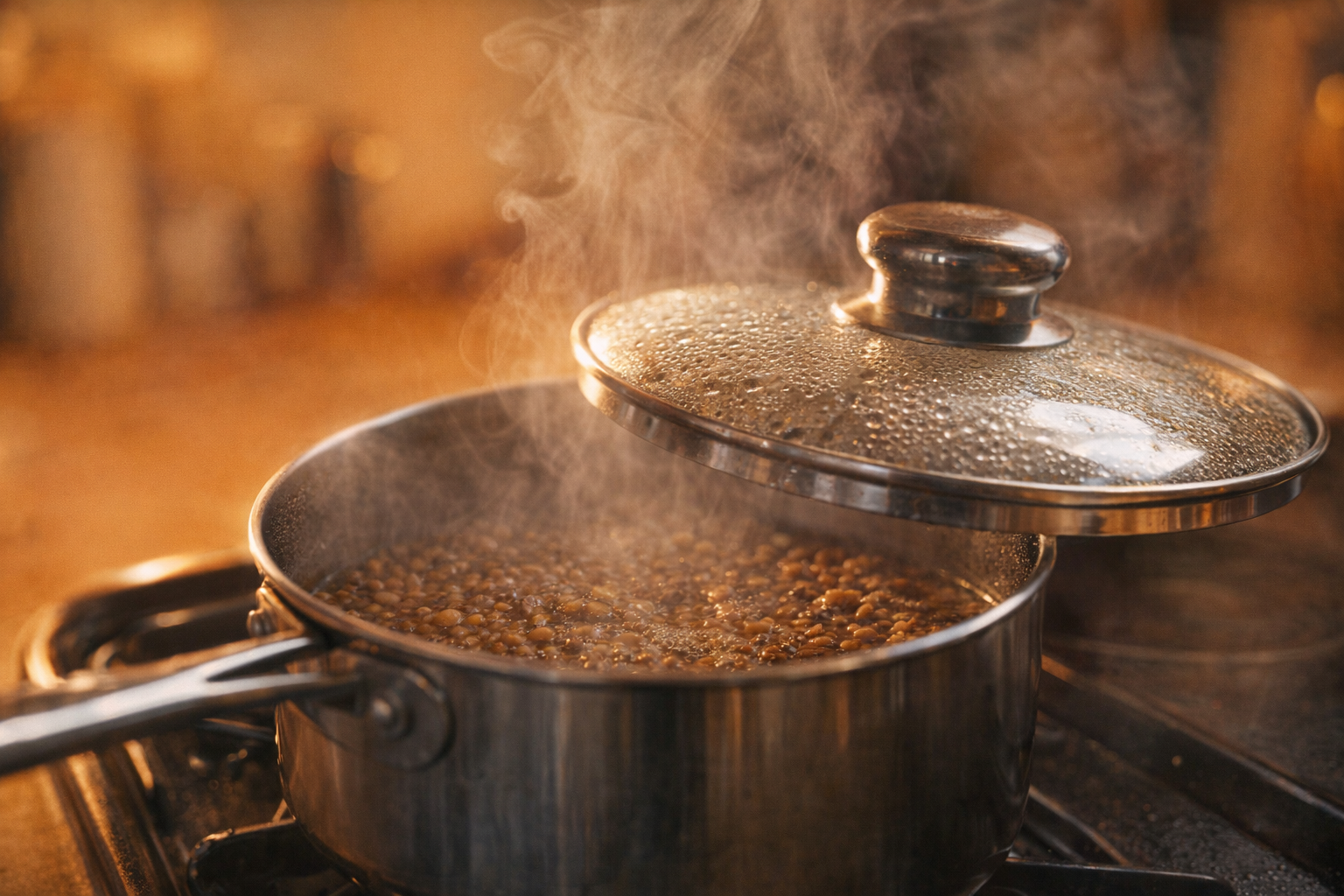
- Reduce Heat and Simmer: Once boiling, reduce the heat to low, cover the saucepan, and simmer gently. The lentils should barely bubble.
- Cook Until Tender: Cook for 15-45 minutes, depending on the type of lentil. Check for doneness by tasting a few lentils. They should be tender but still hold their shape. Red lentils will become softer and creamier than green or brown lentils.
- Drain (If Necessary): If there is excess liquid in the saucepan, drain the lentils in the strainer.
- Season to Taste: Season with additional salt, pepper, or other spices as desired.
Cooking Time & Doneness Guide
- Green/Brown Lentils: 30-45 minutes.
- Red Lentils: 15-20 minutes.
- Black Lentils: 25-30 minutes.
Visual Cues
- Texture: The lentils should be tender to the bite but not mushy. They should retain their shape, especially for green, brown, and black varieties.
- Liquid Absorption: Most of the liquid should be absorbed. If there is excess liquid, drain it off.
Tips for Perfection
- Avoid Overcrowding: Use a saucepan that is large enough to allow the lentils to cook evenly.
- Don't Add Acid Too Early: Adding acidic ingredients like tomatoes or lemon juice too early in the cooking process can toughen the lentils. Add them towards the end.
- Check Water Level: Keep an eye on the water level during cooking. If the lentils are absorbing the water too quickly, add a little more to prevent them from drying out and sticking to the bottom of the pan.
- Gentle Simmer: Resist the urge to crank up the heat. A gentle simmer is key to preventing mushy lentils.
Storage & Reheating
- Storage: Cooked lentils can be stored in an airtight container in the refrigerator for up to 5 days.
- Reheating: Reheat lentils gently on the stovetop over low heat or in the microwave. Add a splash of water or broth if they seem dry.
Serving Suggestions
- Lentil Soup: Use cooked lentils as the base for a hearty and flavorful lentil soup.
- Lentil Salad: Combine cooked lentils with chopped vegetables, herbs, and a vinaigrette dressing for a refreshing and nutritious salad.
- Lentil Bowls: Create a balanced and satisfying bowl by pairing cooked lentils with grains, roasted vegetables, and a flavorful sauce.
- Lentil Shepherd's Pie: Use lentils as a vegetarian alternative to ground meat in shepherd's pie.
💡 Pro Tips
- Choose French green or black beluga lentils because their thicker skins help them maintain a firm, distinct shape after cooking.
- Maintain a gentle simmer rather than a rolling boil to prevent the lentils from agitating and breaking apart.
- Begin testing the texture five minutes before the recommended cooking time ends to ensure you catch the perfect al dente bite.
- Add salt and acidic ingredients like lemon juice or vinegar only after the lentils have finished softening to avoid toughening the outer skins.
- Drain the lentils immediately after they reach your desired tenderness to stop the cooking process and prevent residual heat from making them soft.
Frequently Asked Questions
Yes, using broth will add more flavor to your lentils. Be mindful of the sodium content of the broth, and adjust any additional salt you add accordingly. Vegetable or chicken broth are both great options.
Allow the cooked lentils to cool completely before storing them. Transfer them to an airtight container and refrigerate for up to 5 days. You can also freeze cooked lentils for longer storage; they should last for several months.
Canned lentils are already cooked, so you don't need to boil them. Simply rinse them thoroughly to remove excess sodium and add them to your dish during the last few minutes of cooking, just to heat them through.
If your lentils become mushy, don't despair! You can still salvage them by pureeing them and using them as a base for soup or a thickener for stews. Their creamy texture will be an asset in these applications.