 delishing
How to Cook Mahi Mahi: 3 Delicious Recipes

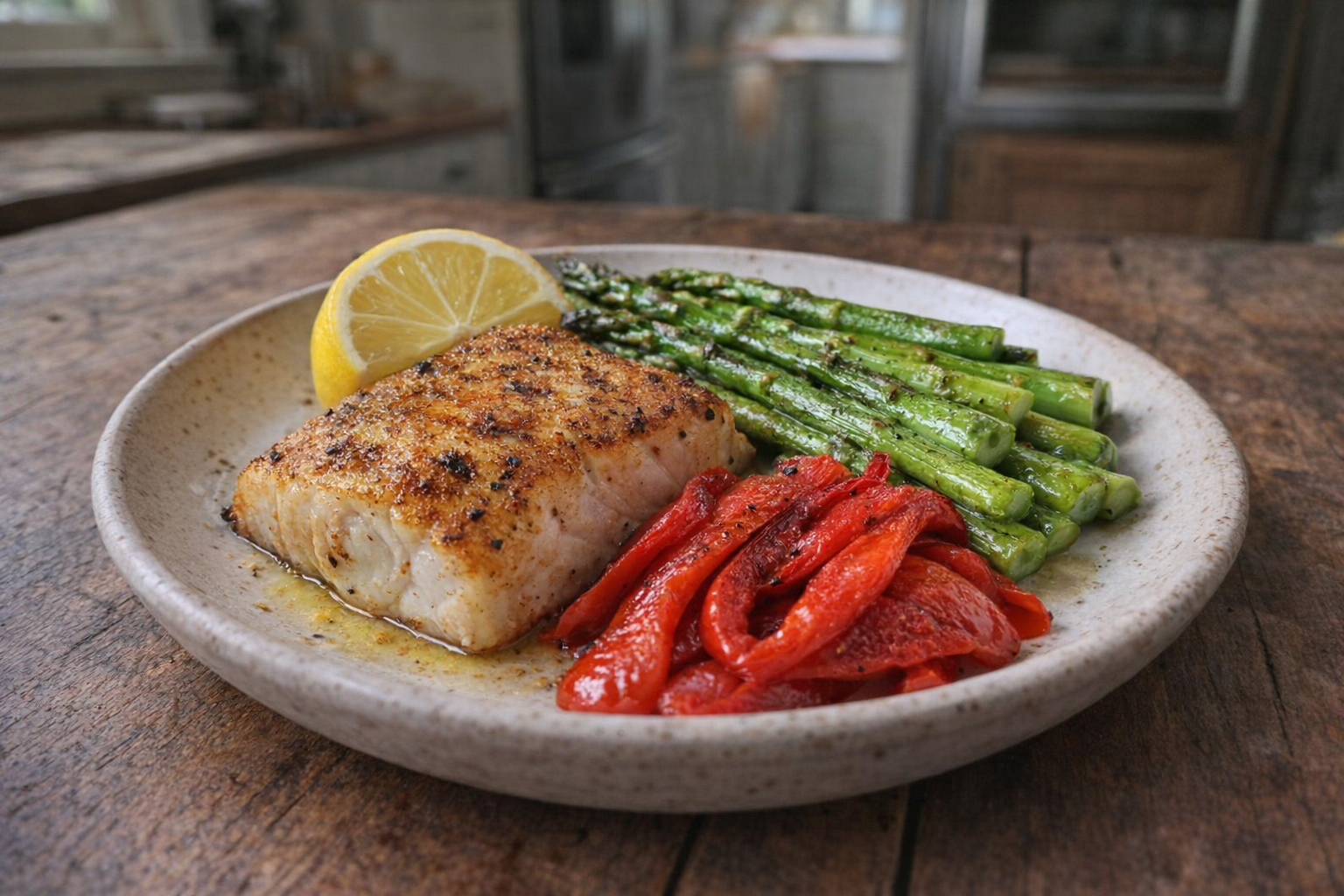
Introduction: Mahi Mahi, also known as Dorado, boasts a mild, sweet flavor and a firm, meaty texture that makes it incredibly versatile in the kitchen. It takes well to various cooking techniques, allowing you to explore different flavor profiles. Whether you're aiming for a crispy crust, a smoky char, or a delicate tenderness, Mahi Mahi delivers a satisfying culinary experience. This guide will walk you through three popular methods: pan-searing, oven-baking, and grilling, each designed to bring out the best in this delicious fish.
This guide emphasizes techniques favored by professional cooks, focusing on heat control, proper seasoning, and understanding doneness cues. Forget guesswork; you'll learn how to confidently prepare Mahi Mahi that's perfectly cooked every time. We use precise instructions and visual indicators to ensure success, whether you're a seasoned chef or a home cook looking to expand your repertoire.
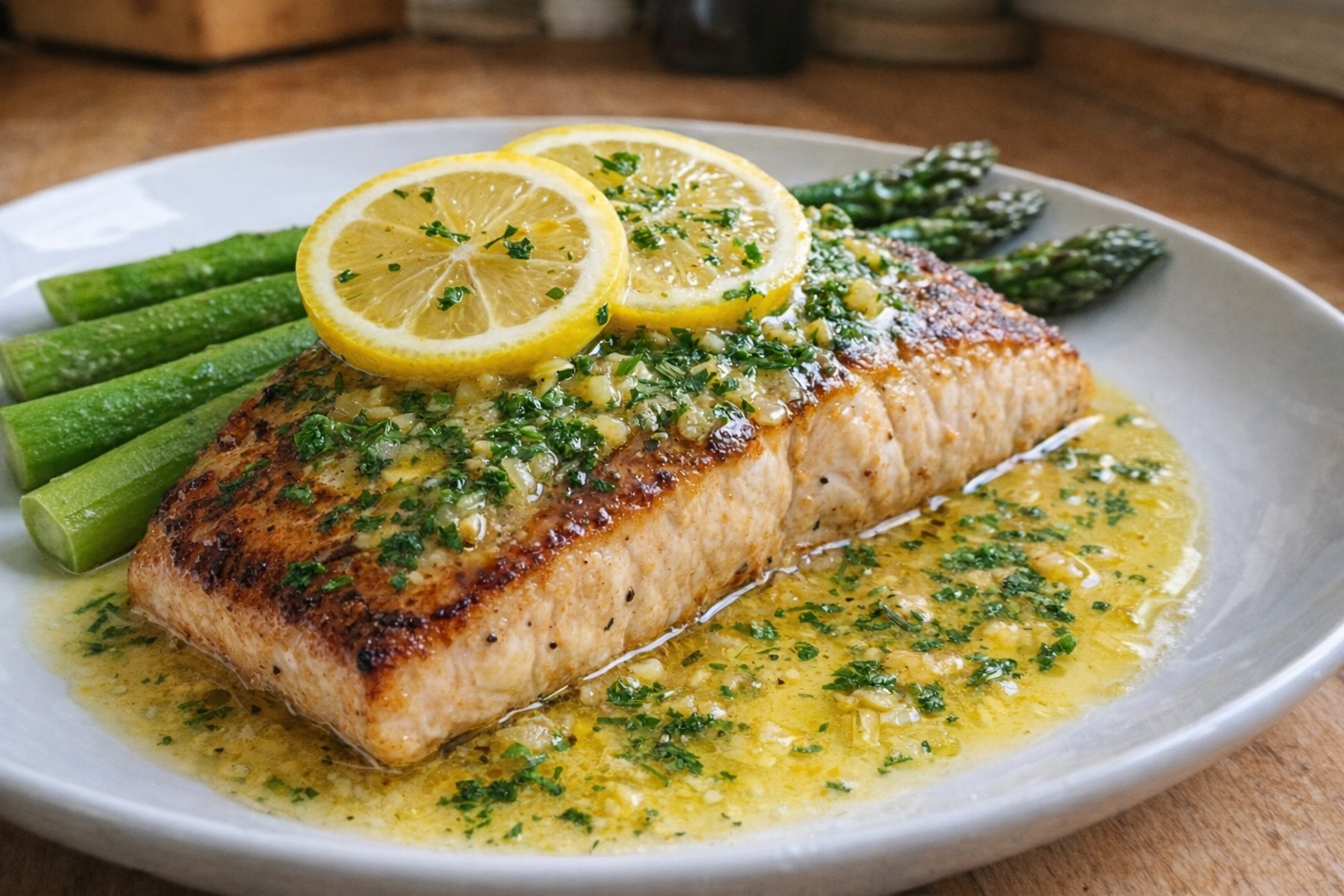
Understanding Mahi Mahi: Mahi Mahi is readily available in most seafood markets as fillets. When selecting Mahi Mahi, look for firm, moist flesh that has a translucent pinkish or light beige color. Avoid fillets that appear dull, slimy, or have a strong fishy odor, as these are signs of age and potential spoilage. Fresh Mahi Mahi should have a clean, ocean-like scent.
Mahi Mahi can be purchased fresh or frozen. If buying frozen, ensure the fish is properly sealed and shows no signs of freezer burn. Thaw frozen Mahi Mahi in the refrigerator overnight for the best results. Avoid thawing at room temperature, which can promote bacterial growth.
Why Cook Mahi Mahi This Way?
- Versatility: Mahi Mahi adapts well to various sauces and seasonings, making it suitable for diverse cuisines and flavor preferences.
- Flavor: Each cooking method enhances the natural sweetness of the fish in a unique way, from the smoky notes of grilling to the rich butteriness of pan-searing.
- Convenience: These three methods are relatively quick and easy, making Mahi Mahi a great option for weeknight meals.
- Thawing: If using frozen Mahi Mahi, thaw it in the refrigerator overnight. Pat the fillets dry with paper towels before cooking to remove excess moisture, which helps achieve a better sear.
- Cutting: Mahi Mahi fillets are typically sold in uniform sizes, but if necessary, trim them to ensure even thickness for consistent cooking. A fillet thickness of about 1 inch is ideal.
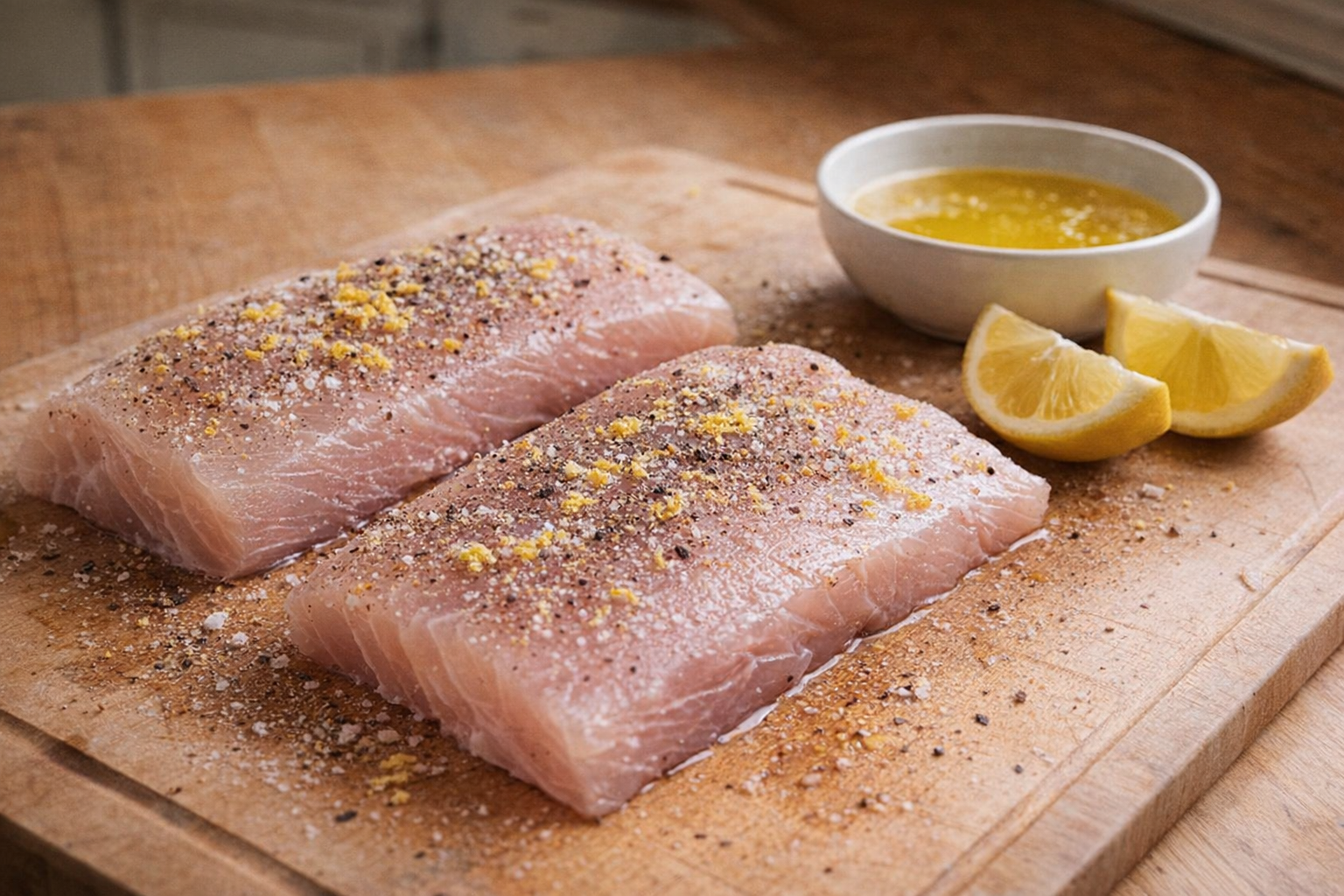
- Seasoning: Prepare your seasonings in advance. For pan-searing, a simple salt and pepper blend is often sufficient. For baking or grilling, you might opt for a more complex spice rub.
Essential Tools
- Cast Iron Skillet: Ideal for pan-searing due to its excellent heat retention and even distribution.
- Baking Sheet: Needed for baking the Mahi Mahi in the oven.
- Grill: Essential for grilling, a gas or charcoal grill can be used.
- Fish Spatula: A thin, flexible spatula designed for delicate fish, making it easier to flip without breaking.
- Instant-Read Thermometer: Crucial for verifying the internal temperature of the fish to ensure it's cooked to a safe and palatable level.
The Cooking Method(s):
Method 1: Pan-Seared Mahi Mahi with Lemon-Butter Sauce
Ingredients:
- Mahi Mahi fillets: 2 (4-6 ounces each)
- Olive oil: 2 tablespoons
- Salt: 1 teaspoon
- Black pepper: 1/2 teaspoon
- Lemon: 1/2, sliced into thin rounds; 1/2, juiced (about 1 1/2 tablespoons)
- Garlic: 2 cloves, minced
- Butter: 4 tablespoons, unsalted
- Fresh parsley: 2 tablespoons, chopped
- Prepare the Lemon: Slice half a lemon into thin rounds and juice the other half. Set aside.
- Season the Mahi Mahi: Pat the mahi mahi fillets dry with paper towels. Season generously with salt and pepper.
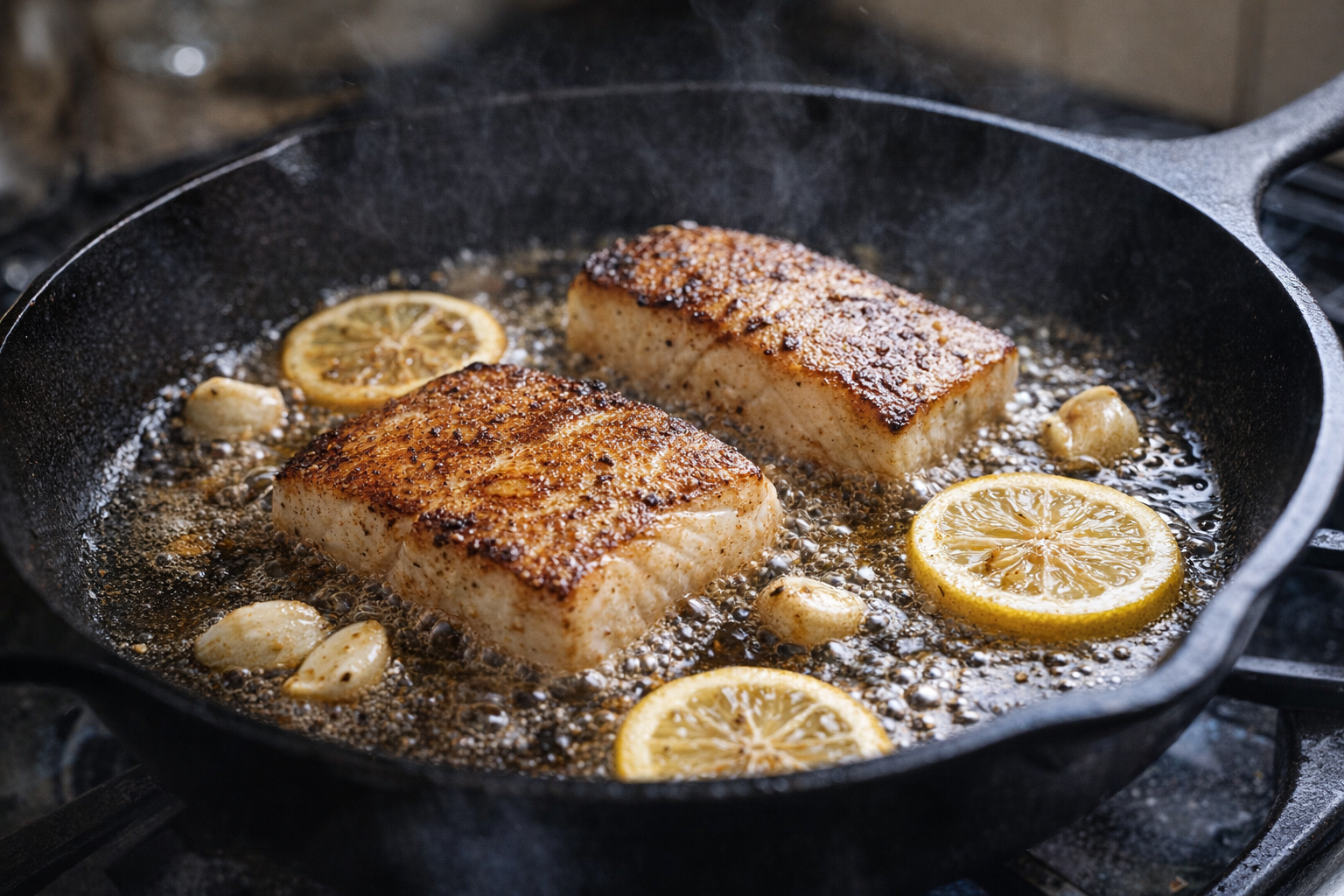
- Sear the Mahi Mahi: Heat olive oil in a cast iron skillet over medium-high heat until shimmering. Carefully place the seasoned fillets in the hot pan. Sear undisturbed for 4 minutes, listening for a sizzle.
- Flip and Cook: Flip the fillets and cook for an additional 2-4 minutes, or until the fish flakes easily with a fork. Transfer the cooked fillets to a serving platter.
- Prepare the Sauce Base: Reduce heat to medium-low. Add lemon juice, minced garlic, and remaining salt to the pan. Scrape up any browned bits from the bottom of the pan. The aroma of garlic will fill the air.
- Finish the Sauce: Add lemon slices to the pan. Gradually whisk in butter, one tablespoon at a time, until fully melted and emulsified into a silky sauce.
- Seasoning and Serving: Remove from heat and stir in fresh parsley. Taste and adjust seasoning as needed. Pour the lemon-butter sauce over the mahi mahi fillets. Serve immediately.
Method 2: Oven-Baked Mahi Mahi
Ingredients:
- Mahi Mahi fillets: 2 (4-6 ounces each)
- Olive oil: 2 tablespoons
- Salt: 1/2 teaspoon
- Black pepper: 1/4 teaspoon
- Paprika: 1/2 teaspoon
- Garlic powder: 1/4 teaspoon
- Dried thyme: 1/4 teaspoon
- Lemon: 1/2, sliced into thin rounds
- Butter: 2 tablespoons, melted
- Preheat the oven: Set your oven to 350°F (180ºC).
- Prepare the fish: Pat dry the mahi-mahi fillets with paper towels until they are very dry.
- Prepare the seasoning: In a small bowl, mix salt, black pepper, paprika, garlic powder, and dried thyme.
- Arrange the fish: Place the dried mahi-mahi fillets on a baking sheet lined with parchment paper.
- Add butter and seasoning: Drizzle or brush melted butter over the top of each fillet. Next, sprinkle the seasoning mix evenly over each fillet.
- Add lemon slices: Place a few thin lemon slices on top of each seasoned fillet.
- Bake the fish: Place the tray in the preheated oven and bake for 12-14 minutes. The exact cooking time may vary depending on the thickness of your fillets. The fish is done when it flakes easily with a fork and reaches an internal temperature of 145°F (63°C).
- Serve: Remove the fish from the oven and let it rest for a minute or two. Serve warm, garnished with fresh chopped parsley and a squeeze of fresh lemon juice for added brightness.
Method 3: Grilled Mahi Mahi
Ingredients:
- Mahi Mahi fillets: 2 (4-6 ounces each)
- Olive oil: 2 tablespoons
- Paprika: 1 teaspoon
- Dried oregano: 1/2 teaspoon
- Ground cumin: 1/4 teaspoon
- Garlic powder: 1/2 teaspoon
- Onion powder: 1/4 teaspoon
- Salt: 1/2 teaspoon
- Black pepper: 1/4 teaspoon
- Lemon: 1/2, juiced
- Preheat the grill: Set your gas grill to medium-high heat (450°F/230°C). Lightly oil the grates.
- Prepare the spice mixture: In a small bowl, combine paprika, oregano, cumin, garlic powder, onion powder, salt, and pepper.
- Prepare the fish: Brush both sides of the mahi mahi fillets with olive oil. Generously season both sides with the spice mixture, pressing gently.
- Grill the mahi mahi: Place the seasoned fillets on the preheated, oiled grill grates. Cook for about 4-5 minutes per side. Listen for the sizzle as the fish makes contact with the hot grill.
- Finish and serve: Once cooked, remove the mahi mahi from the grill. Drizzle fresh lemon juice over the fillets. Serve immediately.
Cooking Time & Doneness Guide
- Pan-Seared: 6-8 minutes total (4 minutes per side, adjusted based on thickness).
- Oven-Baked: 12-14 minutes at 350°F (180°C).
- Grilled: 8-10 minutes total (4-5 minutes per side).
Visual Cues
- Color: The flesh should be opaque and no longer translucent.
- Texture: The fish should flake easily with a fork, but still be moist and tender, not dry or rubbery.
Tips for Perfection
- Don't Overcrowd the Pan: Cook the fillets in batches if necessary to avoid lowering the pan temperature, which can result in steaming instead of searing.
- Use High Heat for Searing: A hot pan is essential for achieving a crispy crust. Make sure the oil is shimmering before adding the fish.
- Avoid Overcooking: Mahi Mahi can dry out quickly if overcooked. Use a thermometer and visual cues to ensure it's cooked to perfection.
- Pat Dry: Always pat the fillets dry with paper towels before cooking to remove excess moisture.
Storage & Reheating
Store leftover cooked Mahi Mahi in an airtight container in the refrigerator for up to 2-3 days. To reheat, gently warm in a skillet over low heat or in a microwave in short intervals to prevent drying out. Reheating can affect the texture, so consider using leftovers in salads or tacos where a slight change in texture is less noticeable.
Serving Suggestions
- Mahi Mahi Tacos: Flake the cooked Mahi Mahi and serve in warm tortillas with shredded cabbage, pico de gallo, and a creamy avocado sauce.
- Mahi Mahi Salad: Top a bed of mixed greens with grilled or pan-seared Mahi Mahi, sliced avocado, cherry tomatoes, and a citrus vinaigrette.
- Mahi Mahi with Roasted Vegetables: Serve alongside roasted asparagus, bell peppers, and zucchini for a healthy and colorful meal.
- Mahi Mahi Sandwich: Create a delicious sandwich with grilled Mahi Mahi, lettuce, tomato, and a lemon-herb aioli on a toasted bun.
💡 Pro Tips
- Pat the mahi mahi fillets completely dry with paper towels before seasoning to ensure a golden, crispy crust when pan-searing.
- Use an instant-read thermometer to pull the fish off the heat once it reaches an internal temperature of 135°F to 140°F, allowing carryover cooking to reach the final 145°F.
- Apply a light coating of high-smoke point oil directly to the fish rather than the pan or grill to prevent sticking and ensure even heat distribution.
- When grilling, let the fish cook undisturbed for several minutes until it naturally releases from the grates to keep the delicate flesh from tearing.
- Brush the fillets with a mixture of melted butter and citrus juice before baking to help lock in moisture and enhance the fish's mild flavor.
Frequently Asked Questions
If you can't find Mahi Mahi, other firm, white fish like swordfish, tuna, or even cod can be used as a substitute. Keep in mind that cooking times may need to be adjusted slightly depending on the thickness of the fish you choose.
The best way to check for doneness is to use a fork to gently flake the fish. If it flakes easily and is opaque throughout, it's cooked. The internal temperature should reach 145°F (63°C) for safe consumption.
Cooked Mahi Mahi can be stored in the refrigerator for up to 3-4 days. Make sure to store it in an airtight container to maintain its quality and prevent it from drying out.
Sticking often happens when the pan isn't hot enough or the fish is too wet. Ensure your pan is properly preheated over medium-high heat before adding oil, and pat the Mahi Mahi fillets completely dry with paper towels before searing.