 delishing
How to Cook Pasta Perfectly on the Stove

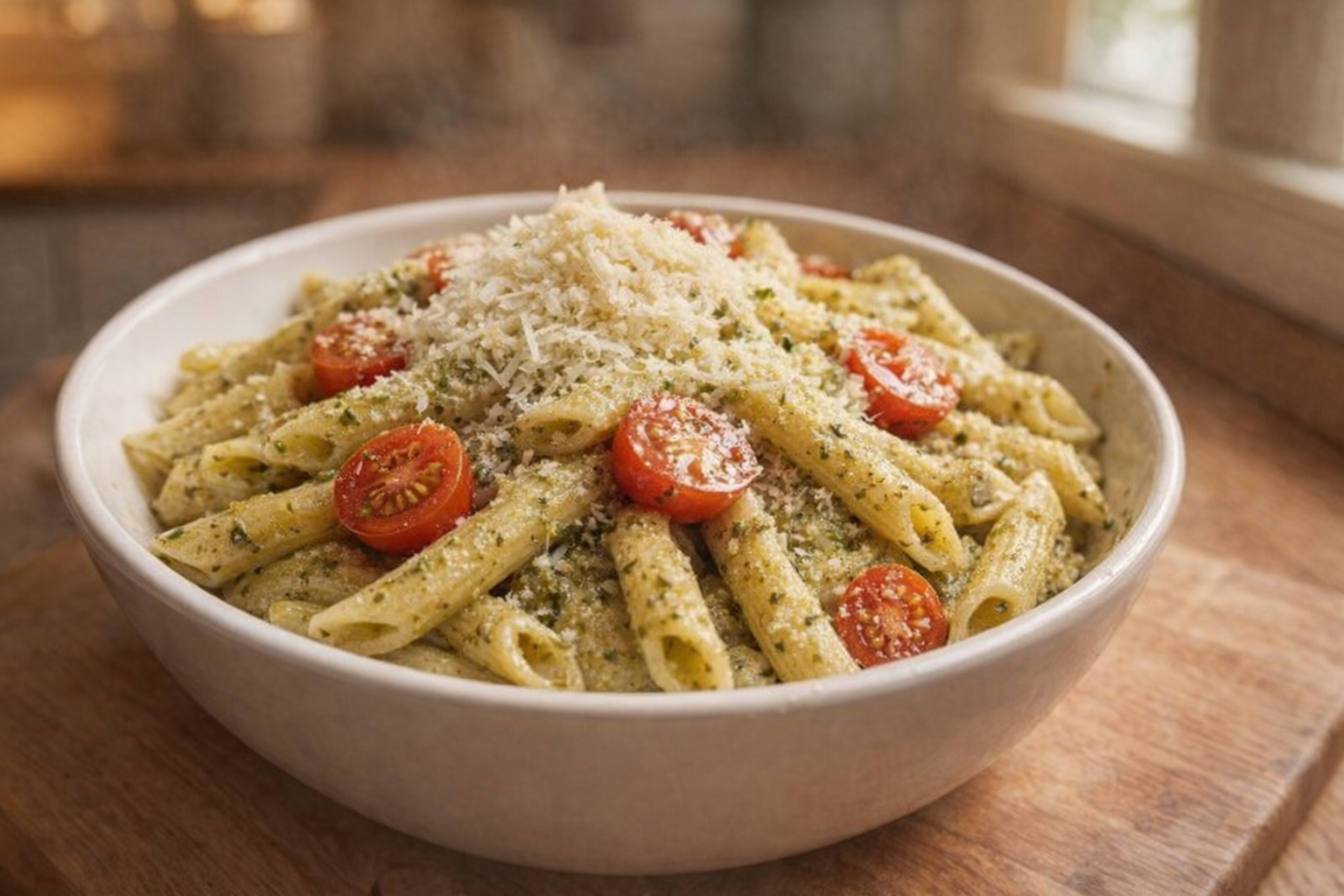
Perfectly cooked pasta, with its slightly al dente bite, is the foundation for countless delicious meals. This guide will walk you through the fundamental steps to achieve pasta perfection every time. Mastering this simple skill opens the door to a world of culinary possibilities, from simple weeknight dinners to elegant pasta creations.
Boiling pasta correctly isn't just about following a recipe; it's about understanding the nuances of heat, water, and salt. We aim for pasta that's cooked through but still firm to the tooth, avoiding the pitfalls of mushy or undercooked results. With the right technique, you'll consistently create pasta that's ready to soak up your favorite sauces and complement your culinary creations.
Understanding Pasta
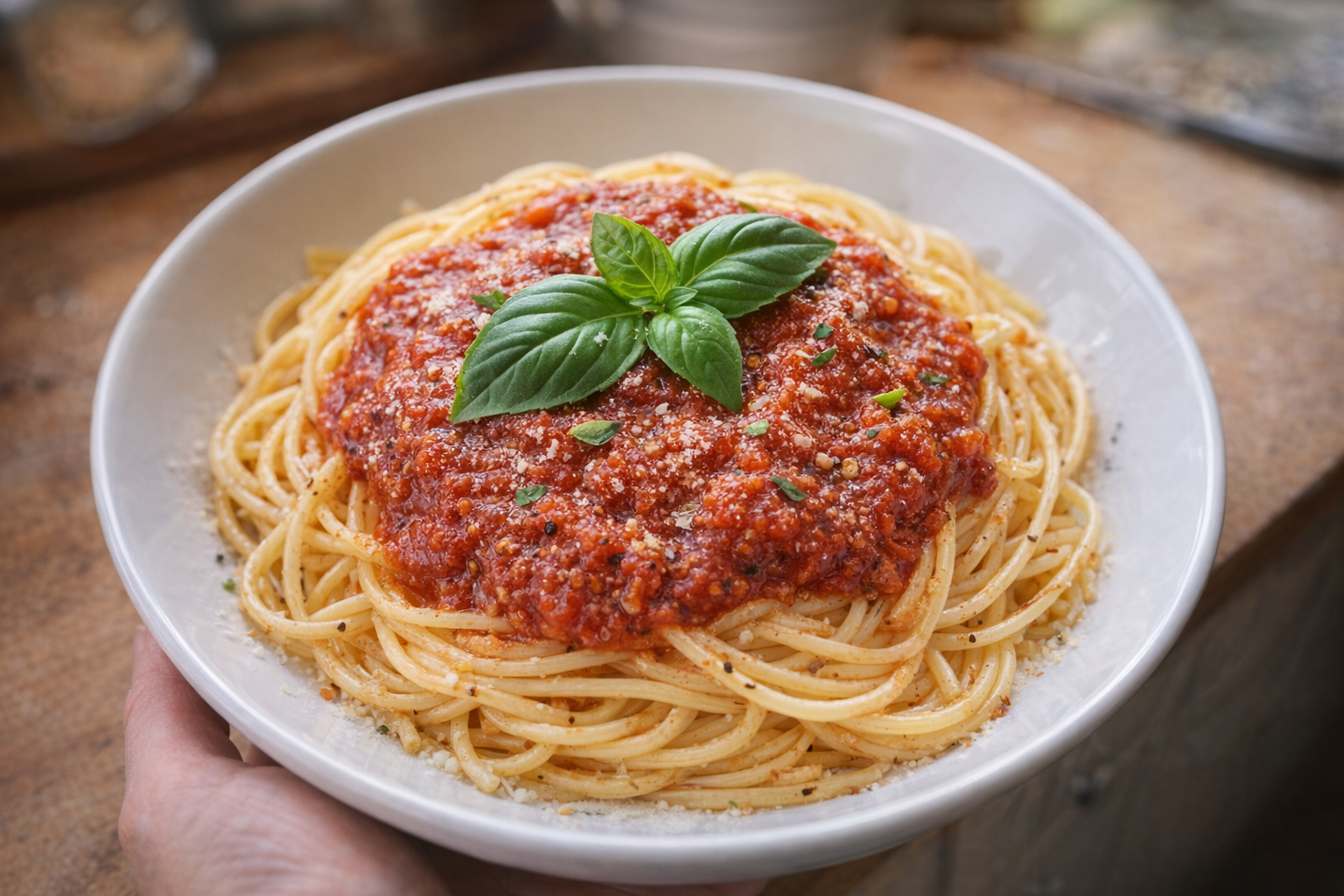
Pasta comes in a dizzying array of shapes and sizes, each designed to pair best with specific sauces. Long, thin shapes like spaghetti and linguine work well with light, oil-based sauces or creamy sauces that cling to the strands. Tubular shapes like penne and rigatoni are ideal for chunkier sauces, as the ridges and hollows trap the ingredients. Smaller shapes like farfalle (bow ties) and rotini (spirals) add visual appeal and are versatile for salads and baked dishes.
When buying pasta, look for brands made with durum wheat semolina. This type of wheat has a high protein content, which helps the pasta retain its shape and texture during cooking. Avoid pasta with a pale or dusty appearance, as it may be of lower quality. For a richer flavor and slightly firmer texture, consider bronze-die pasta, which is extruded through bronze dies instead of Teflon. Fresh pasta cooks much faster than dried pasta, so adjust your cooking time accordingly. Consider a high-quality Italian brand like DeCecco or Barilla for consistent results.
Why Cook Pasta This Way?
- Versatility: Boiled pasta can be the base for endless dishes, from simple pasta salads to complex baked casseroles.
- Flavor: Correctly boiled pasta allows the natural wheat flavor to shine and perfectly absorb the sauce.
- Convenience: It’s a quick and easy cooking method, perfect for weeknight meals.
Preparation (Mise en Place)
Before you even think about turning on the stove, gather everything you need. This ensures a smooth and stress-free cooking process.
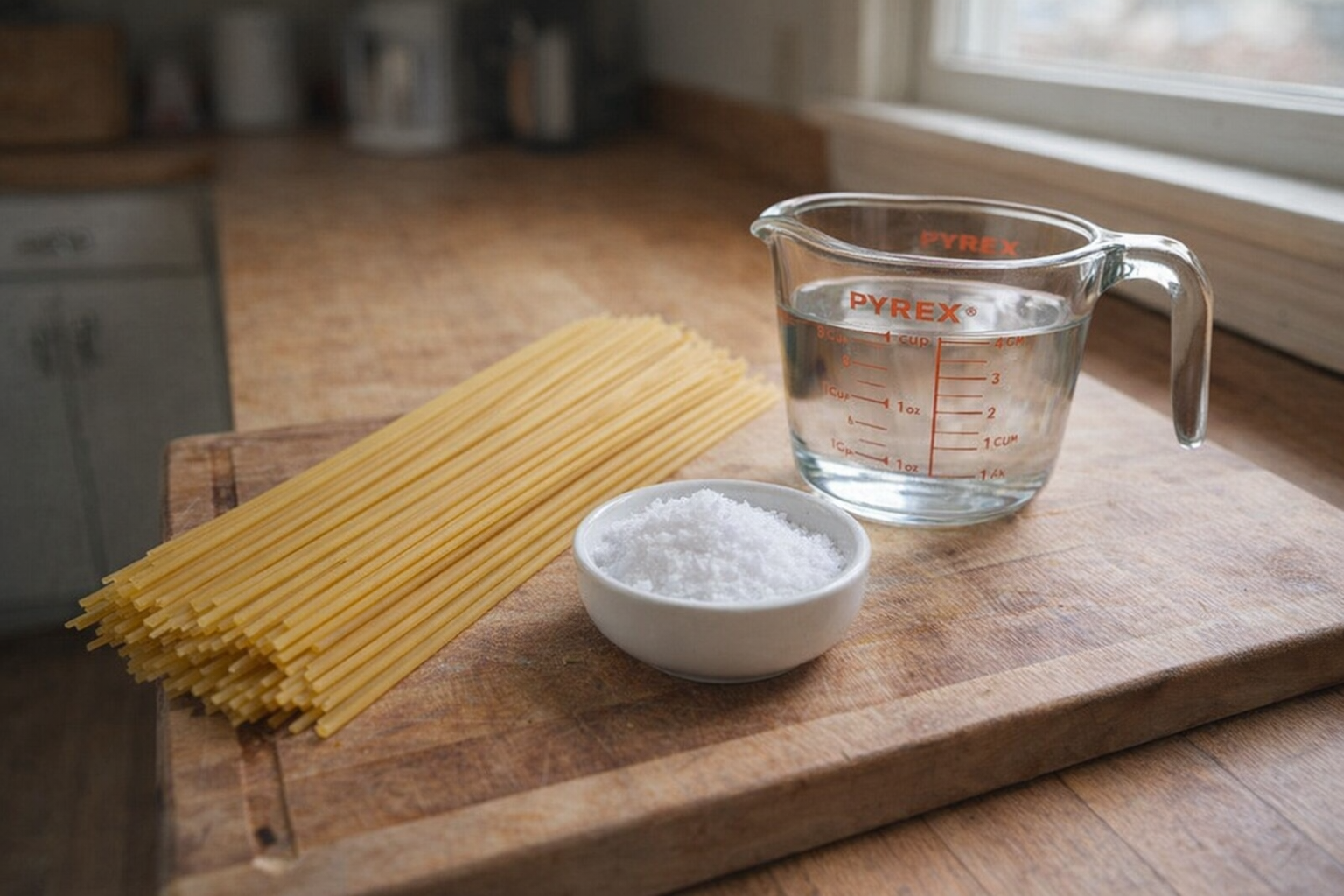
- Measure out your desired amount of pasta. A general guideline is 2 ounces (56 grams) of dry pasta per person.
- Have your salt ready to go. Don't underestimate the importance of salting the water generously!
Essential Tools:
- Large Pot (6-8 quarts): A large pot ensures the pasta has enough room to move freely and cook evenly. Overcrowding leads to sticky, unevenly cooked pasta.
- Lid: While not essential during the actual cooking process, a lid helps bring the water to a boil faster.
- Measuring Cup: Accurate measurements of pasta ensures proper portioning.
- Slotted Spoon or Kitchen Tongs: These are vital for testing doneness and removing the cooked pasta from the water. A colander can also be used.
- Timer: A timer prevents under or overcooking the pasta.
The Cooking Method
Boiling Pasta: The Definitive Guide
This method will guide you to pasta perfection every time. The key is to use enough water, salt it generously, and cook the pasta to al dente.
Ingredients:
- Pasta: 8 ounces (225g)
- Water: 6 quarts (5.6 liters)
- Salt: 2 tablespoons (30ml)
Instructions:
- Bring Water to a Rolling Boil: Fill your large pot with 6 quarts (5.6 liters) of cold water. Add 2 tablespoons (30ml) of salt. The water should taste noticeably salty – like seawater. Cover the pot with a lid to speed up the boiling process.
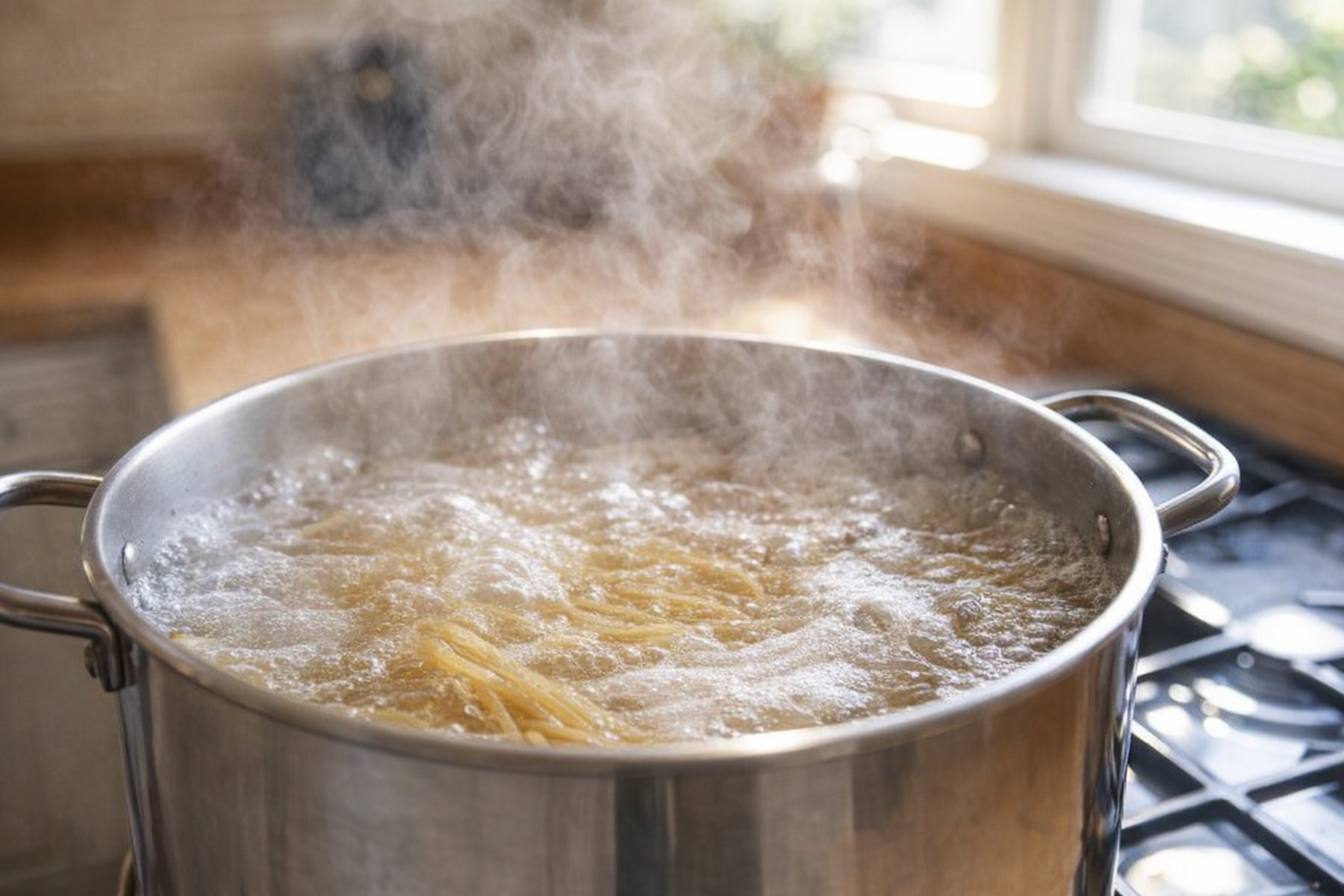
- Add the Pasta: Once the water is at a rolling boil, remove the lid and carefully add the pasta. Stir immediately to prevent the pasta from sticking together or to the bottom of the pot.
- Cook to Al Dente: Cook the pasta according to the package directions, but start checking for doneness a minute or two before the recommended time. Stir occasionally to ensure even cooking.
- Test for Doneness: The pasta should be "al dente," meaning "to the tooth" in Italian. It should be firm to the bite with a slight resistance in the center, not mushy or soft. Use a slotted spoon or kitchen tongs to retrieve a piece of pasta. Let it cool slightly, then taste it.
- Drain Immediately: Once the pasta is cooked to your liking, immediately drain it in a colander. Do not rinse the pasta unless you are making a cold pasta salad. Rinsing removes the starches that help the sauce adhere to the pasta.
Cooking Time & Doneness Guide
Cooking times vary depending on the shape and thickness of the pasta. Refer to the package directions as a starting point, but always test for doneness yourself.
- Spaghetti, Linguine, Fettuccine: 8-10 minutes
- Penne, Rigatoni, Farfalle: 10-12 minutes
- Macaroni, Elbows: 6-8 minutes
Visual Cues:
- The pasta will change color from opaque to a more translucent appearance.
- It will plump up slightly in size.
- When cut in half, there should be a very thin, barely visible white line in the center if it is truly al dente.
Tips for Perfection
- Use Enough Water: Don't skimp on the water! Too little water results in sticky, unevenly cooked pasta.
- Salt the Water Generously: Salting the water seasons the pasta from the inside out. Don't be afraid to add enough salt – it should taste like seawater.
- Stir Frequently: Stirring the pasta prevents it from sticking together, especially in the first few minutes of cooking.
- Don't Overcook: Overcooked pasta is mushy and unappetizing. Start checking for doneness a few minutes before the recommended cooking time.
Storage & Reheating
Cooked pasta can be stored in an airtight container in the refrigerator for up to 3-5 days. To prevent the pasta from sticking together, toss it with a little olive oil before storing. Reheat leftover pasta in a skillet with a little sauce or water until heated through. You can also microwave it, but be careful not to overcook it.
Serving Suggestions
- With Classic Marinara Sauce: A simple but satisfying combination.
- In a Creamy Alfredo Sauce: A rich and decadent treat.
- As a Cold Pasta Salad: Toss with vegetables, cheese, and vinaigrette for a refreshing summer dish.
- Baked into a Casserole: Combine with meat, vegetables, and cheese for a hearty and comforting meal.
💡 Pro Tips
- Add a generous amount of salt to the boiling water before adding the pasta to season the noodles from the inside out.
- Stir the pasta immediately after dropping it into the pot to prevent the strands from sticking together or to the bottom.
- Start testing the pasta for doneness two minutes before the package's recommended cooking time to ensure a perfect al dente texture.
- Reserve at least one cup of the starchy pasta cooking water before draining to help emulsify and bind your sauce to the noodles.
- Avoid rinsing the cooked pasta with cold water because the remaining surface starch is essential for helping the sauce cling to the pasta.
Frequently Asked Questions
You should add a generous amount of salt to the pasta water, about 1-2 tablespoons per gallon of water. The salty water seasons the pasta from the inside out, enhancing its flavor and preventing it from tasting bland.
Sticking is often caused by not using enough water or not stirring the pasta frequently enough during the first few minutes of cooking. Make sure you're using a large pot with plenty of water, and stir the pasta immediately after adding it to the boiling water to prevent clumping.
Adding olive oil to the pasta water is generally not recommended. It doesn't effectively prevent sticking and can actually coat the pasta, preventing the sauce from adhering properly. Proper salting and stirring are more effective methods.
While durum wheat semolina pasta is ideal for its texture and ability to hold its shape, you can use other types of pasta if needed. Just be aware that the texture might be slightly different, and it may cook a bit faster, so keep a close eye on it.