 delishing
How to Cook Perfect Fluffy White Rice on the Stove

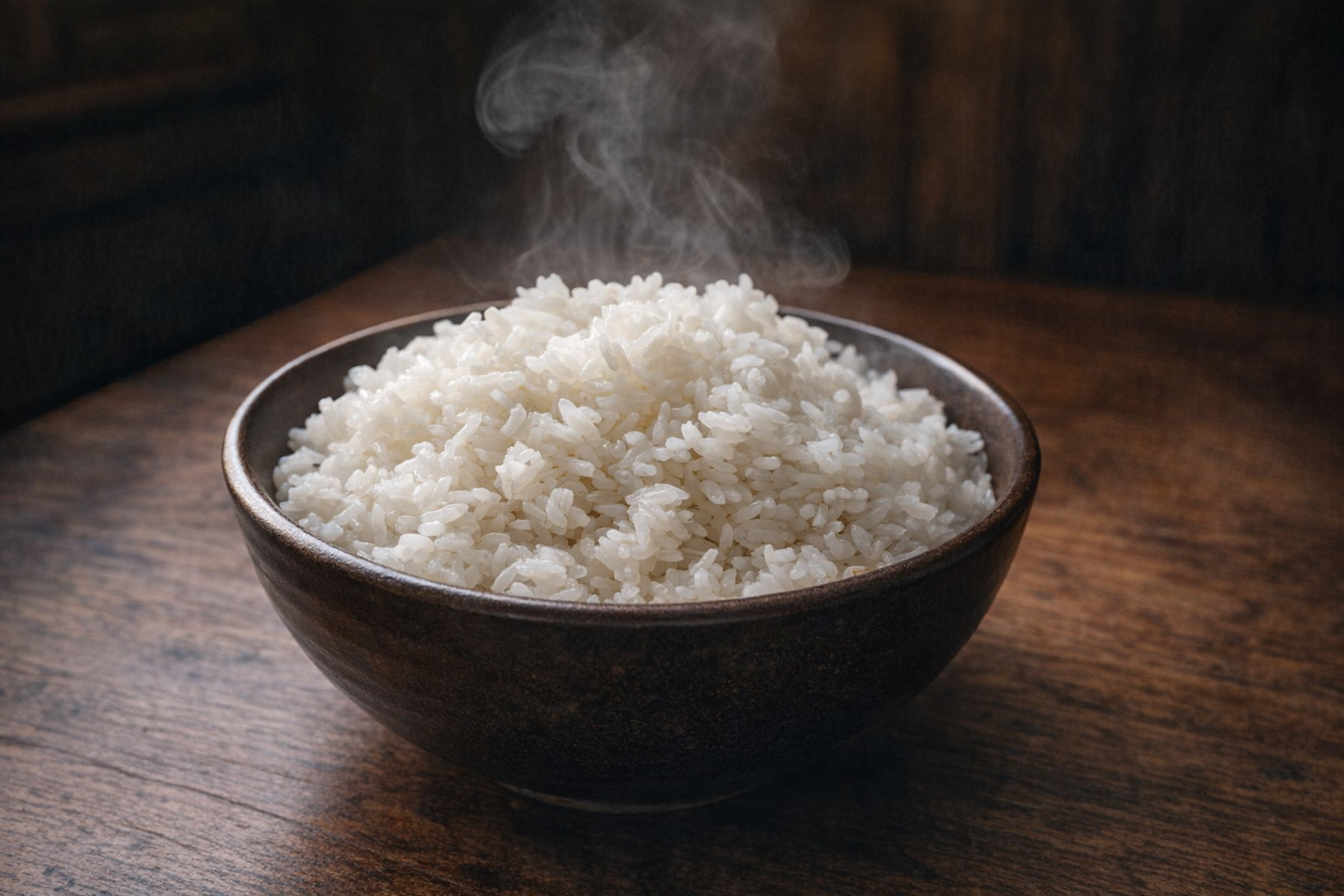
White rice, a global staple, offers a blank canvas for a multitude of flavors. When cooked correctly, each grain is tender, fluffy, and separate, creating a satisfying texture. Mastering stovetop rice cookery delivers consistently excellent results. The method we'll explore ensures even cooking and proper hydration, vital for achieving that perfect, slightly toothsome bite.
This guide demystifies the process, providing step-by-step instructions that incorporate sensory cues to help you gauge doneness and adjust cooking times for your specific stovetop. With practice, you'll be able to produce consistently perfect white rice every time.
Understanding White Rice:
White rice comes in several varieties, primarily categorized by grain length. Long-grain rice, such as Basmati and Jasmine, cooks up light and fluffy, with distinct individual grains. Medium-grain rice, like Arborio, is starchier and tends to cling together slightly. Short-grain rice, often used in sushi, is the stickiest. This recipe is specifically designed for long-grain white rice. When purchasing, look for rice that is uniform in color and free of debris. Store it in an airtight container in a cool, dry place.
- Versatility: White rice complements almost any cuisine, from Asian stir-fries to Latin American stews.
- Flavor: Properly cooked white rice has a subtle, clean flavor that doesn't overpower other ingredients.
- Convenience: Stovetop rice cookery is a simple, hands-off method that requires minimal effort.
Preparation (Mise en Place)
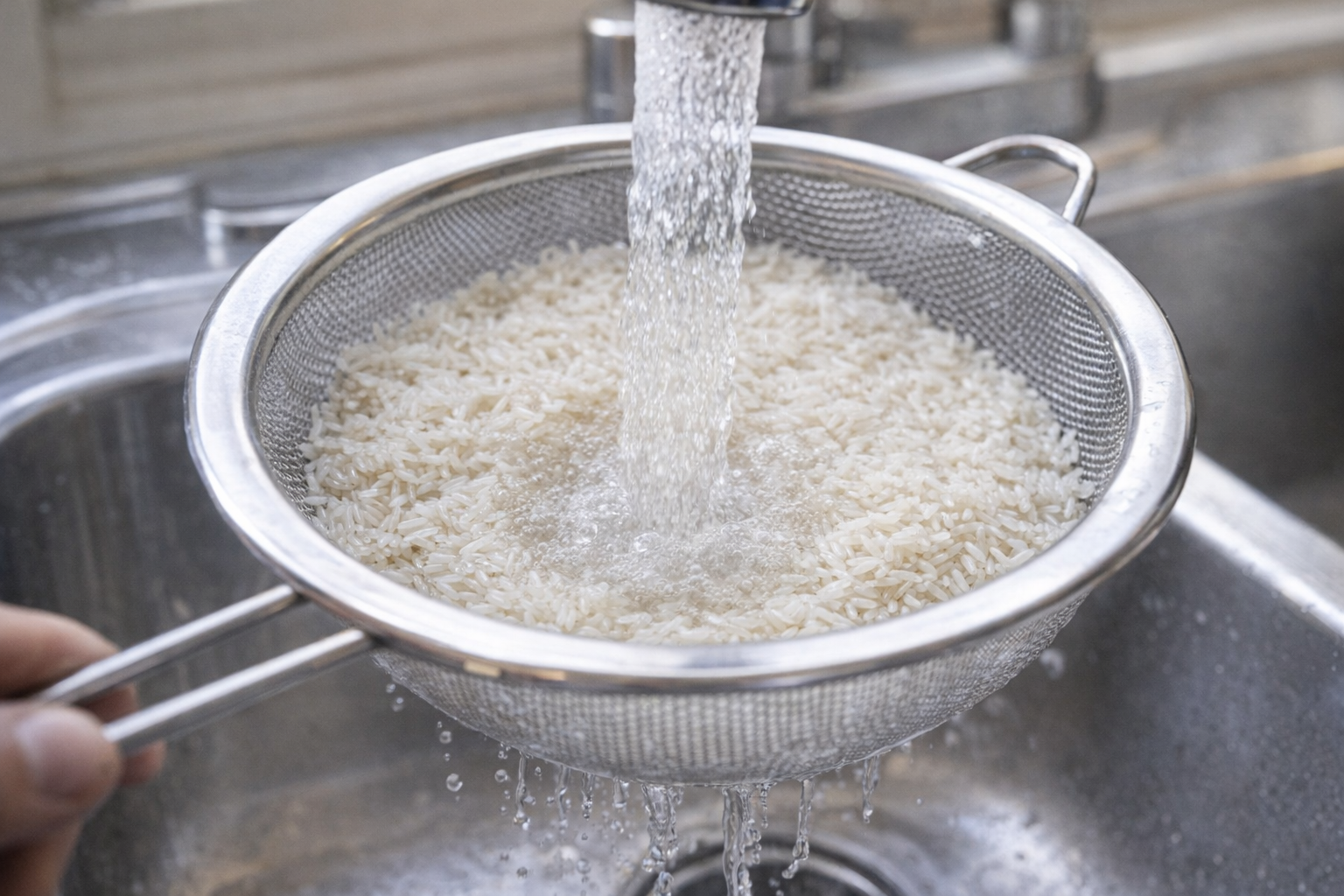
- Rinsing: Place the rice in a fine-mesh sieve. Rinse under cold running water, agitating the rice with your hand, until the water runs clear. This removes excess starch, preventing stickiness.
- Measuring: Accurately measure the rice and water using a liquid measuring cup for the water.
Essential Tools
- Heavy-Bottomed Saucepan: A 2-3 quart heavy-bottomed saucepan ensures even heat distribution, preventing scorching. We recommend stainless steel or enameled cast iron.
- Tight-Fitting Lid: Essential for trapping steam and ensuring even cooking.
- Fine-Mesh Sieve: For rinsing the rice effectively.
- Measuring Cups and Spoons: Accurate measurements are key to consistent results.
The Cooking Method
Ingredients:
- 1 cup (200g) long-grain white rice
- 1 1/2 cups (360ml) water
- 1/2 teaspoon (3g) kosher salt (optional)
- Combine Ingredients: In the heavy-bottomed saucepan, combine the rinsed rice, water, and salt (if using). The water should look slightly cloudy at this stage.
- Bring to a Boil: Place the saucepan over high heat and bring the mixture to a rolling boil. You'll hear the vigorous bubbling as the water rapidly evaporates.
- Reduce Heat and Simmer: Once boiling, immediately reduce the heat to the lowest setting. The surface of the rice should have very gentle bubbles.
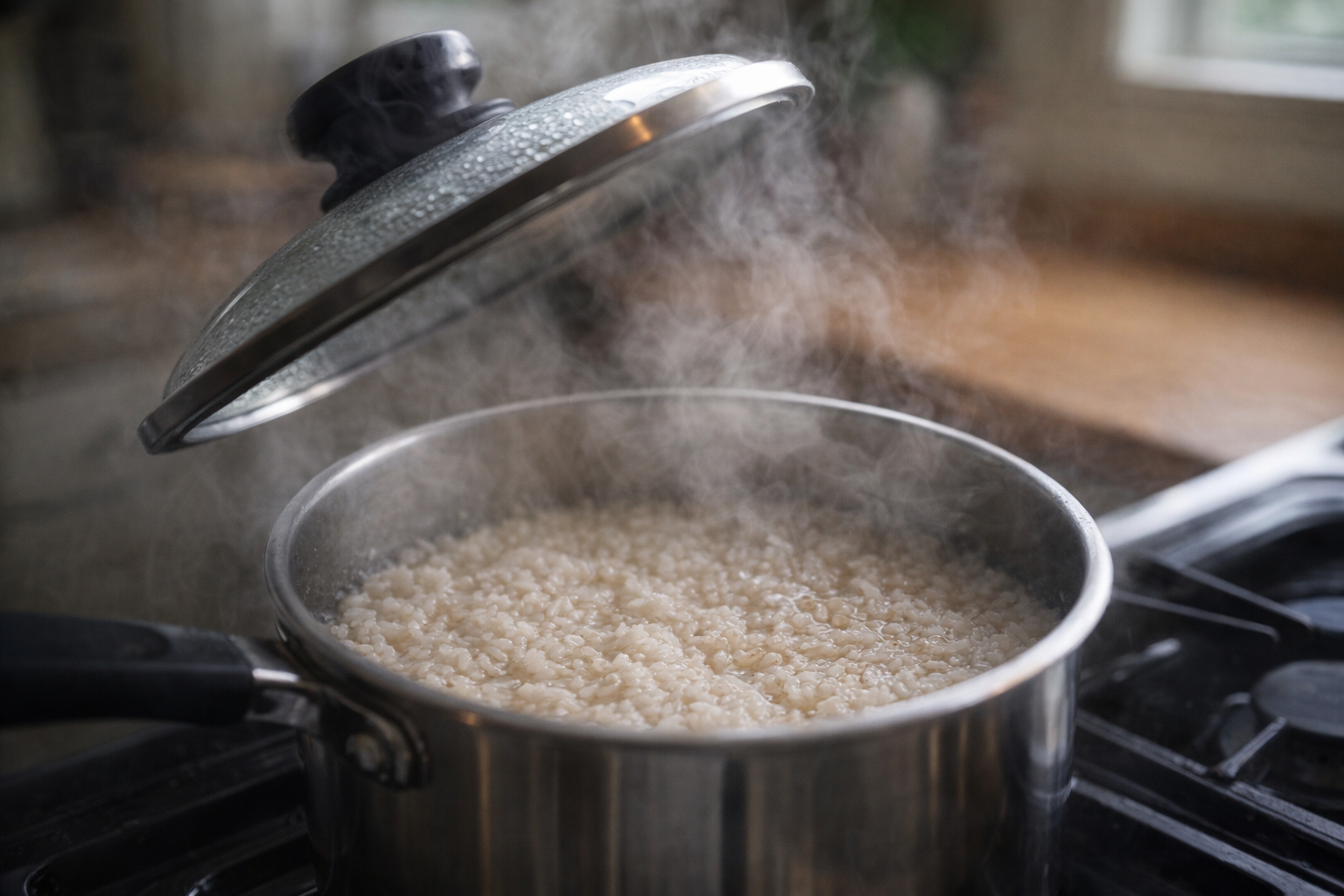
- Cover and Cook: Cover the saucepan with the tight-fitting lid and set a timer for 15 minutes. It's crucial to resist the urge to lift the lid during this time, as this will release steam and disrupt the cooking process. The smell will change from a starchy, slightly raw aroma to a cleaner, more cooked fragrance.
- Rest: After 15 minutes, remove the saucepan from the heat. Keep the lid on and let the rice rest for 10 minutes. This allows the remaining steam to evenly distribute and finish cooking the rice.
- Fluff and Serve: After the resting period, remove the lid. Use a fork to gently fluff the rice, separating the grains. The rice should be tender and fluffy, with no standing water in the pan. Serve immediately.
Cooking Time & Doneness Guide
- Total Cooking Time: Approximately 25 minutes (15 minutes simmering, 10 minutes resting).
- Internal Temperature: Not applicable for rice.
Visual Cues
The rice is done when all the water has been absorbed and the grains are tender and fluffy. If there's still water in the pan after 15 minutes, continue simmering for a few more minutes, checking frequently.
Tips for Perfection
- Avoid Overcrowding: Using too much rice for the size of your saucepan can lead to uneven cooking.
- Resist Stirring: Stirring the rice during cooking releases starch and can result in sticky rice.
- Adjust Water Ratio: Depending on your altitude and stovetop, you may need to slightly adjust the water ratio. Start with 1 1/2 cups of water for 1 cup of rice, and adjust accordingly in future batches.
- Heavy-Bottomed Pan is Crucial: A thin pan will burn the rice at the bottom before the top is cooked.
Storage & Reheating
- Storage: Allow the cooked rice to cool completely before transferring it to an airtight container. Store in the refrigerator for up to 3 days.
- Reheating: To reheat, add a tablespoon of water per cup of rice to a microwave-safe dish. Cover and microwave on medium power for 1-2 minutes, or until heated through. You can also reheat rice in a saucepan over low heat, adding a small amount of water and stirring frequently.
Serving Suggestions
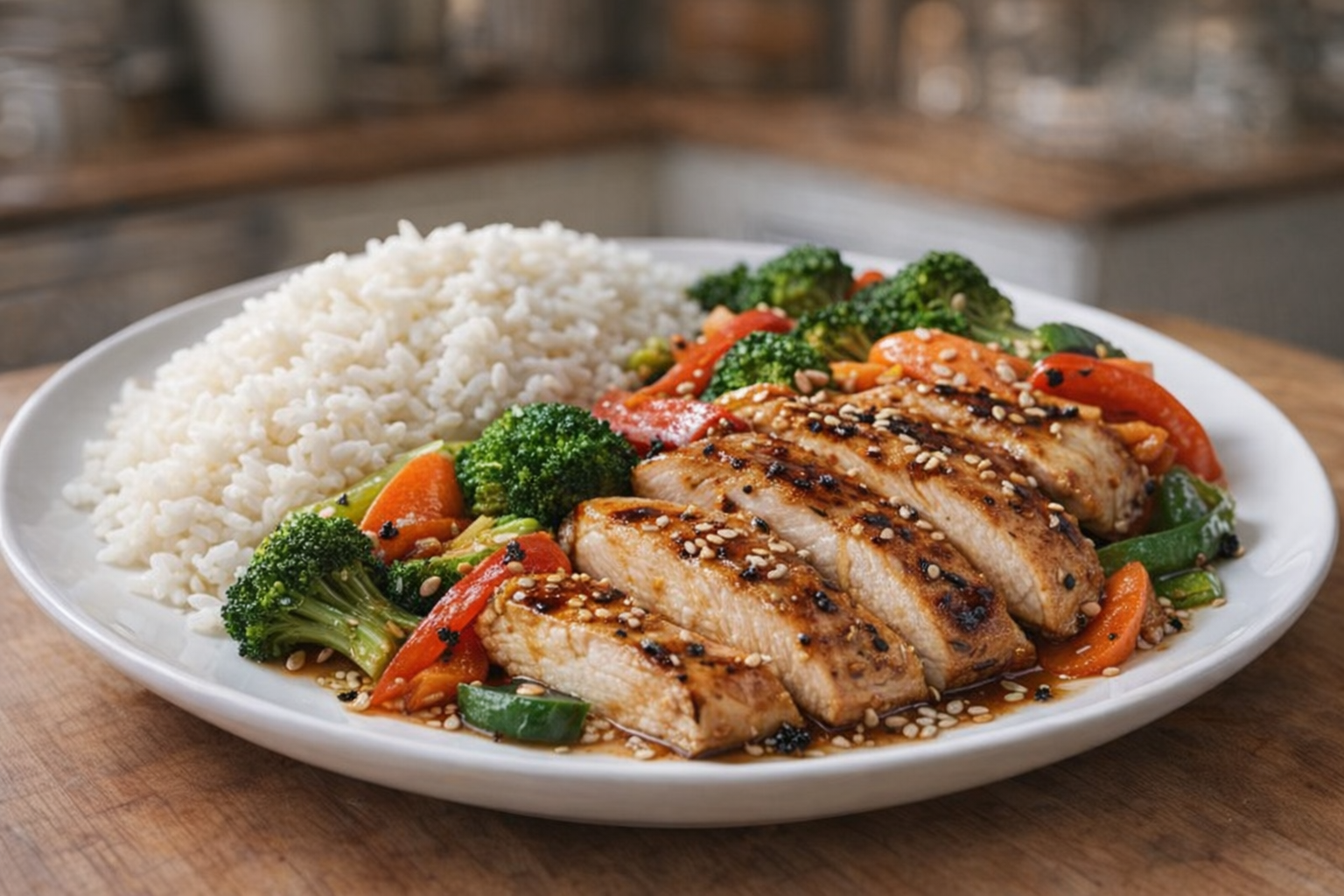
- Stir-Fries: The perfect base for a variety of stir-fried vegetables and proteins.
- Rice Bowls: Top with grilled chicken, avocado, beans, and your favorite sauce for a quick and healthy meal.
- Side Dish: Serve alongside roasted meats, grilled fish, or vegetable curries.
- Rice Pudding: Use leftover rice to make a comforting and creamy rice pudding.
💡 Pro Tips
- Rinse the dry rice thoroughly in a fine-mesh sieve until the water runs clear to remove excess starch that causes clumping.
- Maintain a precise one-to-two ratio of rice to water to ensure every grain is perfectly hydrated and tender.
- Keep the lid tightly sealed throughout the entire cooking process to trap the steam necessary for even heat distribution.
- Allow the rice to rest undisturbed for at least ten minutes after turning off the heat to let the moisture redistribute.
- Use a fork instead of a spoon to gently fluff the cooked rice, which separates the grains while preserving their delicate structure.
Frequently Asked Questions
While a heavy-bottomed saucepan is ideal for even heat distribution, you can still cook rice successfully in a regular saucepan. Just keep a closer eye on it and reduce the heat to the lowest setting possible after the initial boil to prevent scorching.
Yes, using chicken broth or vegetable broth will add flavor to your rice. Just be mindful of the salt content in the broth and adjust the amount of added salt accordingly, or omit it entirely.
Allow the rice to cool completely before storing it in an airtight container in the refrigerator. Use the refrigerated rice within 3-4 days for optimal quality and food safety.
If your rice is still crunchy, it likely needs more moisture. Add 1/4 cup of water to the saucepan, cover, and continue simmering on low heat for another 5-10 minutes, checking for doneness periodically.