 delishing
How to Cook Plantains on the Stove: A Culinary Guide

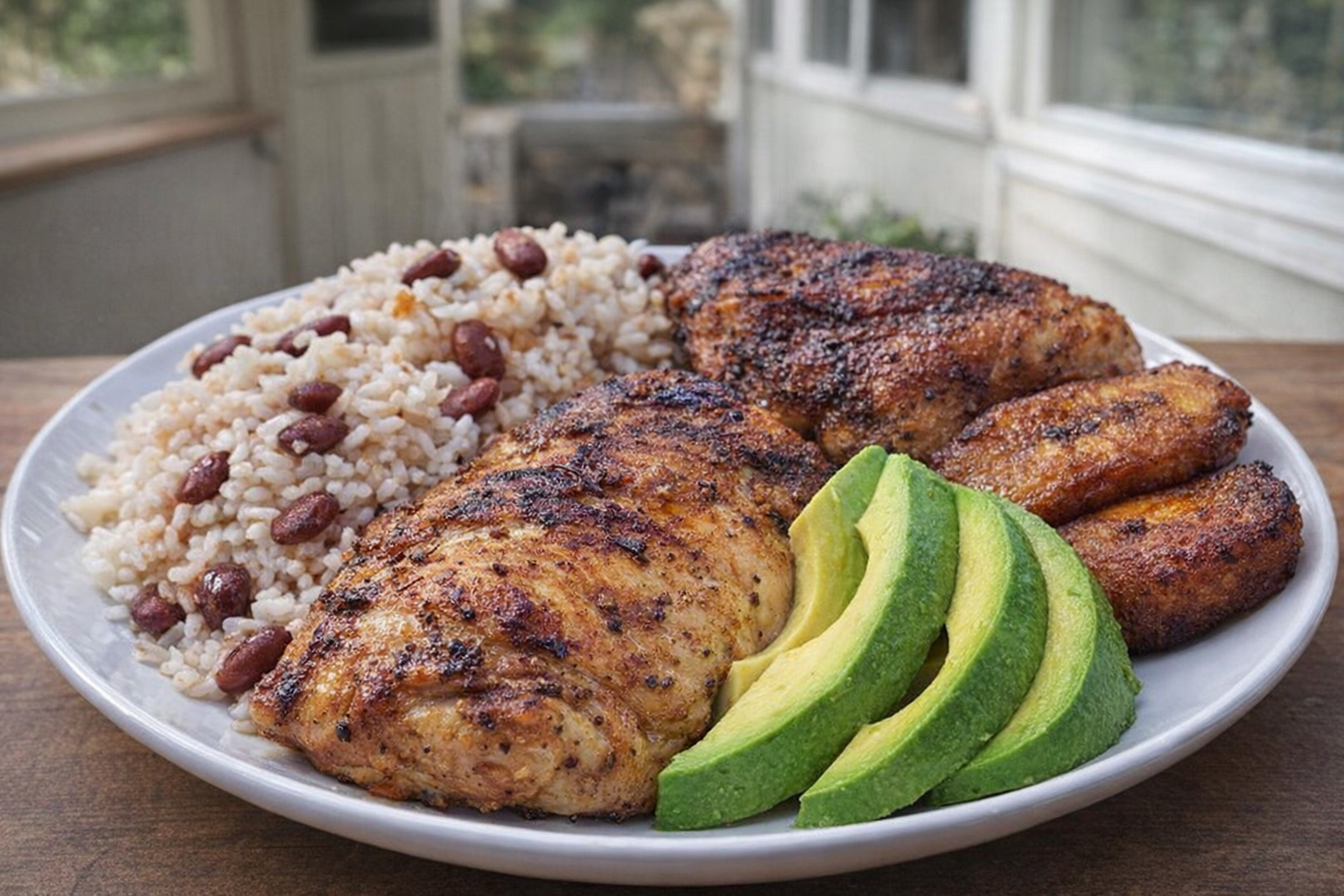
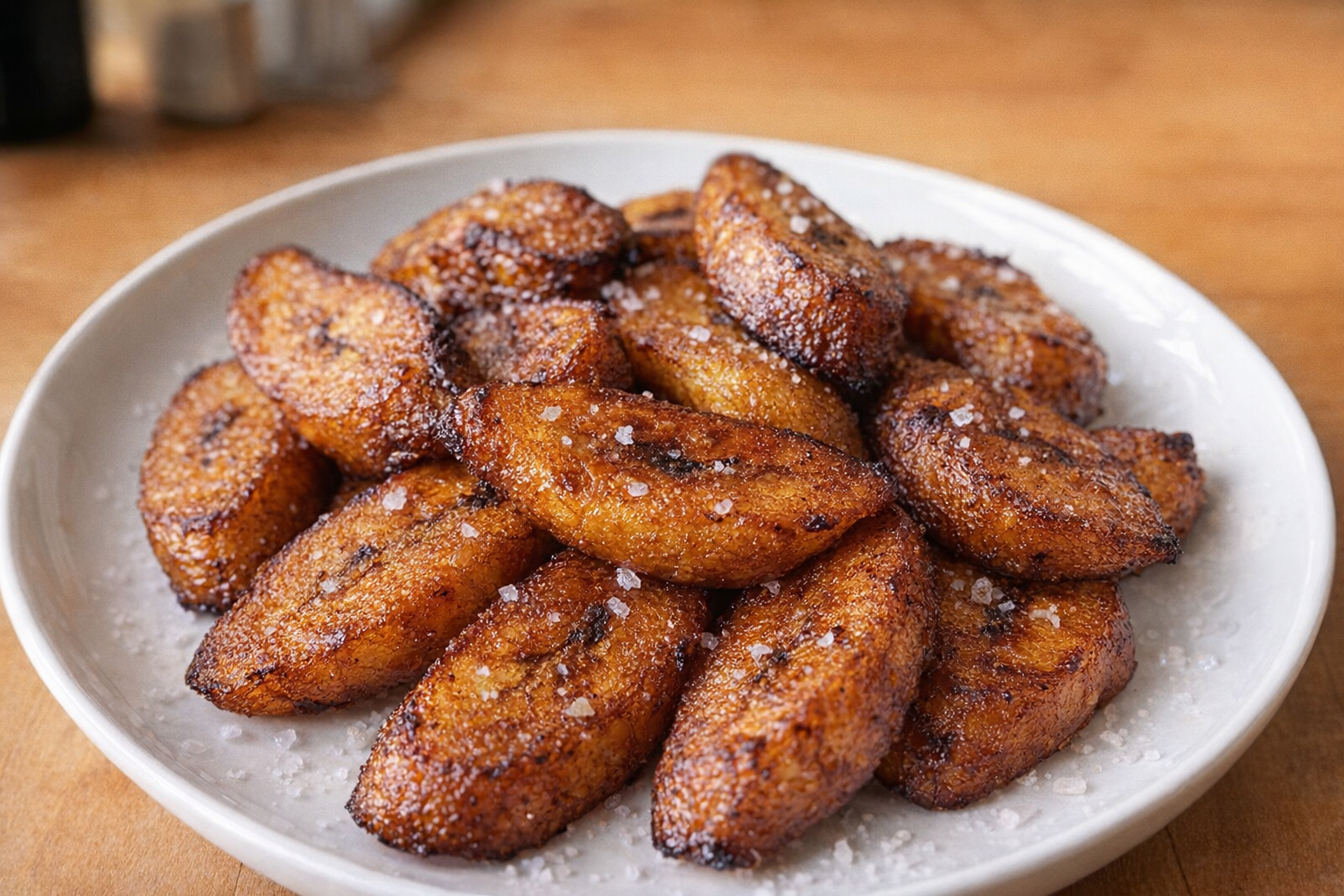
Plantains, often mistaken for bananas, offer a uniquely starchy and subtly sweet flavor profile, especially when cooked. Unlike their sweeter cousins, plantains require cooking to unlock their best qualities. Frying them on the stove transforms them into a golden, caramelized delight, perfect as a side dish or a sweet treat.
This method of cooking plantains highlights their natural sugars, creating a crispy exterior and a soft, almost creamy interior. The frying process also allows for easy customization with spices and seasonings, making plantains a versatile addition to any meal. Whether you're a seasoned cook or a beginner, mastering fried plantains is a delicious and rewarding culinary adventure.
Understanding Plantains
Plantains come in various stages of ripeness, each offering a distinct flavor and texture. Green plantains are firm and starchy, ideal for savory dishes like tostones. Yellow plantains are sweeter and softer, perfect for frying into maduros. Plantains with black spots are the ripest and sweetest, caramelizing beautifully when fried.
When buying plantains, look for ones that are firm and heavy for their size. The skin should be free of bruises or blemishes. Depending on your recipe, choose plantains that are at the desired stage of ripeness. For maduros, select plantains with plenty of black spots and a slightly soft feel.
Why Cook Plantains This Way?
- Versatility: Fried plantains pair well with both savory and sweet dishes, making them a versatile addition to any meal.
- Flavor: Frying caramelizes the natural sugars in plantains, creating a sweet and slightly crispy flavor that is irresistible.
- Convenience: Cooking plantains on the stove is a quick and easy method, perfect for weeknight meals or a simple snack.
Preparation (Mise en Place)
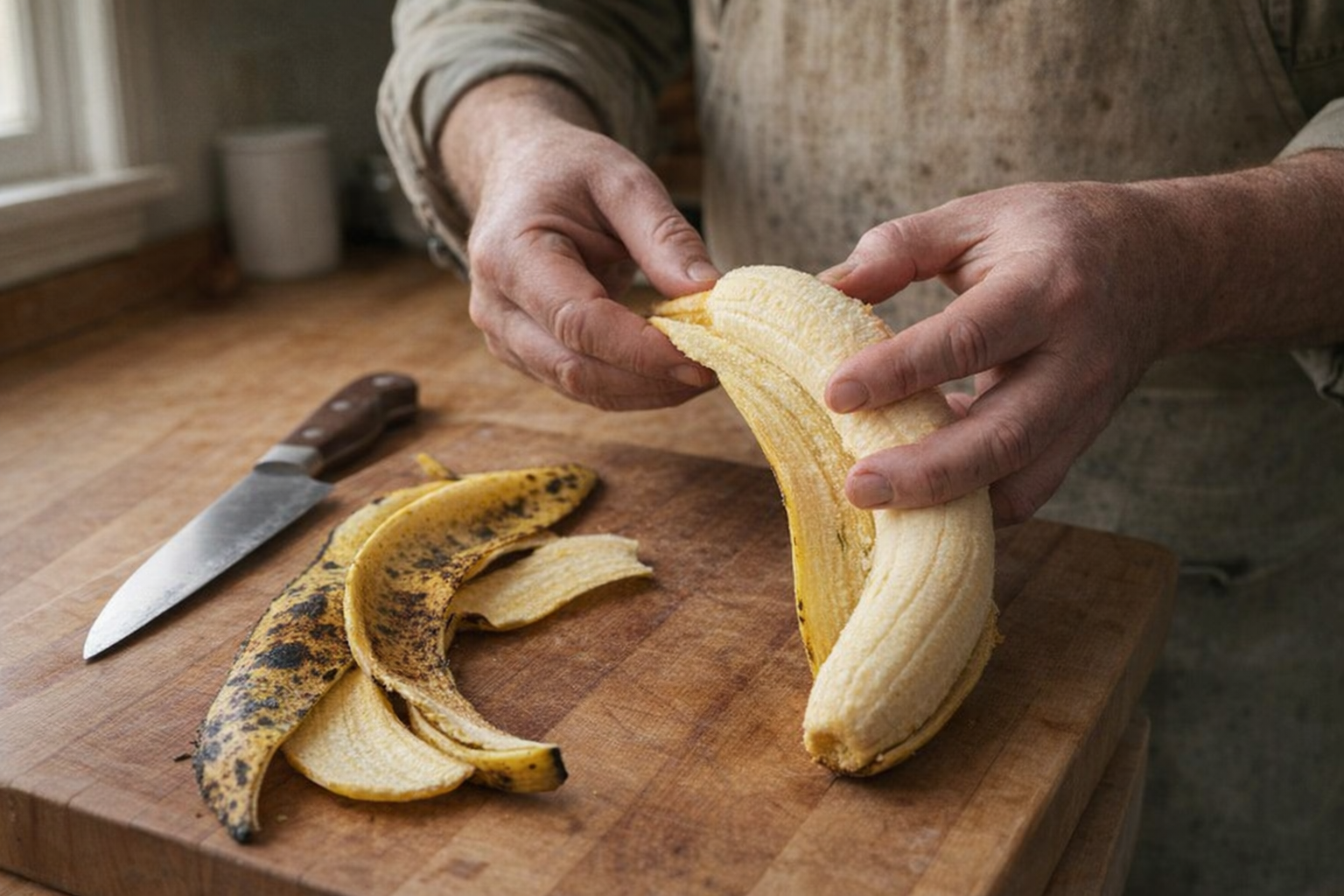
- Peeling the Plantains: Trim both ends of the plantains. Make a shallow lengthwise slit along the peel. Gently pry the peel away from the flesh with your fingers or a knife. Plantain peels are tougher than banana peels, so be patient.
- Slicing: Cut the peeled plantains into 1/4-inch thick slices on a slight bias. This angle provides more surface area for caramelization, enhancing the flavor and texture.
Essential Tools
- Cast Iron Skillet: A cast iron skillet provides even heat distribution, crucial for achieving that perfect golden-brown crust.
- Tongs: Tongs are essential for flipping the plantain slices and removing them from the hot oil safely.
- Paper Towels: Paper towels are needed to drain the excess oil from the fried plantains, ensuring they remain crispy and not greasy.
The Cooking Method
Maduros: Sweet Fried Plantains
This method focuses on transforming ripe plantains into sweet, caramelized maduros.
Ingredients:
- 2 ripe plantains (with black spots)
- 2-3 tablespoons vegetable oil
- Pinch of salt (optional)
- Heat the Oil: In a cast iron skillet, heat the vegetable oil over medium heat. The oil should shimmer but not smoke. A small piece of plantain should sizzle gently when dropped into the oil.
- Fry in Batches: Carefully place the plantain slices in the hot oil, ensuring not to overcrowd the pan. Overcrowding lowers the oil temperature and results in soggy plantains.
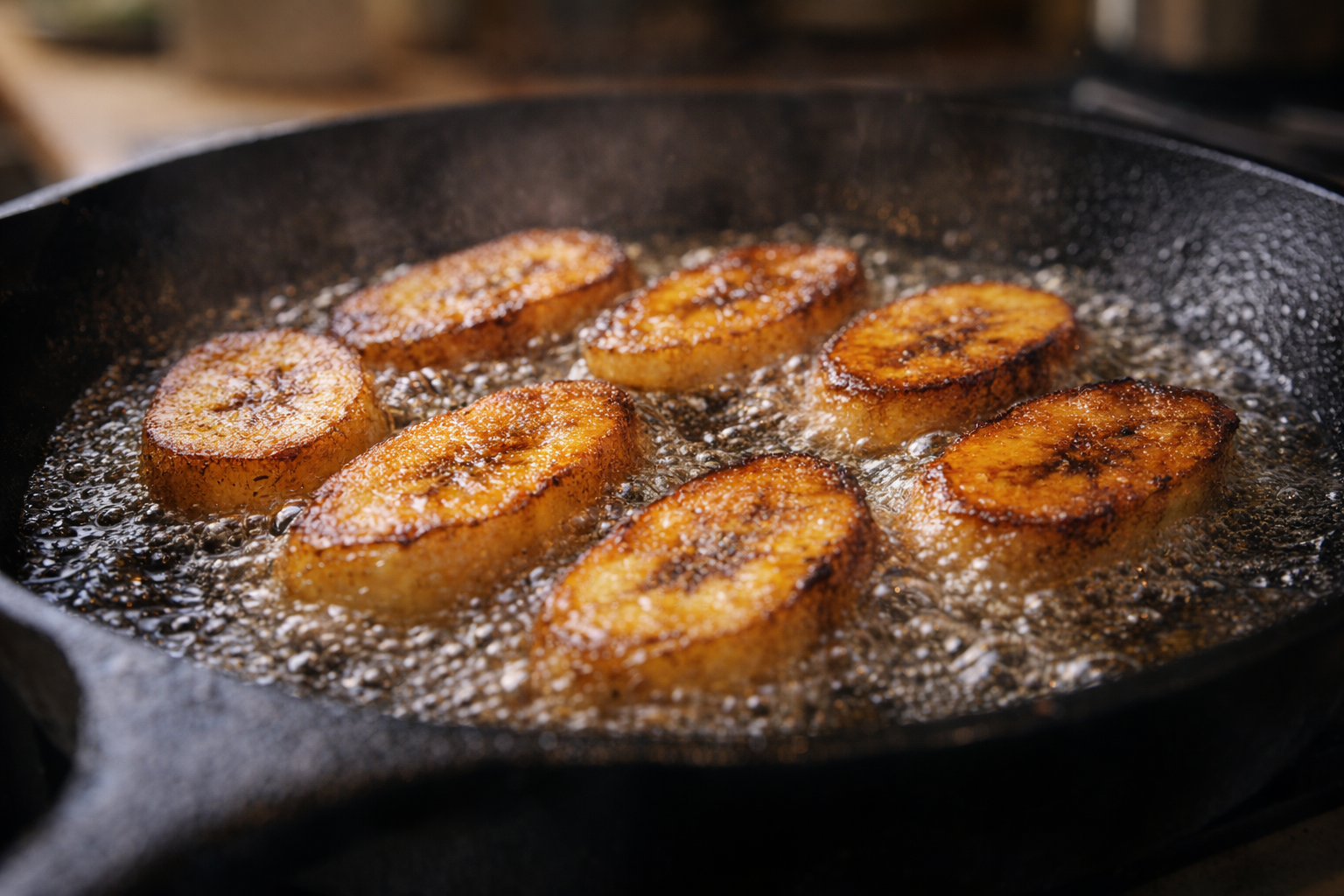
- First Side: Fry for 2-3 minutes until the bottom side turns a deep golden brown. The edges should start to caramelize, and a sweet aroma should fill the air.
- Flip and Fry: Using tongs, flip the plantain slices and fry for another 1-2 minutes until the second side is also golden brown and caramelized. The plantains should be tender but not mushy.
- Drain: Remove the fried plantains from the skillet and place them on a paper towel-lined plate to drain excess oil.
- Season: If desired, sprinkle a pinch of salt over the hot plantains to enhance their sweetness.
- Serve: Serve immediately and enjoy the warm, sweet, and caramelized maduros.
Cooking Time & Doneness Guide
- Cooking Time: The total cooking time for fried plantains is approximately 5-7 minutes per batch.
- Internal Temperature: Plantains do not require a specific internal temperature.
Visual Cues
The plantains are done when they are a deep golden brown color and slightly caramelized. They should be tender when pierced with a fork but not mushy.
Tips for Perfection
- Use Ripe Plantains: For the best flavor and texture, use plantains with plenty of black spots. These plantains have the highest sugar content and will caramelize beautifully.
- Avoid Overcrowding: Fry the plantains in batches to prevent overcrowding the pan. Overcrowding lowers the oil temperature and results in soggy plantains.
- Maintain Oil Temperature: Keep the oil temperature consistent throughout the cooking process. Adjust the heat as needed to prevent the plantains from burning or becoming greasy.
- Drain Thoroughly: After frying, drain the plantains on paper towels to remove excess oil. This will help them stay crispy and not greasy.
Storage & Reheating
- Storage: Store leftover fried plantains in an airtight container in the refrigerator for up to 3 days.
- Reheating: Reheat fried plantains in a skillet over medium heat for a few minutes until warmed through. Alternatively, you can reheat them in a preheated oven at 350°F (175°C) for 5-10 minutes. Avoid microwaving, as this can make them soggy.
Serving Suggestions
- Side Dish: Serve fried plantains as a side dish with grilled meats, rice and beans, or stews.
- Sweet Treat: Enjoy fried plantains as a sweet treat with a dollop of sour cream or a sprinkle of cinnamon.
- Breakfast: Pair fried plantains with scrambled eggs or a breakfast sandwich for a sweet and savory start to the day.
- Tacos or Bowls: Add fried plantains to tacos or grain bowls for a touch of sweetness and texture.
💡 Pro Tips
- Select plantains with skin that is mostly black for a sweet, caramelized result or green ones for a starchy, savory side.
- Slice the plantains on a diagonal at about half an inch thick to maximize the surface area for caramelization and ensure even cooking.
- Heat the oil over medium heat until it shimmers before adding the slices to prevent them from soaking up too much grease and becoming soggy.
- Fry the plantain slices in a single layer without overcrowding the pan so they can develop a crisp, golden-brown crust.
- Wait until the bottom edges turn a deep golden brown before flipping to ensure the natural sugars have fully caramelized.
Frequently Asked Questions
Make sure your skillet is properly heated before adding the plantain slices. Also, avoid overcrowding the pan, as this can lower the oil temperature and cause sticking. Work in batches to ensure each slice has enough space to caramelize properly.
Yes, you can substitute with other oils that have a high smoke point, such as vegetable oil, canola oil, or peanut oil. Avoid using olive oil, as its lower smoke point can cause it to burn and impart an undesirable flavor.
Allow the fried plantains to cool completely before storing them in an airtight container in the refrigerator. They are best consumed within 2-3 days. Reheat them in a skillet or oven to restore some of their crispiness.
While a cast iron skillet is ideal for even heat distribution, you can still fry plantains successfully in a heavy-bottomed stainless steel skillet. Just be sure to monitor the heat and adjust as needed to prevent burning or uneven cooking.