 delishing
How to Cook Rice on the Stove: A Foolproof Guide to Fluffy Perfection

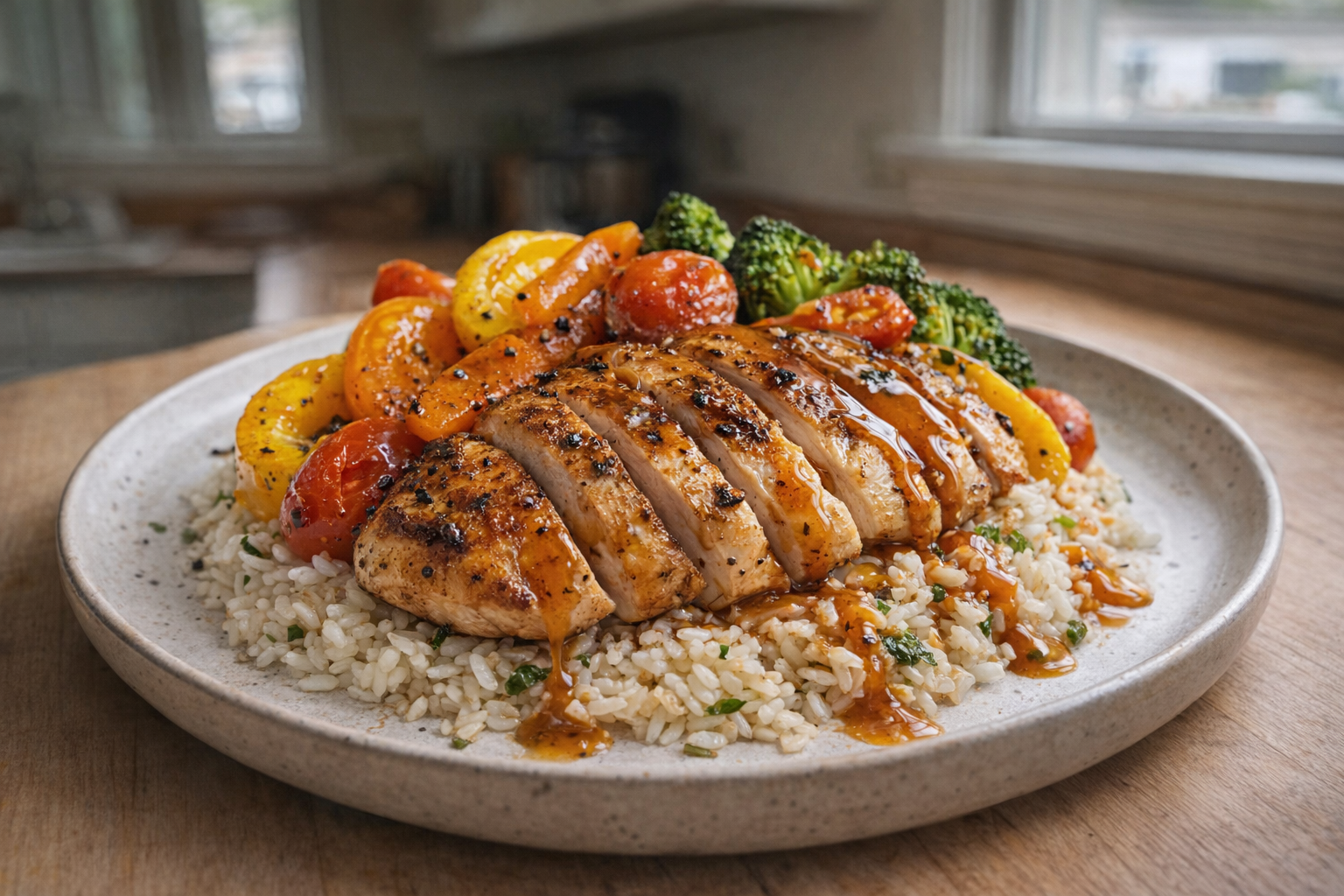
The beauty of perfectly cooked rice lies in its simplicity. When done right, each grain is distinct, tender, and slightly chewy, providing the ideal foundation for a myriad of dishes. This method focuses on achieving that delicate balance of moisture and heat, resulting in consistently delicious rice that complements any meal.
Mastering stovetop rice cookery isn't about fancy techniques; it's about understanding the fundamentals. The right ratio of water to rice, coupled with controlled heat and proper resting time, unlocks the full potential of this humble grain. This guide will walk you through each step, ensuring fluffy, flavorful rice every time.
Understanding Rice Varieties
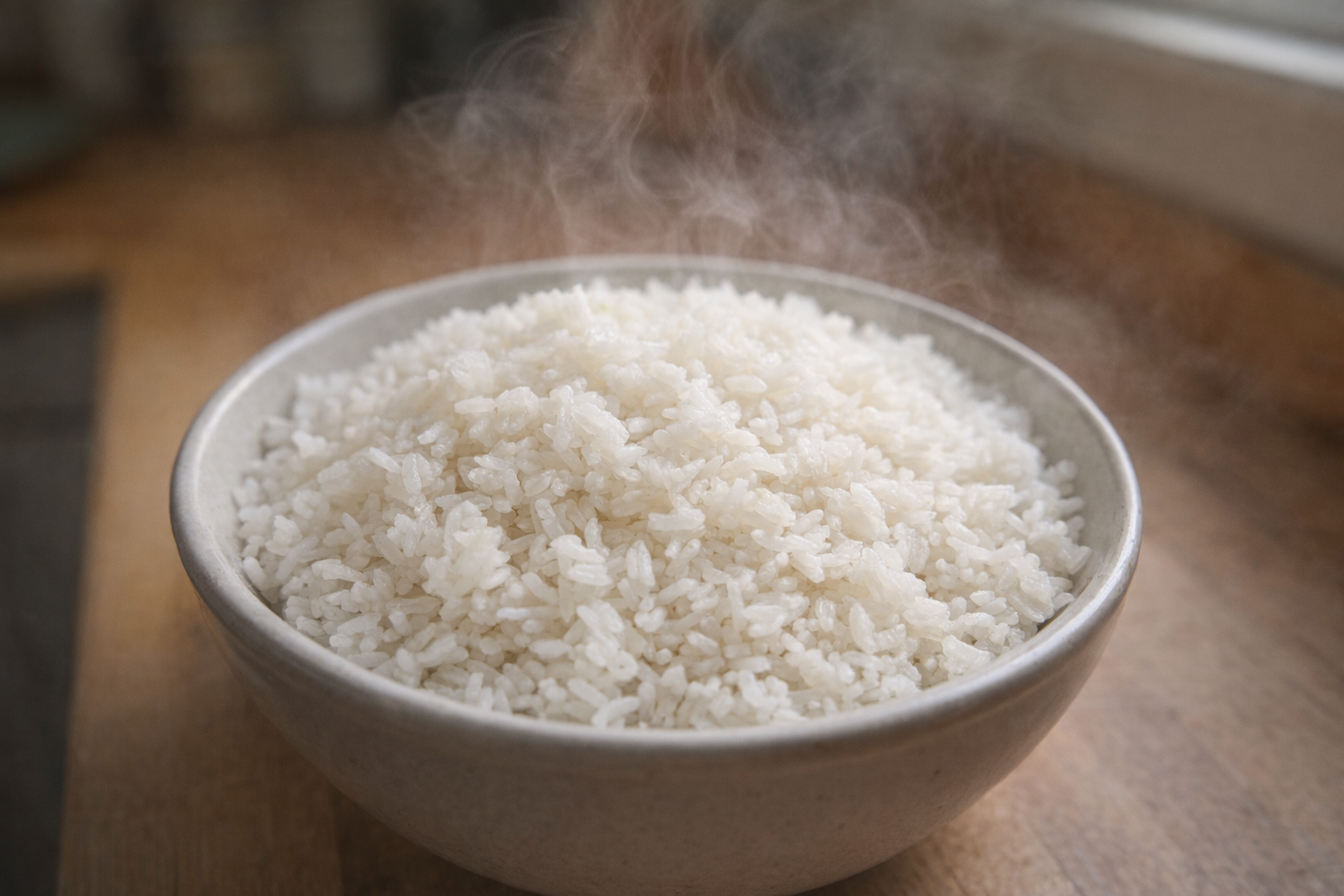
The world of rice is vast, each variety possessing unique characteristics that impact cooking time and water absorption. Choosing the right rice is the first step towards culinary success.
- Long-Grain Rice (Basmati, Jasmine): Known for their delicate aroma and fluffy texture, these varieties remain separate after cooking, making them ideal for curries and stir-fries.
- Medium-Grain Rice (Sushi Rice, Arborio): These grains have a higher starch content, resulting in a slightly sticky consistency. They are perfect for dishes like sushi and risotto.
- Short-Grain Rice: Very sticky, often used in Asian desserts and puddings.
- Brown Rice: A whole grain with a nutty flavor and chewy texture, brown rice requires a longer cooking time and more water than white rice. Look for varieties labeled "long-grain" or "short-grain" for specific applications.
- Wild Rice: Technically a grass seed, wild rice has a firm texture and earthy flavor. It's often used in pilafs and salads.
Why Cook Rice This Way?
- Versatility: Rice is a blank canvas, pairing well with virtually any cuisine and dish.
- Flavor: When cooked properly, rice has a subtle, pleasing flavor that enhances other ingredients. It absorbs sauces and flavors beautifully.
- Convenience: With the right technique, stovetop rice is quick, easy, and requires minimal effort.
Preparation (Mise en Place)
Before you even turn on the heat, proper preparation will set you up for success.
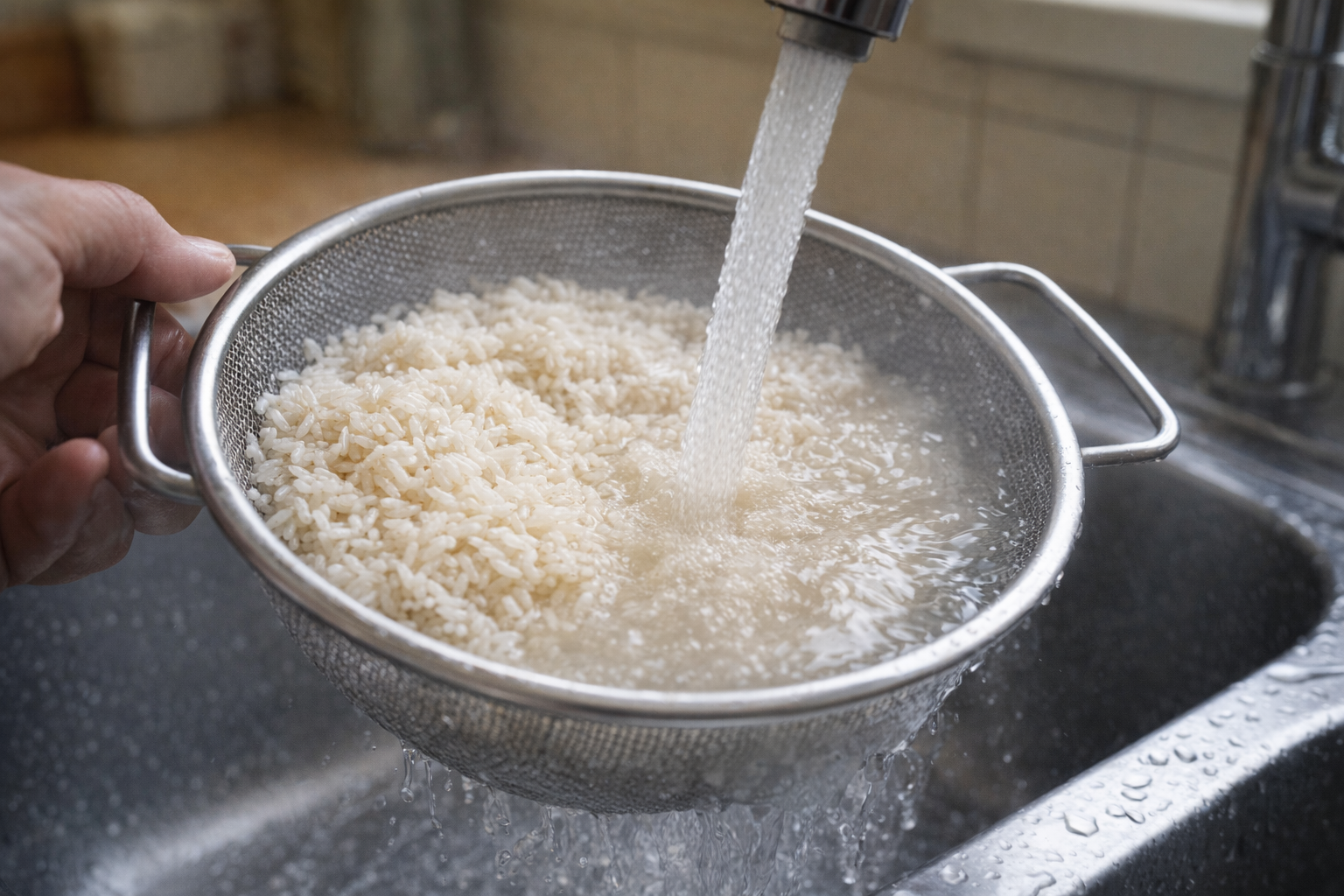
- Rinsing: Place the rice in a fine-mesh sieve and rinse under cold running water until the water runs clear. This removes excess starch, preventing stickiness. For basmati and jasmine rice, soak the rinsed rice in cold water for 30 minutes for even better texture. Drain thoroughly before cooking.
- Measuring: Accurate measurements are crucial. Use a liquid measuring cup for water and a dry measuring cup for rice.
Essential Tools
- Medium-Sized Pot with Tight-Fitting Lid: A heavy-bottomed pot ensures even heat distribution, preventing scorching. The lid is essential for trapping steam, which cooks the rice.
- Fine-Mesh Sieve: For rinsing the rice.
- Measuring Cups: For accurate water and rice measurements.
- Fork: For fluffing the rice after cooking.
The Cooking Method(s)
Here's a breakdown of the classic stovetop method for cooking rice.
Classic Stovetop Rice
Ingredients:
- 1 cup long-grain white rice (200g)
- 1 3/4 cups water (415ml)
- 1/2 teaspoon salt (3g)
- 1 tablespoon butter or olive oil (optional)
- Combine Ingredients: In the medium-sized pot, combine the rinsed rice, water, salt, and butter or olive oil (if using).
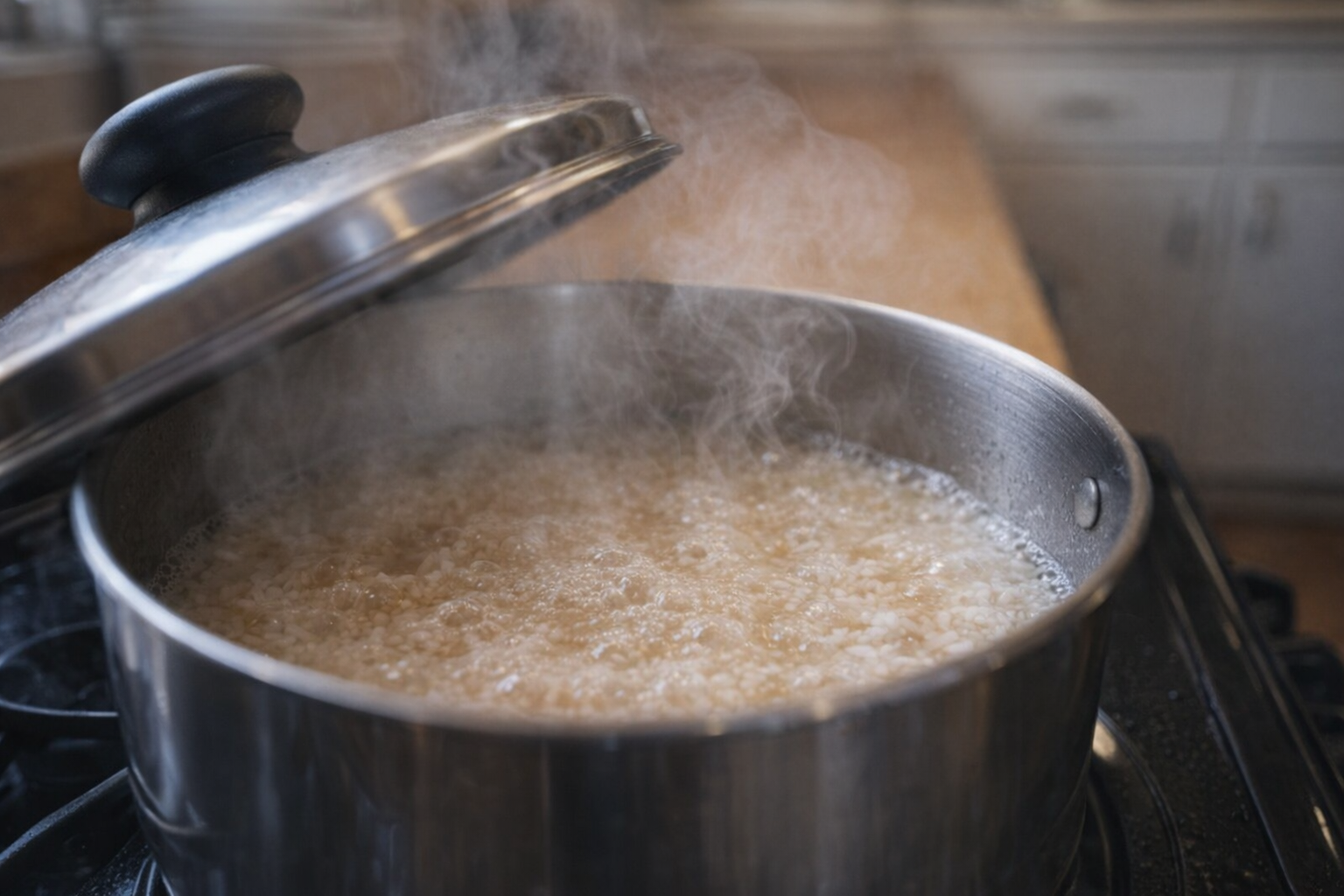
- Bring to a Boil: Place the pot over medium-high heat and bring the mixture to a rolling boil. Watch carefully to prevent boil-over. You'll hear a rapid bubbling sound as the water heats up.
- Simmer: Once boiling, stir the rice once to prevent sticking. Reduce the heat to the lowest setting possible. Cover the pot with the tight-fitting lid. It's crucial the lid seals well to trap the steam.
- Simmer (Without Peeking!): Cook for 15 minutes for long-grain white rice. Do not lift the lid during this time. Trust the process. The bubbling sound should gradually subside.
- Rest: After 15 minutes, remove the pot from the heat and let it sit, covered, for 10 minutes. This allows the rice to fully absorb any remaining moisture and finish cooking evenly.
- Fluff and Serve: Remove the lid and gently fluff the rice with a fork. This separates the grains and releases any trapped steam. Serve immediately.
Cooking Time & Doneness Guide
- White Rice: 15 minutes simmering, 10 minutes resting.
- Brown Rice: 45-50 minutes simmering, 10 minutes resting. Use 2 1/2 cups of water per 1 cup of brown rice.
Visual Cues
- The rice is done when all the water has been absorbed and the surface of the rice is dotted with small "holes."
- The grains should be tender but not mushy.
- If you gently press a grain of rice between your fingers, it should be easily crushed but still hold its shape.
Tips for Perfection
- Don't Overcrowd: Use a pot that's large enough to allow the rice to expand as it cooks.
- Resist the Urge to Stir: Stirring releases starch and can lead to sticky rice.
- Use Low Heat: Maintaining a gentle simmer is key to even cooking.
- Invest in a Good Lid: A tight-fitting lid is essential for trapping steam and ensuring proper cooking.
Storage & Reheating
Leftover rice should be cooled quickly and stored in an airtight container in the refrigerator for up to 4 days. To reheat, add a tablespoon of water per cup of rice, cover, and microwave on medium power until heated through. Alternatively, reheat in a saucepan over low heat with a splash of water. Make sure the internal temperature reaches 165°F (74°C).
Serving Suggestions
- As a Base for Stir-fries: Rice provides a neutral base for flavorful stir-fries, soaking up the sauce beautifully.
- With Curries: Rice is the perfect accompaniment to rich and spicy curries, offering a cooling contrast.
- As a Side Dish: Serve rice alongside grilled meats, roasted vegetables, or fish for a complete and satisfying meal.
- In Rice Bowls: Combine rice with your favorite proteins, vegetables, and sauces for a customizable and healthy bowl.
💡 Pro Tips
- Rinse the rice under cold water until the liquid runs clear to remove excess starch and prevent clumping.
- Use a tight-fitting lid during the simmering process to ensure the steam stays trapped for even cooking.
- Once the water is absorbed, let the pot sit undisturbed off the heat for ten minutes to allow the moisture to redistribute.
- Always fluff the cooked rice with a fork instead of a spoon to keep the grains separate and light.
- Measure your water-to-rice ratio precisely based on the specific grain variety to achieve the ideal tender texture.
Frequently Asked Questions
Forgetting to rinse your rice will result in a stickier final product. The excess starch on the surface of the grains cooks off and creates a gluey texture, so rinsing is important for achieving fluffy, separate grains.
Yes, you can absolutely use broth or stock instead of water to cook rice! This will infuse the rice with additional flavor, making it a great complement to savory dishes. Just be mindful of the salt content in the broth and adjust accordingly.
Allow the rice to cool completely before storing it in an airtight container in the refrigerator. Cooked rice should be used within 3-4 days to prevent bacterial growth. Make sure to reheat thoroughly before consuming.
If your rice is still too firm after the initial cooking time, add a couple more tablespoons of water to the pot, cover, and continue to simmer on low heat for another 5-10 minutes. Check the rice periodically until it reaches your desired tenderness.