 delishing
How to Cook Sausage on the Stove: 3 Foolproof Methods

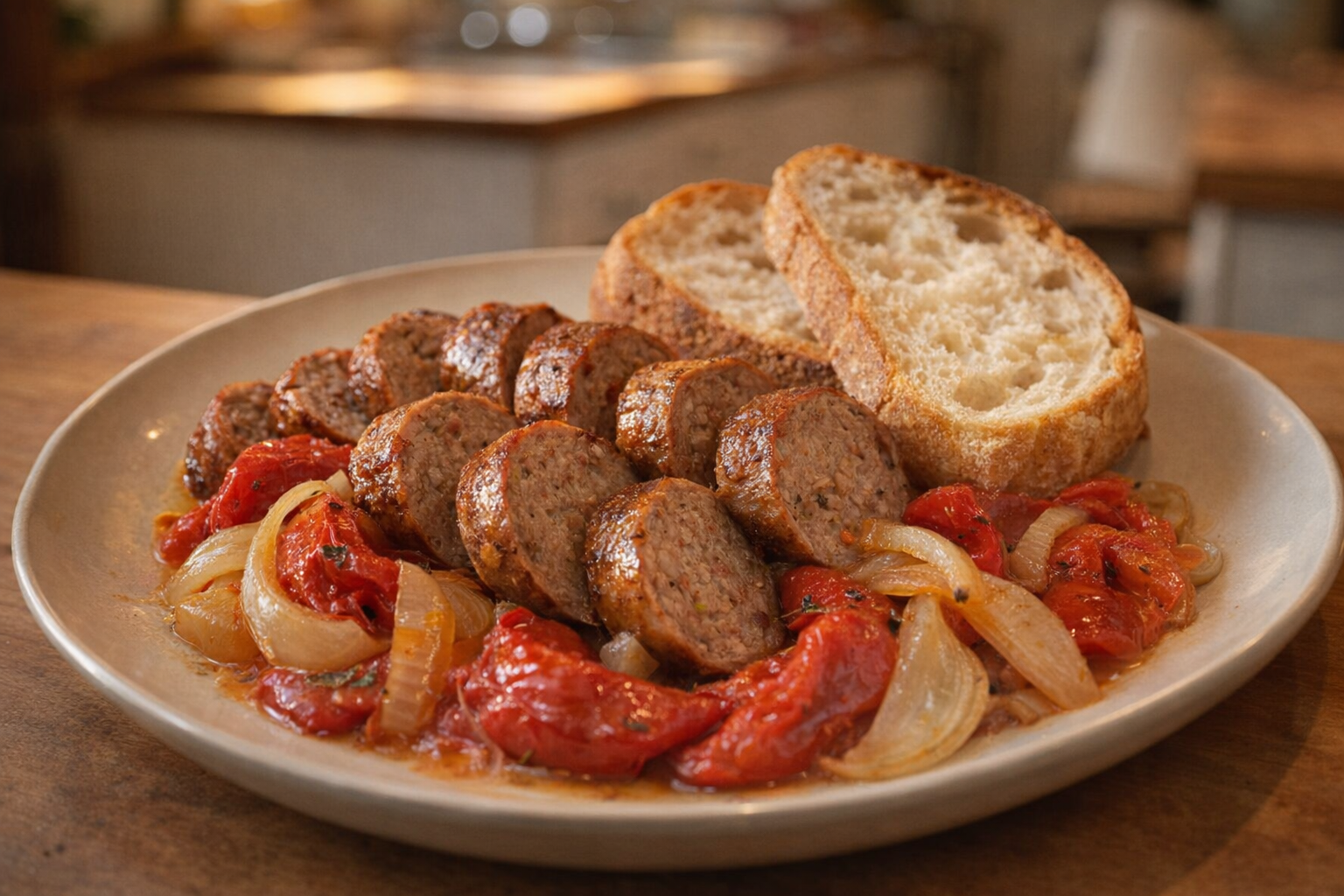
Cooking sausage on the stovetop is a kitchen skill every home cook should master. When done right, you get a deeply savory, perfectly cooked sausage with a satisfying snap. The key is understanding the different cooking methods and choosing the right one for your desired outcome. This guide will walk you through three easy ways to cook sausage on the stove, ensuring consistently delicious results.
Whether you prefer a crispy exterior, a juicy interior, or a flavorful combination with vegetables, there's a method here for you. We'll cover pan-frying, sautéing, and simmering, offering tips and tricks to achieve sausage perfection every time. Get ready to elevate your sausage game!
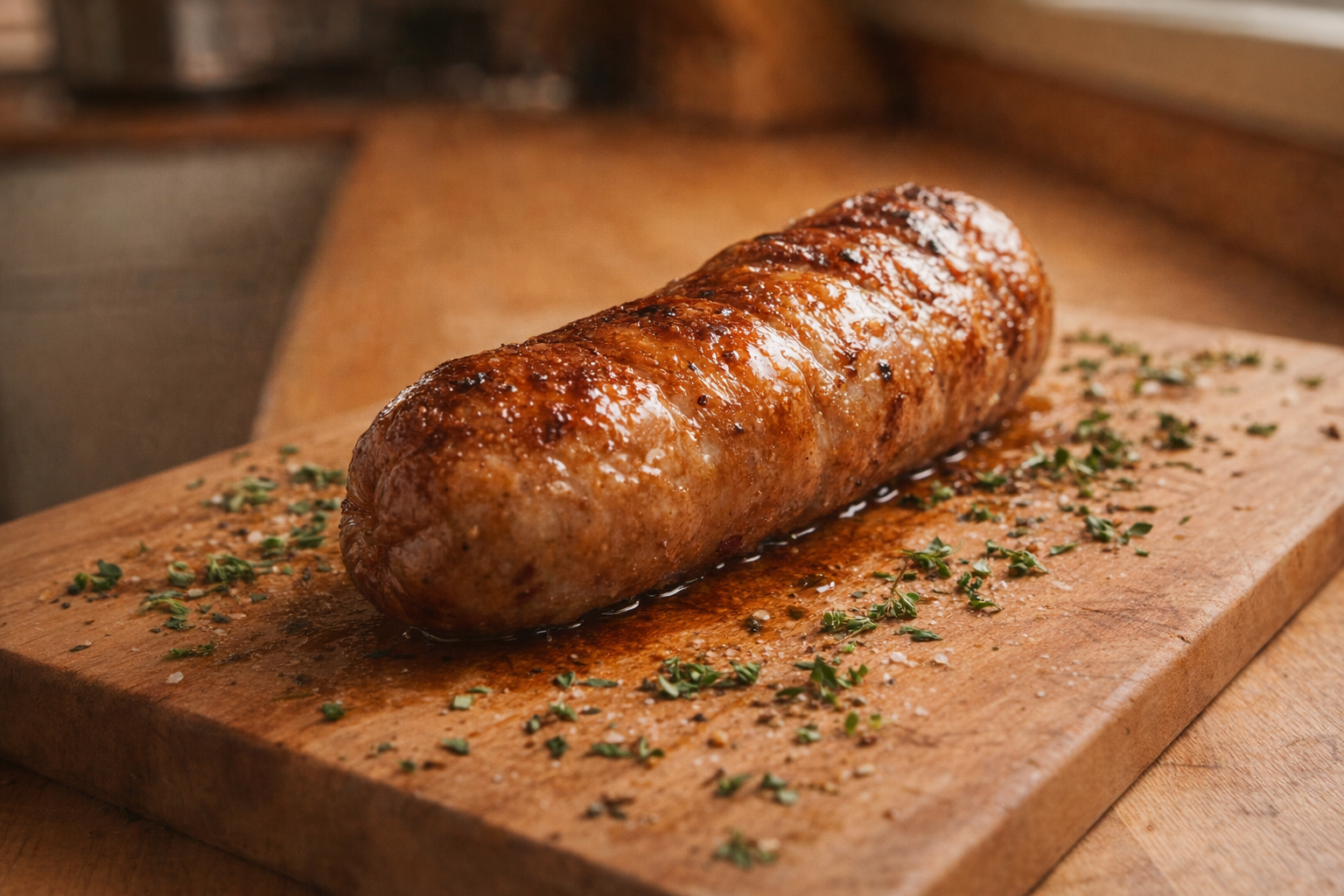
Understanding Sausage Varieties
Before you even turn on the burner, knowing your sausage is crucial. Sausages are essentially ground meat (typically pork, beef, or poultry) seasoned with salt, spices, and flavorings, encased in a casing. These casings can be natural (animal intestines), synthetic, or even plant-based. The main categories of sausages include fresh, smoked, and cured. For stovetop cooking, we primarily focus on fresh sausages, as they require full cooking.
- Fresh Sausages: Raw sausages that must be cooked before eating. Common examples are Italian sausage (sweet or hot), breakfast sausage, and bratwurst (although bratwurst is often pre-cooked, so check the label). When buying fresh sausages, look for plump, firm sausages with a natural color. Avoid any sausages that appear slimy or discolored.
- Smoked Sausages: Pre-cooked and only need reheating. Popular choices include kielbasa, chorizo, and andouille sausage.
- Cured Sausages: Typically dry-cured and safe to eat without cooking. Think pepperoni, salami, and prosciutto (although these aren't usually cooked on the stove).
Why Cook Sausages On The Stove?
Stovetop cooking offers a fantastic way to prepare sausages. Here's why:
- Versatility: Stovetop methods work for various sausage types and flavor profiles.
- Flavor Control: You can easily adjust seasonings and add aromatics (like garlic and onions) during the cooking process.
- Convenience: It's a relatively quick and easy method, perfect for weeknight meals.
Preparation (Mise en Place)
Proper preparation is key to even cooking and optimal flavor.
- Thawing (if necessary): If using frozen sausages, thaw them completely in the refrigerator overnight. Never thaw sausages at room temperature due to the risk of bacterial growth. For a faster thaw, place the sealed sausages in a bowl of cold water, changing the water every 30 minutes. Avoid microwave thawing, as it can negatively affect the sausage's texture, making it rubbery.
- Pricking (Optional): Some people prick sausages with a fork to prevent bursting. However, this can also release valuable juices, leading to a drier sausage. For high-quality sausages with natural casings, pricking is generally unnecessary.
Essential Tools:
- Skillet: A cast iron skillet is ideal for even heat distribution and creating a crispy exterior. A non-stick skillet works well, too, especially if you're concerned about sticking. A stainless steel skillet can also be used, but requires more attention to prevent sticking.
- Tongs: For turning sausages safely and evenly.
- Meat Thermometer: Essential for ensuring the sausages reach a safe internal temperature.
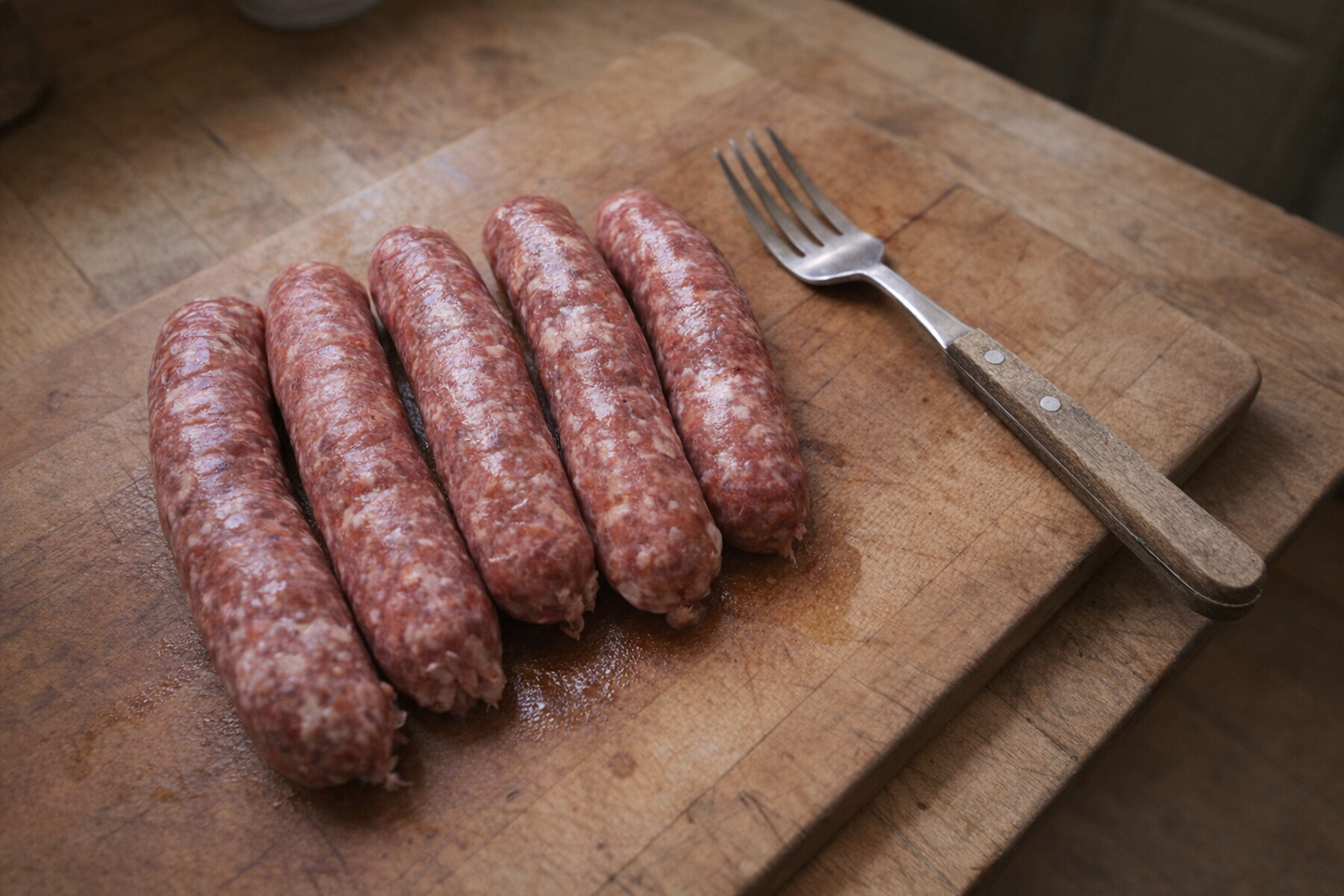
The Cooking Method(s):
Here are three popular stovetop methods for cooking sausage:
Method 1: Pan-Frying Sausages
Pan-frying is a classic method that produces a beautiful, browned exterior and a juicy interior.
Ingredients:
- Sausages: 1 pound (450g) fresh sausages
- Oil: 1 tablespoon vegetable oil or olive oil (optional, but recommended)
- Salt and Pepper: To taste (usually not needed, as sausages are pre-seasoned)
Instructions:
- Preheat the Pan: Place a skillet (cast iron preferred) over medium heat. Allow it to warm up for a few minutes until a drop of water sizzles and evaporates quickly.
- Add Oil (Optional): While sausages release their own fat, adding a tablespoon of oil helps prevent sticking and promotes even browning.
- Cook the Sausages: Place the sausages in the pan, ensuring they are not overcrowded. Work in batches if necessary. The sausages should sizzle immediately upon contact with the pan.
- Turn Regularly: Cook the sausages for about 12-15 minutes, turning them every few minutes to ensure even browning on all sides. Listen for the sound of the sausages sizzling in their own fat as they cook.
Method 2: Sautéing Sausages with Vegetables
Sautéing combines cooking the sausages with vegetables, creating a more complete and flavorful dish.
Ingredients:
- Sausages: 1 pound (450g) fresh sausages
- Oil or Butter: 1 tablespoon
- Aromatics: 1 onion, chopped; 1 bell pepper (any color), sliced
- Optional Vegetables: Mushrooms, zucchini, or other vegetables of your choice, chopped
- Seasoning: Salt, pepper, garlic powder, Italian herbs (to taste)
Instructions:
- Preheat and Oil: Preheat a skillet over medium heat and add oil or butter.
- Add Aromatics: Add the chopped onion and bell pepper to the pan and sauté until softened, about 5-7 minutes. The onions should become translucent and fragrant.
- Add Sausages: Place the sausages in the pan with the vegetables and cook as described in the pan-frying method, turning occasionally.
- Combine Flavors: Allow the sausages to cook with the vegetables, stirring occasionally to incorporate the flavors. This usually takes about 15-20 minutes. Add any optional vegetables during the last 10 minutes of cooking time.
- Season: Season the mixture with salt, pepper, garlic powder, and Italian herbs to taste.
Method 3: Simmering Sausages
Simmering sausages in liquid helps ensure they're cooked through while adding additional flavor. This is especially useful for thicker sausages or those you plan to serve in a sauce.
Ingredients:
- Sausages: 1 pound (450g) fresh sausages
- Liquid: 1-2 cups broth (chicken or vegetable), beer, or water (enough to cover the sausages)
- Optional: 1 bay leaf, herbs, or spices to flavor the liquid
Instructions:
- Prepare the Liquid: In a skillet, combine the broth, beer, or water with any desired herbs or spices. A bay leaf adds a subtle depth of flavor.
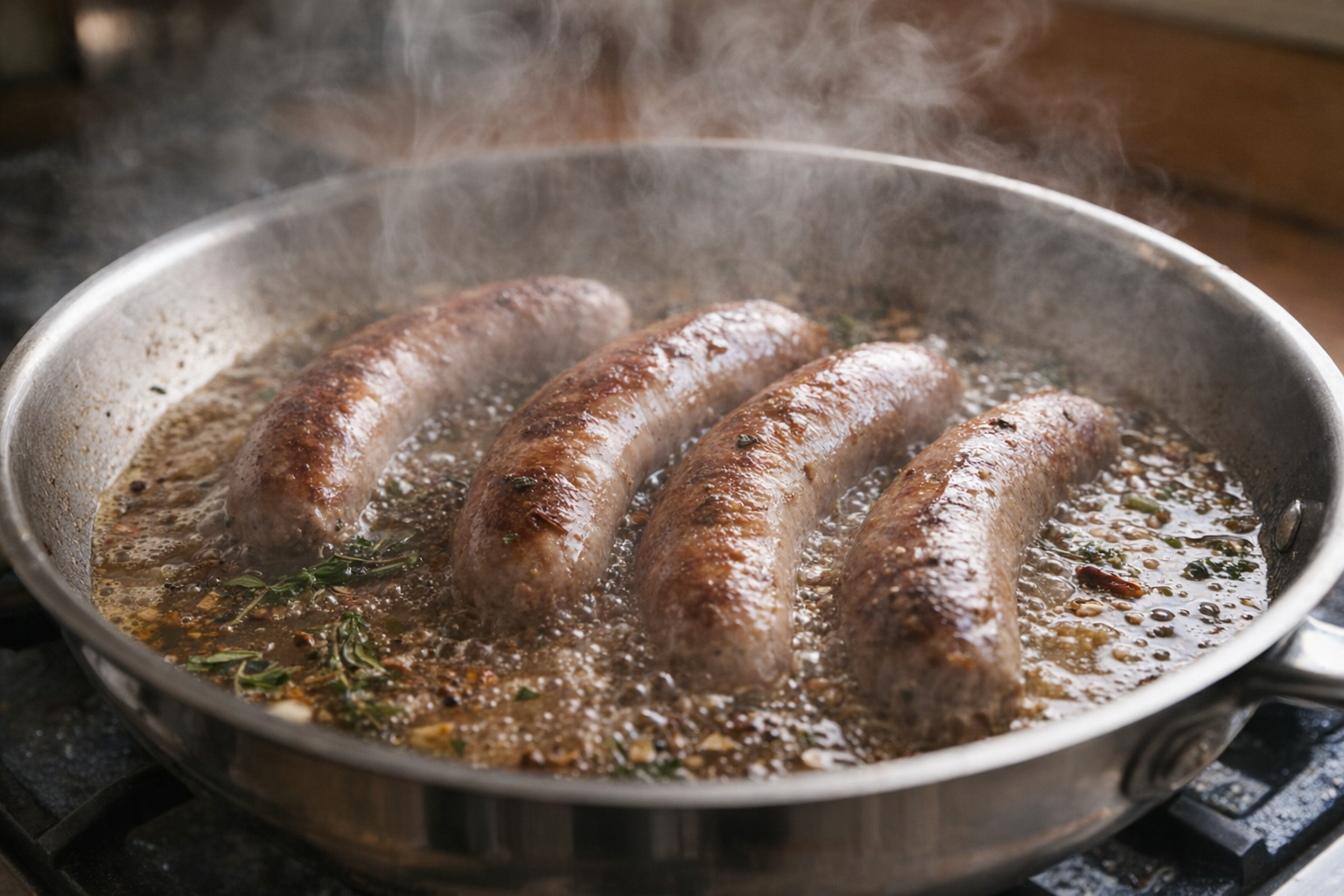
- Simmer: Place the sausages in the pan and cover them completely with the liquid. Bring the liquid to a boil, then reduce the heat to a gentle simmer.
- Cook Slowly: Let the sausages simmer for about 20-30 minutes, or until they are fully cooked through and have absorbed some of the flavor from the liquid. The sausages will plump up and become firm to the touch.
- Brown (Optional): For extra flavor and texture, you can remove the sausages from the liquid and finish them in a hot pan for a few minutes to develop a crispy exterior.
Cooking Time & Doneness Guide:
The cooking time depends on the sausage type, size, and method. Always use a meat thermometer to ensure doneness.
- Internal Temperature: Fresh pork and beef sausages should reach an internal temperature of 160°F (71°C). Poultry sausages should reach 165°F (74°C).
- Pan-Frying: 12-15 minutes, turning frequently.
- Sautéing: 15-20 minutes, depending on the vegetables.
- Simmering: 20-30 minutes.
Visual Cues:
- The sausages should be firm to the touch and have a golden-brown color.
- When cut open, the juices should run clear, not pink.
Tips for Perfection:
- Avoid Overcrowding: Cook in batches to ensure even browning.
- Don't Rush: Cook over medium heat to allow the sausages to cook through without burning the outside.
- Use a Meat Thermometer: This is the most reliable way to ensure doneness.
- Let Rest: Allow the cooked sausages to rest for a few minutes before serving. This allows the juices to redistribute, resulting in a more flavorful sausage.
Storage & Reheating:
Store cooked sausages in an airtight container in the refrigerator for up to 3-4 days. For longer storage, freeze them for up to 2 months.
Reheat sausages gently in a skillet over medium heat, or in the microwave. To maintain moisture, add a splash of water or broth to the pan when reheating.
Serving Suggestions:
- Sausage and Peppers: A classic combination served on a hoagie roll.
- Sausage Pasta: Toss cooked sausage with your favorite pasta sauce and pasta.
- Sausage and Eggs: A hearty and satisfying breakfast or brunch.
- Sausage Pizza: Add sliced sausage to your homemade or store-bought pizza.
💡 Pro Tips
- Use a meat thermometer to ensure the sausages reach an internal temperature of 160°F (71°C) for safety and optimal texture.
- Don't overcrowd the pan. Cook the sausages in batches if necessary to ensure even browning.
- For extra flavor when pan-frying, add a clove of smashed garlic to the pan during the last few minutes of cooking.
- When sauteing with vegetables, cut the vegetables into uniform sizes to ensure they cook evenly.
- If simmering sausages, reserve some of the cooking liquid to use as a flavorful sauce to serve with the sausages.
Frequently Asked Questions
While it's best to thaw sausages before cooking for even cooking and optimal texture, you can cook them from frozen. Reduce the heat slightly and extend the cooking time. Ensure the internal temperature reaches 160°F (71°C) to ensure they are safely cooked through. However, the texture might be slightly different.
For high-quality sausages with natural casings, bursting is less of a concern. Avoid pricking them with a fork, as this releases valuable juices and can lead to a drier sausage. Maintain a moderate heat, and turn the sausages frequently for even cooking. If they start to burst, reduce the heat immediately.
Yes! These stovetop methods are versatile. Adjust cooking times based on the sausage's thickness and whether it's pre-cooked. Pre-cooked sausages (like kielbasa) only need to be heated through, while fresh sausages require full cooking to 160°F (71°C).
Allow the cooked sausages to cool completely, then store them in an airtight container in the refrigerator for up to 3-4 days. Reheat them thoroughly before serving, either in a skillet, microwave, or oven.