 delishing
How to Cook Spaghetti on the Stove: A Culinary Guide

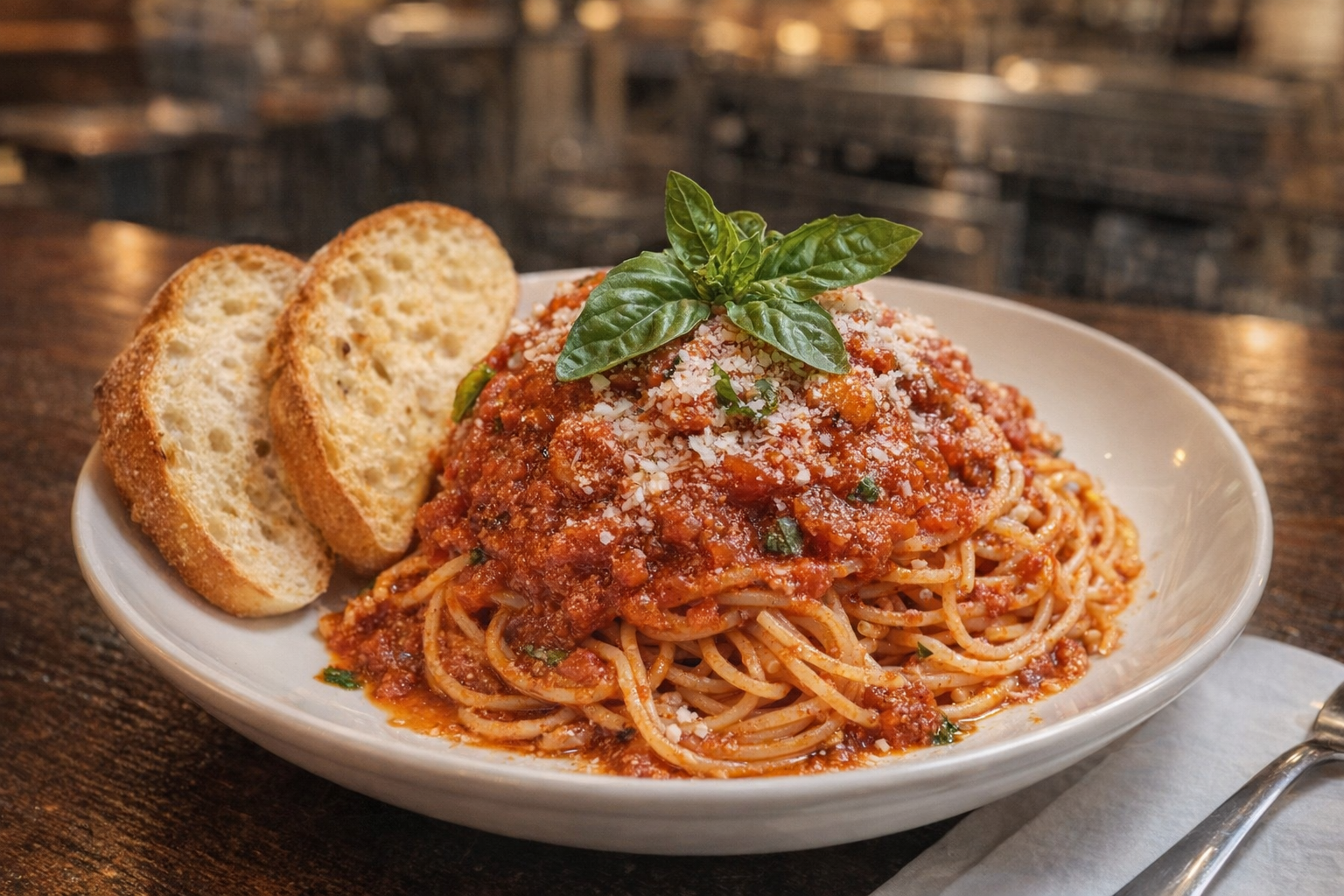
Perfectly cooked spaghetti is the foundation of countless delicious meals. This guide will teach you the essential techniques to achieve al dente perfection every time, ensuring your pasta is tender yet firm to the bite, ready to embrace your favorite sauce. From salting the water to reserving the starchy cooking liquid, these simple steps will elevate your spaghetti game.
Boiling spaghetti might seem straightforward, but the nuances make all the difference. This method, when executed correctly, ensures even cooking and optimal flavor absorption. A generous amount of salted water allows the pasta to hydrate fully and prevents sticking. The result is a blank canvas, eager to be paired with rich tomato sauce, creamy pesto, or a simple garlic and oil.
Understanding Spaghetti
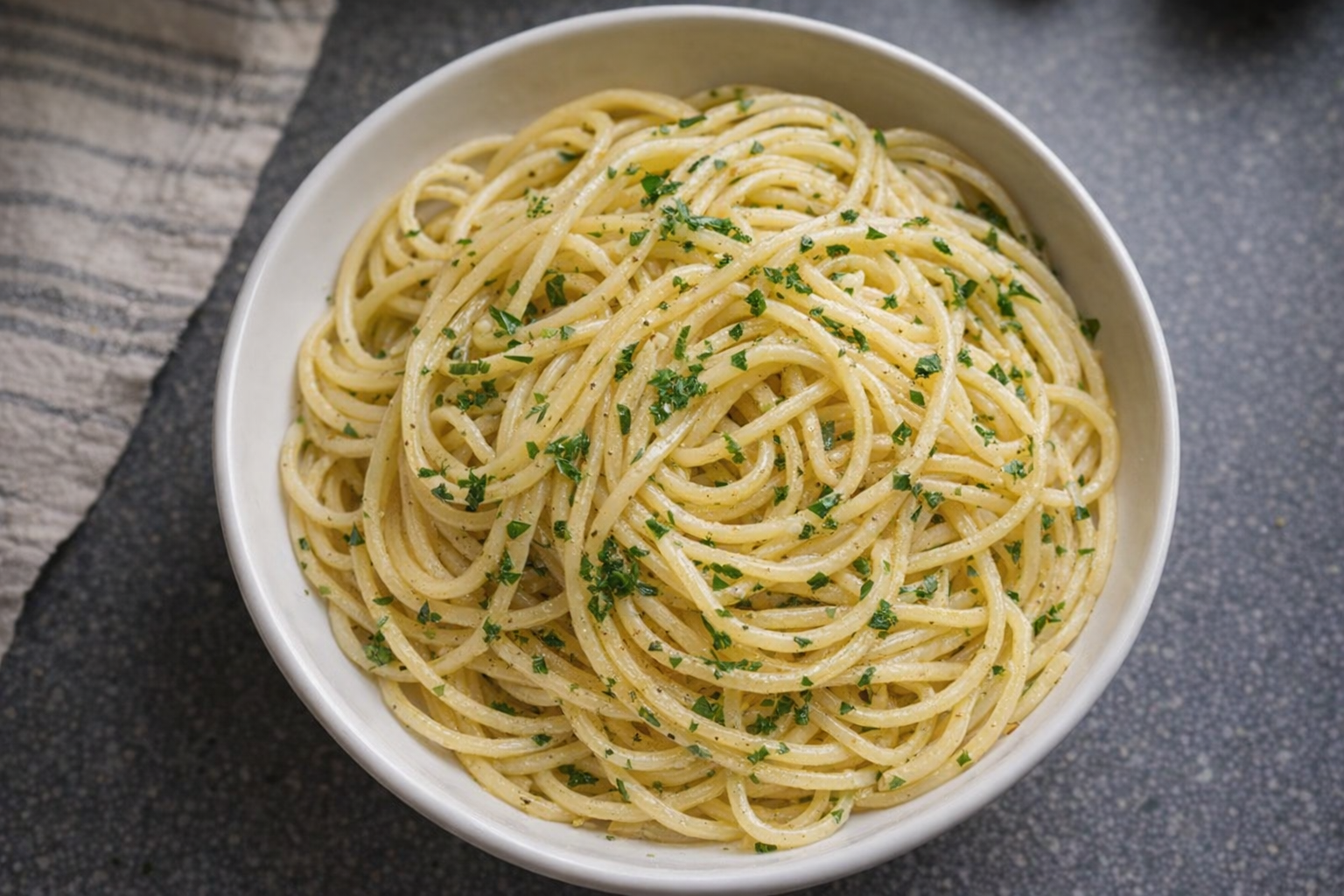
Spaghetti, derived from the Italian word "spago" meaning "thin string" or "twine," is a cylindrical pasta made from durum wheat semolina and water. It's available in various thicknesses, typically denoted by a number on the packaging (e.g., #5 is a standard thickness). When purchasing spaghetti, look for a pale golden color, indicating high-quality semolina. Avoid packages with broken or crushed pasta. Look for brands that use bronze dies for extrusion, as this creates a slightly rougher surface that helps sauces cling better.
Why Cook Spaghetti This Way?
- Versatility: Spaghetti is a blank canvas for countless sauces and toppings.
- Flavor: Proper boiling enhances the pasta's natural flavor and ensures even seasoning.
- Convenience: This method is quick, easy, and requires minimal equipment.
Preparation (Mise en Place)
- No Thawing Required: Dried spaghetti does not require thawing.
Essential Tools
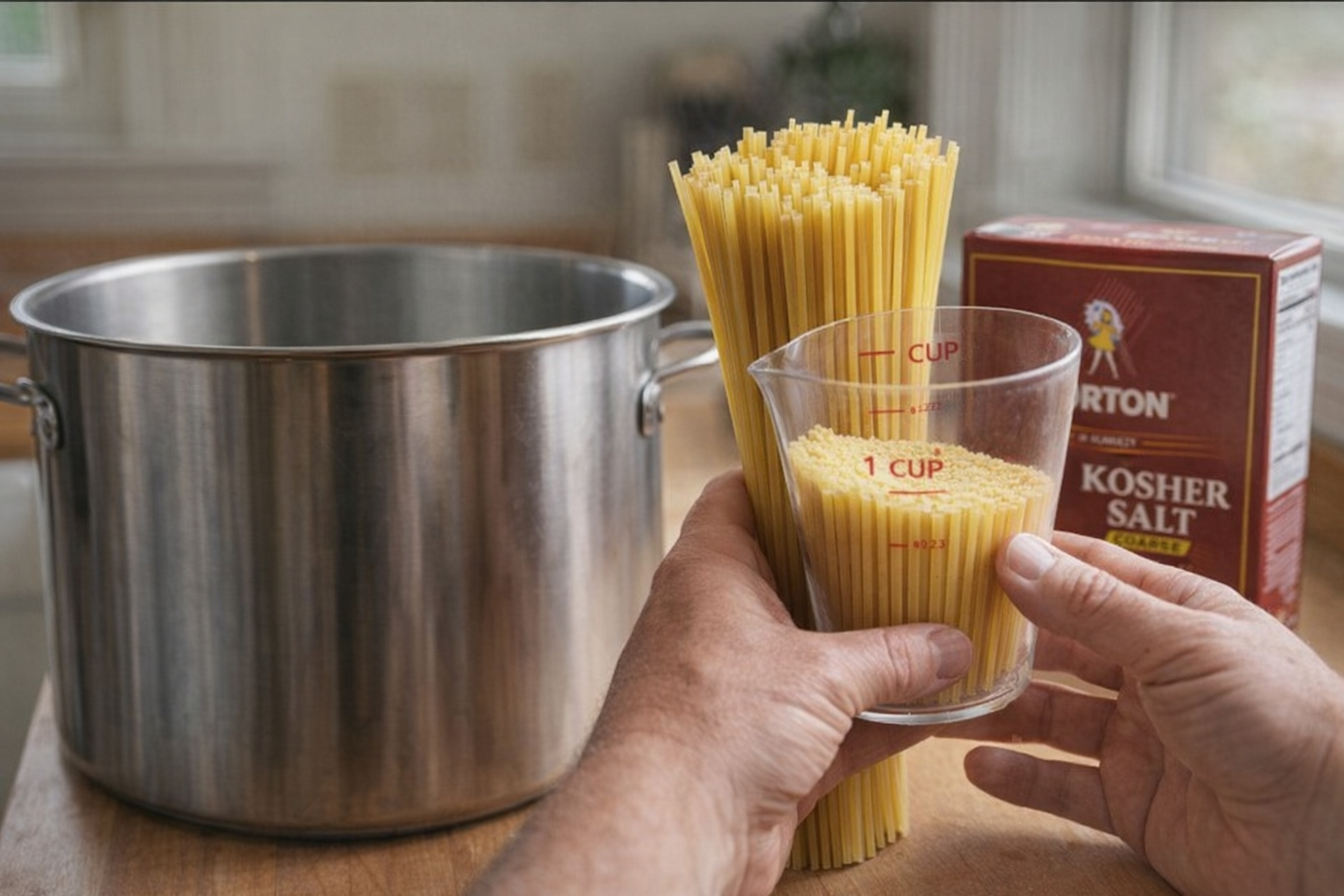
- Large Pot (6-8 quarts): A large pot is crucial for even cooking and prevents the spaghetti from sticking together. The water needs to circulate freely.
- Colander: For draining the cooked pasta. A sturdy colander with small holes is ideal.
- Tongs or Pasta Fork: For transferring the cooked pasta from the pot to the serving dish.
The Cooking Method(s)
Method 1: Classic Boiling Method
Ingredients:
- 1 pound (454g) dried spaghetti
- 4-6 quarts (4-6 liters) water
- 1-2 tablespoons kosher salt
- Fill the Pot: Fill a large pot with 4-6 quarts of cold water.
- Add Salt: Add 1-2 tablespoons of kosher salt to the water. The water should taste noticeably salty, like seawater. This seasons the pasta from the inside out.
- Bring to a Rolling Boil: Place the pot on the stove over high heat and bring the water to a vigorous rolling boil. This ensures the pasta cooks evenly.
- Add the Spaghetti: Carefully add the spaghetti to the boiling water. If the spaghetti is too long for the pot, gently bend it in half to submerge it.
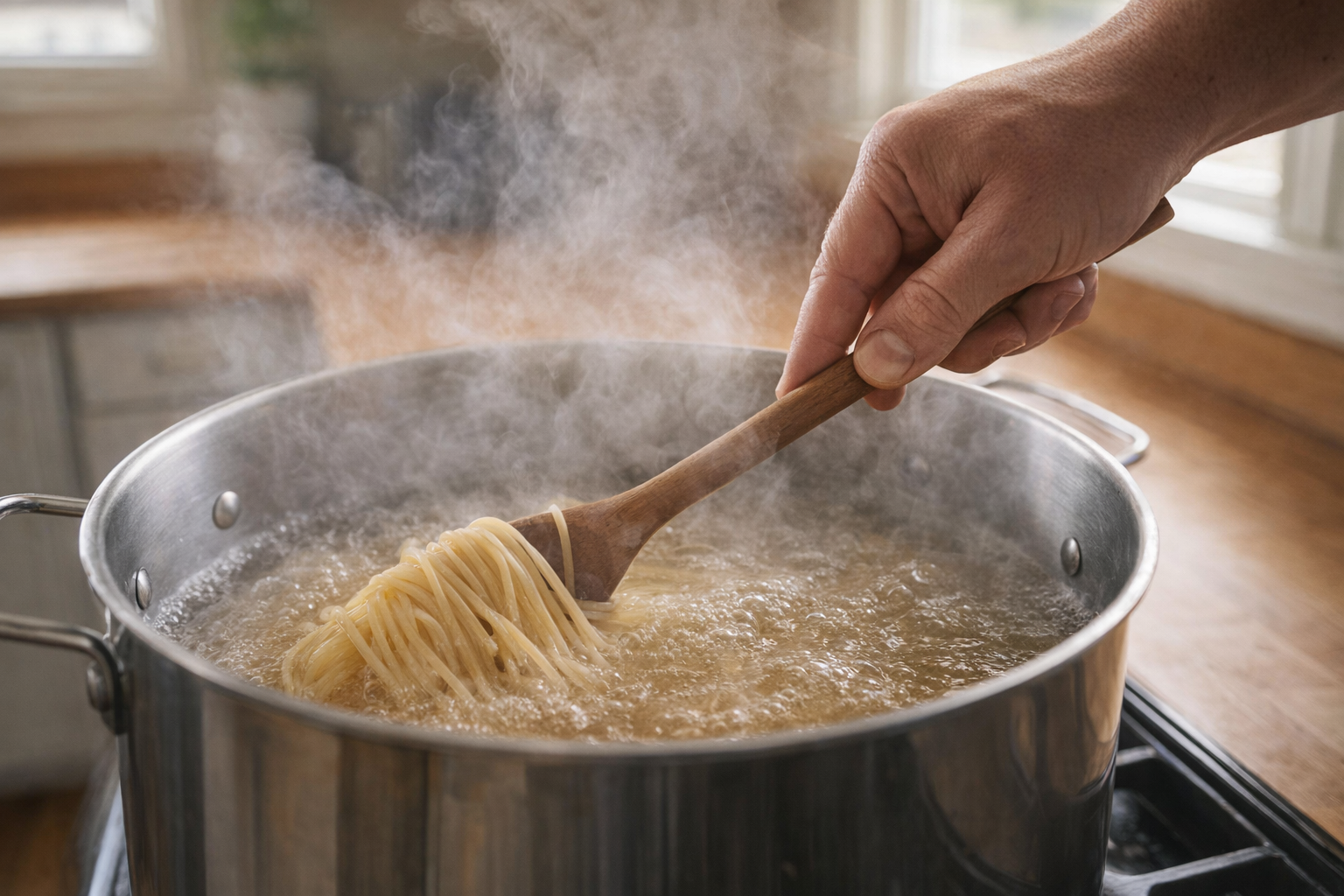
- Stir Immediately: Immediately stir the spaghetti with a wooden spoon or pasta fork to prevent it from sticking together.
- Cook Al Dente: Cook the spaghetti according to the package directions, usually 8-12 minutes, or until it is al dente. Al dente means "to the tooth" in Italian, and refers to pasta that is firm to the bite, not mushy.
- Reserve Pasta Water (Optional): Before draining the pasta, reserve about 1 cup (240ml) of the starchy cooking water. This water can be used to thin out sauces and help them adhere to the pasta.
- Drain the Spaghetti: Drain the spaghetti in a colander. Do not rinse the spaghetti unless you are using it in a cold salad.
- Serve Immediately: Serve the spaghetti immediately with your favorite sauce.
Cooking Time & Doneness Guide
- Cooking Time: 8-12 minutes, depending on the thickness of the spaghetti.
- Internal Temperature: Not applicable for pasta.
Visual Cues
The pasta should be slightly translucent and have a slight chew. To test for doneness, remove a strand of spaghetti from the pot and taste it. It should be firm to the bite but not hard or crunchy. If it's still too firm, continue cooking for another minute or two and test again.
Tips for Perfection
- Use Enough Water: Insufficient water leads to sticky pasta.
- Salt the Water Generously: Salting the water is crucial for seasoning the pasta.
- Stir Frequently: Stirring prevents the pasta from sticking together.
- Don't Overcook: Overcooked pasta is mushy and unappetizing.
Storage & Reheating
- Storage: Store leftover cooked spaghetti in an airtight container in the refrigerator for up to 3-4 days.
- Reheating: Reheat leftover spaghetti in the microwave or on the stovetop with a little water or sauce to prevent it from drying out. Microwaving can make the pasta a little rubbery, so the stovetop is preferred. To reheat on the stovetop, add a splash of water or sauce to a pan, then add the spaghetti and cook over medium heat, stirring occasionally, until heated through.
Serving Suggestions
- With Marinara Sauce and Meatballs: A classic combination that is always a crowd-pleaser.
- With Pesto and Grilled Chicken: A fresh and flavorful option for a light meal.
- As Spaghetti Aglio e Olio: A simple yet delicious dish with garlic, olive oil, red pepper flakes, and parsley.
- In a Spaghetti Carbonara: A rich and creamy dish with eggs, pancetta, Parmesan cheese, and black pepper.
Frequently Asked Questions
Yes, you can substitute table salt for kosher salt. However, use slightly less table salt, as it's more concentrated. Start with 1 tablespoon for the recipe and adjust to taste, ensuring the water tastes noticeably salty.
Tossing the drained spaghetti immediately with a little olive oil or some of the reserved pasta water can help prevent sticking. The oil coats the strands, while the starchy water helps to create a light sauce that keeps them separate.
Al dente is an Italian term meaning 'to the tooth,' and it refers to pasta that is cooked until firm to the bite. To test for al dente, remove a strand from the boiling water and bite into it; it should be cooked through but still have a slight resistance in the center.
While a large pot with ample water is ideal, you can cook spaghetti in slightly less water, but it increases the risk of sticking. Make sure the pasta is fully submerged and stir frequently during the first few minutes of cooking to prevent clumping.