 delishing
How to Cook Spinach on the Stove: A Culinary Guide

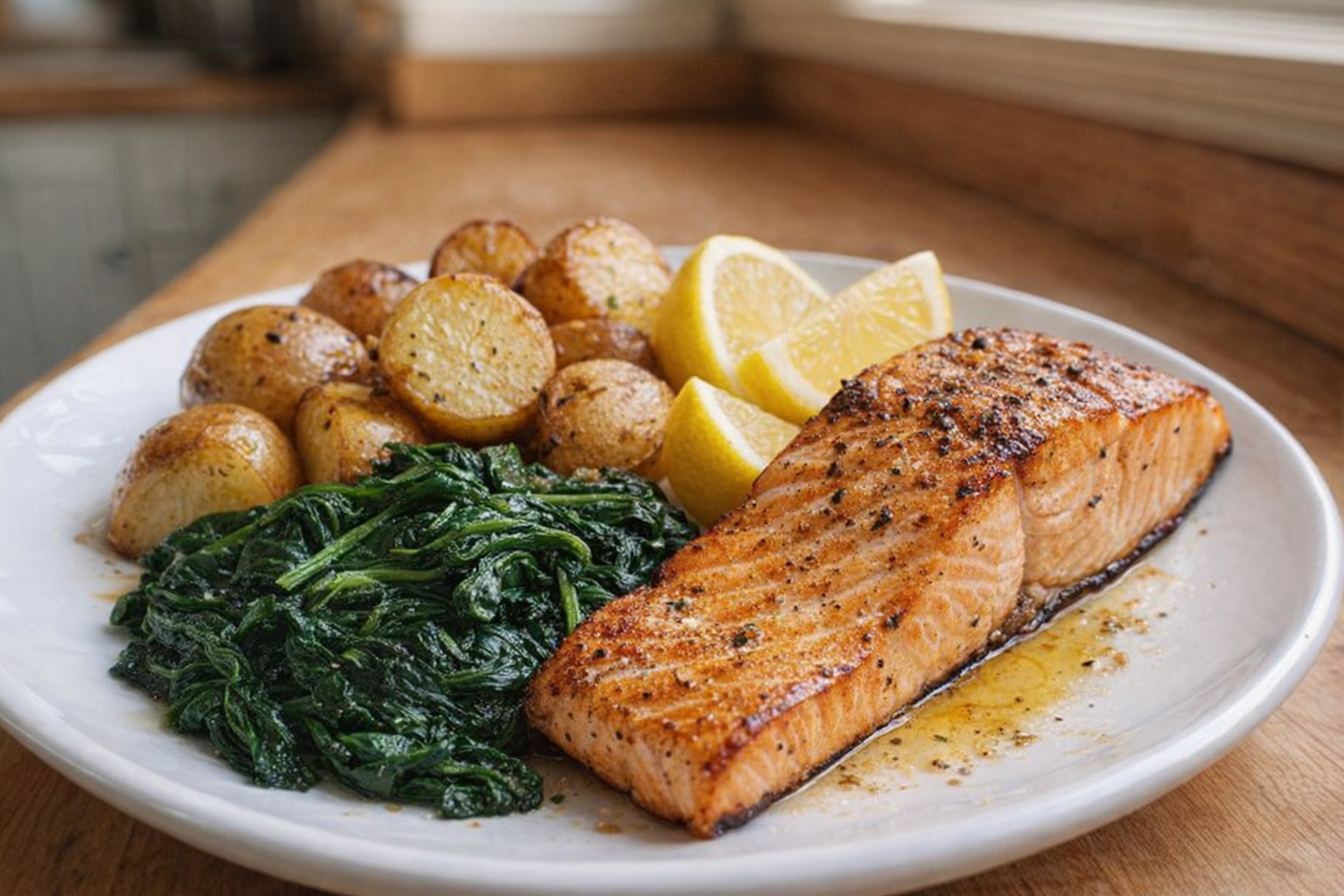
Spinach, with its mild, slightly earthy flavor, is a kitchen MVP. Mastering how to cook spinach opens doors to a world of culinary possibilities, from simple side dishes to vibrant additions to more complex recipes. This guide focuses on sautéing, a quick and effective method that preserves the spinach's delicate texture while enhancing its natural flavors with aromatics and seasonings.
Sautéing spinach on the stove is a rapid cooking method that transforms a mound of fresh greens into a tender, flavorful side dish in minutes. The high heat and quick cooking time prevent the spinach from becoming soggy, while allowing it to absorb the flavors of butter, oil, and aromatics like garlic and red pepper flakes. This technique is ideal for busy weeknights when you crave a nutritious and delicious vegetable side.
Understanding Spinach Varieties
When selecting spinach, you'll primarily encounter two varieties: baby spinach and mature spinach. Baby spinach, pre-washed and packaged, offers convenience and a delicate texture. It's perfect for quick sautéing or adding raw to salads. Mature spinach, sold in bunches, boasts a more robust flavor and slightly tougher texture. It requires thorough washing to remove any grit and is well-suited for soups, stews, and dishes where a heartier spinach presence is desired. For sautéing, either type works well, but baby spinach simplifies the prep process. Look for spinach with vibrant green leaves and avoid any bunches with wilted or yellowing leaves.
Why Cook Spinach This Way?
- Versatility: Sautéed spinach complements a wide range of dishes, from grilled meats and fish to pasta and eggs.
- Flavor: Sautéing enhances spinach's natural flavors, creating a savory and satisfying side dish.
- Convenience: This method is quick and easy, making it ideal for weeknight cooking.
Preparation (Mise en Place)
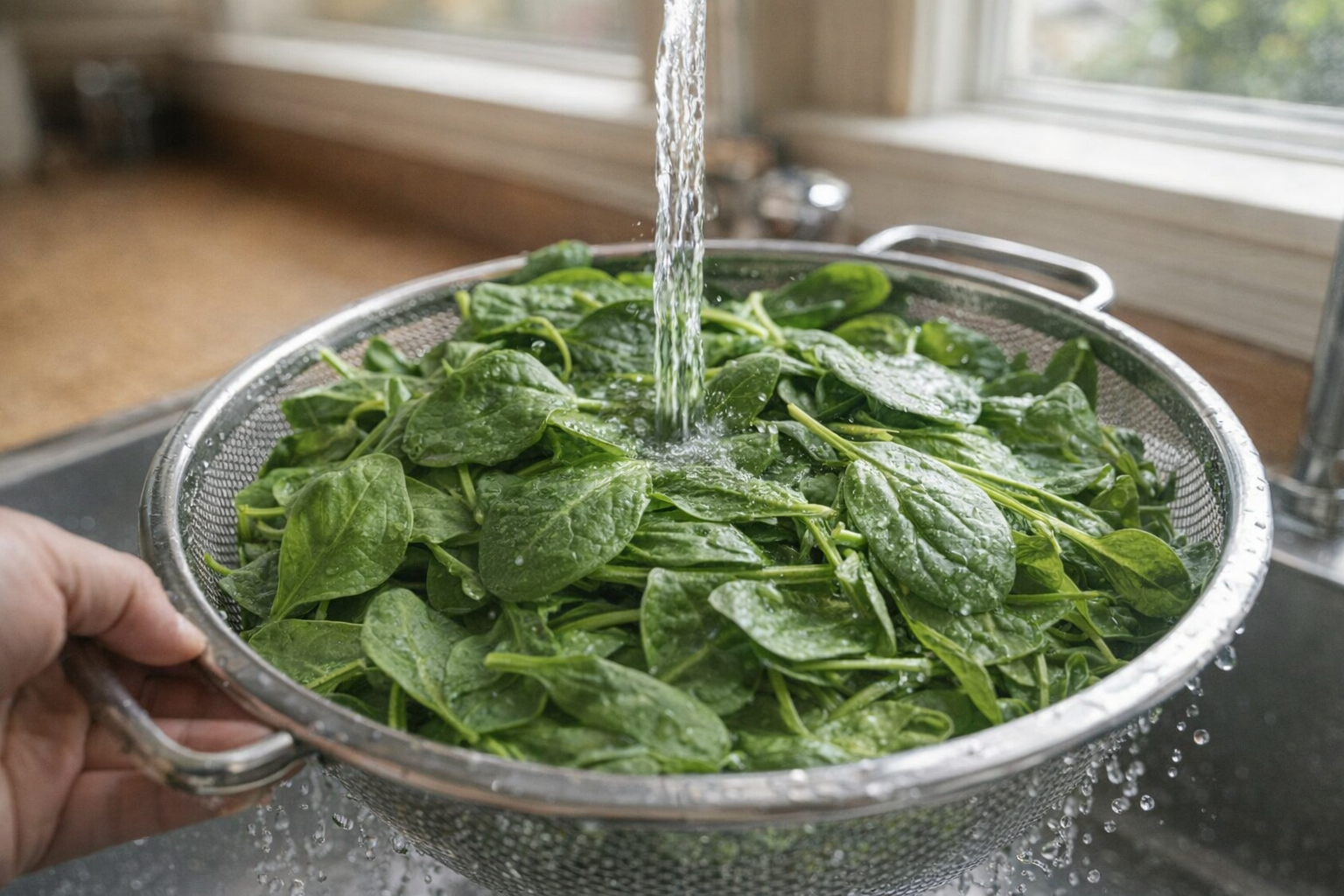
- Washing: Thoroughly wash your spinach, especially mature spinach, to remove any dirt or grit. Baby spinach is often pre-washed, but a quick rinse is still recommended.
- Drying: Pat the spinach dry with paper towels or use a salad spinner to remove excess moisture. This will prevent the spinach from steaming in the pan and ensure a better sauté.
- Chopping (Optional): If using mature spinach, coarsely chop the leaves into smaller pieces for easier cooking. Baby spinach can be sautéed whole.
Essential Tools
- Wide-Bottomed Skillet: A wide skillet, preferably stainless steel or cast iron, allows for even heat distribution and prevents overcrowding. We favor cast iron for heat retention and even browning.
- Tongs: Tongs are essential for tossing and turning the spinach in the pan, ensuring even cooking.
- Measuring Spoons: Accurate measurement of ingredients ensures consistent results.
The Cooking Method: Sautéed Spinach
Ingredients:
- 1 tablespoon unsalted butter (15g)
- 1 tablespoon olive oil (15ml)
- Pinch of red pepper flakes (optional)
- 10 ounces baby spinach (approximately 280g or 10 packed cups)
- 3/4 teaspoon kosher salt (4g)
- 1/4 teaspoon freshly ground black pepper (1g)
Instructions:
- Heat the Pan: Place a wide-bottomed skillet over high heat. The pan should be hot enough that a drop of water evaporates immediately.
- Add Fats: Add the butter and olive oil to the hot pan. Swirl the pan to coat the bottom evenly. The butter will melt and start to bubble, creating a rich base for the spinach. The combination of butter and olive oil provides both flavor and a higher smoke point, preventing the butter from burning.
- Incorporate Aromatics (Optional): If using red pepper flakes, sprinkle them into the hot oil. Listen for a gentle sizzle as they infuse the oil with heat. For garlic or shallots, add them now and cook for about 30 seconds, until fragrant. Be careful not to burn the garlic, as it will turn bitter. The aroma should fill your kitchen, a sign that the flavors are melding beautifully.
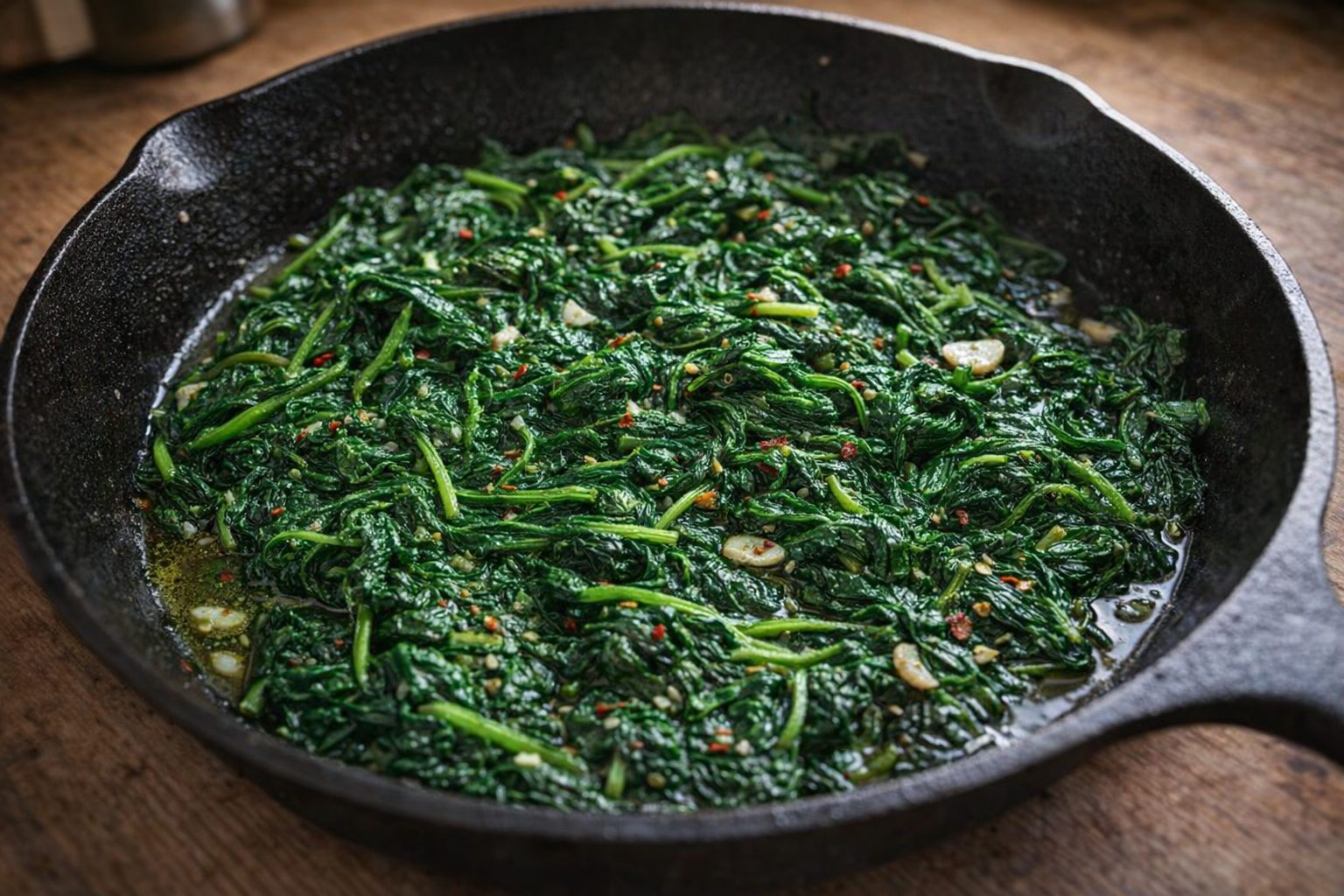
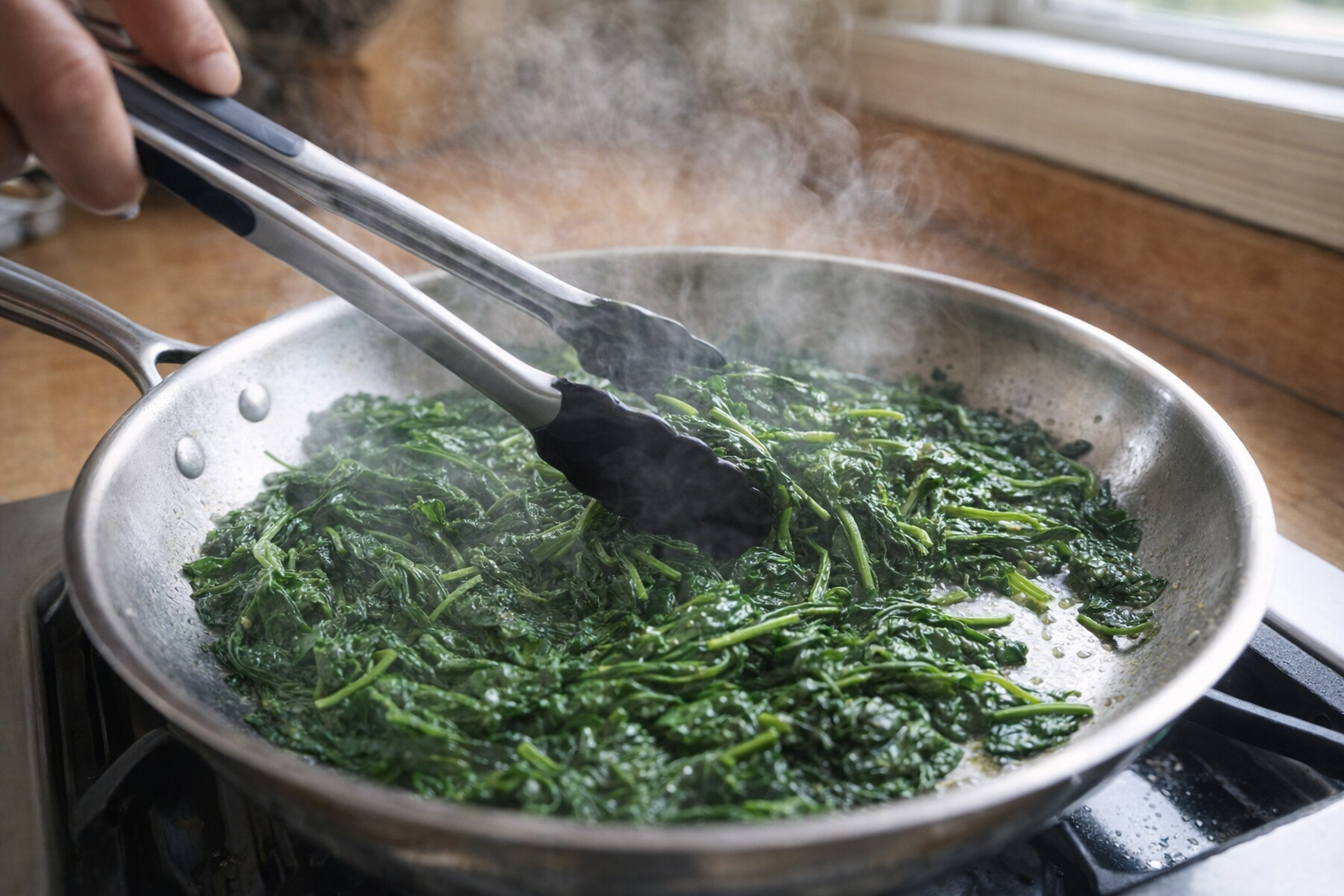
- Add Spinach: Grab a handful of spinach and add it to the pan. It may seem like a lot, but it will wilt down quickly. As the bottom layer wilts, create space and add more spinach in batches, stirring constantly with tongs or a wooden spoon. Watch as the leaves transform from a dull green to a vibrant, bright green.
- Cook Until Wilted: Continue cooking and stirring until all the spinach has wilted down, which should only take 3-5 minutes. The spinach will release water as it cooks. If there's too much liquid, tilt the pan and spoon it out, or simply let it cook off. The goal is tender, wilted spinach, not soup.
- Season and Serve: Once the spinach is wilted, season it with salt and pepper. Taste and adjust the seasoning as needed. For a bright finish, add a squeeze of fresh lemon juice. Consider adding toasted pine nuts for texture or a sprinkle of freshly grated Parmesan cheese for added saltiness. The aroma of the finished dish should be savory and inviting.
- Serve Immediately: Serve the sautéed spinach promptly while it's still hot, as a side dish to grilled meat or fish, or as a brunch accompaniment to scrambled eggs.
Cooking Time & Doneness Guide:
- Cooking Time: Sautéing spinach typically takes only 3-5 minutes.
- Internal Temperature: Spinach doesn't require a specific internal temperature.
Visual Cues
The spinach is done when it has wilted down significantly and turned a bright green color. Avoid overcooking, as it can become mushy.
Tips for Perfection:
- Don't Overcrowd the Pan: Cook the spinach in batches to avoid overcrowding, which will result in steaming instead of sautéing.
- Dry the Spinach Thoroughly: Excess moisture will cause the spinach to steam and become soggy.
- Use High Heat: High heat is essential for quick and even cooking.
Storage & Reheating:
- Storage: Store leftover sautéed spinach in an airtight container in the refrigerator for up to 3 days.
- Reheating: Reheat gently in a skillet over low heat or in the microwave. Avoid overheating, as it can become mushy.
Serving Suggestions:
- As a Side Dish: Serve alongside grilled chicken, fish, or steak.
- In a Frittata or Omelet: Add sautéed spinach to your favorite egg dishes for a boost of nutrients and flavor.
- With Pasta: Toss sautéed spinach with pasta, olive oil, garlic, and Parmesan cheese for a simple and satisfying meal.
- As a Pizza Topping: Use sautéed spinach as a topping for homemade or store-bought pizza.
💡 Pro Tips
- Use a large, wide skillet to accommodate the high volume of raw leaves, as spinach wilts down to a fraction of its original size.
- Ensure the spinach is completely dry before cooking to prevent excess water from steaming the greens and making them mushy.
- Heat your oil or butter over medium-high heat and add aromatics like garlic for just a few seconds before tossing in the greens.
- Sauté the leaves quickly for only two to three minutes, removing them from the heat as soon as they turn bright green and wilted.
- Season with salt and red pepper flakes at the very end of cooking to maintain the best texture and flavor balance.
Frequently Asked Questions
If you prefer a milder flavor, you can omit the red pepper flakes entirely. Alternatively, try a pinch of smoked paprika for a subtle smoky flavor without the heat, or a dash of nutmeg for a warm, earthy note that complements spinach well.
The key to preventing soggy spinach is to ensure it's as dry as possible before adding it to the pan. Thoroughly dry the washed spinach using paper towels or a salad spinner to remove excess moisture, as this will help it sauté instead of steam.
Yes, you can use frozen spinach, but make sure to thaw it completely and squeeze out as much excess water as possible before sautéing. Frozen spinach will have a softer texture than fresh, so adjust the cooking time accordingly to avoid overcooking.
Leftover sautéed spinach can be stored in an airtight container in the refrigerator for up to 3 days. Reheat gently in a skillet or microwave before serving, and be aware that the texture may soften slightly upon reheating.