 delishing
How to Cook Tempeh on the Stove: A Culinary Guide

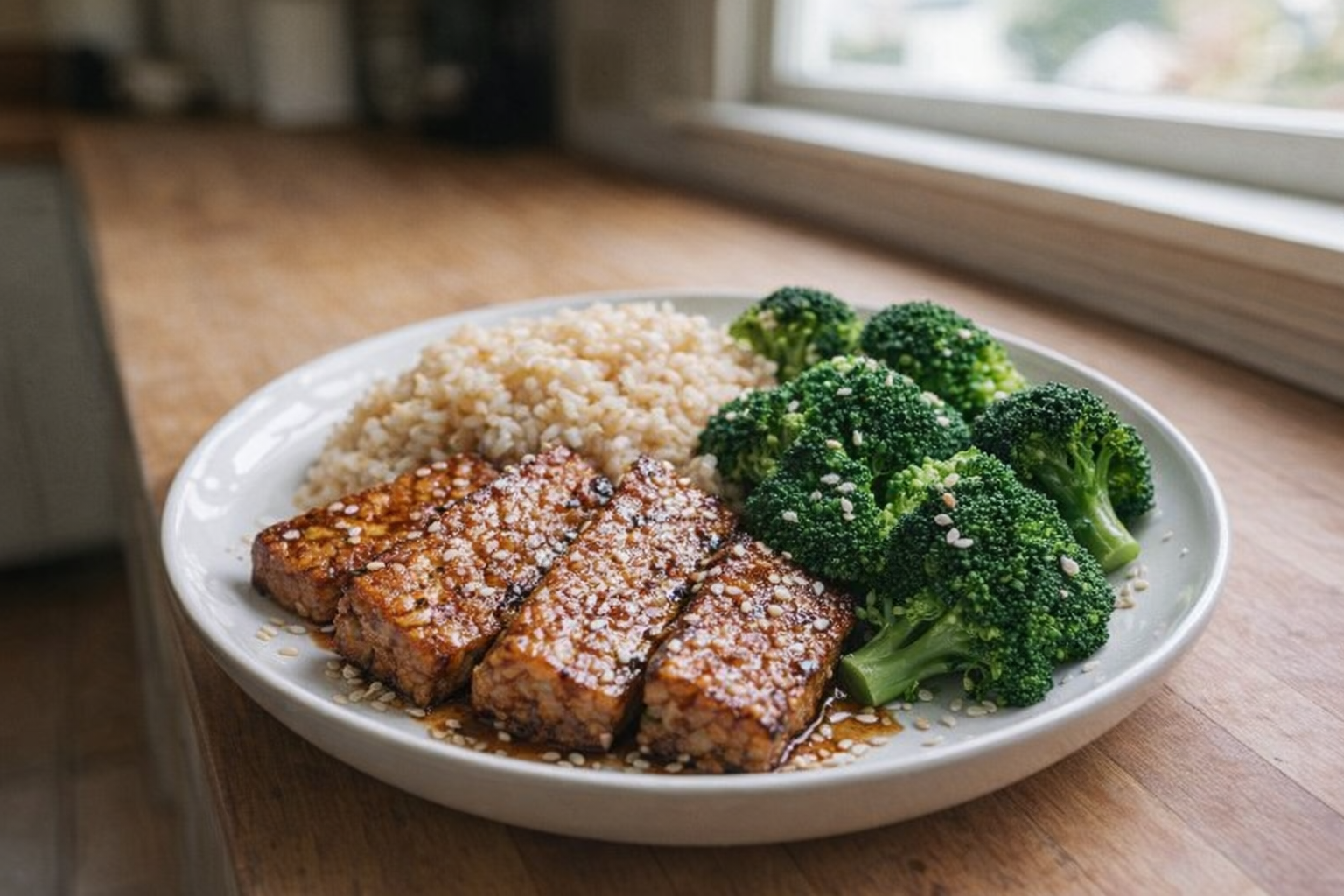
Tempeh, a fermented soybean cake, offers a unique nutty flavor and a firm texture that stands up well to various cooking methods. This guide focuses on mastering tempeh preparation on the stovetop, unlocking its versatility for both quick weeknight meals and more elaborate culinary creations. We'll explore different techniques from pan-frying to simmering, showcasing how to maximize flavor and achieve that perfect golden-brown crust.
Cooking tempeh on the stove is all about layering flavors. The fermentation process provides a natural umami, which we will enhance with marinades, sauces, and spices. The goal is to transform this humble ingredient into a delicious and satisfying dish that appeals to both vegetarians and meat-eaters alike.
Understanding Tempeh
Tempeh comes in various forms, primarily differentiated by the grains added to the soybeans. Plain tempeh consists solely of fermented soybeans. Other varieties may include rice, barley, or other grains, adding slightly different textures and flavors. When purchasing tempeh, look for a firm, off-white block with minimal black spots (a few are okay, but excessive black spotting can indicate over-fermentation). Vacuum-sealed tempeh generally lasts longer and retains its freshness better than tempeh sold in water. Always check the expiration date.
Why Cook Tempeh This Way?
- Versatility: Tempeh readily absorbs flavors from marinades and sauces, making it incredibly adaptable to different cuisines.
- Flavor: Stovetop cooking allows you to build layers of flavor through browning, deglazing, and simmering.
- Convenience: The stovetop is a quick and accessible method for cooking tempeh, perfect for weeknight meals.
Preparation (Mise en Place)
- Steaming (Optional but Recommended): Steaming tempeh for 10-15 minutes softens its texture and reduces any inherent bitterness. Place the tempeh block in a steamer basket over simmering water, ensuring it doesn't touch the water.
- Cutting: Cut the tempeh into your desired shape: cubes, strips, triangles, or even thin slices. The shape will affect the cooking time and surface area for browning.
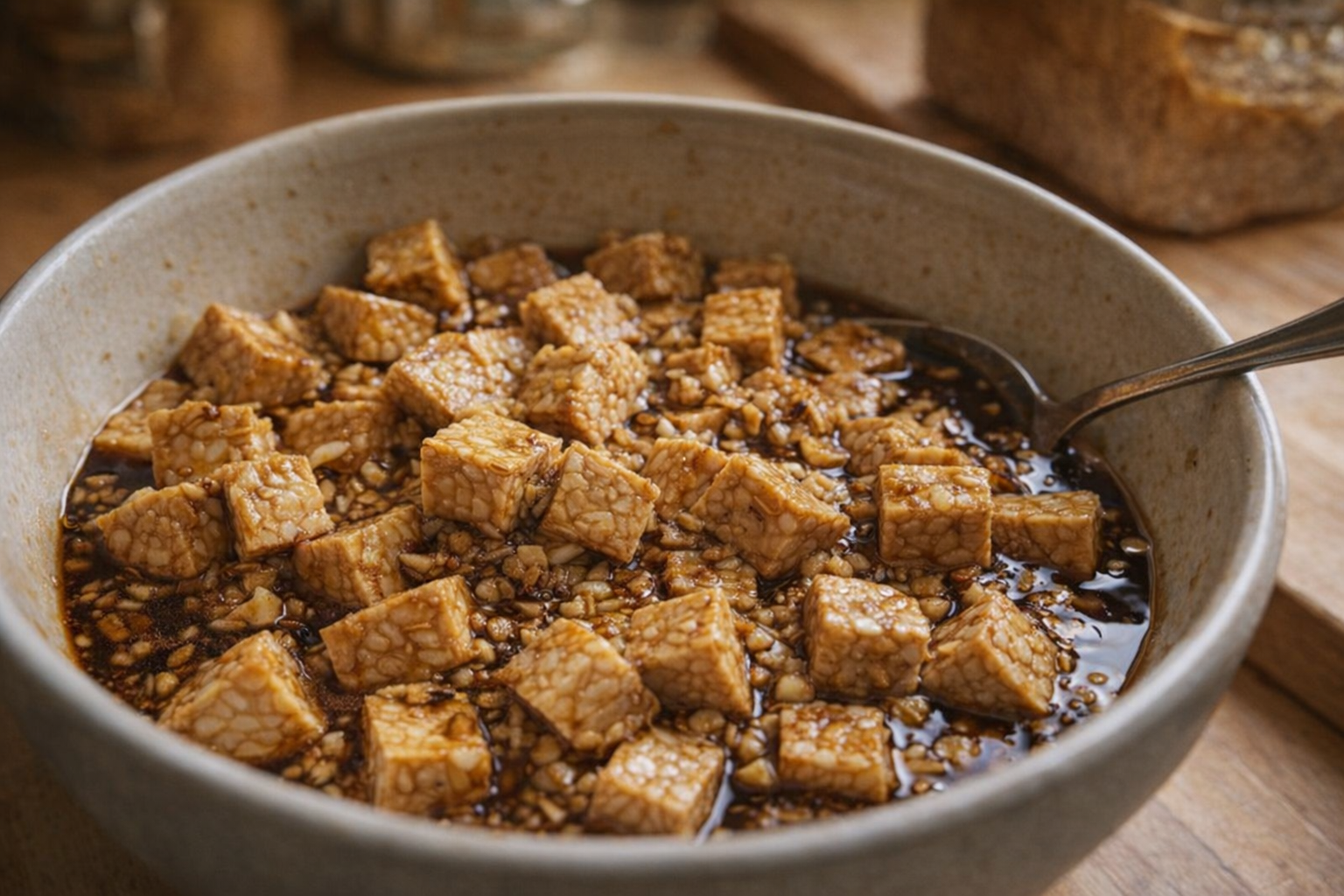
- Marinating (Optional): Marinating tempeh for at least 30 minutes (or up to overnight) infuses it with flavor. Use your favorite marinade – soy sauce, maple syrup, garlic, ginger, and spices are all excellent options.
Essential Tools
- 12-inch Cast Iron Skillet or Stainless Steel Pan: We recommend a cast iron skillet for even heat distribution and superior browning, but a stainless steel pan also works well. Avoid non-stick pans, as they don't promote browning as effectively.
- Sharp Knife: For precise and even cutting of the tempeh.
- Steamer Basket (Optional): If you choose to steam the tempeh.
- Mixing Bowls: For marinating the tempeh and preparing sauces.
The Cooking Method(s)
Here are a couple of the most effective methods for cooking Tempeh on the Stove.
Method 1: Pan-Frying for Crispy Tempeh
Ingredients:
- 1 block (8 ounces/225g) tempeh, steamed and cut into cubes
- 2 tablespoons soy sauce (or tamari for gluten-free)
- 1 tablespoon maple syrup (or agave)
- 1 teaspoon sesame oil
- 1/2 teaspoon garlic powder
- 1/4 teaspoon ground ginger
- 2 tablespoons vegetable oil
- Marinate: In a bowl, whisk together the soy sauce, maple syrup, sesame oil, garlic powder, and ginger. Add the tempeh cubes and toss to coat evenly. Let marinate for at least 30 minutes.
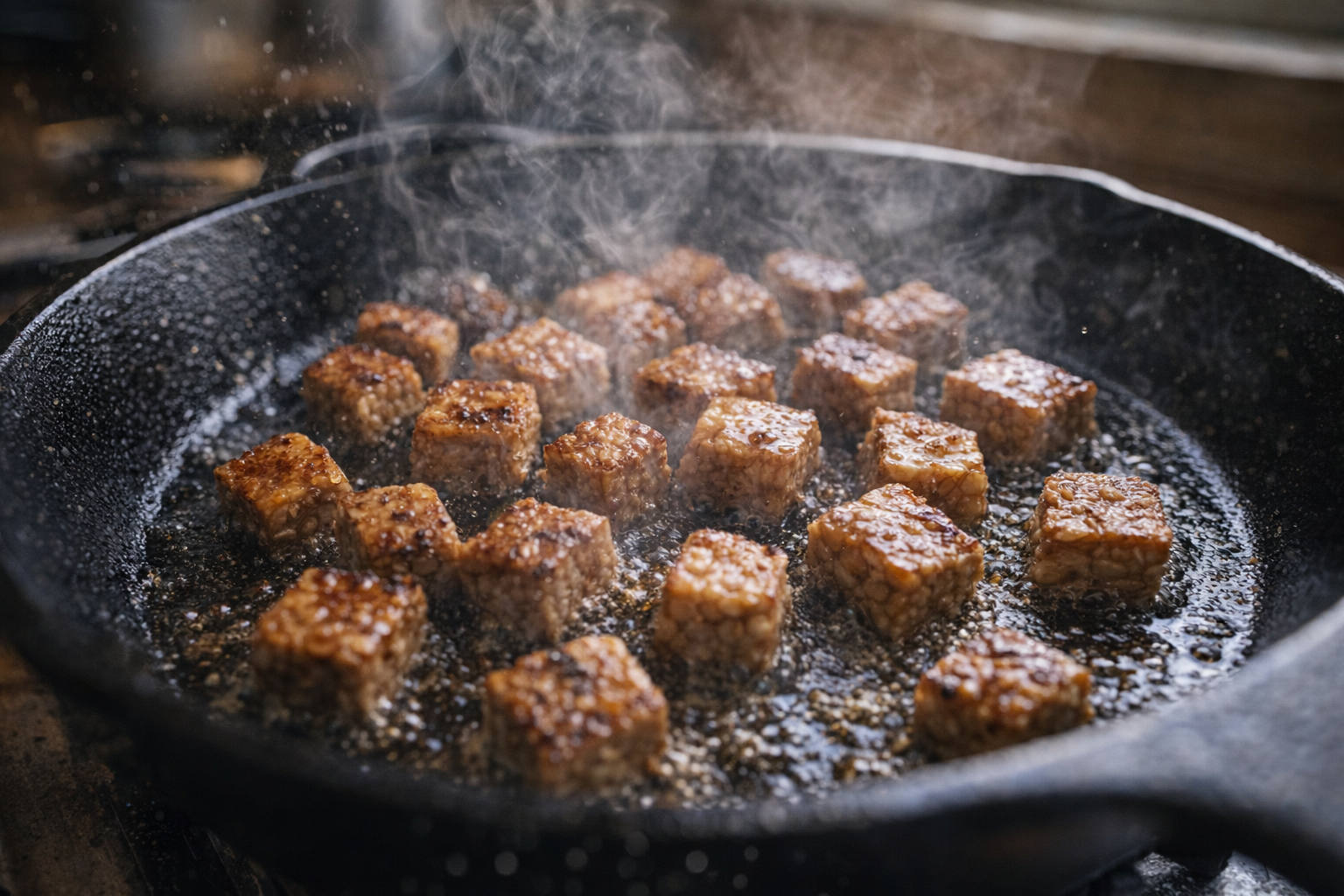
- Heat the Pan: Heat the vegetable oil in a cast iron skillet over medium-high heat until shimmering. The oil should be hot enough to sizzle when a drop of water is added.
- Fry the Tempeh: Add the marinated tempeh to the skillet in a single layer, ensuring not to overcrowd the pan. Work in batches if necessary.
- Sear and Brown: Cook the tempeh for 3-4 minutes per side, until golden brown and crispy. You should hear a satisfying sizzle as the tempeh sears. The sugars in the marinade will caramelize, creating a delicious crust.
- Remove and Serve: Remove the crispy tempeh from the skillet and place on a paper towel-lined plate to drain excess oil. Serve immediately.
Method 2: Simmering in Sauce for Maximum Flavor Absorption
Ingredients:
- 1 block (8 ounces/225g) tempeh, steamed and cut into strips
- 1 cup vegetable broth
- 1/2 cup tomato sauce
- 2 tablespoons soy sauce
- 1 tablespoon brown sugar
- 1 teaspoon smoked paprika
- 1/2 teaspoon onion powder
- 1/4 teaspoon cayenne pepper (optional, for heat)
- Sear (Optional): For extra flavor, sear the tempeh strips in a lightly oiled skillet over medium-high heat for 1-2 minutes per side, until lightly browned. Remove from the skillet and set aside.
- Combine Sauce Ingredients: In the same skillet, combine the vegetable broth, tomato sauce, soy sauce, brown sugar, smoked paprika, onion powder, and cayenne pepper (if using). Stir well to combine.
- Simmer: Bring the sauce to a simmer over medium heat. Add the tempeh strips to the sauce, ensuring they are mostly submerged.
- Cook and Reduce: Reduce the heat to low, cover the skillet, and simmer for 15-20 minutes, or until the sauce has thickened and the tempeh has absorbed the flavors. Stir occasionally to prevent sticking.
- Serve: Serve the simmered tempeh with rice, noodles, or your favorite side dishes.
Cooking Time & Doneness Guide
- Pan-Frying: 8-12 minutes total, 3-4 minutes per side.
- Simmering: 15-20 minutes.
Visual Cues
- Pan-Fried: The tempeh should be golden brown and crispy on all sides.
- Simmered: The sauce should be thickened and the tempeh should be tender and easily pierced with a fork.
Tips for Perfection
- Don't Overcrowd the Pan: Overcrowding lowers the pan temperature and prevents the tempeh from browning properly. Cook in batches if necessary.
- Use High Heat for Searing: Searing requires high heat to create a flavorful crust. Make sure the pan and oil are hot before adding the tempeh.
- Adjust Seasoning to Taste: Taste the sauce or marinade as you go and adjust the seasoning to your liking.
- Press the Tempeh: For a denser, chewier texture, press the tempeh before cooking to remove excess moisture. Wrap the tempeh in paper towels and place a heavy object on top for 30 minutes.
Storage & Reheating
- Storage: Store leftover tempeh in an airtight container in the refrigerator for up to 3-4 days.
- Reheating: Reheat pan-fried tempeh in a skillet over medium heat until warmed through and crispy. Reheat simmered tempeh in a saucepan over low heat, adding a splash of water or broth if necessary to prevent sticking. Microwaving is also an option, but the texture may become slightly rubbery.
Serving Suggestions
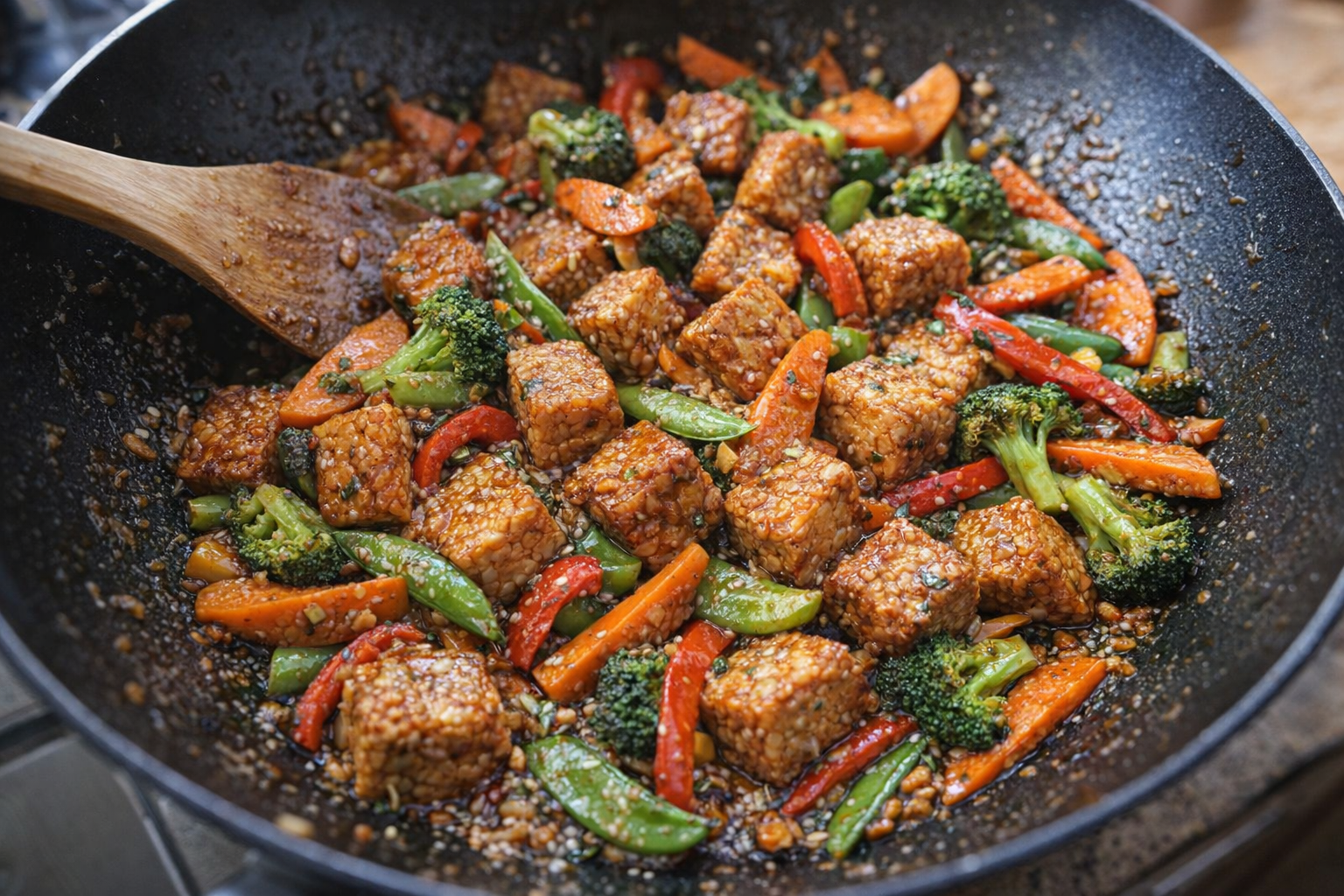
- In a stir-fry: Add pan-fried tempeh to your favorite stir-fry recipe.
- As a taco filling: Crumble the tempeh and use it as a plant-based taco filling.
- In a sandwich or wrap: Layer sliced tempeh with your favorite toppings for a hearty sandwich or wrap.
- With rice and vegetables: Serve simmered tempeh over rice with steamed or roasted vegetables.
💡 Pro Tips
- Steaming the tempeh is crucial for reducing bitterness and improving texture; don't skip this step!
- For extra crispy tempeh, press it before marinating to remove excess moisture.
- Don't overcrowd the pan when pan-frying; cook in batches to ensure even browning.
- Adjust the seasoning in the marinade or sauce to your preference, experimenting with different spices and herbs.
- Let the tempeh marinate for at least 30 minutes, or even longer for deeper flavor penetration.
Frequently Asked Questions
Yes, you can use pre-marinated tempeh to save time. However, be mindful of the sodium content in store-bought marinades, and adjust any additional soy sauce or salt in the recipe accordingly. Also, consider that the flavor profile of the pre-marinated tempeh might not perfectly align with the other ingredients in the recipe, so taste as you go and adjust seasonings as needed.
If you don't have maple syrup, you can substitute it with agave nectar, brown sugar, honey (if not vegan), or even a tablespoon of molasses. Each option will impart a slightly different flavor. Brown sugar and molasses will provide a deeper, richer flavor, while agave nectar and honey are closer in sweetness to maple syrup.
Ensure the pan is properly heated before adding the tempeh and use enough oil to coat the bottom of the pan evenly. Avoid overcrowding the pan, as this will lower the temperature and cause the tempeh to steam rather than sear. If sticking persists, try using a well-seasoned cast iron skillet or a stainless steel pan with a good amount of oil.
Yes, cooked tempeh can be frozen for up to 2-3 months. Allow the tempeh to cool completely before transferring it to an airtight freezer-safe container or freezer bag. When ready to use, thaw it overnight in the refrigerator or microwave it on a low setting. Keep in mind that the texture may change slightly after freezing and thawing, becoming a bit softer.