 delishing
How to Cook Tuna Steak: 6 Simple & Delicious Methods

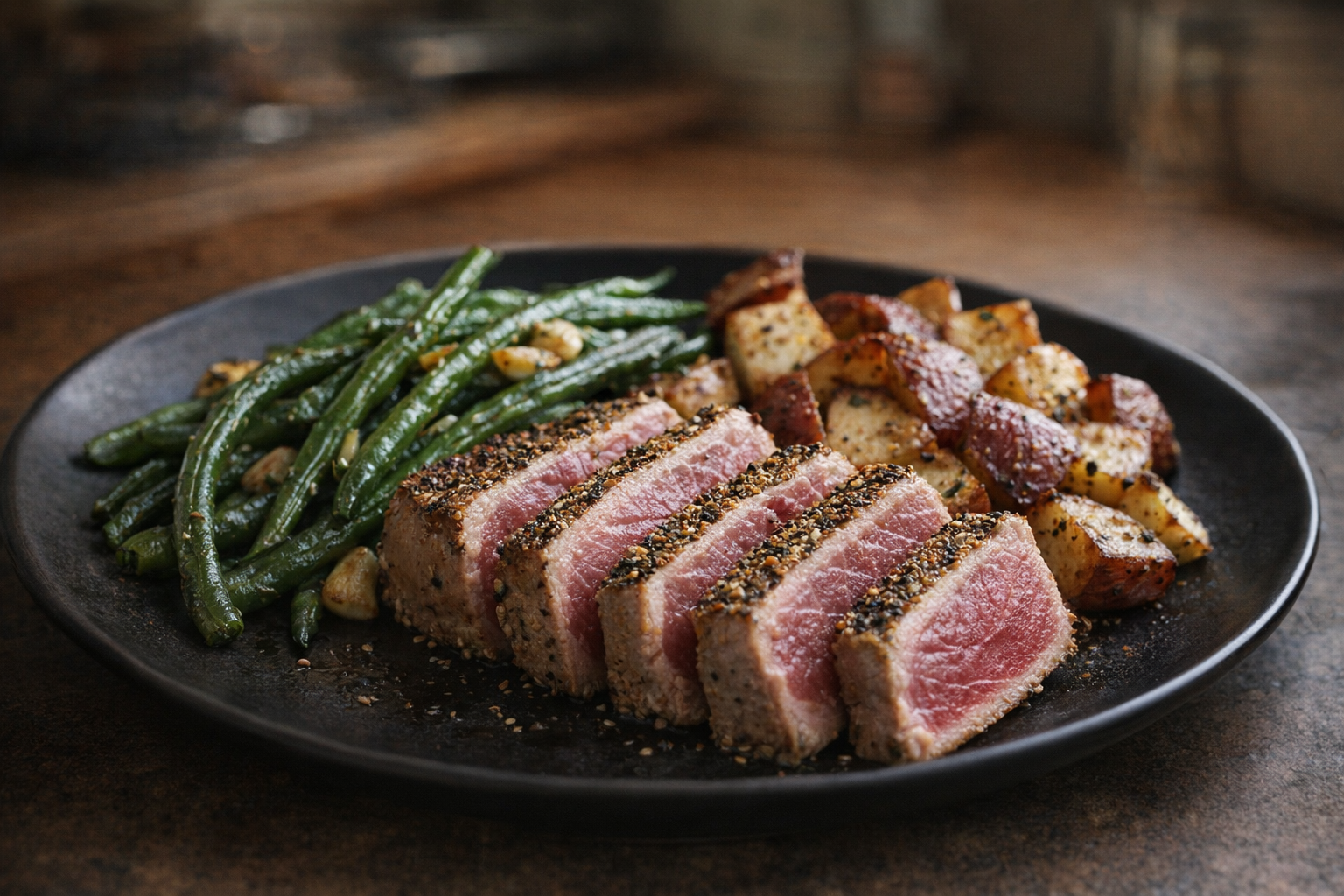
Tuna, with its firm texture and distinct, yet mild flavor, is a culinary chameleon. It can be seared to perfection for a restaurant-quality dish, transformed into vibrant sushi, or even preserved in cans for a convenient pantry staple. Cooking tuna steak at home doesn't have to be intimidating. Whether you prefer a perfectly seared crust or a delicate, flaky texture, mastering tuna is within reach.
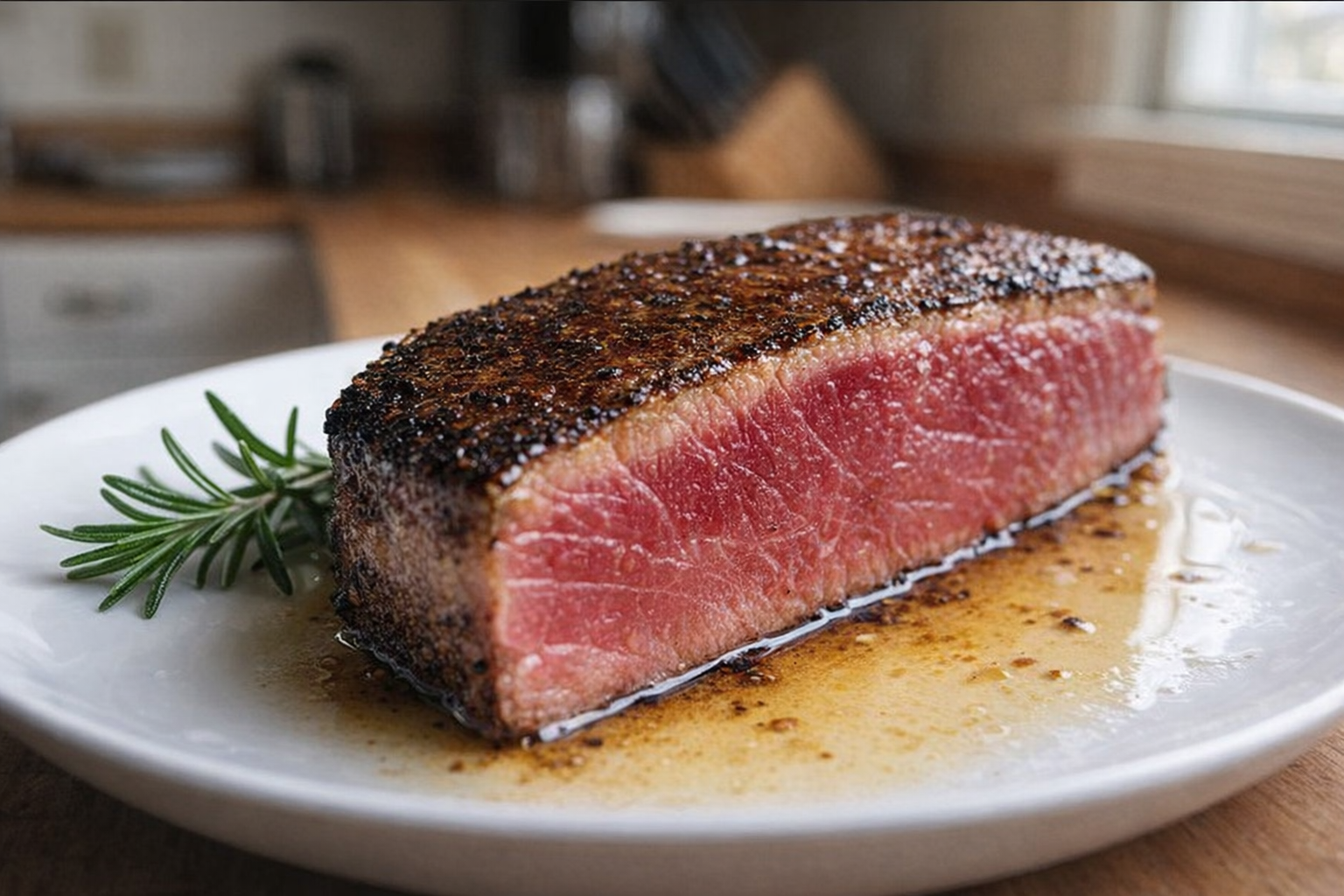
This guide will walk you through six distinct cooking methods, providing the knowledge and confidence to consistently create delicious tuna dishes. We will focus on getting that perfect balance of a flavorful crust with a tender, almost raw, center, which is the hallmark of expertly prepared tuna.
Understanding Tuna: Choosing the Right Cut
The type of tuna you choose will significantly impact the final result. Here's a breakdown of common varieties and their characteristics:
- Albacore: Mildest flavor, light-colored flesh. Best grilled or served rare.
- Yellowfin (Ahi): Medium-bodied flavor, bright red when raw, turning brownish-gray when cooked. Excellent for searing, grilling, and sushi. Look for steaks with a deep red color and a firm, moist texture. Avoid steaks that appear dull or have a fishy odor.
- Bigeye: Similar to yellowfin but with a slightly higher fat content, resulting in a richer flavor.
- Bluefin: Most prized (and expensive) variety. Rich, buttery flavor, often used in high-end sushi.
- Skipjack: Primarily used for canned tuna. Stronger flavor than other varieties.
Why Cook Tuna This Way?
- Versatility: Tuna is incredibly adaptable, pairing well with a wide range of flavors and cuisines.
- Flavor: When cooked correctly, tuna boasts a rich, savory flavor that is both satisfying and delicate.
- Speed & Convenience: Many tuna cooking methods are quick and require minimal ingredients, making it ideal for weeknight meals.
Preparation (Mise en Place)
- Thawing: If using frozen tuna, thaw it slowly in the refrigerator overnight. Never thaw tuna at room temperature, as this can promote bacterial growth.
- Patting Dry: Before cooking, pat the tuna steaks dry with paper towels. This removes excess moisture, allowing for a better sear.
- Trimming (Optional): Some tuna steaks may have a thin layer of sinew or dark meat. While edible, some prefer to trim this off for a more consistent texture.
Essential Tools
- Heavy-Bottomed Skillet: A cast iron or stainless steel skillet is essential for achieving a good sear due to its even heat distribution.
- Baking Sheet: Needed for baking.
- Tongs: For flipping the tuna gently.
- Instant-Read Thermometer: To ensure the tuna reaches the desired internal temperature.
The Cooking Methods
Here are six distinct methods for cooking tuna steak, each offering a unique texture and flavor profile.
Method 1: Pan Searing
Pan searing creates a beautiful crust with a tender, almost raw, center. This is a classic technique for showcasing the quality of the tuna.
Ingredients:
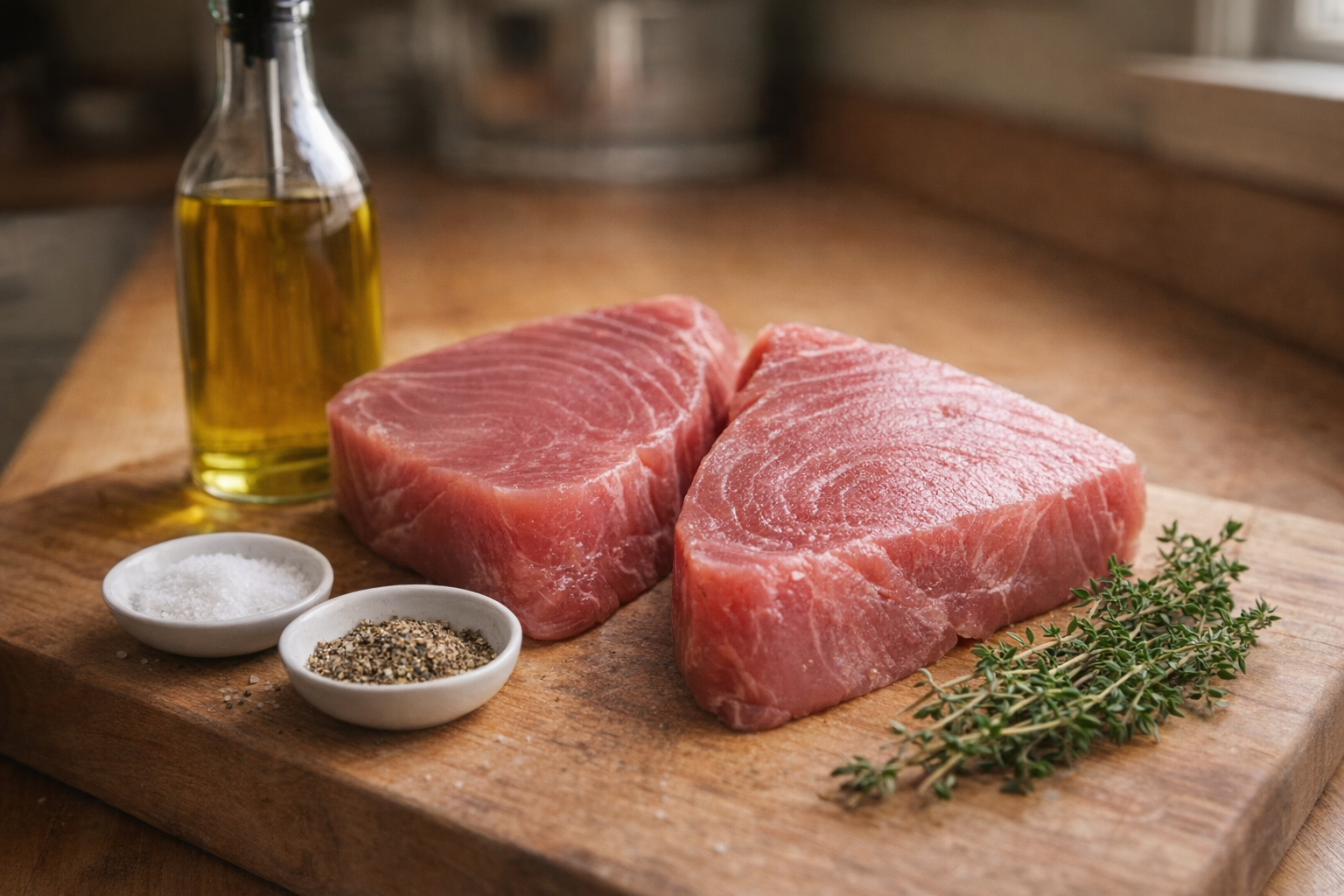
- Tuna steak (6-8 oz, 1-inch thick): 170-225g, 2.5cm thick
- High-heat oil (avocado, grapeseed, or canola): 1 tablespoon (15ml)
- Butter (unsalted): 1 tablespoon (15g)
- Salt: To taste
- Black pepper: To taste
Instructions:
- Rest: Remove the tuna steak from the refrigerator 15 minutes before cooking. This allows for more even cooking. Pat the tuna dry with paper towels. Season generously with salt and pepper on both sides.
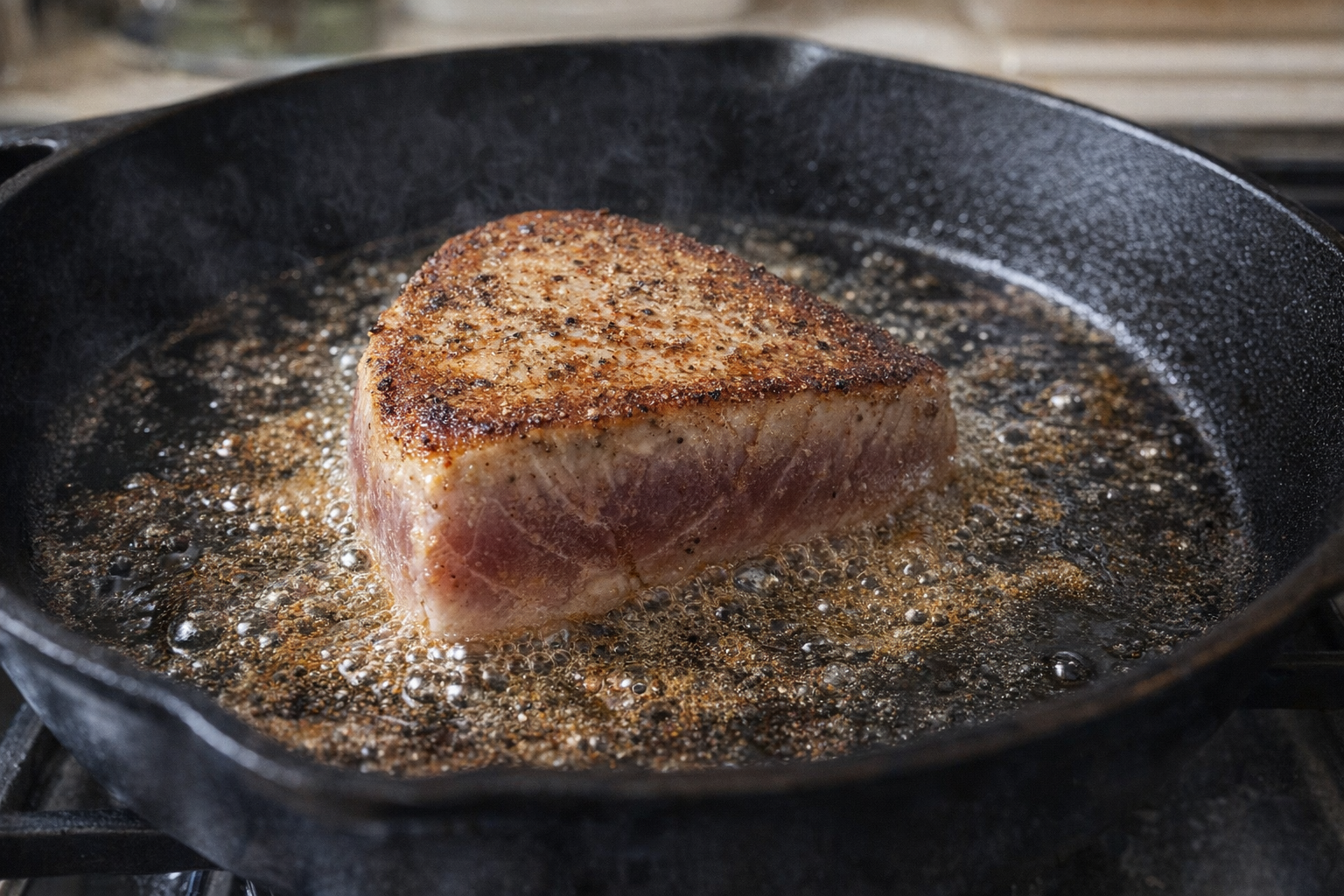
- Heat the Pan: Place a heavy-bottomed skillet (preferably cast iron) over medium-high heat. Add the oil and butter. Allow the butter to melt completely and the oil to shimmer. The pan should be very hot.
- Sear: Carefully place the tuna steak in the hot pan. You should hear a loud sizzle. If not, the pan is not hot enough. Sear for 2-3 minutes per side, depending on the desired level of doneness.
- Check the Edges: As the tuna sears, you'll see the cooked portion rising up the sides. Aim for about 1/4 inch of cooked tuna around the edges, leaving the center rare.
- Rest: Remove the tuna from the pan and place it on a cutting board. Let it rest for 1-2 minutes before slicing against the grain. The carryover heat will continue to cook the tuna slightly.
Method 2: Baking
Baking offers a gentle cooking method that helps retain moisture, resulting in a tender tuna steak.
Ingredients:
- Tuna steak (6-8 oz, 1-inch thick): 170-225g, 2.5cm thick
- Olive oil: 1 tablespoon (15ml)
- Salt: To taste
- Black pepper: To taste
- Lemon wedges (optional)
Instructions:
- Preheat: Preheat oven to 400°F (200°C). Lightly grease a baking sheet with olive oil.
- Prepare Tuna: Pat the tuna steak dry with paper towels. Place on the prepared baking sheet. Drizzle with olive oil and season with salt and pepper.
- Bake: Bake for 8-12 minutes, depending on the thickness of the tuna and desired doneness.
- Check for Doneness: The tuna should be opaque on the outside but still slightly pink in the center.
- Rest: Remove from oven and let rest for 2-3 minutes before serving. Squeeze with lemon if desired.
Method 3: Grilling
Grilling imparts a smoky flavor and creates appealing grill marks.
Ingredients:
- Tuna steaks (6-8 oz, 1-inch thick): 170-225g, 2.5cm thick
- Olive oil: 2 tablespoons (30ml)
- Salt: To taste
- Black pepper: To taste
- Lemon wedges (for serving)
Instructions:
- Prepare Grill: Preheat grill to medium-high heat. Clean and lightly oil the grill grates.
- Marinate (Optional): Marinate tuna steaks in olive oil, salt, and pepper for at least 15 minutes.
- Grill: Grill tuna steaks for 3-4 minutes per side, depending on thickness and desired doneness.
- Check for Doneness: Tuna should be seared on the outside and slightly pink in the center.
- Rest: Remove from grill and let rest for a few minutes before serving with lemon wedges.
Method 4: Air Frying
Air frying offers a quick and convenient way to cook tuna, achieving a crispy exterior with a moist interior.
Ingredients:
- Tuna steaks (6-8 oz, 1-inch thick): 170-225g, 2.5cm thick
- Olive oil: 1 teaspoon (5ml)
- Salt: To taste
- Black pepper: To taste
- Lemon juice: 1 teaspoon (5ml)
Instructions:
- Preheat: Preheat air fryer to 360°F (180°C).
- Prepare Tuna: Pat tuna steaks dry and brush with olive oil. Season with salt, pepper, and lemon juice.
- Air Fry: Place tuna steaks in the air fryer basket, ensuring they are not overcrowded. Cook for 4-6 minutes, flipping halfway through, depending on desired doneness.
- Rest: Let rest for 1-2 minutes before serving.
Method 5: Sous Vide
Sous vide provides precise temperature control, resulting in a uniformly cooked and incredibly tender tuna steak.
Ingredients:
- Tuna steaks (6-8 oz, 1-inch thick): 170-225g, 2.5cm thick
- Olive oil: 1 tablespoon (15ml)
- Salt: To taste
- Black pepper: To taste
- Fresh herbs (thyme, rosemary) (optional)
Instructions:
- Prepare Tuna: Season tuna steaks with salt and pepper. Place each steak in a separate vacuum-sealed bag with a drizzle of olive oil and fresh herbs, if desired.
- Sous Vide: Preheat a water bath to desired temperature (see cooking time & doneness guide below). Submerge the vacuum-sealed bags in the water bath and cook for the recommended time.
- Sear (Optional): After sous vide cooking, you can sear the tuna steak briefly in a hot skillet to develop a crust, if desired.
- Rest: Remove from bag and let rest for a few minutes before serving.
Method 6: Oil Poaching
Oil poaching gently cooks the tuna in flavorful oil, resulting in a luxurious, buttery texture.
Ingredients:
- Tuna steaks (6-8 oz, 1-inch thick): 170-225g, 2.5cm thick
- Olive oil: Enough to submerge tuna steaks
- Garlic cloves: 2, crushed
- Fresh thyme sprigs: 4
- Red pepper flakes: Pinch
- Sea salt: To taste
Instructions:
- Prepare Oil: In a small saucepan, combine olive oil, garlic, thyme, and red pepper flakes. Heat over low heat until the oil is fragrant and slightly shimmering. Do not boil.
- Poach Tuna: Gently place the tuna steaks in the warm oil, ensuring they are fully submerged. Cook for 5-7 minutes, or until the tuna is cooked to your desired doneness.
- Cool: Remove from heat and let the tuna cool in the oil. This allows the flavors to meld and the tuna to become even more tender.
- Serve: Remove tuna from oil, sprinkle with sea salt, and serve.
Cooking Time & Doneness Guide
The cooking time for tuna depends on the thickness of the steak and your desired level of doneness. Use an instant-read thermometer to ensure accuracy.
- Rare: 110-120°F (43-49°C) - Bright red center.
- Medium-Rare: 125-130°F (52-54°C) - Warm red center.
- Medium: 130-140°F (54-60°C) - Pink center.
- Well-Done: 145°F+ (63°C+) - Not recommended, as the tuna will be dry.
Visual Cues
- The tuna should be opaque around the edges, with the desired level of redness in the center.
- When pressed gently, the tuna should feel firm but still have some give.
Tips for Perfection
- Don't Overcook: Tuna is best served rare or medium-rare. Overcooking will result in a dry, tough steak.
- Use High-Quality Tuna: Fresh, sushi-grade tuna will yield the best results.
- Pat Dry: Always pat the tuna dry before cooking to ensure a good sear.
- Hot Pan/Grill: Ensure your pan or grill is hot before adding the tuna.
Storage & Reheating
Store leftover cooked tuna in an airtight container in the refrigerator for up to 2-3 days. Reheat gently in a skillet over low heat or in a microwave. Be careful not to overcook it.
Serving Suggestions
- Seared Tuna Salad: Slice seared tuna and serve over a bed of mixed greens with a light vinaigrette.
- Tuna Poke Bowl: Dice cooked tuna and combine with rice, avocado, seaweed salad, and soy sauce.
- Tuna Steak with Roasted Vegetables: Serve grilled or baked tuna steak with roasted vegetables like asparagus, bell peppers, and zucchini.
- Tuna Tacos: Flake cooked tuna and serve in tacos with shredded cabbage, salsa, and a squeeze of lime.
💡 Pro Tips
- Pat the tuna steaks completely dry with paper towels to ensure a crisp, golden-brown crust rather than steaming the fish.
- Use a high-smoke point oil like avocado or grapeseed oil in a very hot cast-iron skillet to achieve a professional-level sear.
- Season the fish immediately before it hits the pan to prevent salt from drawing out moisture and toughening the exterior.
- Keep the cooking time to under two minutes per side to preserve the tender, ruby-red center characteristic of a perfectly cooked steak.
- Allow the steaks to rest for three minutes after cooking so the juices redistribute, ensuring every slice remains moist and flavorful.
Frequently Asked Questions
While a heavy-bottomed skillet is ideal for even heat distribution, you can still sear tuna in a regular skillet. Just be sure to preheat it thoroughly over medium-high heat and avoid overcrowding the pan to maintain a consistent temperature and achieve a good sear.
The best way to check is with a meat thermometer. For a rare center, aim for an internal temperature of 125-130°F. Remember that the tuna will continue to cook slightly after you remove it from the heat, so pull it off a little before it reaches your target temperature.
While you can use olive oil, it's best to use an oil with a higher smoke point, like avocado oil or canola oil, for searing. Olive oil can burn at high temperatures, imparting a bitter flavor to your tuna steak.
Cooked tuna steak should be stored in an airtight container in the refrigerator and consumed within 1-2 days. Ensure it cools down completely before refrigerating to prevent bacterial growth and maintain its quality.