 delishing
How to Grill Chicken Perfectly on a Gas or Charcoal Grill

The smoky char of grilled chicken is a cornerstone of summer flavors, delivering a delightful contrast between the crisp, slightly caramelized exterior and the juicy, tender meat within. This guide will show you how to achieve perfectly grilled chicken every time, whether you prefer the convenience of a gas grill or the classic taste of charcoal. We will focus on even cooking, optimal flavor development, and food safety, providing you with the knowledge to confidently grill chicken that’s both delicious and safe to eat.
Grilling chicken, when done right, unlocks a depth of flavor that other cooking methods simply can't replicate. The direct heat caramelizes the natural sugars in the chicken and any marinade, creating a complex, savory profile with subtle smoky notes. This method also allows you to achieve a desirable texture, with a slightly crisp skin and a moist, succulent interior.
Understanding Chicken Cuts
The first step to perfectly grilled chicken is understanding your options. Different cuts of chicken will cook at varying rates and benefit from different techniques.
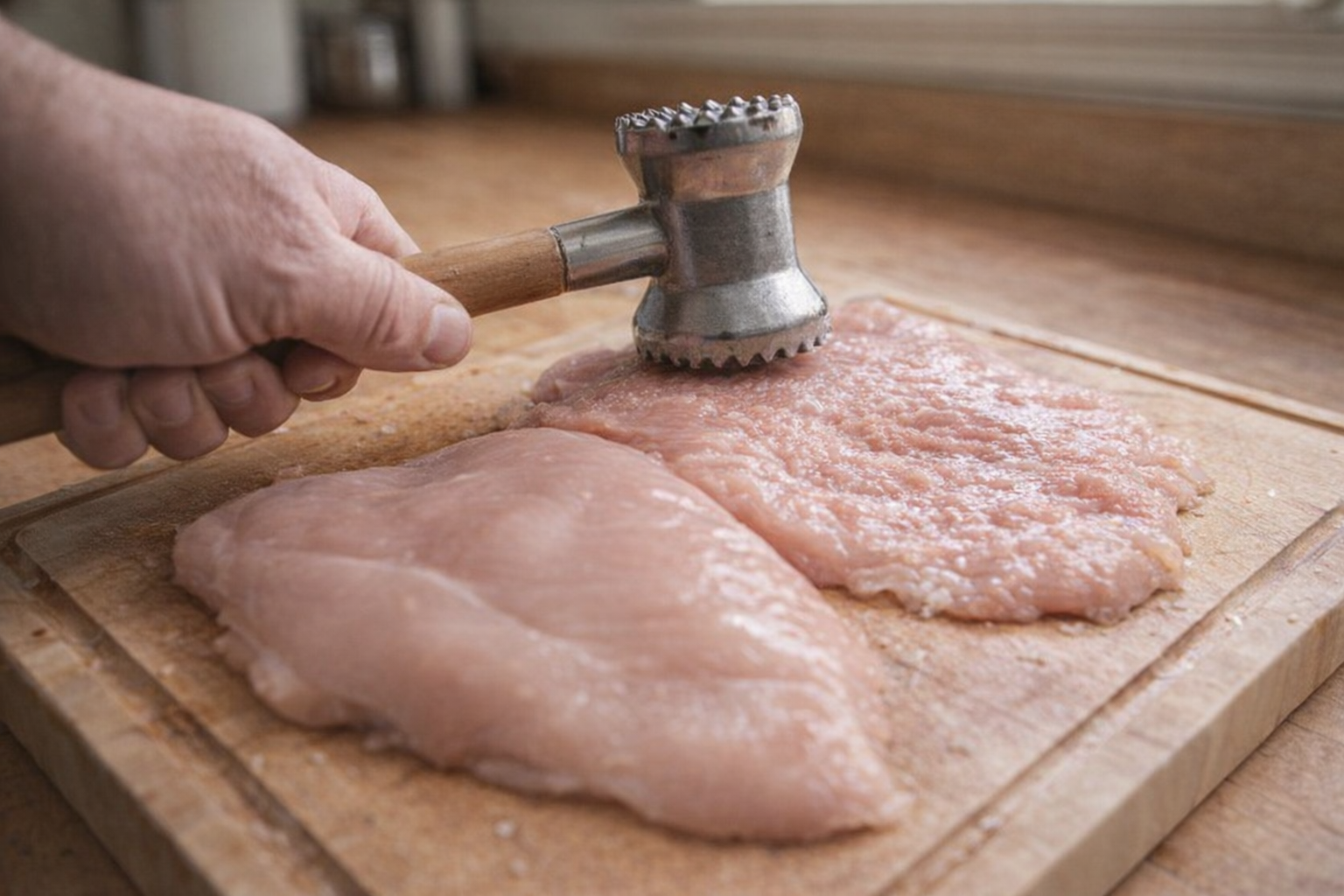
- Boneless, Skinless Chicken Breasts: These are the most common choice due to their lean protein content. However, they can easily dry out if overcooked. Pounding them to an even thickness is crucial for even cooking.
- Bone-in, Skin-on Chicken Breasts: The bone and skin add flavor and help retain moisture. This cut requires a longer cooking time but is more forgiving than boneless breasts.
- Chicken Thighs (Boneless or Bone-in): Thighs are richer in flavor and have a higher fat content, making them more resistant to drying out on the grill. They are an excellent choice for beginners.
- Chicken Drumsticks & Wings: These smaller pieces cook quickly and are perfect for a casual gathering. Marinating them is highly recommended.
- Whole Chicken: Grilling a whole chicken requires indirect heat and careful monitoring, but the result is a show-stopping centerpiece with a variety of textures and flavors.
Why Cook Chicken This Way?
- Versatility: Grilled chicken pairs well with countless marinades, rubs, and sauces, allowing for endless flavor combinations.
- Flavor: The high heat of the grill creates a unique smoky flavor and desirable char that cannot be replicated in the oven.
- Convenience: Grilling is a relatively quick and easy cooking method, especially for smaller cuts of chicken.
Preparation (Mise en Place)
Before you even think about firing up the grill, proper preparation is key. This includes ensuring your chicken is properly thawed, trimmed, and, most importantly, seasoned.
- Thawing: If using frozen chicken, thaw it completely in the refrigerator. This can take up to 24 hours for larger cuts. Never thaw chicken at room temperature, as this can promote bacterial growth.
- Trimming: Pat the chicken dry with paper towels. Trim away any excess fat or skin. For boneless, skinless breasts, pound them to an even thickness (about 1/2 inch) using a meat mallet or rolling pin. This ensures even cooking and prevents the edges from drying out before the center is cooked through.
- Marinating (Recommended): Marinating chicken for at least 30 minutes (or up to 2-3 hours) adds flavor and helps keep it moist during grilling. A simple marinade can consist of olive oil, lemon juice, garlic, herbs, and spices.
Essential Tools
- Grill (Gas or Charcoal): A clean grill is essential for preventing sticking and ensuring even cooking.
- Grill Brush: For cleaning the grill grates.
- Tongs: For safely flipping and moving the chicken on the grill.
- Instant-Read Thermometer: Absolutely crucial for ensuring the chicken is cooked to a safe internal temperature of 165°F (74°C).
- Plates or Baking Sheet: For transporting raw and cooked chicken.
- Zip-lock Bags or Dish: For marinating.
The Cooking Method(s)
Here we will cover grilling chicken on both a gas grill and a charcoal grill. The primary difference lies in temperature control, but the core principles of safe and delicious grilling remain the same.
Gas Grill Method
Ingredients:
- 2 lbs boneless, skinless chicken breasts (approx. 900g)
- 1/4 cup olive oil (60ml)
- 1/4 cup lemon juice (60ml)
- 3 cloves garlic, minced
- 1 tsp dried oregano
- 1/2 tsp salt
- 1/2 tsp black pepper
- 1/4 tsp chili powder (optional)
- Preheat: Preheat your gas grill to medium-high heat (about 375-400°F or 190-200°C). Ensure the grates are clean.
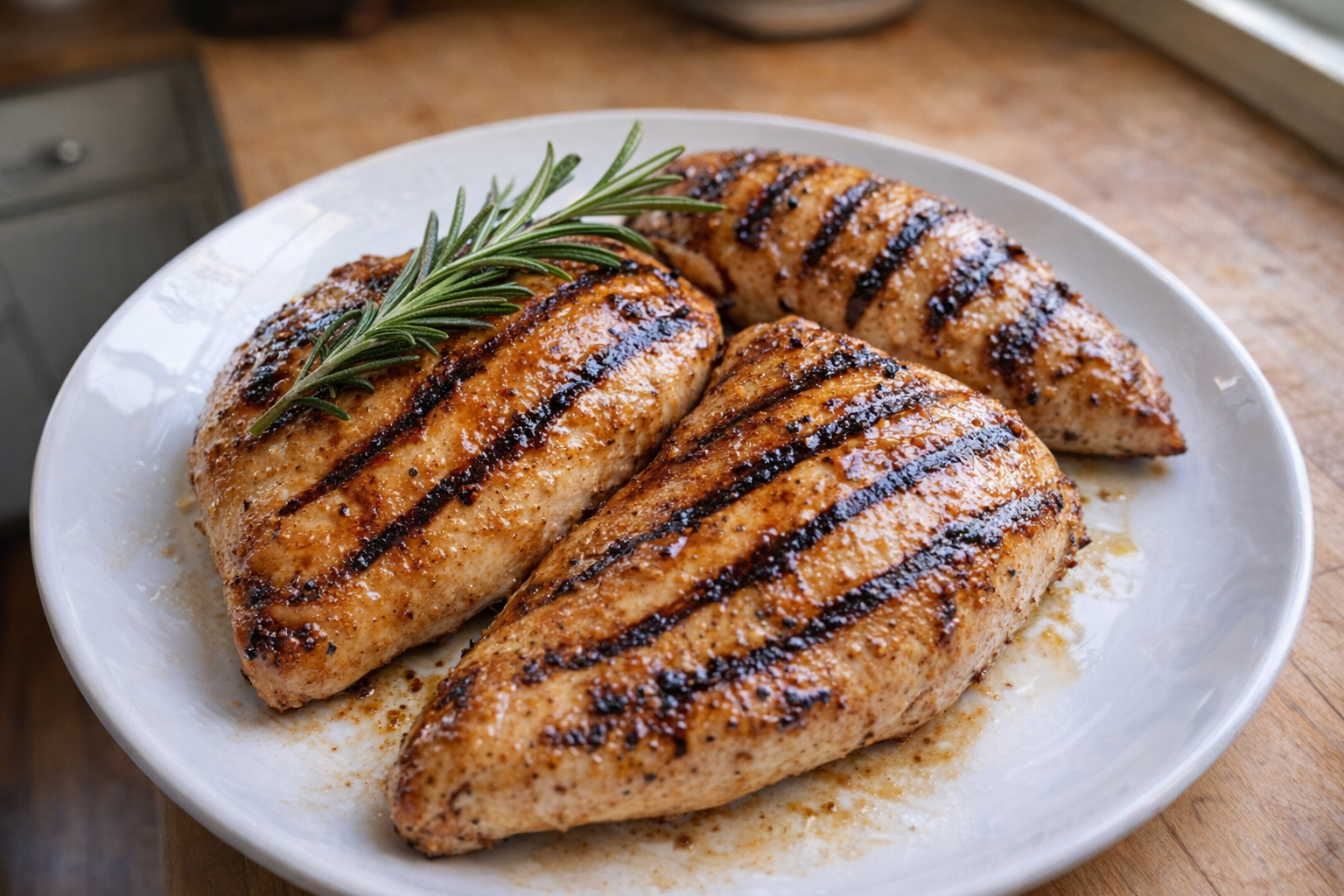
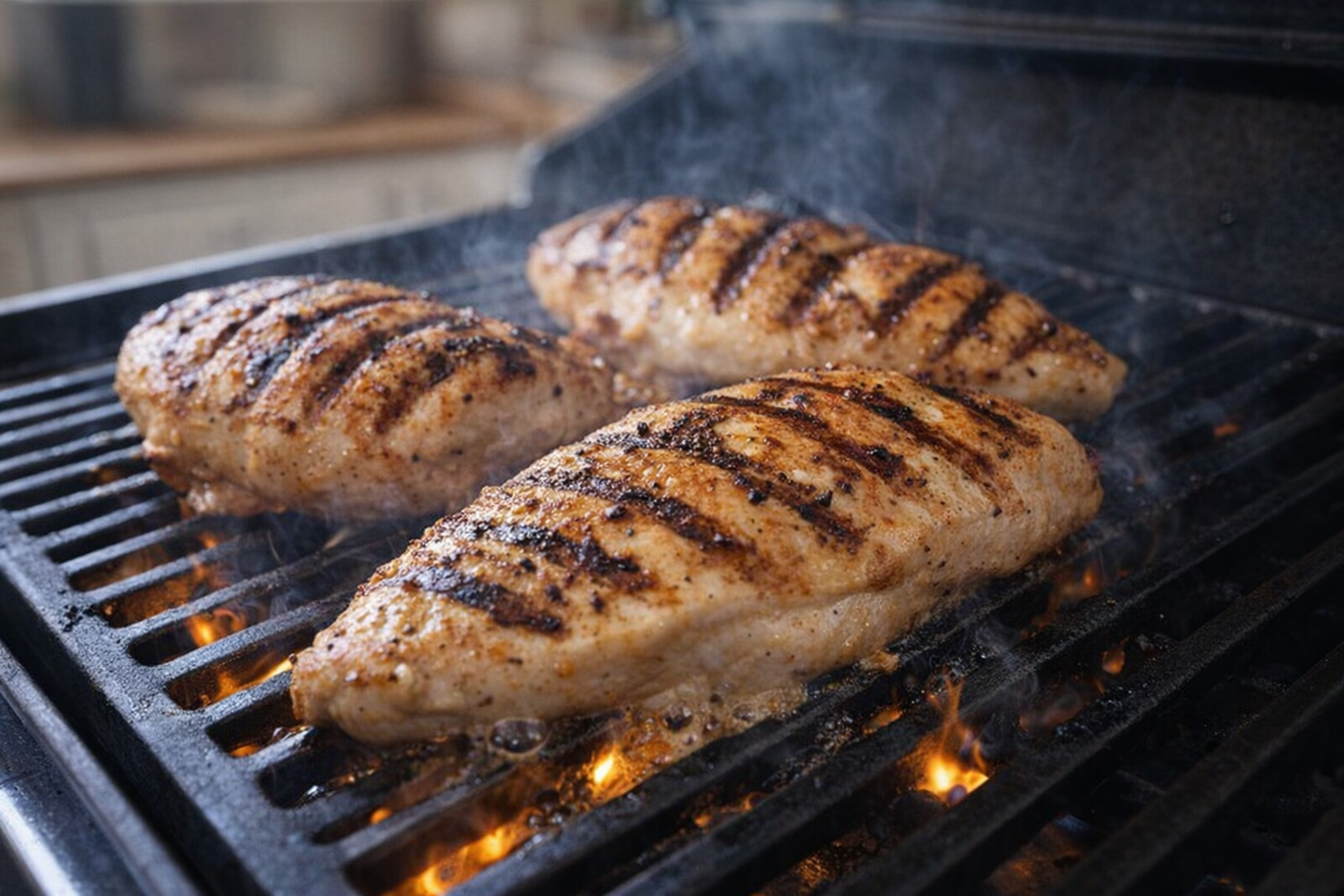
- Grill: Place the marinated chicken breasts on the grill grates. Close the lid and grill for 5-7 minutes per side, or until the internal temperature reaches 165°F (74°C). Listen for the sizzle as the chicken hits the hot grates and develops those beautiful grill marks.
- Rest: Remove the chicken from the grill and let it rest for 5 minutes before slicing. This allows the juices to redistribute, resulting in a more tender and flavorful final product.
Charcoal Grill Method
- Prepare Coals: Light your charcoal in a chimney starter. Once the coals are glowing red and covered with a layer of ash, pour them into one side of the grill. This creates a direct heat zone and an indirect heat zone.
- Sear (Optional): Place the marinated chicken breasts directly over the hot coals for 1-2 minutes per side to sear and create grill marks. The sound of the searing is a key indicator here.
- Indirect Cooking: Move the chicken to the indirect heat zone (the side without coals). Close the lid and grill for 8-12 minutes, or until the internal temperature reaches 165°F (74°C). The smoke from the charcoal will infuse the chicken with a rich, smoky flavor.
- Rest: Remove the chicken from the grill and let it rest for 5 minutes before slicing.
Cooking Time & Doneness Guide
- Boneless, Skinless Chicken Breasts: 5-7 minutes per side on medium-high heat.
- Bone-in, Skin-on Chicken Breasts: 8-12 minutes per side on medium heat.
- Chicken Thighs (Boneless or Bone-in): 6-8 minutes per side on medium-high heat.
Internal Temperature: The most reliable way to ensure chicken is cooked through is to use an instant-read thermometer. Insert the thermometer into the thickest part of the chicken, avoiding the bone. The internal temperature should reach 165°F (74°C).
Visual Cues
If you don't have a thermometer, look for these visual cues: The juices should run clear when you pierce the chicken with a fork, and the meat should be opaque throughout (no longer pink).
Tips for Perfection
- Don't Overcrowd the Grill: Grilling too many pieces of chicken at once can lower the temperature of the grill and result in uneven cooking. Work in batches if necessary.
- Resist the Urge to Flip Too Often: Let the chicken cook undisturbed for several minutes per side to develop beautiful grill marks and prevent sticking.
- Use a Marinade: Marinades not only add flavor but also help keep the chicken moist during grilling.
- Let it Rest: Resting the chicken after grilling allows the juices to redistribute, resulting in a more tender and flavorful final product.
Storage & Reheating
Store leftover grilled chicken in an airtight container in the refrigerator for up to 3-4 days.
Reheating: The best way to reheat grilled chicken without drying it out is to bake it in the oven at 350°F (175°C) for 10-15 minutes, or until heated through. You can also reheat it in a skillet with a little bit of broth or water to keep it moist. Avoid microwaving, as this can make the chicken tough and rubbery.
Serving Suggestions
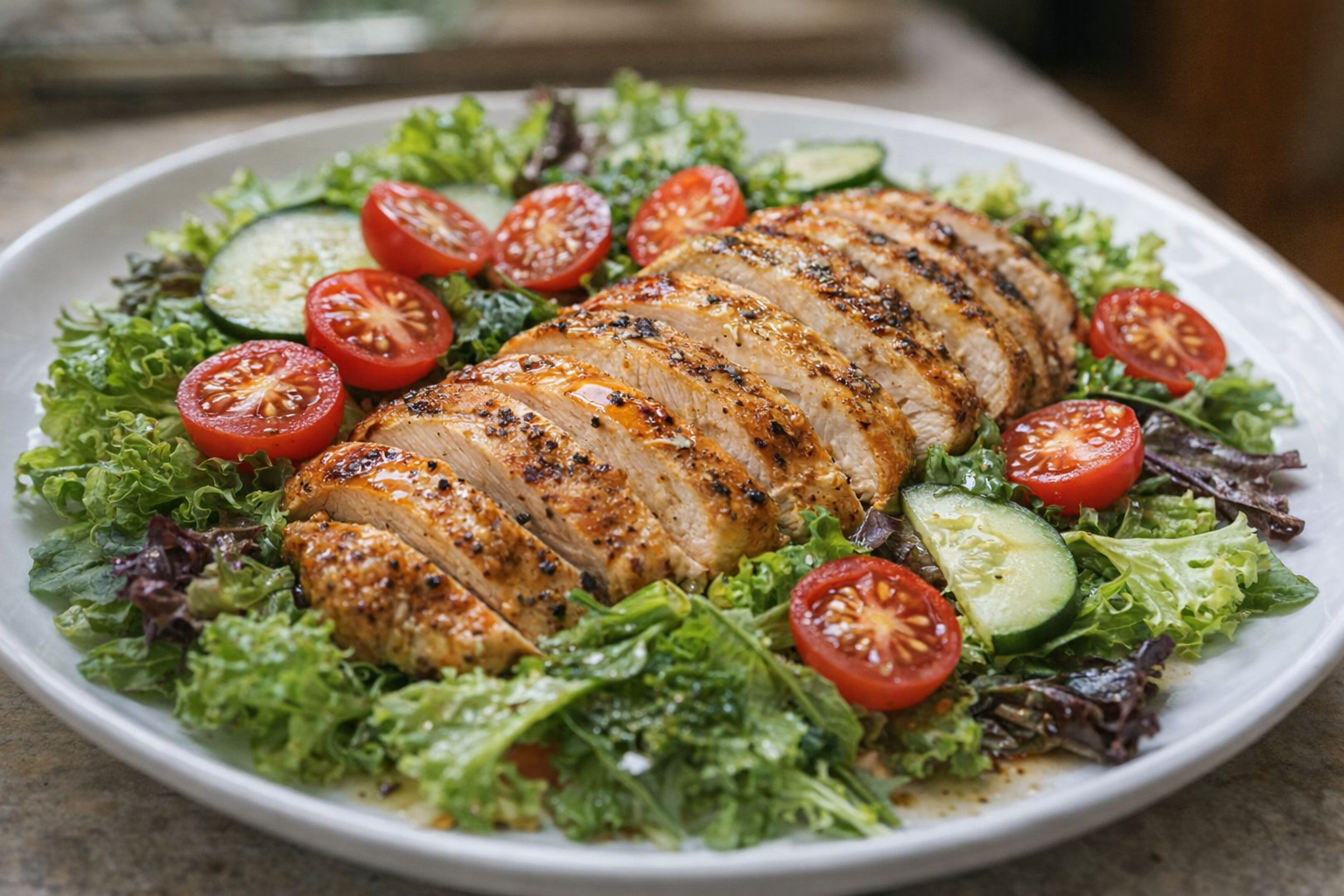
- Grilled Chicken Salad: Slice the grilled chicken and serve it over a bed of mixed greens with your favorite vegetables and dressing.
- Grilled Chicken Sandwich: Layer grilled chicken on a toasted bun with lettuce, tomato, and your favorite toppings.
- Grilled Chicken Tacos: Shred the grilled chicken and serve it in tortillas with your favorite taco toppings.
- Grilled Chicken with Roasted Vegetables: Pair the grilled chicken with a side of roasted vegetables, such as asparagus, bell peppers, and onions.
💡 Pro Tips
- Pound chicken breasts to a uniform thickness before grilling to ensure even cooking across the entire piece of meat.
- Clean and oil your grill grates thoroughly before preheating to prevent the chicken skin or flesh from sticking and tearing.
- Set up a two-zone fire with a hot side for searing and a cooler side for finishing to prevent the exterior from burning before the inside is done.
- Use an instant-read meat thermometer to pull the chicken off the heat once it reaches an internal temperature of 165°F.
- Let the chicken rest for at least five minutes after removing it from the grill to allow the juices to redistribute for maximum tenderness.
Frequently Asked Questions
Pounding the chicken to an even thickness is key to ensuring it cooks evenly and doesn't dry out. Also, consider marinating the chicken beforehand to add moisture and flavor, and avoid overcooking by using a meat thermometer.
The most reliable way is to use a meat thermometer. Insert it into the thickest part of the chicken, avoiding the bone, and ensure it reaches a safe internal temperature of 165°F (74°C).
Absolutely! Dry rubs are a great alternative to marinades for adding flavor quickly. Combine your favorite herbs, spices, and seasonings, and rub generously onto the chicken before grilling.
Grilled chicken can be safely stored in the refrigerator for 3-4 days. Ensure it's properly cooled before storing, and keep it in an airtight container to maintain its quality and prevent it from drying out.