 delishing
How to Grill Salmon: A Guide to Perfect, Flaky Fillets

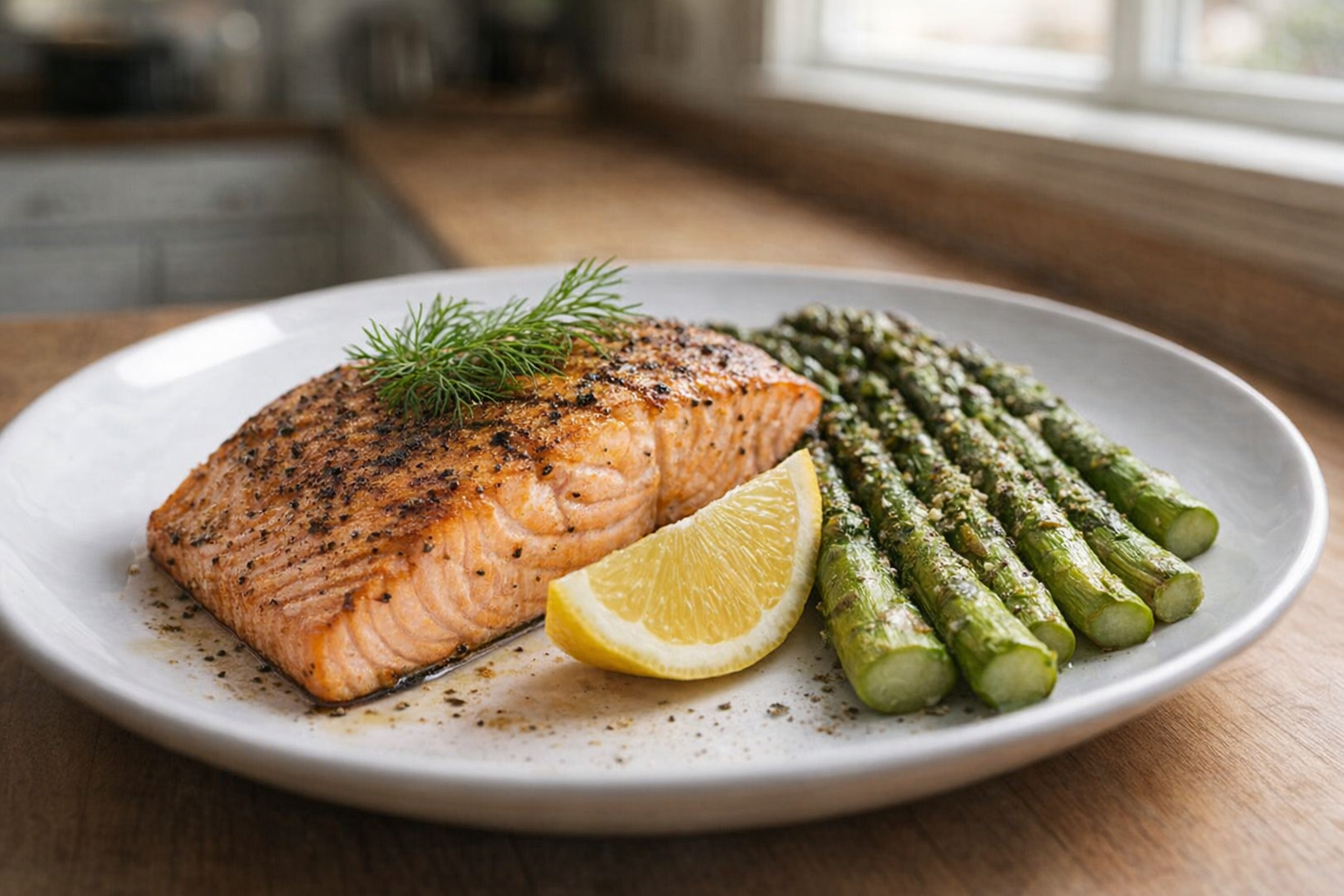
Grilled salmon is a cornerstone of summer cooking, offering a delightful balance of rich flavor and healthy fats. The kiss of the grill imparts a smoky char that complements the salmon's natural sweetness. Whether you're aiming for a simple weeknight meal or an elegant dinner party centerpiece, mastering grilled salmon is a culinary skill that will serve you well.
This guide will walk you through everything you need to know to grill salmon perfectly every time. We'll cover selecting the right cut, preparing the fish, mastering grilling techniques, and serving suggestions to elevate your salmon experience.
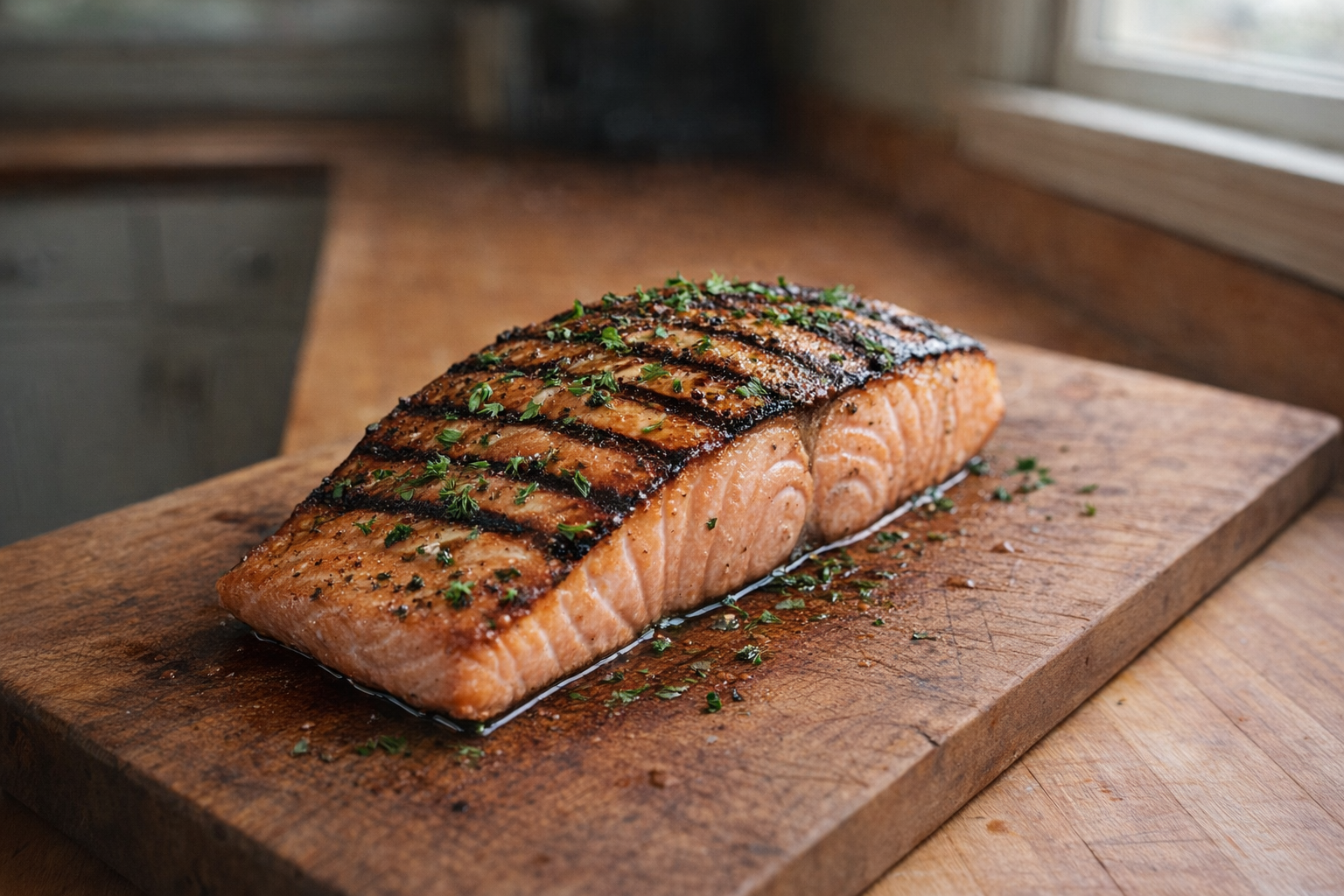
Understanding Salmon Cuts
Navigating the fish counter can be daunting. Here's a breakdown of common salmon types and cuts to help you make the best choice for grilling:
- King (Chinook) Salmon: The most prized, with a high fat content, rich flavor, and succulent texture. Excellent for grilling but can be more expensive.
- Sockeye Salmon: Deep red color, robust flavor, and a slightly firmer texture. Holds up well on the grill.
- Coho Salmon: Milder flavor than King or Sockeye, with a delicate texture. A good option for those who prefer a less "fishy" taste.
- Atlantic Salmon: Typically farm-raised, offering a consistent flavor and texture. A budget-friendly choice, but quality can vary.
- Salmon Fillet: A boneless cut from the side of the fish. Look for fillets with even thickness for consistent cooking.
- Salmon Steak: A cross-section cut of the fish, including the bone. Steaks can take longer to cook but offer a more rustic presentation.
What to Buy: For grilling, we recommend skin-on fillets that are at least 1 inch thick. The skin protects the flesh from direct heat and provides flavor. Choose salmon that smells fresh, not overly fishy.
Why Cook Salmon This Way?
- Versatility: Salmon readily takes on a variety of flavors, from simple lemon and herbs to bold marinades and spice rubs.
- Flavor: Grilling imparts a smoky char that enhances the salmon's natural richness, creating a complex and satisfying taste.
- Convenience: Grilling is a relatively quick cooking method, making it ideal for weeknight dinners.
Preparation (Mise en Place)
Proper preparation is key to grilling perfect salmon. Here's what you need to do:
- Thawing: If using frozen salmon, thaw it completely in the refrigerator overnight. Never thaw salmon at room temperature, as this can promote bacterial growth.
- Patting Dry: Use paper towels to thoroughly pat the salmon dry. This helps achieve a crispier skin and better grill marks.
- Removing Pin Bones: Run your fingers along the surface of the fillet to feel for any pin bones. Use tweezers or pliers to gently remove them.
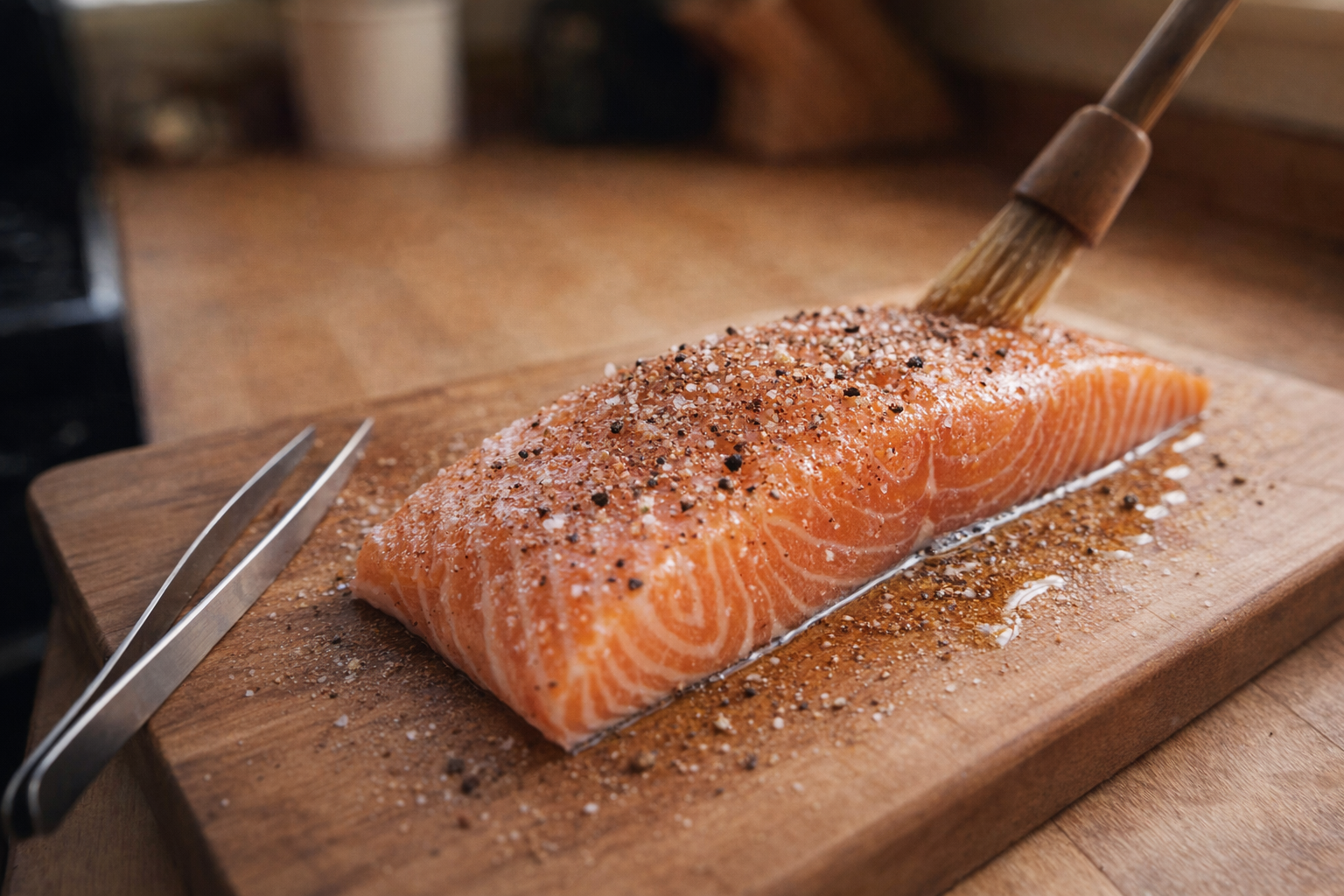
- Oiling: Lightly brush the salmon with olive oil or your favorite cooking oil. This prevents sticking and promotes even cooking.
Essential Tools
- Grill: Gas or charcoal grill, cleaned and oiled.
- Fish Spatula: A thin, flexible spatula designed for delicate fish.
- Tongs: For handling the salmon and moving it on the grill.
- Instant-Read Thermometer: To ensure the salmon is cooked to a safe internal temperature.
The Cooking Method(s)
We'll explore two methods for grilling salmon: direct heat and indirect heat. Direct heat is ideal for achieving crispy skin and grill marks, while indirect heat is best for cooking the salmon through without burning it.
Method 1: Direct Heat Grilling
This method is best for thinner fillets (under 1 inch) or when you want a quick sear.
Ingredients:
- Salmon fillets, skin-on (6 oz/170g each)
- Olive oil (1 tablespoon/15ml)
- Salt and pepper to taste
- Lemon wedges (for serving)
- Preheat: Preheat your grill to medium-high heat (375-450°F/190-230°C). Make sure the grates are clean and lightly oiled.
- Season: Pat the salmon fillets dry and season them with salt and pepper. Brush the flesh side with olive oil.
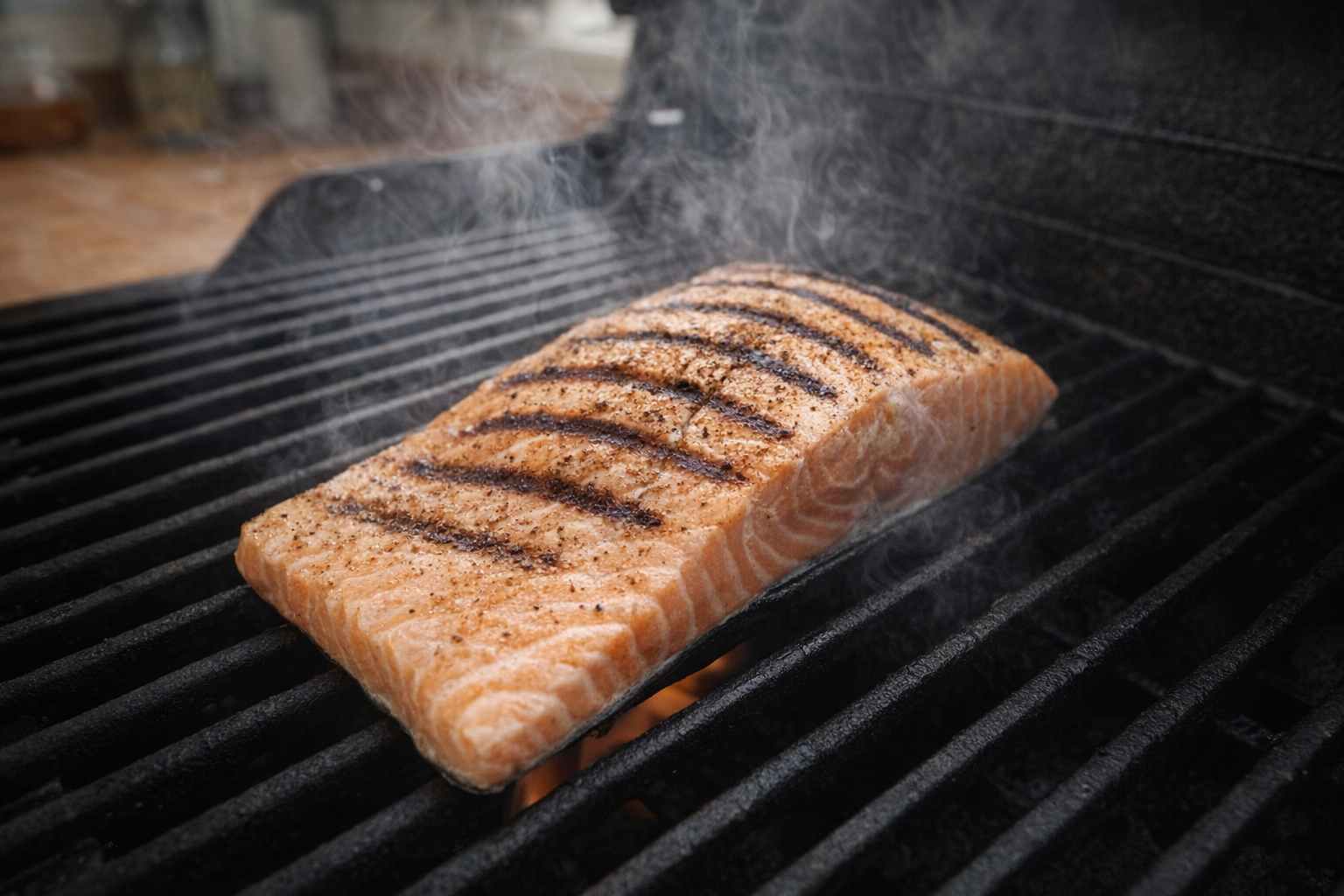
- Grill: Place the salmon skin-side down on the hot grill grates. Close the lid and cook for 4-6 minutes, or until the skin is crispy and releases easily from the grill. You should hear a sizzle as the skin hits the hot grates.
- Flip: Gently flip the salmon and cook for another 2-4 minutes, or until the internal temperature reaches 145°F (63°C). The salmon should flake easily with a fork.
- Rest: Remove the salmon from the grill and let it rest for a few minutes before serving. This allows the juices to redistribute, resulting in a more tender and flavorful fillet.
- Serve: Serve with lemon wedges and your favorite sides.
Method 2: Indirect Heat Grilling
This method is best for thicker fillets (1 inch or more) or when you want to avoid burning the skin.
Ingredients:
- Salmon fillets, skin-on (6 oz/170g each)
- Olive oil (1 tablespoon/15ml)
- Salt and pepper to taste
- Lemon wedges (for serving)
- Preheat: Preheat your grill to medium heat (300-350°F/150-175°C). Create a two-zone fire by piling the coals on one side of the grill or turning off one burner on a gas grill.
- Season: Pat the salmon fillets dry and season them with salt and pepper. Brush the flesh side with olive oil.
- Grill: Place the salmon skin-side down on the cooler side of the grill, away from the direct heat. Close the lid and cook for 8-12 minutes, or until the internal temperature reaches 145°F (63°C). You should notice the salmon gently steaming under the closed lid.
- Optional Sear: For a crispier skin, you can move the salmon to the direct heat side of the grill for the last minute or two of cooking. Watch it carefully to prevent burning.
- Rest: Remove the salmon from the grill and let it rest for a few minutes before serving.
- Serve: Serve with lemon wedges and your favorite sides.
Cooking Time & Doneness Guide
- Internal Temperature: The USDA recommends cooking salmon to an internal temperature of 145°F (63°C). Use an instant-read thermometer to check the temperature at the thickest part of the fillet.
Visual Cues
The salmon is done when it flakes easily with a fork and the flesh is opaque throughout. Avoid overcooking, as this will result in dry and less flavorful salmon.
Tips for Perfection
- Don't Overcrowd: Avoid overcrowding the grill, as this can lower the temperature and prevent proper searing. Cook the salmon in batches if necessary.
- Oil the Grates: Ensure the grill grates are clean and well-oiled to prevent sticking.
- Use a Fish Spatula: A thin, flexible fish spatula is essential for flipping the salmon without tearing it.
- Rest the Salmon: Letting the salmon rest for a few minutes after grilling allows the juices to redistribute, resulting in a more tender and flavorful fillet.
Storage & Reheating
- Storage: Store leftover grilled salmon in an airtight container in the refrigerator for up to 3 days.
- Reheating: Reheat salmon gently to avoid drying it out. The best methods are:
- Oven: Preheat your oven to 275°F (135°C). Place the salmon on a baking sheet and bake for 10-15 minutes, or until heated through.
- Microwave: Place the salmon on a microwave-safe plate and cover it with a damp paper towel. Microwave on medium power in 30-second intervals, until heated through.
Serving Suggestions
- Grilled Salmon Salad: Flake grilled salmon over a bed of mixed greens with your favorite vegetables and dressing.
- Salmon Tacos: Fill tortillas with grilled salmon, shredded cabbage, pico de gallo, and a creamy sauce.
- Salmon with Roasted Vegetables: Serve grilled salmon with a side of roasted vegetables like asparagus, broccoli, or Brussels sprouts.
- Lemon Herb Salmon Pasta: Toss grilled salmon with cooked pasta, lemon juice, herbs, and a drizzle of olive oil.
💡 Pro Tips
- Always pat the salmon dry before seasoning and grilling to help achieve crispy skin.
- Use an instant-read thermometer to ensure the salmon reaches an internal temperature of 145°F (63°C).
- If using direct heat, watch the salmon carefully to prevent burning, especially if your grill runs hot.
- Let the salmon rest for a few minutes after grilling to allow the juices to redistribute.
- For added flavor, try grilling a lemon half alongside the salmon and squeezing the juice over the cooked fillet.
Frequently Asked Questions
Yes, you can use frozen salmon. Thaw them completely in the refrigerator overnight. Ensure they are patted dry thoroughly before grilling to achieve a crispier skin.
The key is to ensure the grill grates are clean and well-oiled before placing the salmon. You can use a high-smoke-point oil like avocado or grapeseed oil. Also, oiling the salmon itself helps prevent sticking.
Absolutely! Salmon is very versatile. Feel free to experiment with different seasonings like garlic powder, paprika, or herbs like dill and thyme. Marinades can also add a lot of flavor; just be mindful of the sugar content to avoid burning on the grill.
Store leftover grilled salmon in an airtight container in the refrigerator for up to 3 days. To reheat, gently warm it in a skillet or oven to avoid drying it out. You can also enjoy it cold in salads or sandwiches.