 delishing
How to Make Authentic Marinara Sauce on the Stove

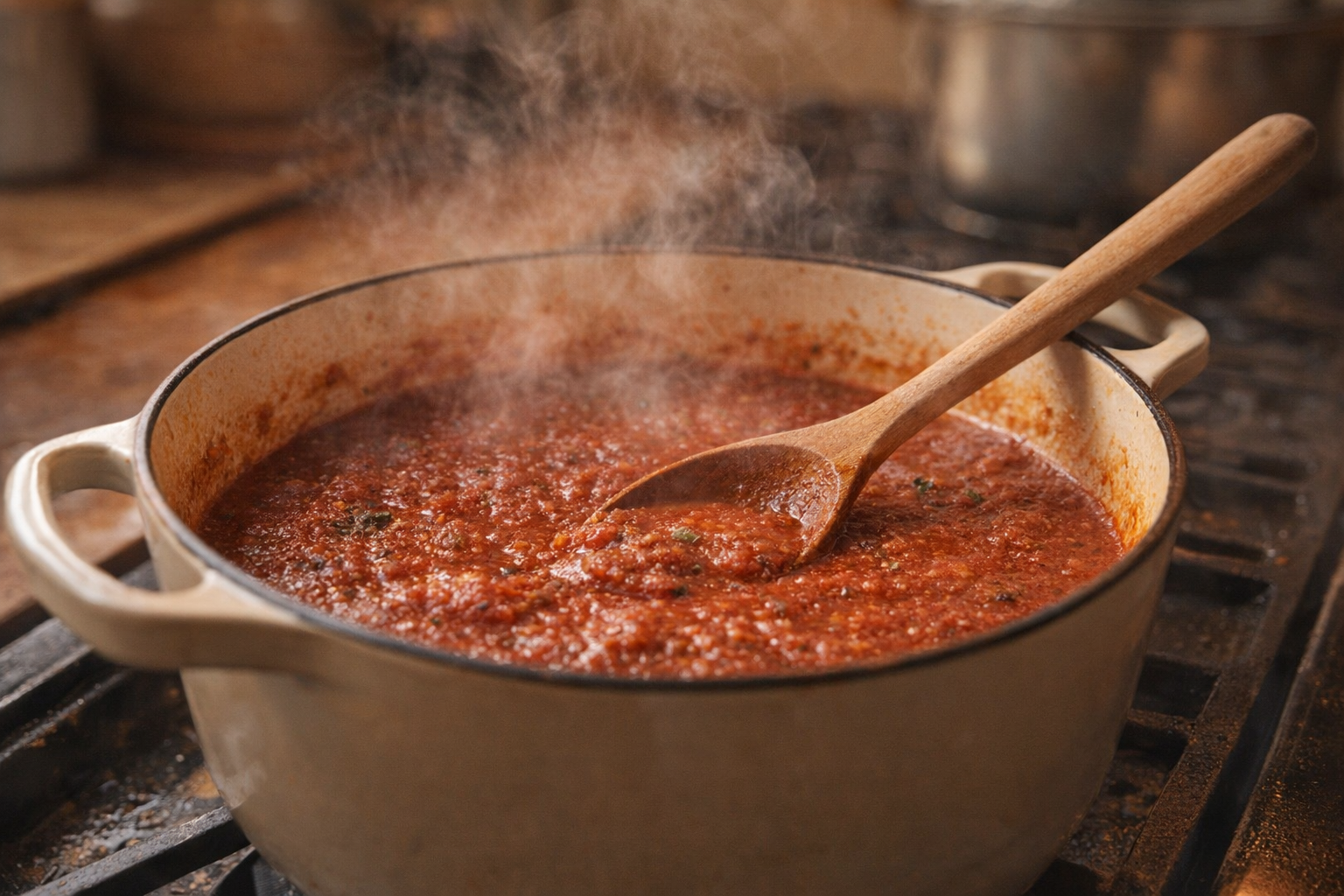
Marinara sauce, in its purest form, is a celebration of fresh, vibrant flavors. It's a sauce that relies on the quality of its ingredients and the careful coaxing of their natural sweetness. When made properly, it boasts a bright, tangy profile with subtle herbal notes, making it the perfect blank canvas for pasta dishes, pizzas, and more. This method works because it prioritizes gentle simmering, allowing the flavors to meld and deepen without becoming overly acidic or bitter.
The secret to a great marinara is not just the ingredients, but the patience to let them transform. We're not just throwing things in a pot; we're building a flavor symphony, layer by layer. This approach ensures a sauce that's both complex and comforting, far surpassing anything you can find in a jar. Trust the process, and you'll be rewarded with a sauce that elevates any meal.
Understanding Tomatoes
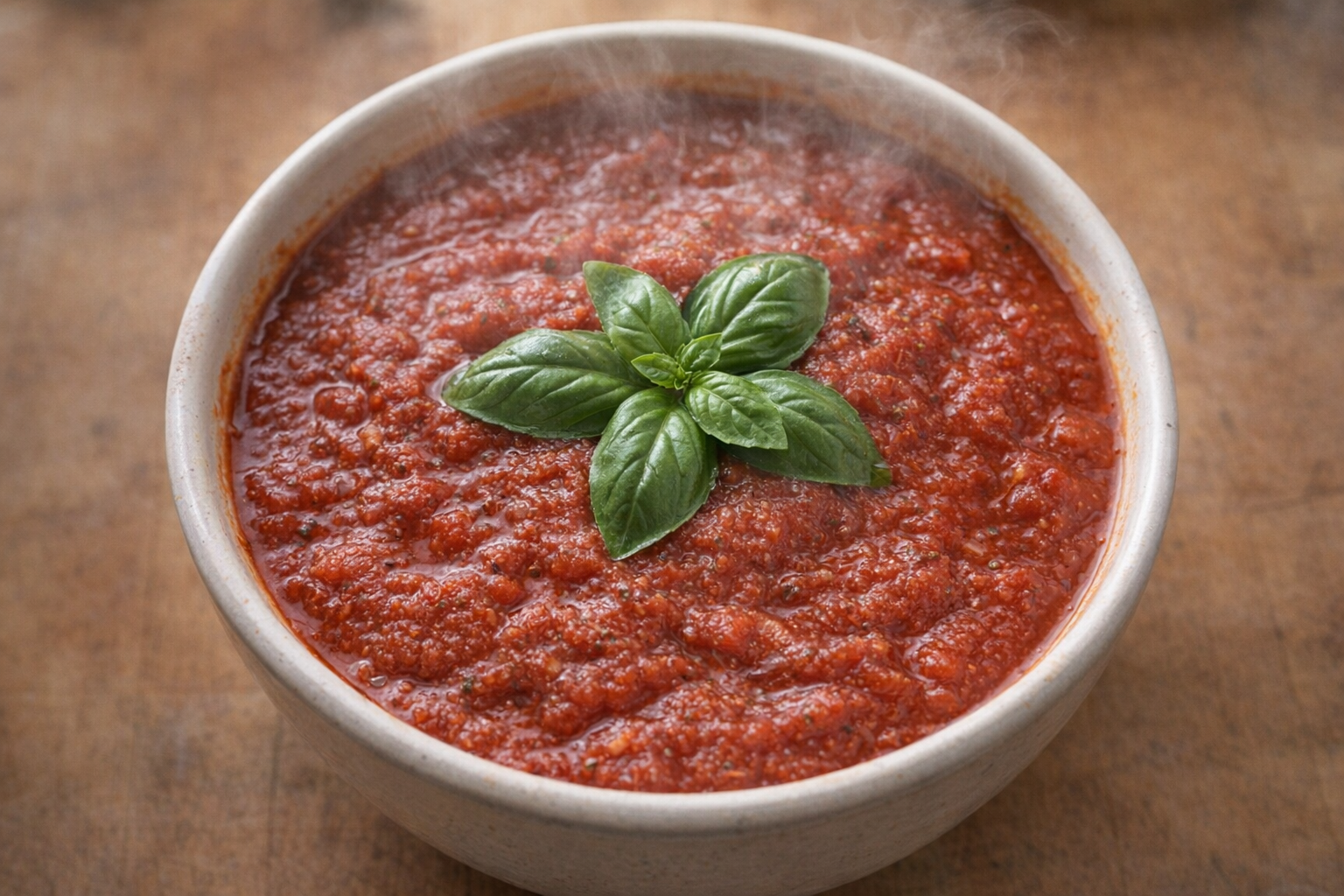
The heart of marinara sauce is, undeniably, the tomato. But not all tomatoes are created equal. For the best results, opt for high-quality, ripe tomatoes. San Marzano tomatoes are often considered the gold standard due to their sweetness, low acidity, and meaty texture. However, Roma tomatoes or even good-quality canned crushed tomatoes can also be used effectively. When using canned tomatoes, look for those labeled "San Marzano" or "Italian," and be sure they are packed in juice, not puree. Avoid tomatoes with added salt or preservatives. If using fresh tomatoes, peel and seed them before chopping to ensure a smooth, consistent sauce. Taste the tomatoes before using, as their natural sweetness will dictate how much (if any) sugar you need to add to the sauce.
Why Cook Marinara This Way?
- Versatility: Marinara is a base for countless dishes, from classic spaghetti to hearty lasagna. Mastering it opens up a world of culinary possibilities.
- Flavor: Freshly made marinara has a depth of flavor that store-bought versions simply can't match. The slow simmering process allows the ingredients to meld and create a complex, nuanced taste.
- Convenience: While it requires some simmering time, marinara is surprisingly easy to make. The hands-on time is minimal, making it a great option for busy weeknights.
Preparation (Mise en Place)
Before you even turn on the heat, having all your ingredients prepped and ready to go is crucial. This is called "mise en place," and it sets you up for success.
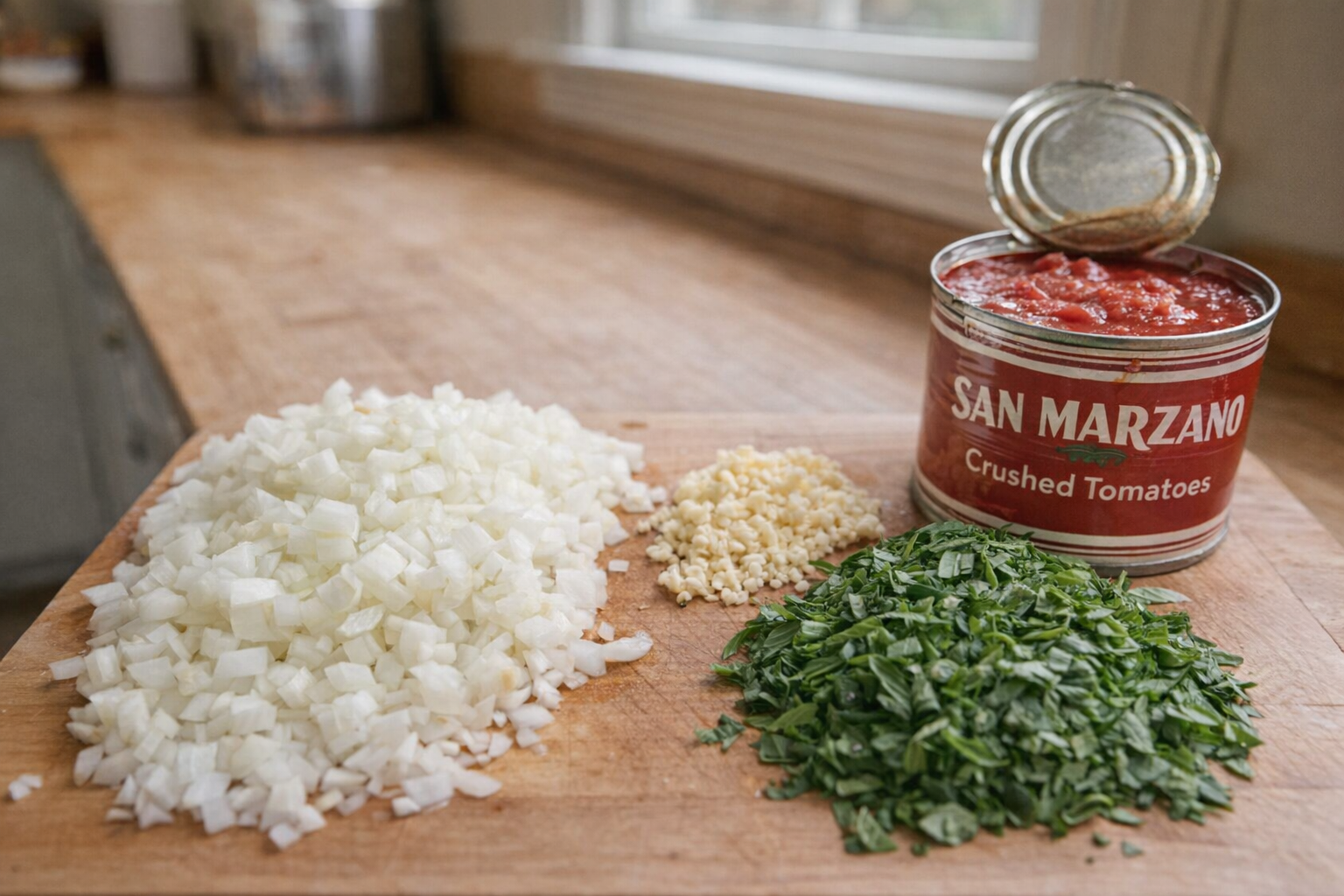
- If using fresh tomatoes, wash, core, and roughly chop them. For canned tomatoes, simply open the can and have them ready.
- Peel and finely mince the garlic. Aim for a fine mince to avoid large, overpowering pieces in the sauce.
- Dice the onion finely. This will ensure it melts seamlessly into the sauce during simmering.
- Chop fresh basil leaves. Reserve some for garnish.
Essential Tools
- Heavy-Bottomed Pot or Dutch Oven: We use a heavy-bottomed pot or Dutch oven to ensure even heat distribution and prevent scorching.
- Wooden Spoon: A wooden spoon is ideal for stirring the sauce as it won't react with the acidity of the tomatoes.
- Ladle: For serving.
- Measuring cups and spoons: For accurate measurements.
The Cooking Method
Method 1: Classic Stovetop Marinara
Ingredients:
- 2 tablespoons extra virgin olive oil (30 ml)
- 4 cloves garlic, minced
- 1 small yellow onion, finely diced
- 28 ounces crushed San Marzano tomatoes (794g)
- 1 teaspoon dried oregano (2g)
- 1/2 teaspoon red pepper flakes (optional) (1g)
- 1/4 cup fresh basil, chopped (6g)
- 1 teaspoon granulated sugar (5g)
- Salt and freshly ground black pepper, to taste
- Sauté Aromatics: In the heavy-bottomed pot or Dutch oven, heat the olive oil over medium heat. Add the minced garlic and diced onion. Sauté until the onion is translucent and the garlic is fragrant, about 3-5 minutes. Listen for the gentle sizzle and inhale the developing aroma.
- Add Tomatoes and Seasonings: Pour in the crushed tomatoes, dried oregano, red pepper flakes (if using), sugar, salt, and pepper. Stir well to combine. The mixture will start to bubble gently.
- Simmer: Bring the sauce to a gentle simmer, then reduce the heat to low. Cover the pot and simmer for at least 1 hour, or up to 3 hours, stirring occasionally. The longer it simmers, the richer the flavor will become. As it simmers, you'll notice the sauce thicken and deepen in color.
- Finish: Stir in the fresh basil during the last 15 minutes of simmering. Taste and adjust the seasonings as needed. The aroma of fresh basil will fill your kitchen.
Cooking Time & Doneness Guide
- Cooking Time: 1-3 hours of simmering.
- Internal Temperature: Not applicable. We're looking for visual cues and consistency.
Visual Cues
The sauce is done when it has thickened significantly and the oil has separated slightly from the tomatoes. The flavors should be well-melded, and the sauce should be rich and aromatic. Taste the sauce – it should be balanced and flavorful, not overly acidic.
Tips for Perfection
- Don't skip the sugar: A pinch of sugar balances the acidity of the tomatoes, especially if they are not naturally sweet.
- Simmer low and slow: Rushing the simmering process will result in a thin, acidic sauce. Patience is key!
- Taste and adjust: Seasoning is crucial. Taste the sauce frequently during simmering and adjust the salt, pepper, and sugar as needed.
- Use high-quality ingredients: The better the tomatoes, the better the sauce.
Storage & Reheating
- Storage: Allow the marinara sauce to cool completely before transferring it to an airtight container. Store in the refrigerator for up to 5 days.
- Reheating: Reheat the sauce gently over medium-low heat on the stovetop, stirring occasionally. You can also reheat it in the microwave in 30-second intervals, stirring in between. If the sauce has thickened too much, add a splash of water or broth while reheating.
Serving Suggestions
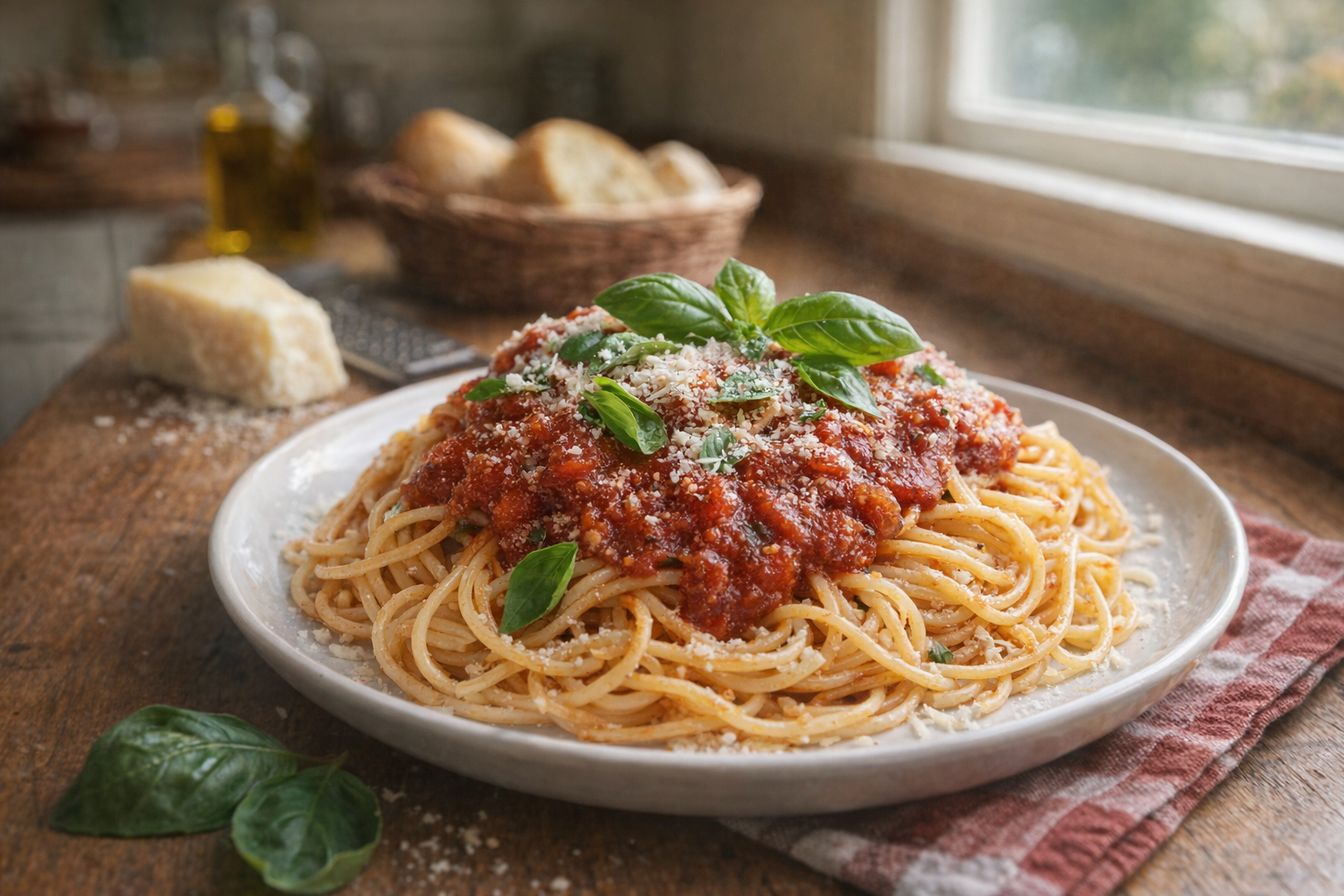
- Classic Spaghetti: Serve over your favorite pasta with a sprinkle of Parmesan cheese and fresh basil.
- Pizza Sauce: Use as a base for homemade pizza.
- Dipping Sauce: Serve with mozzarella sticks, garlic bread, or fried zucchini.
- Lasagna: Layer in a classic lasagna.
💡 Pro Tips
- Use high-quality San Marzano canned tomatoes to ensure a naturally sweet base that reduces the need for added sugar.
- Begin sautéing your garlic in cold olive oil and gradually increase the heat to infuse the oil with flavor without scorching the cloves.
- Keep the heat on a low, gentle simmer to prevent the sauce from becoming overly acidic or bitter as it reduces.
- Add fresh herbs like basil during the final few minutes of cooking to maintain their vibrant color and delicate herbal notes.
- If the sauce tastes too sharp after simmering, stir in a small knob of butter or a splash of olive oil to round out the flavors.
Frequently Asked Questions
Roma tomatoes are a good substitute for San Marzano, offering a similar balance of sweetness and acidity. High-quality canned crushed tomatoes, especially those labeled "Italian," are also a reliable option and can save time on preparation.
Gentle simmering is key to preventing acidity, as high heat can concentrate the sourness of the tomatoes. You can also add a pinch of sugar to balance the acidity, tasting as you go, or a small amount of butter or olive oil to create a smoother, richer flavor that mellows out the tartness.
Properly stored, leftover marinara sauce will last for 3-4 days in the refrigerator in an airtight container. For longer storage, you can freeze the sauce for up to 2-3 months; be sure to cool it completely before freezing.
Absolutely! Adding other vegetables can enhance the flavor and nutritional value of your marinara. Sauté finely diced bell peppers or carrots along with the onion and garlic for a deeper, more complex flavor profile; just be sure to adjust the simmering time as needed to ensure the vegetables are tender.
/thumbs/ground-beef-taco-plate-c3k2x.png)