 delishing
How to Make Hibiscus Tea on the Stove: A Comprehensive Guide

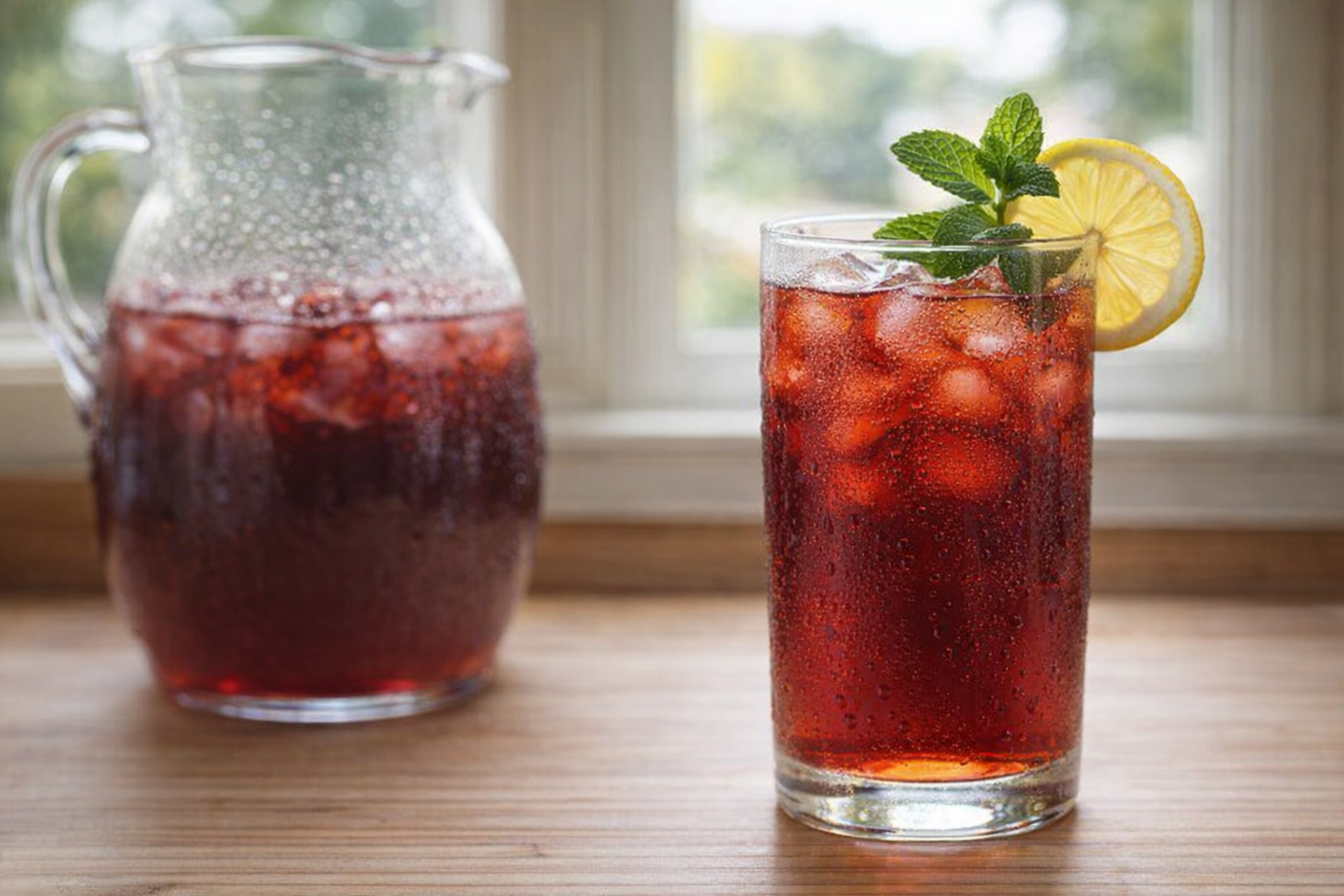
Hibiscus tea, also known as agua de Jamaica or bissap, offers a vibrant, tart, and refreshing flavor profile. Its ruby-red color is as inviting as its taste, making it a delightful beverage for any time of year. The natural tartness is balanced by a subtle sweetness, making it exceptionally versatile; enjoy it hot on a chilly evening or iced on a warm day. Mastering this tea involves understanding the nuances of steeping and how to balance the natural acidity.
Brewing hibiscus tea on the stovetop is a reliable method to extract the full flavor and benefits from the dried flowers. The controlled heat allows for optimal infusion, resulting in a richer, more robust tea compared to other methods like sun tea. It's a simple yet effective way to create a truly satisfying and healthful drink.
Understanding Hibiscus
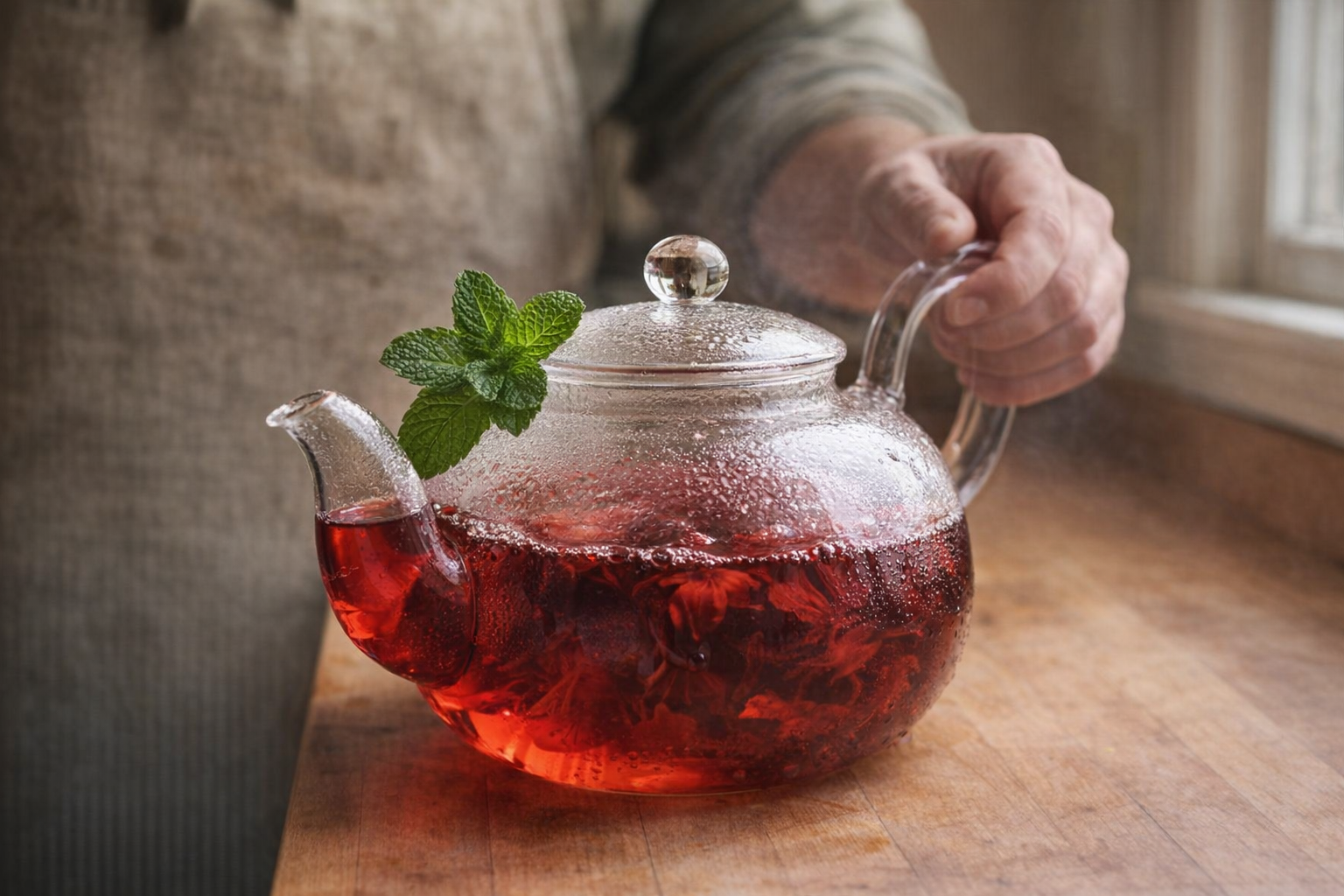
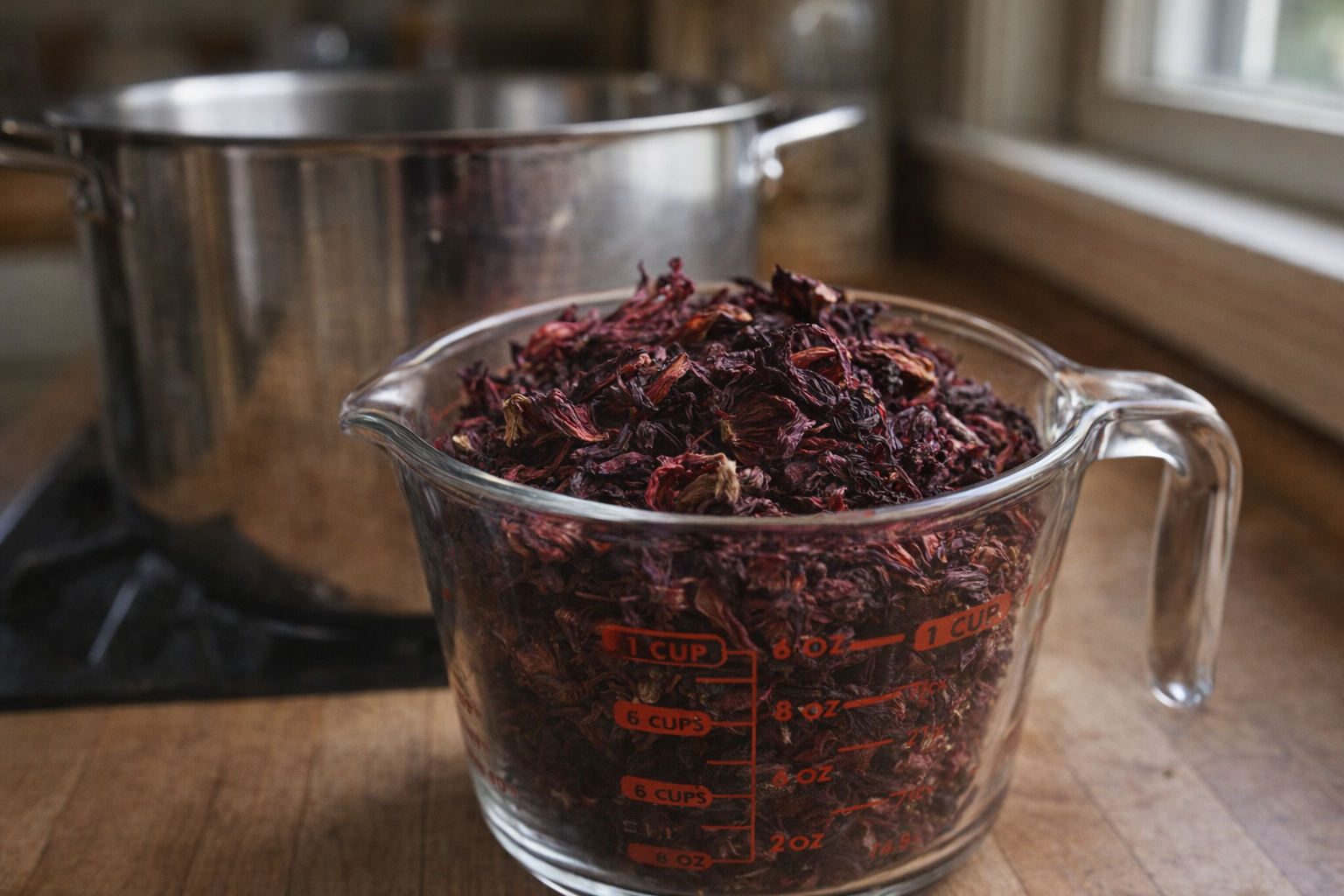
Hibiscus, belonging to the mallow family, is a flowering plant with hundreds of species growing in diverse climates. The species most commonly used for tea is Hibiscus sabdariffa. When buying hibiscus for tea, look for dried hibiscus flowers, also sometimes labeled as hibiscus petals or calyxes. These can be found in specialty tea shops, health food stores, or online. Opt for flowers that are a deep, vibrant red color, avoiding any that look faded or brittle. The quality of the dried flowers greatly impacts the final flavor of the tea. Whole flowers are preferable to powdered form, as they retain more of their essential oils and flavor compounds.
Why Cook Hibiscus Tea This Way?
- Versatility: Hibiscus tea adapts beautifully to different preparations – hot, iced, sparkling, or as a base for cocktails.
- Flavor: Stovetop brewing ensures maximum flavor extraction, delivering a rich and complex taste.
- Convenience: This method requires minimal equipment and is quick enough for daily enjoyment.
Preparation (Mise en Place)
Before starting, gather your ingredients and equipment. Ensure your dried hibiscus flowers are free of any debris. If using whole flowers, you may gently crush them to increase the surface area for better infusion.
Essential Tools
- Medium-Sized Stainless Steel Pot: Stainless steel won't react with the acidity of the hibiscus, preserving the tea's true flavor. Avoid aluminum, which can impart a metallic taste.
- Fine-Mesh Strainer: A fine-mesh strainer is crucial for removing the small pieces of hibiscus flower, ensuring a smooth tea.
- Measuring Cups and Spoons: Accurate measurements are key for a consistent flavor.
- Wooden Spoon or Silicone Spatula: For gentle stirring.
The Cooking Method
H2 Classic Stovetop Hibiscus Tea
This method focuses on simplicity and maximizing flavor extraction through proper steeping.
Ingredients:
- 4 cups (950ml) Fresh Water
- 1/4 - 1/2 cup (30-60ml) Dried Hibiscus Flowers (adjust to taste)
- Sweetener to taste (honey, agave, sugar)
- Optional: Lemon slices, mint sprigs, cinnamon stick
- Boil the Water: In the stainless steel pot, bring 4 cups of fresh water to a rolling boil over medium-high heat. Listen for the water to bubble vigorously.
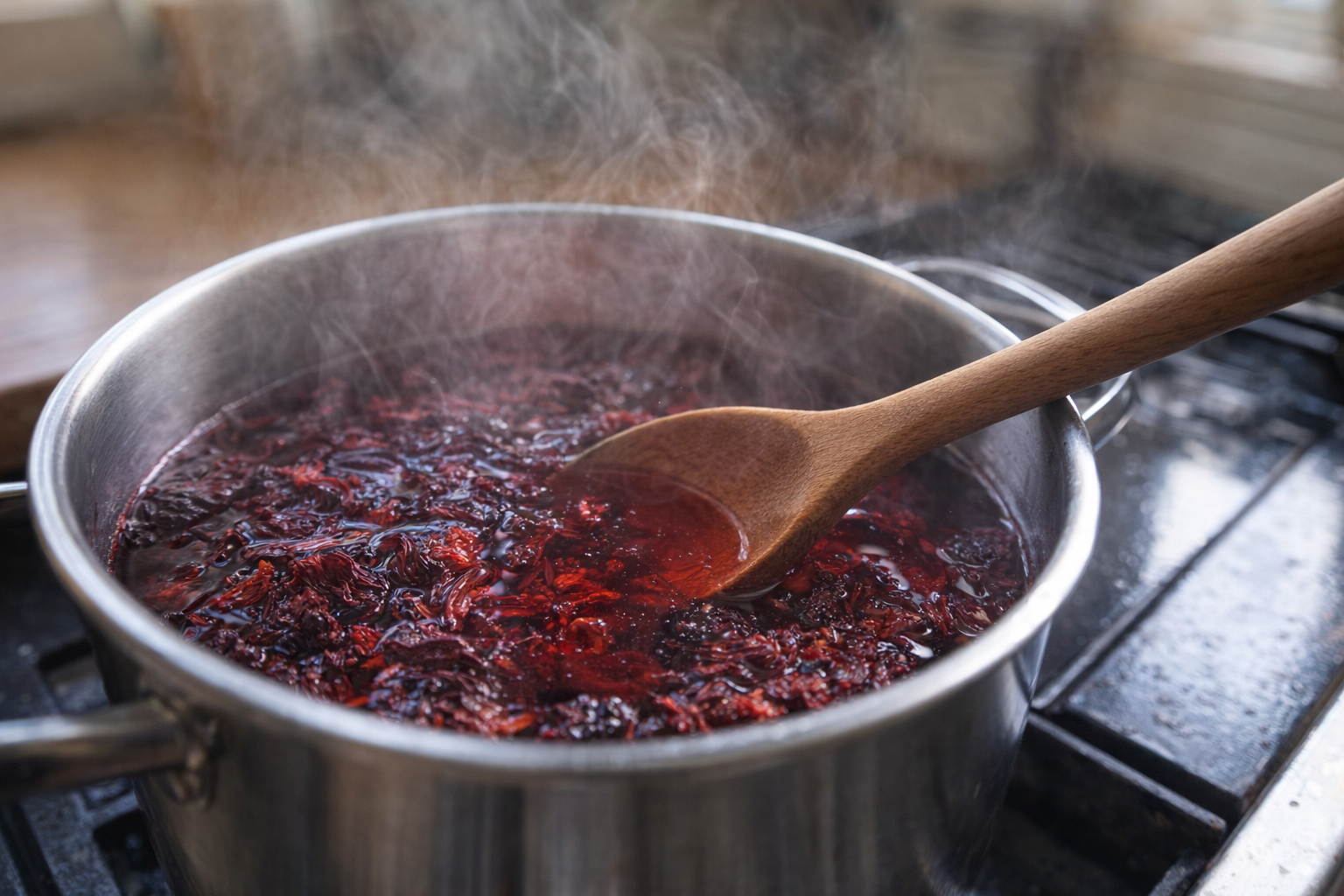
- Infuse the Hibiscus: Remove the pot from the heat. Immediately add the dried hibiscus flowers to the hot water. A vibrant floral aroma should rise from the pot.
- Steep: Cover the pot tightly with a lid to trap the steam and essential oils. Let the tea steep for 10-15 minutes, depending on your desired strength. As it steeps, the water will transform into a deep ruby-red hue.
- Strain: Place a fine-mesh strainer over a pitcher or teapot. Carefully pour the brewed tea through the strainer to remove the hibiscus flowers.
- Sweeten (Optional): While the tea is still warm, add your preferred sweetener to taste. Stir until completely dissolved. Taste and adjust sweetness as needed.
- Serve: Serve hot immediately, or let cool to room temperature before refrigerating for iced tea.
Cooking Time & Doneness Guide
- Steeping Time: 10-15 minutes for optimal flavor extraction. Steeping longer can result in a more intense, tart flavor.
- Internal Temperature: Not applicable, as this is a brewed beverage.
Visual Cues
The tea should be a deep, vibrant ruby-red color. A pale color indicates under-steeping, while a muddy color may indicate over-steeping or low-quality hibiscus.
Tips for Perfection
- Water Quality: Use filtered water for the best flavor. Tap water can contain chlorine and other impurities that affect the taste of the tea.
- Avoid Over-Steeping: Over-steeping can lead to a bitter taste. Start with 10 minutes and adjust to your preference.
- Taste as You Go: Adjust the amount of hibiscus flowers and sweetener to your liking. Hibiscus tea is highly customizable.
- Don't Skimp on Quality: The quality of the dried hibiscus flowers directly impacts the flavor of the tea.
Storage & Reheating
- Storage: Store leftover hibiscus tea in an airtight container in the refrigerator for up to 5 days.
- Reheating: Gently reheat the tea on the stovetop over low heat or in the microwave in 30-second intervals until warmed through. Avoid boiling, which can alter the flavor.
Serving Suggestions
- Iced Hibiscus Tea: Serve chilled over ice with a slice of lemon or lime.
- Hibiscus Spritzer: Mix hibiscus tea with sparkling water or club soda for a refreshing, fizzy drink.
- Hibiscus Lemonade: Combine hibiscus tea with fresh lemonade for a tart and sweet treat.
- Hibiscus Cocktail: Use hibiscus tea as a base for cocktails, pairing it with rum, tequila, or vodka.
💡 Pro Tips
- Rinse the dried hibiscus flowers briefly under cold water before brewing to remove any dust or debris trapped in the petals.
- Use a stainless steel or glass pot for boiling to prevent the tea's natural acidity from reacting with metals like aluminum.
- Simmer the flowers for no more than ten minutes before removing the pot from heat to allow the tea to steep without becoming overly bitter.
- Add your preferred sweetener while the tea is still hot so that it dissolves quickly and evenly throughout the liquid.
- Enhance the flavor profile by adding a cinnamon stick or fresh ginger slices to the water during the boiling process.
Frequently Asked Questions
While dried hibiscus flowers are recommended for the best flavor, you can use tea bags. Use 2-3 tea bags per 4 servings and adjust steeping time as needed, tasting occasionally to avoid over-extraction.
Store leftover hibiscus tea in an airtight container in the refrigerator for up to 3-4 days. The tea's flavor might intensify over time, so you may want to add a little water to dilute it before serving.
If your hibiscus tea is too tart, you can add a natural sweetener like honey, agave nectar, or maple syrup to balance the acidity. You can also add a slice of citrus fruit like orange or lime to complement the flavor.
While stainless steel is recommended, you can use an enamel-coated pot as a good alternative. Avoid using aluminum pots as they can react with the acidity of the hibiscus and impart a metallic taste to the tea.