 delishing
How to Master Butternut Squash: 6 Foolproof Cooking Methods

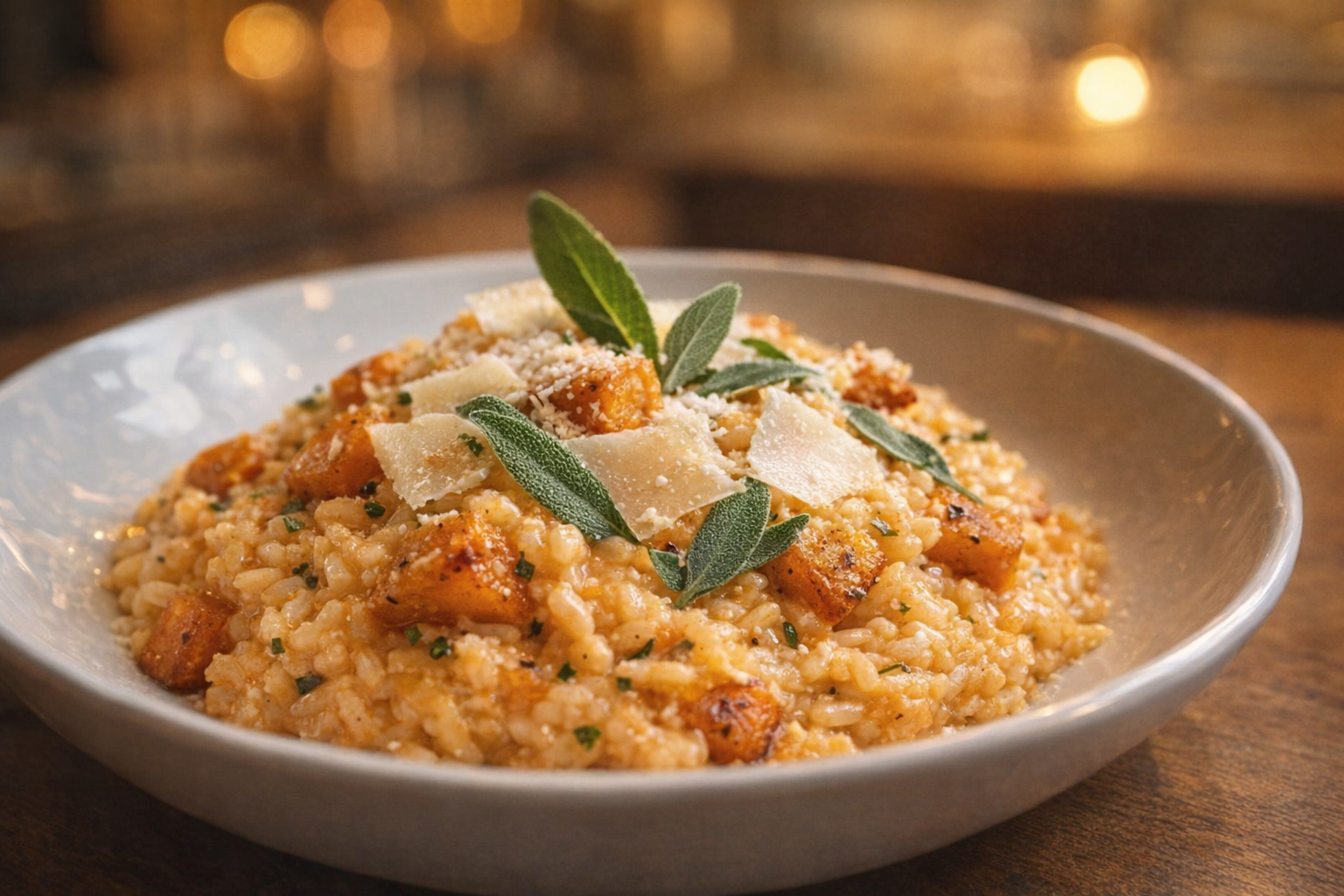
Butternut squash, with its subtly sweet and nutty flavor, is a quintessential ingredient for autumn and winter cooking. Its versatility shines through in both sweet and savory applications, lending itself perfectly to soups, sides, and even desserts. The key to unlocking its full potential lies in understanding the best cooking method for your desired outcome.
Whether you're aiming for a creamy puree, perfectly caramelized cubes, or a smoky char, this guide will walk you through six distinct techniques for cooking butternut squash. We'll explore the nuances of each method, providing expert tips to ensure consistently delicious results every time.
Understanding Butternut Squash
Butternut squash belongs to the Cucurbitaceae family, alongside pumpkins and other winter squashes. Its characteristic long neck and bulbous end encase a dense, orange flesh that becomes wonderfully tender when cooked. When selecting a butternut squash, look for one that feels heavy for its size with a hard, smooth rind. Avoid any squash with soft spots, bruises, or cuts.
You might find pre-cut butternut squash at your local grocery store. While convenient, whole squash offers better flavor and keeps longer. Opt for organic squash whenever possible to minimize pesticide exposure.
Why Cook Butternut Squash This Way?
- Versatility: Butternut squash is a culinary chameleon, adapting to various flavors and cooking styles.
- Flavor: Cooking enhances the squash's natural sweetness, bringing out its nutty undertones.
- Convenience: With these six methods, you can cook butternut squash regardless of your equipment or time constraints.
Preparation (Mise en Place)
Before you begin cooking, proper preparation is key. Start by washing the squash thoroughly under cool water. A firm grip and a sharp chef's knife are essential for safe and efficient cutting. A Y-peeler makes quick work of the tough skin. The most challenging part is often removing the seeds. A sturdy metal spoon or ice cream scoop works well to scrape them out. Consider saving the seeds for roasting!
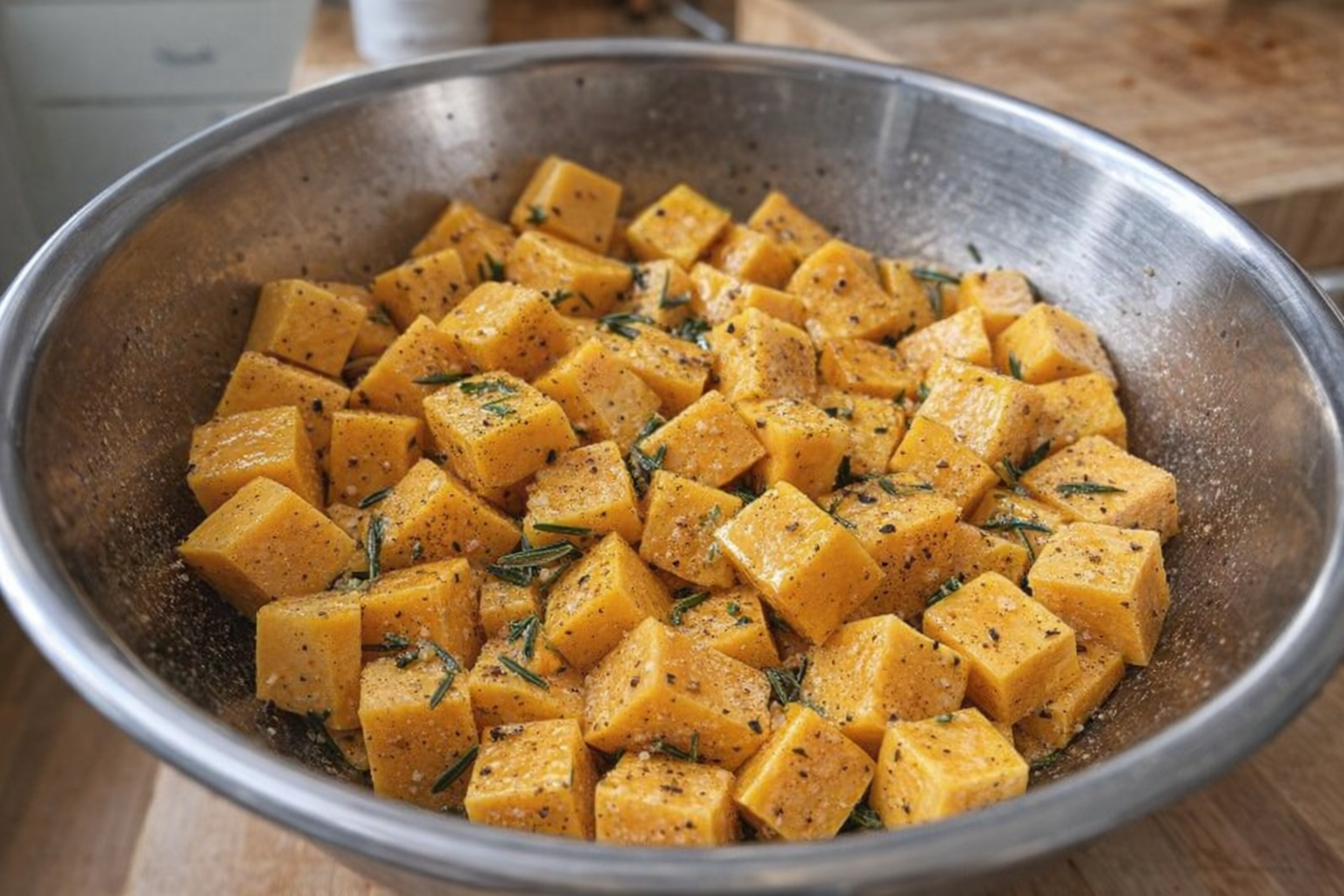
For most methods, you'll want to cube the squash into roughly 1-inch pieces to ensure even cooking.
Essential Tools:
- Chef's Knife: A sharp, 8-10 inch chef's knife for safe and precise cutting.
- Vegetable Peeler: A Y-peeler for efficiently removing the tough outer skin.
- Baking Sheet: A heavy-duty baking sheet for roasting, ensuring even heat distribution.
- Steamer Basket: A stainless steel steamer basket for steaming, fitting comfortably inside a pot.
- Air Fryer: An air fryer for achieving crispy, golden-brown results with minimal oil.
The Cooking Methods
Now, let's explore the six distinct methods for cooking butternut squash.
Roasting Butternut Squash
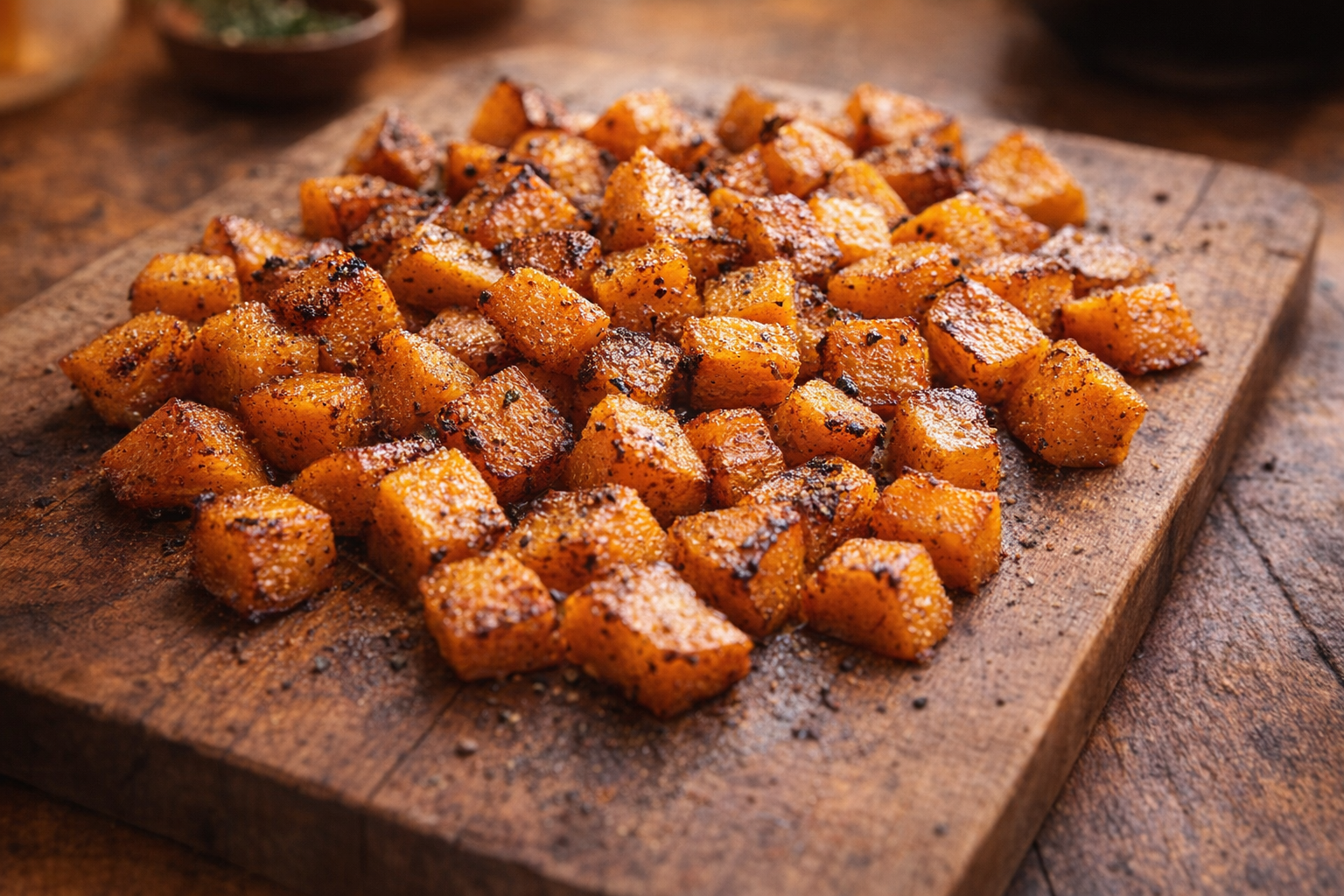
Roasting brings out the squash's natural sweetness and creates a delightful caramelized exterior. We use a high temperature to achieve optimal browning without drying out the flesh.
Ingredients:
- 1 medium Butternut Squash (about 2 lbs)
- 2 tablespoons Olive Oil
- 1/2 teaspoon Salt
- 1/4 teaspoon Black Pepper
- Optional: 1 tablespoon chopped fresh herbs (rosemary, thyme, or sage)
Instructions:
- Preheat your oven to 400°F (200°C). Ensure your oven rack is in the middle position for even heat distribution.
- Line a baking sheet with parchment paper. This prevents sticking and makes for easier cleanup.
- Peel, seed, and cube the butternut squash into 1-inch pieces. Uniform size promotes even cooking.
- In a large bowl, toss the squash cubes with olive oil, salt, pepper, and any desired herbs. Ensure each cube is evenly coated.
- Spread the squash in a single layer on the prepared baking sheet, avoiding overcrowding. Space promotes caramelization.
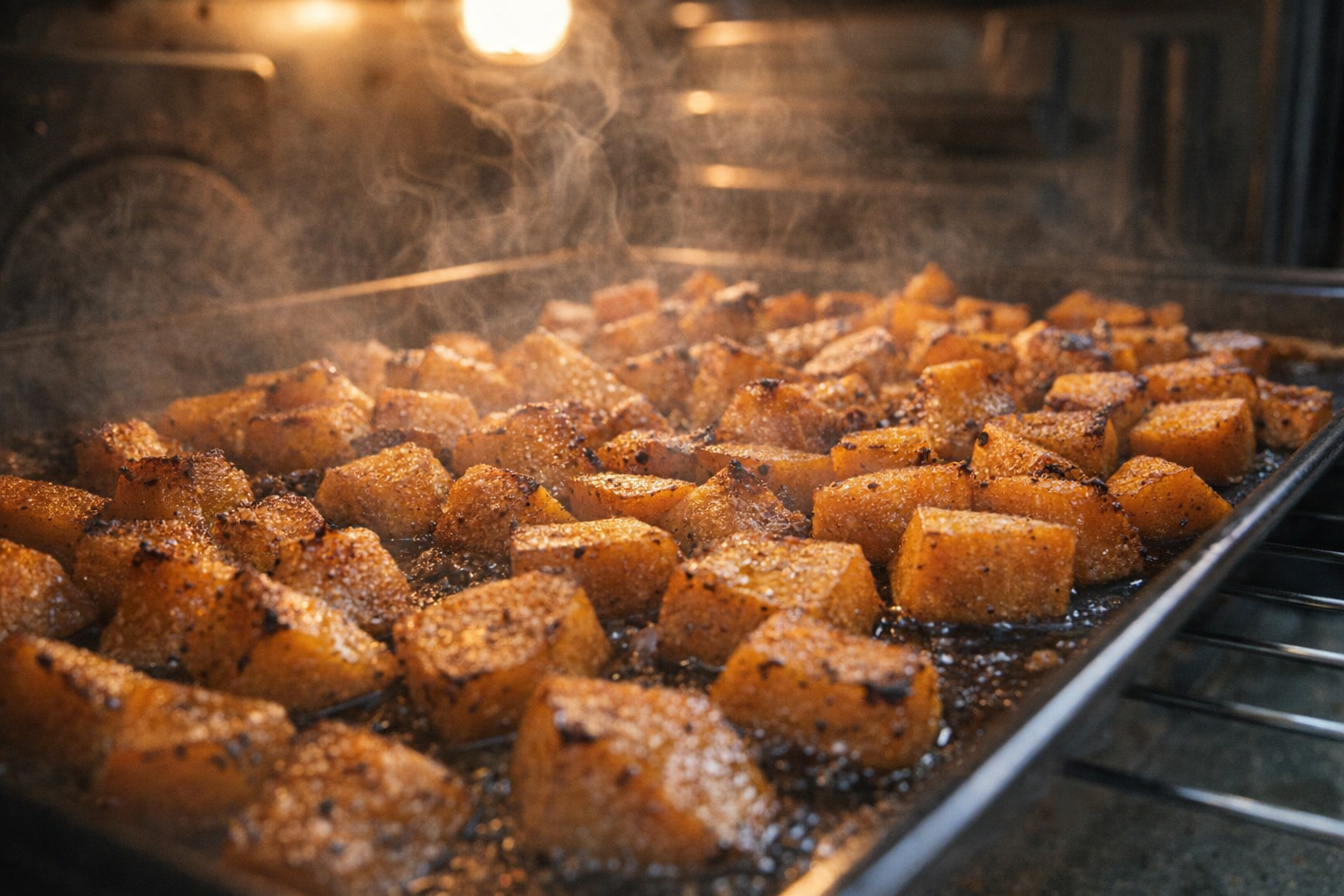
- Roast for 25-30 minutes, or until the squash is fork-tender and golden brown, flipping halfway through for even browning. The kitchen will fill with a sweet, roasted aroma as the sugars caramelize.
Steaming Butternut Squash
Steaming is a gentle method that preserves the squash's nutrients and yields a tender, slightly sweet result, perfect for purees and baby food.
Ingredients:
- 1 medium Butternut Squash (about 2 lbs)
- 1 cup Water
Instructions:
- Peel, seed, and cube the butternut squash into 1-inch pieces.
- Bring 1 inch of water to a boil in a large pot. Ensure the water level is below the steamer basket.
- Place a steamer basket inside the pot, ensuring the water doesn't touch the basket.
- Add the squash cubes to the steamer basket. Cover the pot with a lid.
- Steam for 15-20 minutes, or until the squash is fork-tender. The steam will soften the squash, creating a moist and delicate texture.
Boiling Butternut Squash
Boiling is the quickest way to cook butternut squash, ideal for mashing and pureeing. It sacrifices some flavor compared to roasting but is exceptionally convenient.
Ingredients:
- 1 medium Butternut Squash (about 2 lbs)
- Water
Instructions:
- Peel, seed, and cube the butternut squash into 1-inch pieces.
- Bring a large pot of water to a rolling boil over high heat.
- Add the squash cubes to the boiling water, ensuring they are fully submerged.
- Reduce the heat to medium and simmer for 10-15 minutes, or until the squash is fork-tender. The squash will become soft and easily pierced with a fork when done.
- Drain the squash in a colander.
Microwaving Butternut Squash
For ultimate speed, microwaving is the way to go. While not ideal for flavor development, it's perfect for a quick and easy side dish.
Ingredients:
- 1 medium Butternut Squash (about 2 lbs)
Instructions:
- Pierce the butternut squash several times with a fork. This prevents it from exploding in the microwave.
- Place the squash on a microwave-safe plate and microwave on high for 8-12 minutes, flipping halfway through. The cooking time will vary depending on the size and power of your microwave.
- Carefully remove the squash from the microwave (it will be hot!). Let it cool slightly before handling.
- Cut the squash in half lengthwise, remove the seeds, and scoop out the flesh.
Air Frying Butternut Squash
Air frying delivers crispy, golden-brown results with minimal oil. The circulating hot air creates a wonderfully textured squash with a slightly caramelized exterior.
Ingredients:
- 1 medium Butternut Squash (about 2 lbs)
- 1 tablespoon Olive Oil
- 1/2 teaspoon Salt
- 1/4 teaspoon Black Pepper
- Optional: 1/2 teaspoon Garlic Powder, Paprika, or Rosemary
Instructions:
- Peel, seed, and cube the butternut squash into 1-inch pieces.
- In a large bowl, toss the squash cubes with olive oil, salt, pepper, and any desired spices.
- Preheat your air fryer to 375°F (190°C).
- Arrange the squash cubes in a single layer in the air fryer basket, avoiding overcrowding. Work in batches if necessary.
- Air fry for 15-20 minutes, shaking the basket halfway through, or until the squash is tender and golden brown. The edges will become slightly crispy.
Grilling Butternut Squash
Grilling imparts a smoky flavor to the butternut squash, perfect for adding depth to salads and side dishes. Use medium-high heat to achieve grill marks without burning the squash.
Ingredients:
- 1 medium Butternut Squash (about 2 lbs)
- 2 tablespoons Olive Oil
- 1/2 teaspoon Salt
- 1/4 teaspoon Black Pepper
- Optional: 1/2 teaspoon Dried Thyme or Rosemary
Instructions:
- Peel, seed, and cut the butternut squash into 1/2-inch thick slices or wedges.
- In a large bowl, toss the squash slices with olive oil, salt, pepper, and any desired herbs.
- Preheat your grill to medium-high heat (375-400°F or 190-200°C).
- Place the squash slices directly on the grill grates.
- Grill for 4-5 minutes per side, or until grill marks appear and the squash is tender. Watch closely to prevent burning. The squash will have a slightly smoky flavor and tender texture.
Cooking Time & Doneness Guide
Roasting:
- Time: 25-30 minutes
- Internal Temperature: N/A (aim for fork-tenderness)
- Visual Cues: Golden brown color, caramelized edges.
Steaming:
- Time: 15-20 minutes
- Internal Temperature: N/A (aim for fork-tenderness)
- Visual Cues: Soft and easily pierced with a fork.
Boiling:
- Time: 10-15 minutes
- Internal Temperature: N/A (aim for fork-tenderness)
- Visual Cues: Soft and easily pierced with a fork.
Microwaving:
- Time: 8-12 minutes
- Internal Temperature: N/A (aim for easily pierced flesh)
- Visual Cues: Soft and pliable skin.
Air Frying:
- Time: 15-20 minutes
- Internal Temperature: N/A (aim for fork-tenderness)
- Visual Cues: Golden brown color, slightly crispy edges.
Grilling:
- Time: 8-10 minutes
- Internal Temperature: N/A (aim for fork-tenderness)
- Visual Cues: Grill marks, slightly softened texture.
Tips for Perfection
- Don't Overcrowd: Whether roasting, air frying, or grilling, avoid overcrowding the pan or basket. This will steam the squash instead of allowing it to brown.
- Cut Uniformly: Ensure the squash is cut into even-sized pieces for consistent cooking.
- Taste as You Go: Season the squash generously to enhance its natural sweetness. Taste and adjust seasonings as needed.
- Use a Sharp Knife: A sharp knife is essential for safely and efficiently cutting through the tough butternut squash.
Storage & Reheating
Cooked butternut squash can be stored in an airtight container in the refrigerator for up to 3-5 days. For longer storage, freeze cooked squash in a freezer-safe container for up to 3 months. Thaw overnight in the refrigerator before reheating.
Reheat cooked butternut squash in the microwave, oven, or skillet. Microwave in short bursts until heated through. Reheat in the oven at 350°F (175°C) until warmed. Sauté in a skillet with a little olive oil until heated through.
Serving Suggestions
- Butternut Squash Soup: Blend cooked butternut squash with broth, cream, and spices for a comforting soup.
- Roasted Butternut Squash Salad: Toss roasted butternut squash with mixed greens, cranberries, pecans, and goat cheese for a flavorful salad.
- Butternut Squash Risotto: Incorporate cooked butternut squash into a creamy risotto for a seasonal twist.
- Butternut Squash Tacos: Use roasted or grilled butternut squash as a filling for tacos, topped with black beans, salsa, and avocado.
Frequently Asked Questions
If you're struggling to cut through a hard butternut squash, try poking it several times with a fork and microwaving it for 2-3 minutes. This will soften the skin and flesh slightly, making it easier and safer to cut.
Yes, you can often substitute frozen butternut squash for fresh, especially in soups, purees, or casseroles. Keep in mind that frozen squash may release more water during cooking, so you might need to adjust cooking times or drain excess liquid.
Allow the cooked butternut squash to cool completely before storing it in an airtight container in the refrigerator. It will typically keep for 3-4 days. You can also freeze cooked butternut squash for longer storage; puree it first for best results after thawing.
If you don't have a Y-peeler, you can use a sharp paring knife to carefully remove the skin. Make sure to keep the blade angled slightly away from your hand for safety and try to remove as little of the flesh as possible.