 delishing
How to Master Cooking Yellow Squash on the Stove

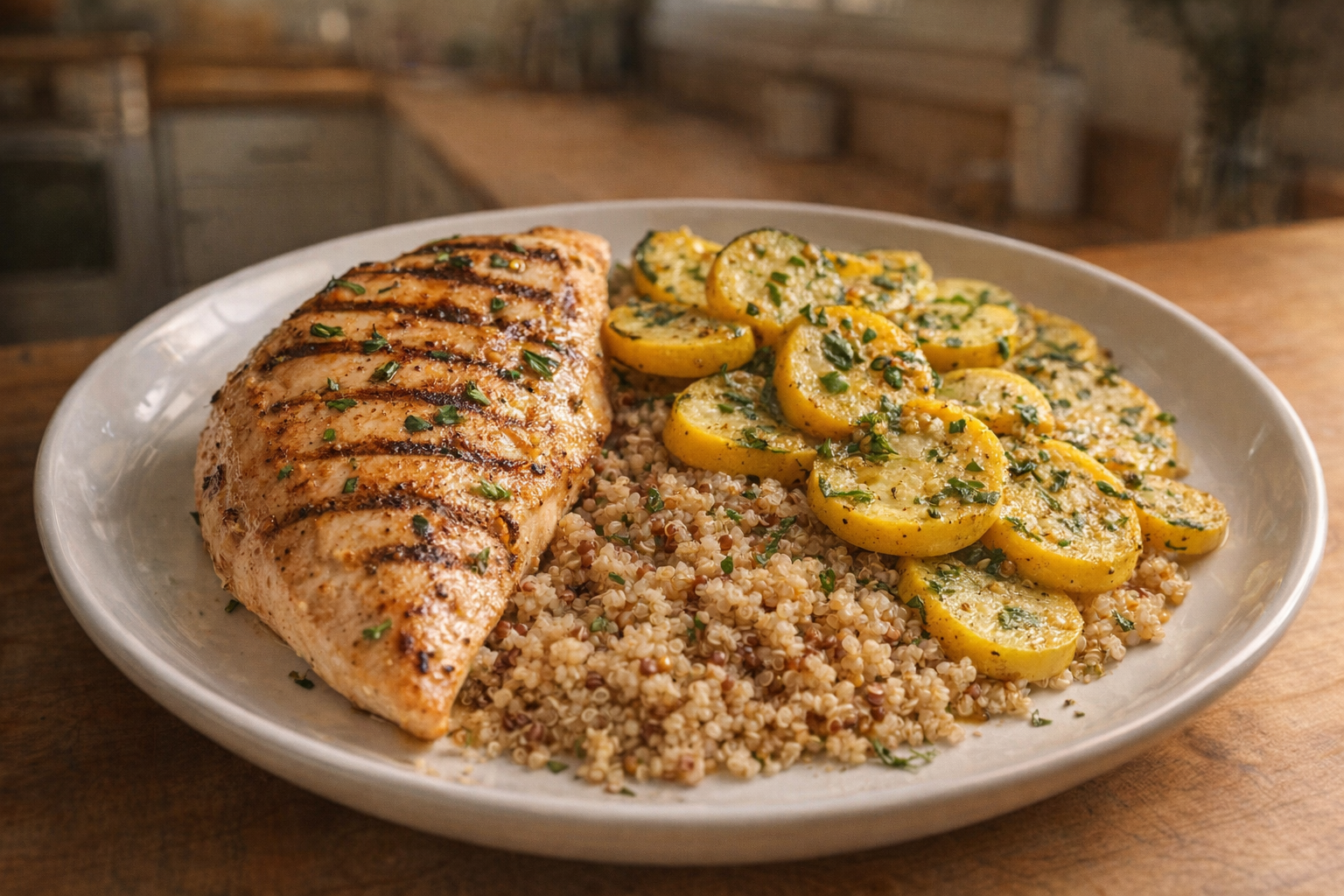
Yellow squash, with its delicate sweetness and tender flesh, is a versatile summer vegetable that shines when cooked simply and correctly. This guide focuses on techniques that enhance its natural flavor, providing you with methods to saute, roast, boil, air fry, and grill yellow squash to perfection. Forget bland, mushy squash; we're aiming for slightly caramelized edges and a pleasingly soft interior that complements any dish.
From quick weeknight meals to elegant side dishes, mastering yellow squash opens up a world of culinary possibilities. Its mild flavor makes it a blank canvas, ready to absorb the nuances of your favorite herbs, spices, and sauces. We'll walk you through selecting the best squash, prepping it for cooking, and choosing the ideal cooking method to bring out its best.
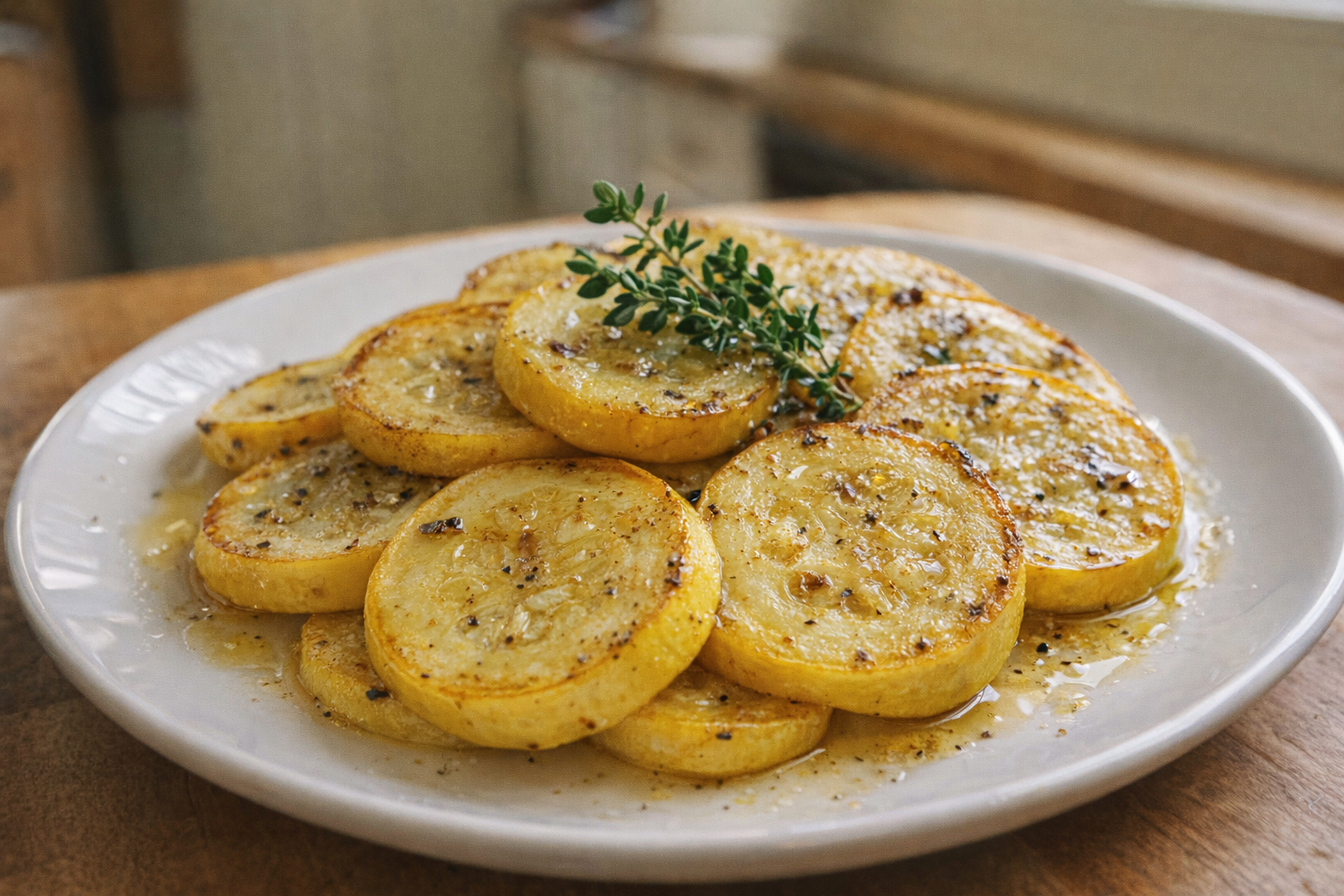
Understanding Yellow Squash
Yellow squash, also known as summer squash, comes in several varieties, including crookneck and straightneck. Crookneck squash has a curved neck and bumpy skin, while straightneck is, as the name suggests, straighter and smoother. Flavor-wise, the differences are subtle, but the texture can vary slightly, with crookneck tending to be a bit firmer.
When buying yellow squash, look for specimens that are firm, heavy for their size, and have smooth, unblemished skin. Avoid squash with soft spots or wrinkles, as these are signs of age and potential spoilage. Smaller to medium-sized squash (6-8 inches) generally have better flavor and fewer seeds. A vibrant, even yellow color indicates freshness.
Why Cook Yellow Squash This Way?
- Versatility: Yellow squash can be incorporated into countless dishes, from simple sautees to complex casseroles.
- Flavor: When cooked properly, yellow squash develops a subtle sweetness that pairs well with a wide range of flavors.
- Convenience: Most yellow squash cooking methods are quick and easy, making it an ideal choice for busy weeknights.
Preparation (Mise en Place)
Proper preparation is key to achieving the best results when cooking yellow squash.
- Washing: Rinse the squash thoroughly under cool running water to remove any dirt or debris. A gentle scrubbing with your hands is usually sufficient.
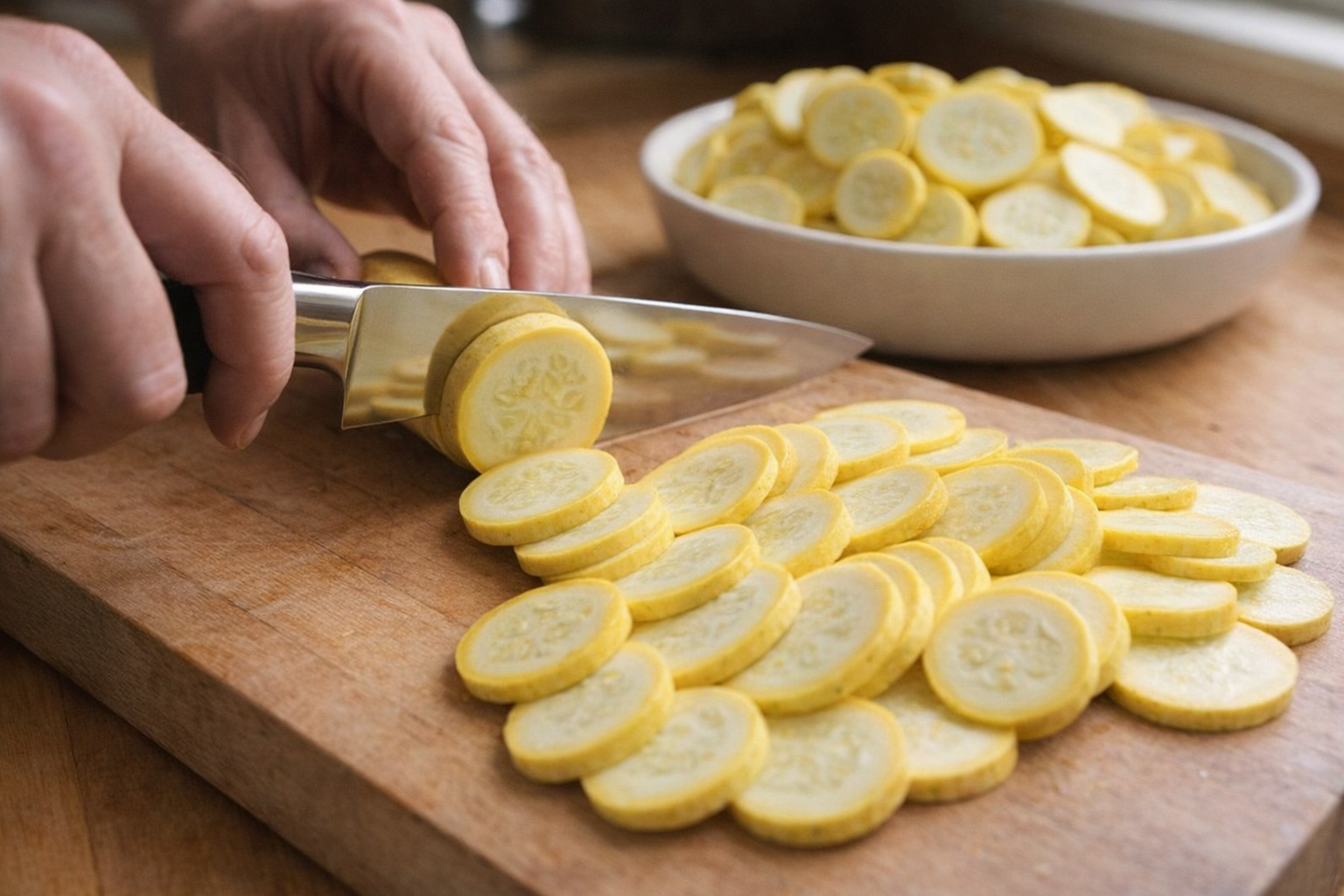
- Trimming: Trim off the stem and blossom ends of the squash, about 1/4 inch from each end. This removes any tough or fibrous parts.
- Cutting: Cut the squash into your desired shape. For sauteing, slicing into 1/4-inch rounds is ideal. For roasting, you can cut into chunks or wedges. For grilling, lengthwise slices work best.
- Seeding (Optional): If your squash is large and mature, you may want to remove the seeds. Cut the squash lengthwise and use a spoon to scoop out the seeds and any stringy fibers. Younger, smaller squash usually have tender seeds that can be left in.
Essential Tools
- Chef's Knife: A sharp chef's knife is essential for clean and precise cutting.
- Cutting Board: A sturdy cutting board provides a safe and stable surface for chopping.
- Skillet/Oven/Grill/Air Fryer: You'll need the appropriate cooking equipment for the method you choose.
- Mixing Bowls: For tossing squash with seasonings.
The Cooking Methods
Here are several methods to cook yellow squash:
Method 1: Sauteed Yellow Squash
Sauteing is a quick and easy way to cook yellow squash, resulting in slightly browned and tender slices.
Ingredients:
- 1 pound yellow squash, sliced into 1/4-inch rounds
- 2 tablespoons olive oil
- 1/2 teaspoon salt
- 1/4 teaspoon black pepper
- 1 clove garlic, minced (optional)
- 1 tablespoon fresh herbs, chopped (optional, e.g., thyme, basil)
- Heat the olive oil in a large skillet over medium-high heat. The oil should shimmer and easily coat the pan.
- Add the squash slices to the skillet in a single layer. Avoid overcrowding the pan, as this will cause the squash to steam instead of brown. If necessary, cook in batches.
- Season with salt and pepper.
- Cook for 3-4 minutes per side, until the squash is tender and lightly browned. You should hear a gentle sizzle as the squash cooks, and the aroma will become subtly sweet.
- If using, add the minced garlic and herbs during the last minute of cooking. Stir to combine and cook until fragrant, about 30 seconds.
- Serve immediately.
Method 2: Roasted Yellow Squash
Roasting brings out the natural sweetness of yellow squash, creating a slightly caramelized exterior and a tender interior.
Ingredients:
- 1 pound yellow squash, cut into 1-inch chunks
- 2 tablespoons olive oil
- 1/2 teaspoon salt
- 1/4 teaspoon black pepper
- 1/4 teaspoon garlic powder (optional)
- 1/4 teaspoon paprika (optional)
- Preheat oven to 400°F (200°C).
- In a large bowl, toss the squash chunks with olive oil, salt, pepper, garlic powder, and paprika (if using). Ensure the squash is evenly coated.
- Spread the squash in a single layer on a baking sheet.
- Roast for 20-25 minutes, or until the squash is tender and lightly browned. Flip the squash halfway through cooking to ensure even browning. The squash should be easily pierced with a fork when done.
- Serve hot.
Method 3: Boiled Yellow Squash
Boiling is a simple way to cook yellow squash, ideal for those who prefer a softer texture.
Ingredients:
- 1 pound yellow squash, cut into 1-inch pieces
- 4 cups water
- 1/2 teaspoon salt
- 1 tablespoon butter or olive oil (optional)
- Salt and pepper to taste
- Bring the water and salt to a boil in a medium saucepan.
- Add the squash pieces to the boiling water.
- Reduce heat to medium and cook for 5-7 minutes, or until the squash is tender.
- Drain the squash in a colander.
- Return the squash to the saucepan and stir in butter or olive oil (if using). Season with salt and pepper to taste.
- Serve immediately.
Method 4: Air Fried Yellow Squash
Air frying provides a crispy exterior with a soft interior, using minimal oil.
Ingredients:
- 1 pound yellow squash, cut into 1/2-inch slices
- 1 tablespoon olive oil
- 1/2 teaspoon salt
- 1/4 teaspoon black pepper
- 1/4 teaspoon garlic powder (optional)
- Preheat your air fryer to 375°F (190°C).
- In a bowl, toss the squash with olive oil, salt, pepper and any optional seasonings.
- Arrange the squash in a single layer in the air fryer basket. You may need to do this in batches.
- Air fry for 8-10 minutes, shaking the basket halfway through, until the squash is golden brown and tender.
- Serve hot.
Method 5: Grilled Yellow Squash
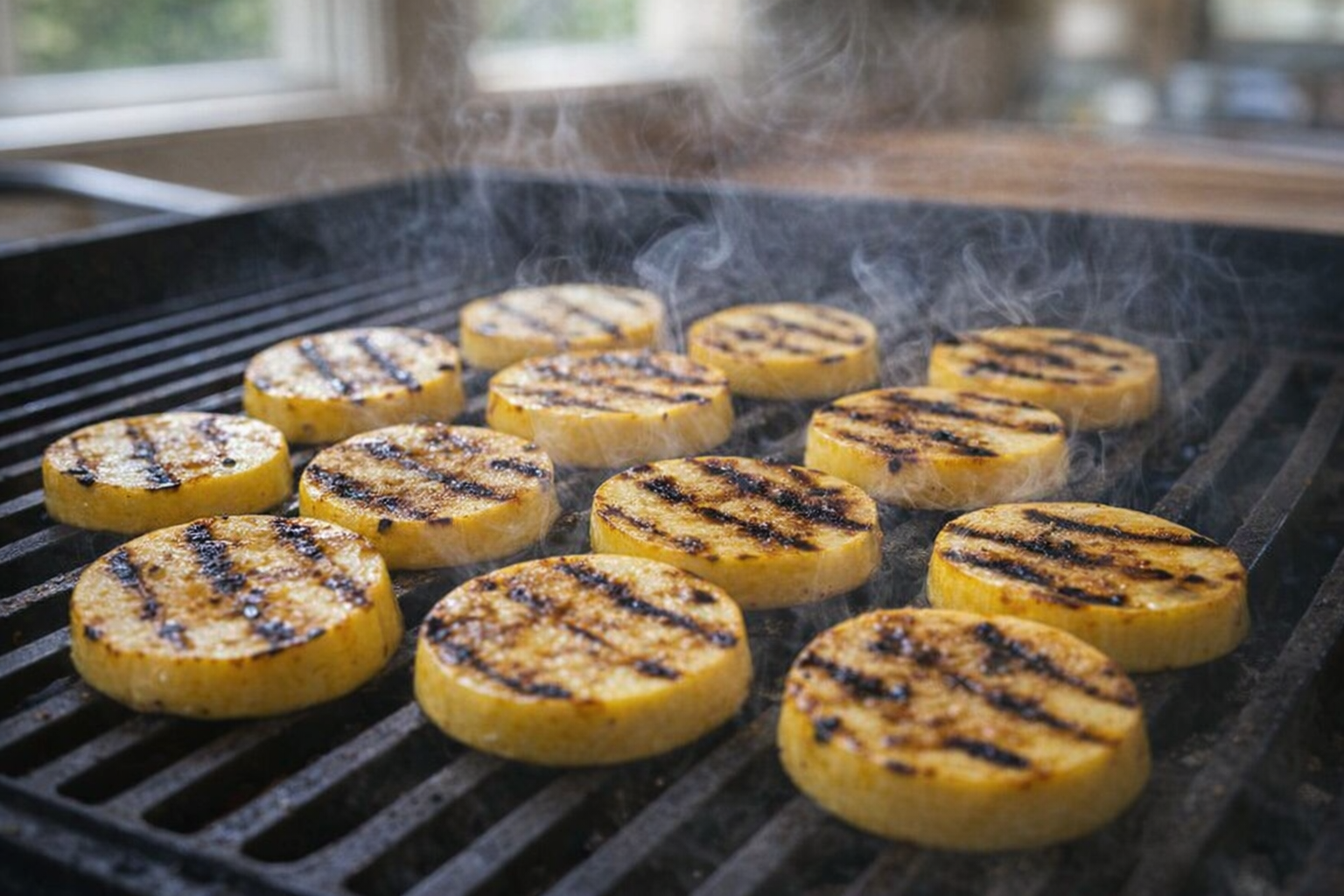
Grilling imparts a smoky flavor to the yellow squash, perfect for summer barbecues.
Ingredients:
- 1 pound yellow squash, sliced lengthwise into 1/4-inch thick planks
- 2 tablespoons olive oil
- 1/2 teaspoon salt
- 1/4 teaspoon black pepper
- 1 clove garlic, minced (optional)
- 1 tablespoon fresh herbs, chopped (optional, e.g., thyme, basil)
- Preheat your grill to medium-high heat.
- In a small bowl, combine the olive oil, salt, pepper, garlic (if using), and herbs (if using).
- Brush the squash planks with the olive oil mixture on both sides.
- Grill the squash for 3-4 minutes per side, or until grill marks appear and the squash is tender.
- Serve immediately.
Cooking Time & Doneness Guide
- Sauteed: 6-8 minutes total (3-4 minutes per side). The squash should be tender and lightly browned.
- Roasted: 20-25 minutes. The squash should be easily pierced with a fork and slightly browned.
- Boiled: 5-7 minutes. The squash should be tender but not mushy.
- Air Fried: 8-10 minutes. The squash should be golden brown and tender.
- Grilled: 6-8 minutes total (3-4 minutes per side). The squash should have grill marks and be tender.
Visual Cues
For all methods, look for a slight softening of the squash and a change in color. Avoid overcooking, as this will result in mushy squash.
Tips for Perfection
- Don't Overcrowd the Pan: When sauteing or roasting, ensure the squash is in a single layer to promote even cooking and browning.
- Use High Heat for Browning: For sauteing and grilling, use medium-high heat to achieve a nice sear without overcooking the squash.
- Season Generously: Yellow squash has a mild flavor, so don't be afraid to season it generously with salt, pepper, and your favorite herbs and spices.
- Don't Overcook: Overcooked squash will become mushy and lose its appealing texture.
Storage & Reheating
Leftover cooked yellow squash can be stored in an airtight container in the refrigerator for up to 3 days. To reheat, saute in a pan with a little oil, roast in the oven, or microwave until heated through. Be careful not to overheat, as this can make the squash mushy.
Serving Suggestions
- As a Side Dish: Serve sauteed, roasted, boiled, air fried, or grilled yellow squash as a simple side dish alongside grilled chicken, fish, or steak.
- In Pasta Dishes: Add sauteed or roasted yellow squash to pasta sauces or use it as a topping for pasta dishes.
- In Salads: Add grilled or roasted yellow squash to salads for a boost of flavor and nutrients.
- In Omelets or Frittatas: Dice and add cooked yellow squash to omelets or frittatas for a healthy and flavorful breakfast or brunch.
💡 Pro Tips
- Slice the squash into uniform rounds or half-moons to ensure every piece cooks at the same rate.
- Avoid overcrowding the skillet so the squash can properly caramelize rather than steaming in its own juices.
- Wait to season with salt until the squash is nearly finished cooking to prevent it from releasing excess moisture and turning mushy.
- Maintain medium-high heat throughout the process to achieve golden-brown edges while keeping the interior tender.
- Select smaller, firm squash for the stovetop because they contain fewer seeds and hold their shape better during high-heat cooking.
Frequently Asked Questions
While it's best to use firm squash, slightly soft squash can still be used. Trim away any overly soft or mushy spots before cooking, and be aware that the final texture may be softer than expected. You may also want to adjust the cooking time to prevent it from becoming too mushy.
Yes, zucchini is a great substitute for yellow squash. They have a similar flavor and texture, so you can use them interchangeably in most recipes. The cooking times should be very similar as well.
To avoid mushy squash, don't overcrowd the pan, as this steams the squash instead of sauteing it. Cook over medium-high heat to encourage browning, and avoid overcooking; the squash should be tender-crisp. Also, salting the squash beforehand can draw out excess moisture.
Cooked yellow squash can be stored in an airtight container in the refrigerator for up to 3-4 days. Reheat gently in a skillet or microwave until warmed through. Keep in mind that the texture may soften slightly during storage.