 delishing
How to Master Seafood Salad: 16 Delicious Variations

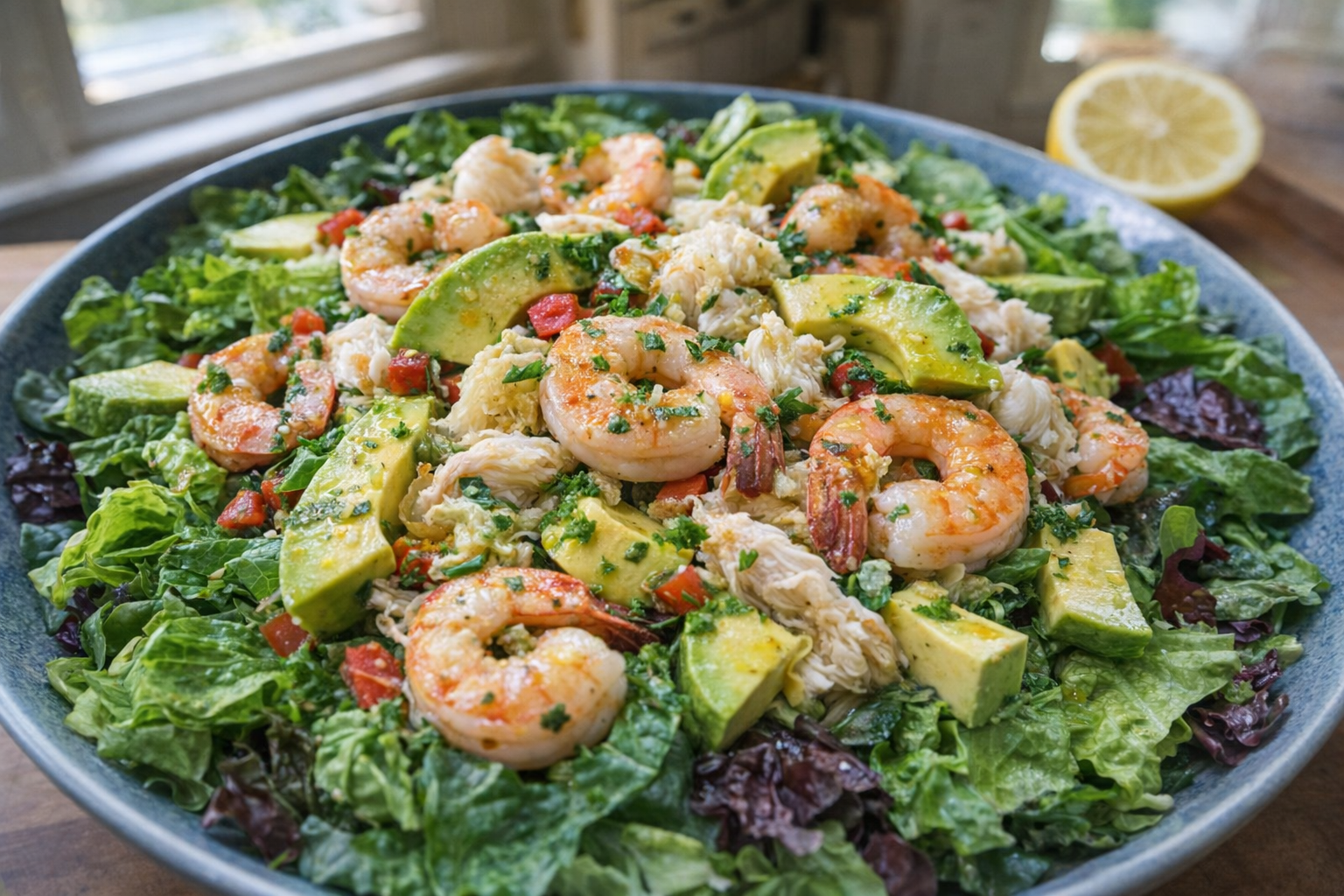
Seafood salad offers a refreshing and versatile culinary experience, showcasing the delicate flavors of the ocean combined with vibrant, fresh ingredients. The beauty of seafood salad lies in its adaptability – from creamy and comforting to bright and zesty, there's a variation to suit every palate and occasion. This guide explores 16 different seafood salad recipes, offering insights into ingredient selection, preparation techniques, and flavor combinations to elevate your seafood salad game.
This approach to seafood salad focuses on preserving the natural flavors of the seafood while complementing them with thoughtfully chosen accompaniments. By using quality ingredients, employing proper cooking techniques, and paying attention to the balance of flavors, you can create seafood salads that are both satisfying and impressive. Each recipe is designed to be a starting point, encouraging experimentation and personalization to create your own signature seafood salad.
Understanding Seafood for Salad
The foundation of any great seafood salad is, of course, the seafood itself. Opt for sustainably sourced options whenever possible. Here's a quick rundown of common choices:
- Shrimp: Available in various sizes (small, medium, large, jumbo), shrimp should be firm to the touch and smell faintly of the ocean, not ammonia. Buy peeled and deveined shrimp to save time, or peel and devein them yourself for maximum freshness.
- Tuna: Canned tuna in water or oil is a pantry staple. For a richer flavor, opt for tuna packed in olive oil. Fresh tuna steaks can also be seared or grilled and flaked into salads.
- Crab: Fresh crabmeat, whether lump, claw, or flake, offers a delicate sweetness. Imitation crabmeat (surimi) is a budget-friendly alternative but lacks the distinct flavor of real crab.
- Salmon: Smoked salmon adds a luxurious smoky flavor to salads. Cooked salmon fillets, grilled or poached, are another excellent option.
- Lobster: A splurge-worthy ingredient, lobster meat adds a touch of elegance to any salad.
- Calamari: When properly prepared and cooked, calamari adds unique flavor and texture.
Why Cook Seafood Salad This Way?
- Versatility: Seafood salad can be adapted to suit any occasion, from a quick lunch to an elegant dinner party.
- Flavor: Seafood salads offer a wide range of flavor profiles, from creamy and decadent to bright and zesty.
- Convenience: Many seafood salad recipes can be prepared ahead of time, making them perfect for busy weeknights or entertaining.
Preparation (Mise en Place)
Before diving into specific recipes, it's essential to properly prepare your ingredients.
- Thawing: If using frozen seafood, thaw it completely in the refrigerator overnight. Never thaw seafood at room temperature.
- Cooking: Cook seafood according to the recipe instructions, being careful not to overcook it. Overcooked seafood becomes rubbery and loses its flavor.
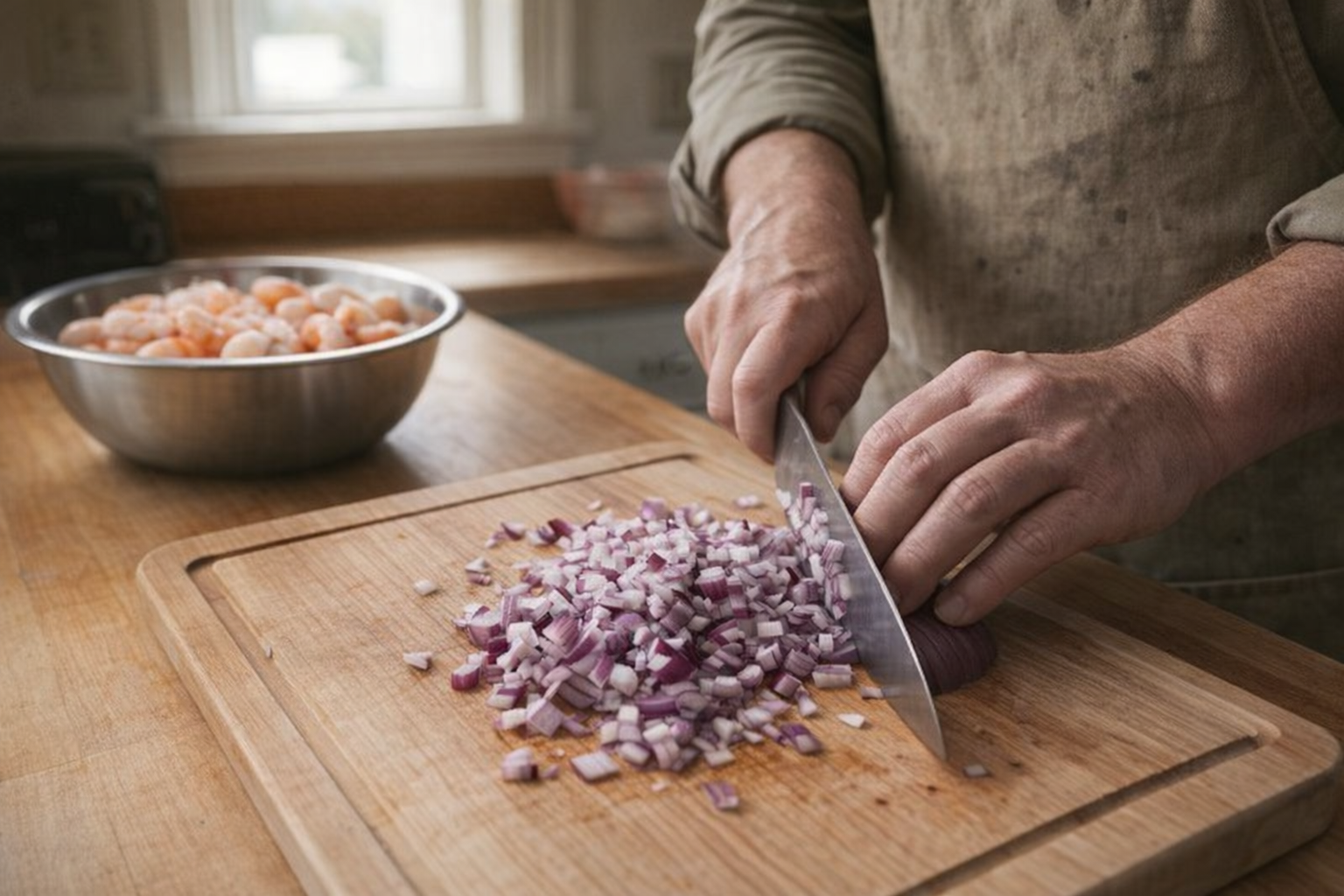
- Cutting: Chop vegetables into uniform sizes for even distribution and a visually appealing salad.
- Drying: After cooking and cooling seafood, gently pat it dry with paper towels to remove excess moisture, preventing a soggy salad.
Essential Tools
- Mixing Bowls: Use a variety of sizes for prepping ingredients and assembling the salad.
- Cutting Board: A sturdy cutting board is essential for chopping vegetables and seafood.
- Sharp Knife: A sharp knife makes prepping ingredients easier and safer.
- Whisk: Use a whisk to emulsify dressings and sauces.
- Measuring Cups and Spoons: Accurate measurements are crucial for consistent results.
The Cooking Method(s)
Here are some of the most popular types of Seafood Salad:
Method 1: Shrimp and Avocado Salad
Ingredients:
- 1 pound (450g) cooked shrimp, peeled and deveined
- 2 ripe avocados, diced
- 1/4 cup (60ml) red onion, finely chopped
- 1/4 cup (60ml) cilantro, chopped
- 2 tablespoons (30ml) lime juice
- 2 tablespoons (30ml) olive oil
- Salt and pepper to taste
- In a large bowl, combine the cooked shrimp, diced avocados, red onion, and cilantro. The aroma of fresh cilantro begins to fill the air.
- In a small bowl, whisk together the lime juice and olive oil. Season with salt and pepper to taste. The dressing should smell bright and citrusy.
- Pour the dressing over the shrimp and avocado mixture. Gently toss to combine, being careful not to mash the avocados. The colors of the salad should be vibrant and inviting.
- Serve immediately or chill for later.
Method 2: Tuna Salad with Lemon and Dill
Ingredients:
- 2 cans (5 ounces/140g each) tuna in water, drained
- 1/4 cup (60ml) Greek yogurt
- 2 tablespoons (30ml) mayonnaise
- 1 tablespoon (15ml) lemon juice
- 2 tablespoons (30ml) fresh dill, chopped
- Salt and pepper to taste
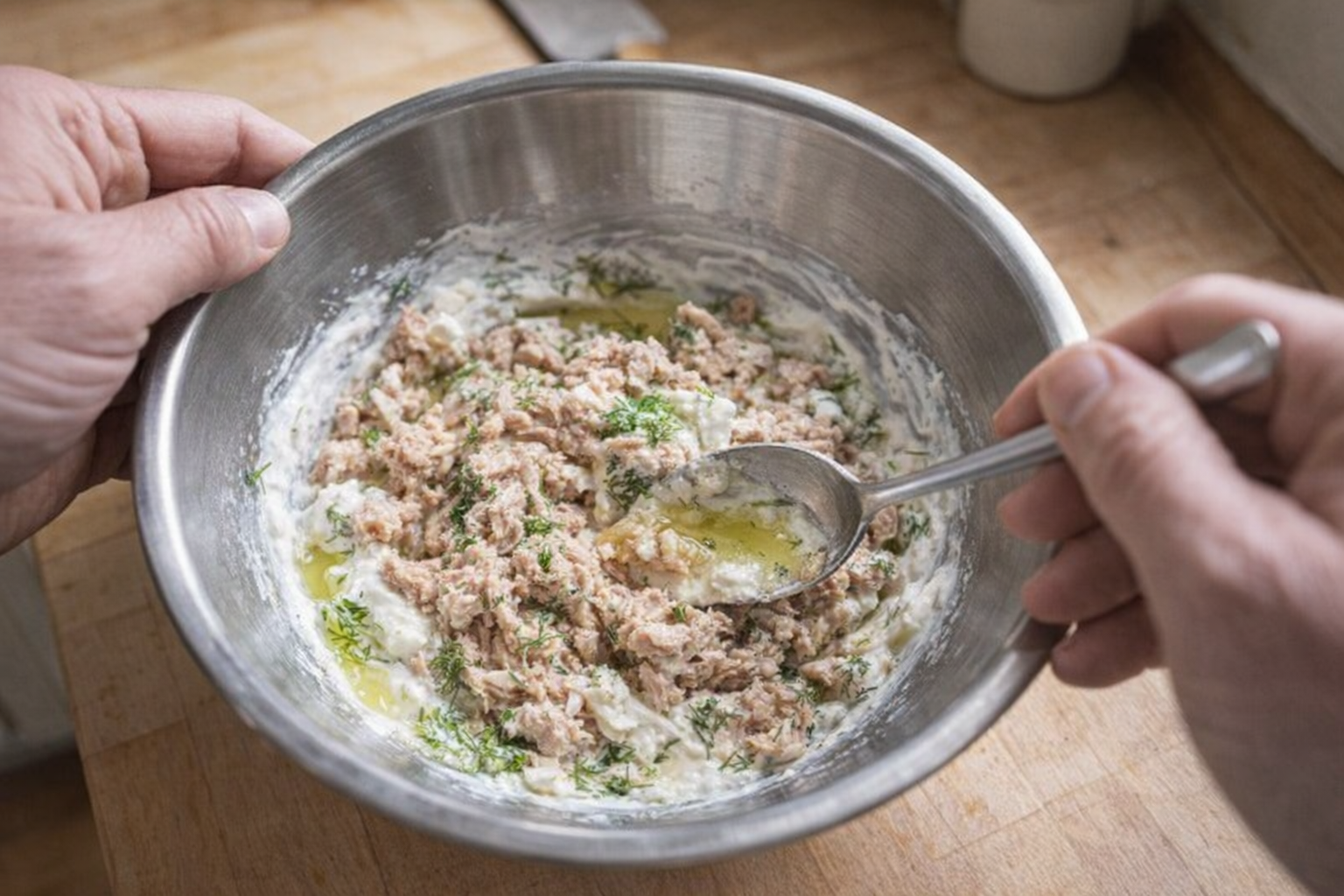
- In a medium bowl, flake the tuna with a fork. The tuna should be broken into small, manageable pieces.
- Add the Greek yogurt, mayonnaise, lemon juice, and dill to the bowl. Stir to combine. The mixture should be creamy and fragrant with dill and lemon.
- Season with salt and pepper to taste.
- Serve immediately or chill for later.
Method 3: Crab and Mango Salad
Ingredients:
- 8 ounces (225g) cooked crabmeat
- 1 ripe mango, diced
- 1/4 cup (60ml) red bell pepper, diced
- 1/4 cup (60ml) cucumber, diced
- 2 tablespoons (30ml) red onion, finely chopped
- 2 tablespoons (30ml) cilantro, chopped
- 2 tablespoons (30ml) lime juice
- 1 tablespoon (15ml) fish sauce
- 1 teaspoon (5ml) honey
- In a large bowl, combine the crabmeat, diced mango, red bell pepper, cucumber, and red onion. The salad should be a mix of bright colors and textures.
- In a small bowl, whisk together the lime juice, fish sauce, and honey. The dressing should be a balance of sweet, sour, and savory.
- Pour the dressing over the crab and mango mixture. Gently toss to combine.
- Garnish with cilantro and serve immediately or chill for later.
Cooking Time & Doneness Guide
Since the seafood is already cooked in most seafood salad recipes, the focus is on chilling the salad to allow the flavors to meld.
- Chilling Time: Allow at least 30 minutes of chilling time in the refrigerator before serving. This allows the flavors to fully develop and enhances the overall taste of the salad.
Visual Cues
The salad should look vibrant and fresh. The vegetables should be crisp and the seafood should be moist and flavorful.
Tips for Perfection
- Don't Overcook: Overcooked seafood is rubbery and loses its flavor. Cook seafood just until it is opaque and cooked through.
- Use Fresh Ingredients: Fresh ingredients make a big difference in the flavor of seafood salad. Choose ripe avocados, crisp vegetables, and high-quality seafood.
- Taste and Adjust: Taste the salad before serving and adjust the seasonings as needed. Add more salt, pepper, or acid (lemon juice or vinegar) to balance the flavors.
- Chill Before Serving: Chilling the salad allows the flavors to meld and enhances the overall taste.
Storage & Reheating
- Storage: Store leftover seafood salad in an airtight container in the refrigerator for up to 2 days.
- Reheating: Seafood salad is best served cold. Reheating is not recommended as it can affect the texture and flavor of the seafood.
Serving Suggestions
- Sandwiches: Serve seafood salad on croissants, lettuce wraps, or toasted bread for a satisfying lunch.
- Salad Bowls: Serve seafood salad over a bed of mixed greens with cherry tomatoes, cucumbers, and a light vinaigrette.
- Appetizers: Serve seafood salad as an appetizer with crackers, baguette slices, or cucumber rounds.
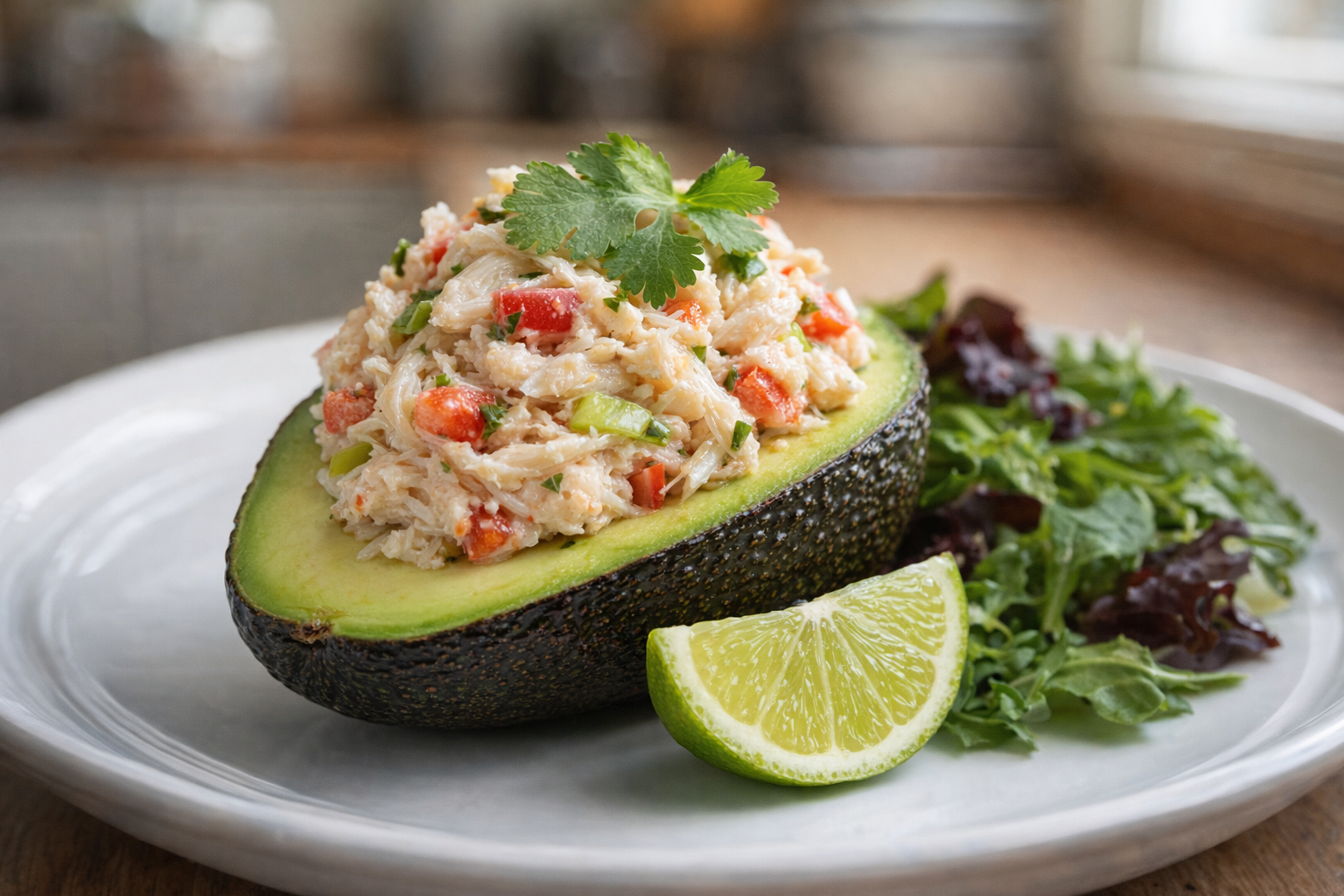
- Stuffed Avocados: Fill avocado halves with seafood salad for a healthy and visually appealing dish.
💡 Pro Tips
- Always pat your cooked seafood completely dry with paper towels before adding dressing to prevent the salad from becoming watery.
- Blanch shrimp and scallops in boiling salted water just until opaque, then immediately plunge them into an ice bath to stop the cooking and preserve their tender texture.
- For the best flavor development, prepare the seafood salad at least thirty minutes before serving and keep it refrigerated so the ingredients can properly meld.
- If using frozen seafood, ensure it is fully thawed in the refrigerator and drained thoroughly to maintain the integrity of the dressing's consistency.
- Incorporate fresh herbs like dill or parsley at the very end of preparation to ensure they retain their bright color and punchy aroma.
Frequently Asked Questions
Pre-cooked shrimp is perfectly acceptable for seafood salad, especially for convenience. However, cooking your own shrimp allows you to control the level of doneness and ensure it's not overcooked, resulting in a better texture and potentially more flavorful salad.
Seafood salad is best consumed within 1-2 days of preparation to ensure optimal freshness and safety. Store it in an airtight container in the refrigerator to prevent bacterial growth and maintain the quality of the ingredients.
If lobster isn't available, consider using large, high-quality shrimp or jumbo lump crabmeat as a substitute. These options offer a similar luxurious feel and delicate flavor that will elevate your seafood salad.
To prevent rubbery calamari, cook it either very quickly (1-2 minutes) over high heat or braise it slowly for a longer period (30-45 minutes) until tender. Avoid cooking it in between these times, as that's when it tends to become tough.