 delishing
How to Pan-Fry Fish Fillets: A Culinary Guide to Perfection

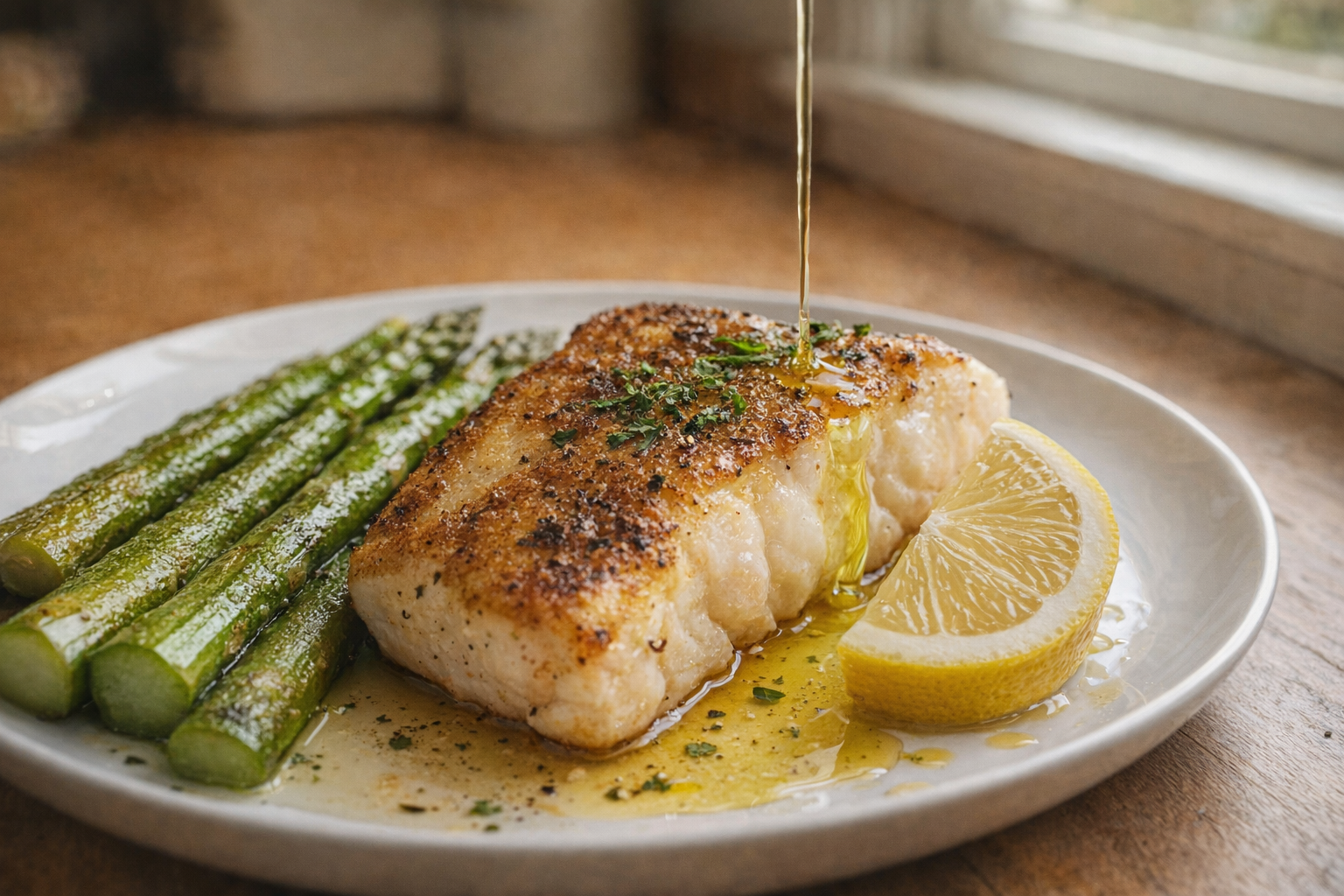
Pan-frying fish fillets is a quick and accessible way to achieve a delightful balance of textures and flavors. The exterior develops a satisfying crispness, while the inside remains tender and moist. This technique works well with a variety of fish, allowing you to create simple, elegant meals any night of the week. The key is understanding a few basic principles regarding heat control, moisture management, and cooking time.
The flavor profile of pan-fried fish is inherently clean and delicate. The mild taste of the fish is enhanced by the subtle richness of the oil or butter used for cooking, while a squeeze of lemon or a sprinkle of herbs adds brightness and complexity. Pan-frying allows the natural taste of the fish to shine, making it a versatile canvas for various seasonings and accompaniments.
Understanding Fish Fillets
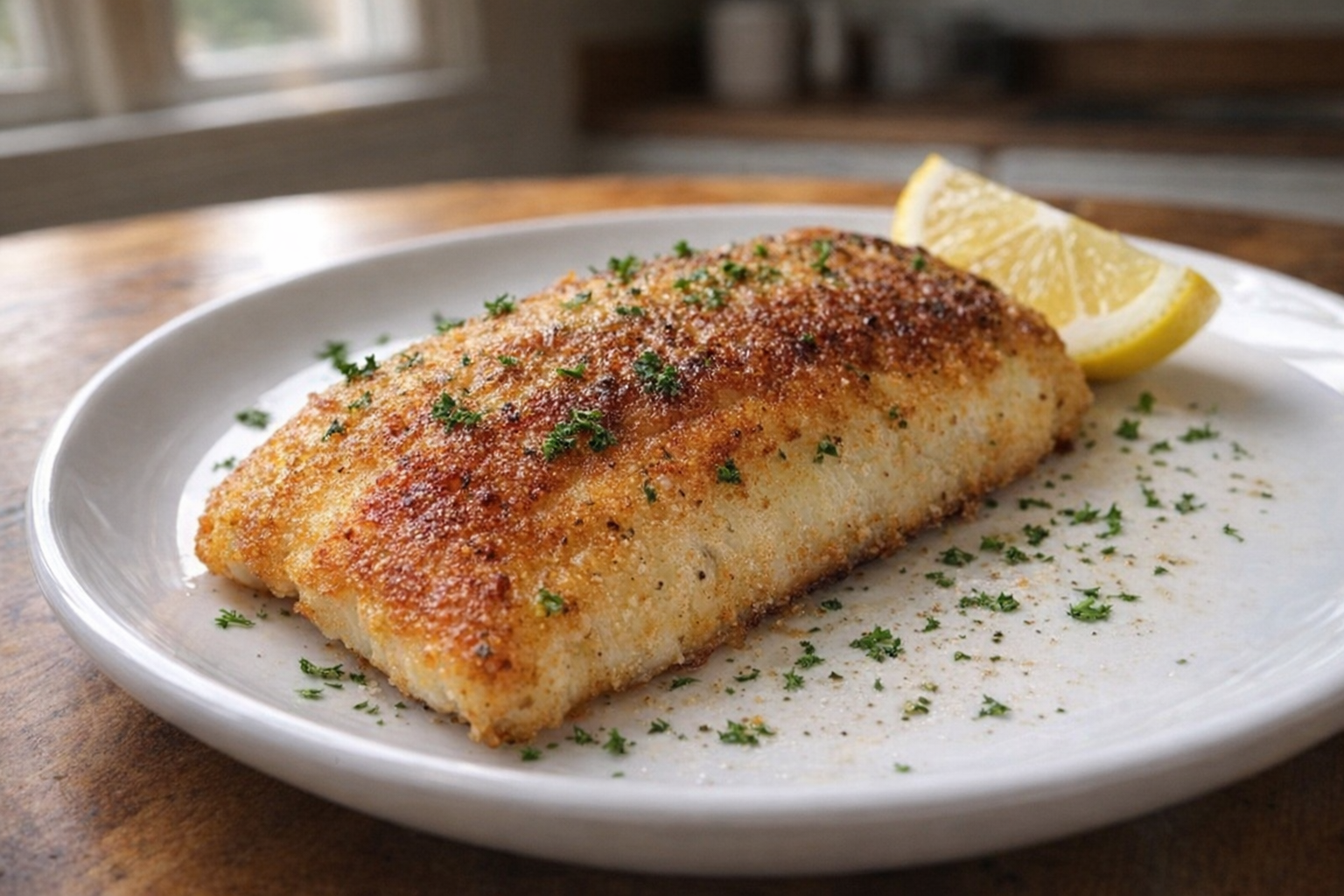
The term "fillet" refers to a cut of fish that is boneless. When selecting fish fillets for pan-frying, consider these factors:
- Thickness: Uniform thickness ensures even cooking. Avoid fillets that are significantly thicker at one end than the other.
- Freshness: Look for fillets that are firm, not slimy, with a fresh, mild smell. Avoid fish that smells overly "fishy." The flesh should spring back when gently pressed.
- Types of Fish:
- White Fish (Cod, Halibut, Flounder): These are lean and delicate, cooking quickly.
- Oily Fish (Salmon, Mackerel, Trout): These have a higher fat content, resulting in richer flavor and a more forgiving cooking process.
- Skin On vs. Skin Off: Skin-on fillets offer extra crispness when pan-fried skin-side down. If you prefer a softer texture, opt for skinless fillets.
Why Cook Fish This Way?
- Versatility: Suitable for a wide range of fish types and flavor profiles.
- Flavor: Quick searing locks in moisture and enhances the natural taste of the fish.
- Convenience: A fast and simple cooking method perfect for weeknight meals.
Preparation (Mise en Place)
Proper preparation is key to successful pan-frying. Here's what you need to do:
- Thawing: If using frozen fillets, thaw them completely in the refrigerator overnight. Never thaw fish at room temperature.
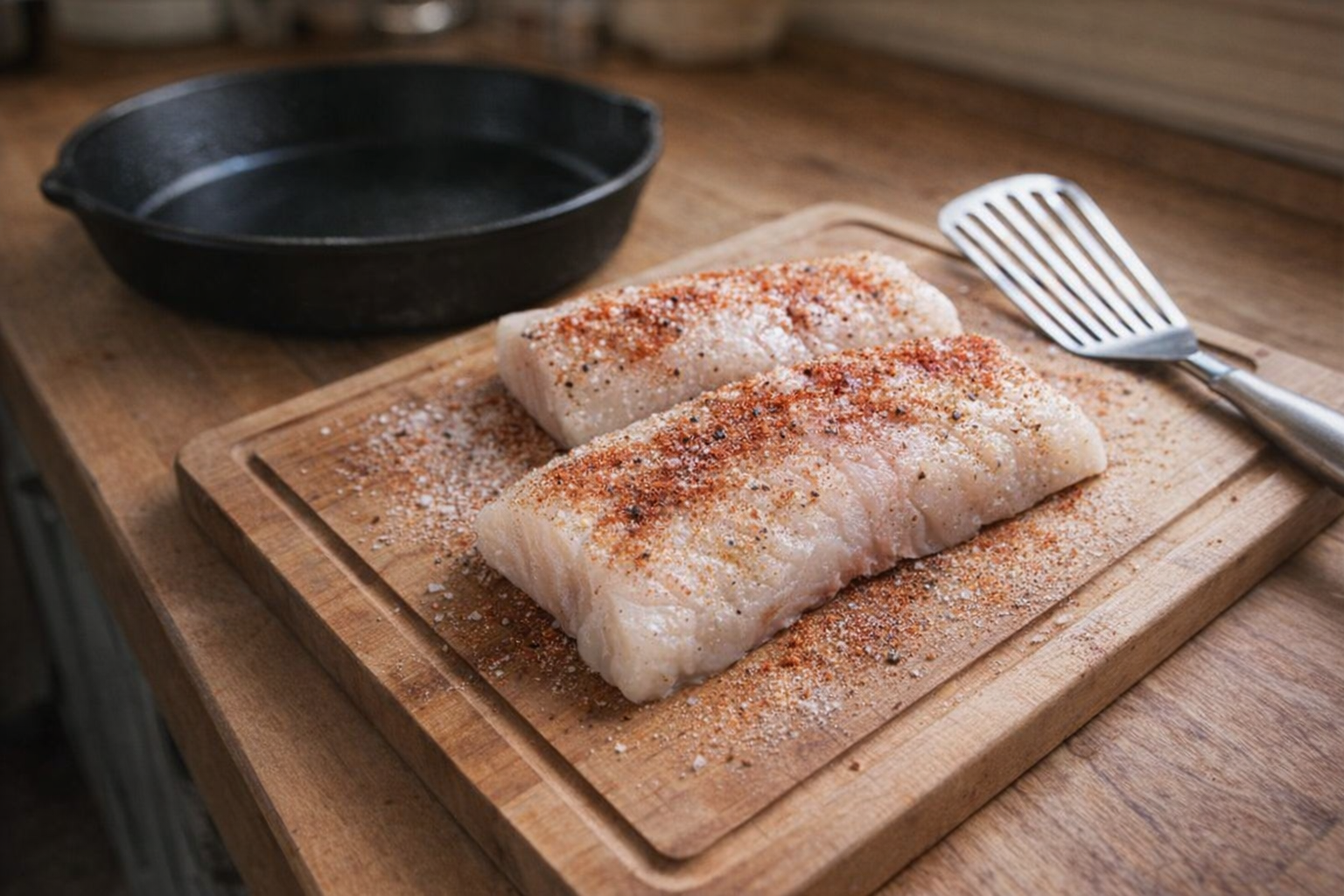
- Drying: Pat the fillets dry with paper towels. This is crucial for achieving a crisp sear. Excess moisture will steam the fish instead of browning it.
- Seasoning: Season the fillets generously with salt and pepper. Consider adding other spices like garlic powder, paprika, or herbs.
Essential Tools:
- Cast Iron Skillet or Heavy-Bottomed Pan: We use a cast iron skillet here for even heat distribution and excellent searing capabilities. A stainless steel or non-stick pan with a thick base will also work.
- Fish Spatula: A thin, flexible spatula designed for gently lifting and flipping delicate fish fillets without breaking them.
- Paper Towels: For drying the fish fillets thoroughly.
- Thermometer (Optional): An instant-read thermometer to ensure the fish is cooked to the correct internal temperature.
The Cooking Method(s)
Here are two methods for pan-frying fish fillets, one focusing on achieving crispy skin and the other suitable for skinless fillets.
Method 1: Crispy Skin Fish Fillets
Ingredients:
- Fish fillets (skin on): 6 oz (170g) per person
- Salt: 1 tsp
- Black Pepper: 1/2 tsp
- Olive Oil or Butter: 2 tbsp
- Lemon wedges (for serving)
Instructions:
- Prepare the Fish: Pat the fish fillets dry with paper towels and season generously with salt and pepper.
- Heat the Pan: Place a cast iron skillet or heavy-bottomed pan over medium-high heat. Add the olive oil or butter and let it heat until shimmering.
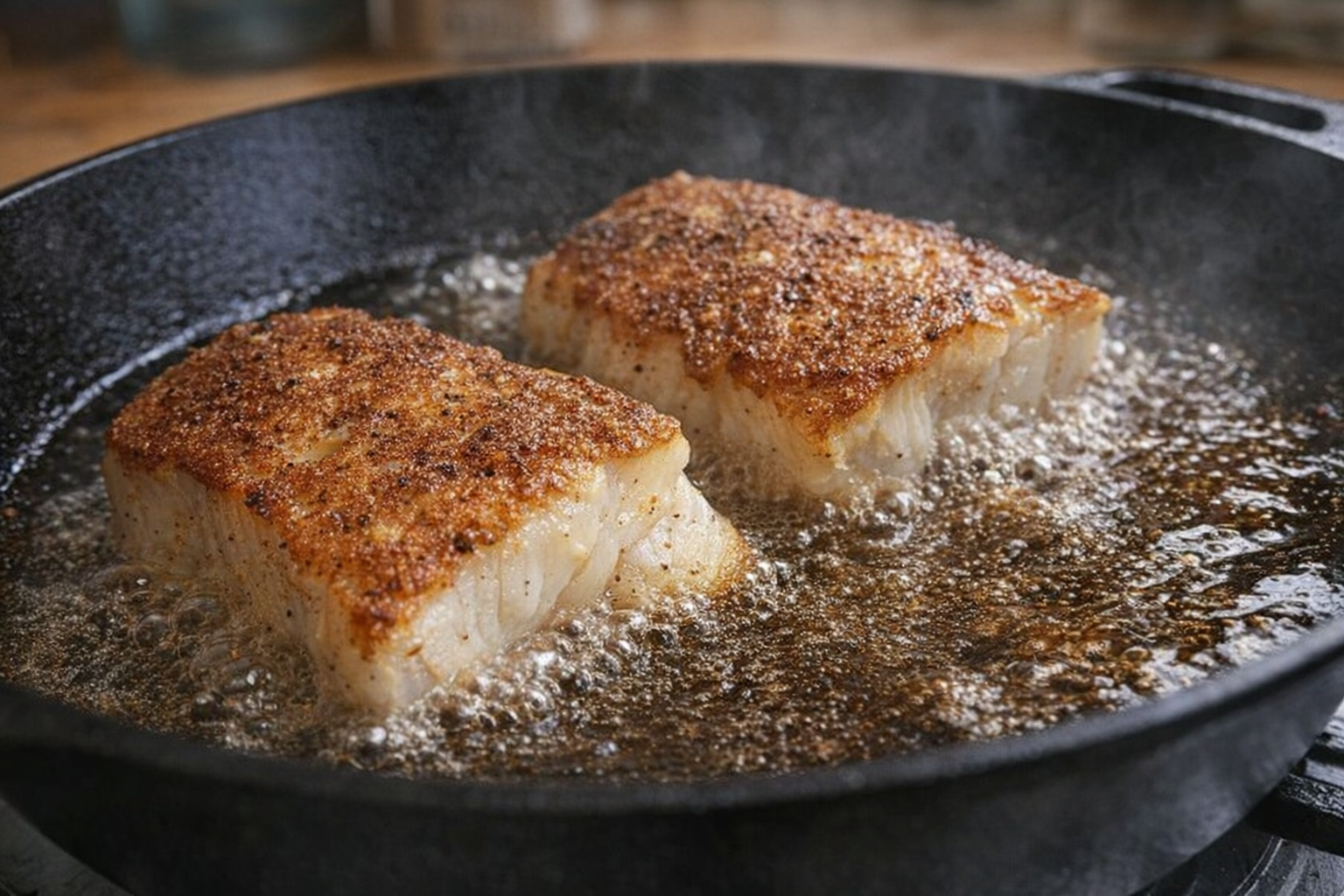
- Sear the Skin Side: Place the fish fillets skin-side down in the hot pan. Press gently with a spatula to ensure even contact with the pan. You should hear a sizzle as soon as the fish hits the pan.
- Cook Until Crispy: Cook for 4-6 minutes, or until the skin is golden brown and crispy. Avoid moving the fillets during this time to allow a good sear to develop. The smell will be rich and savory.
- Flip and Finish: Carefully flip the fillets with a fish spatula and cook for another 2-4 minutes, or until the fish is cooked through and flakes easily with a fork. The internal temperature should reach 145°F (63°C).
- Serve: Remove the fillets from the pan and serve immediately with lemon wedges.
Method 2: Skinless Fish Fillets
Ingredients:
- Fish fillets (skinless): 6 oz (170g) per person
- Salt: 1 tsp
- Black Pepper: 1/2 tsp
- Olive Oil or Butter: 2 tbsp
- Lemon wedges (for serving)
Instructions:
- Prepare the Fish: Pat the fish fillets dry with paper towels and season generously with salt and pepper.
- Heat the Pan: Place a cast iron skillet or heavy-bottomed pan over medium-high heat. Add the olive oil or butter and let it heat until shimmering.
- Sear the First Side: Place the fish fillets in the hot pan. You should hear a sizzle as soon as the fish hits the pan.
- Cook Until Golden: Cook for 3-5 minutes, or until the first side is golden brown. Avoid moving the fillets during this time to allow a good sear to develop. The smell will be rich and savory.
- Flip and Finish: Carefully flip the fillets with a fish spatula and cook for another 2-4 minutes, or until the fish is cooked through and flakes easily with a fork. The internal temperature should reach 145°F (63°C).
- Serve: Remove the fillets from the pan and serve immediately with lemon wedges.
Cooking Time & Doneness Guide:
- White Fish: Typically requires 6-8 minutes total cooking time, depending on thickness.
- Oily Fish: May require slightly longer, 8-10 minutes total.
- Internal Temperature: The fish is done when it reaches an internal temperature of 145°F (63°C).
Visual Cues:
- Flaking: The fish should easily flake apart with a fork.
- Opaque Color: The flesh should be opaque throughout, not translucent.
Tips for Perfection:
- Don't Overcrowd the Pan: Cook the fillets in batches to maintain the pan's temperature and ensure even browning. Overcrowding will lower the pan temperature and steam the fish.
- Use High Heat: Medium-high heat is essential for achieving a good sear.
- Resist the Urge to Move the Fish: Let the fish sear undisturbed for the recommended time before flipping. This allows a crispy crust to form.
- Don't Overcook: Fish continues to cook after being removed from the pan. Err on the side of slightly undercooked for the most tender results.
Storage & Reheating:
- Storage: Store leftover fish fillets in an airtight container in the refrigerator for up to 2 days.
- Reheating: The best way to reheat pan-fried fish is in a preheated oven at 350°F (175°C) for 5-10 minutes, or until heated through. Avoid microwaving, as it can make the fish rubbery.
Serving Suggestions:
- With Roasted Vegetables: Serve with a side of roasted asparagus, broccoli, or Brussels sprouts.
- Over a Salad: Top a bed of mixed greens with the pan-fried fish and a light vinaigrette.
- As Fish Tacos: Flake the fish and use it as a filling for tacos with your favorite toppings.
- With Risotto: A creamy risotto provides a comforting and flavorful complement to the fish.
💡 Pro Tips
- Use a fish spatula for easy flipping and preventing breakage.
- Don't overcrowd the pan; cook the fish in batches to maintain proper heat and achieve optimal searing.
- After cooking, let the fish rest for a minute or two before serving to allow the juices to redistribute.
- For extra flavor, baste the fish with melted butter during the last minute of cooking.
- Ensure your pan is preheated properly before adding oil to prevent uneven cooking and sticking
Frequently Asked Questions
Yes, you can use frozen fish fillets. For best results, thaw them completely in the refrigerator overnight. Never thaw fish at room temperature, as this can promote bacterial growth. Pat the thawed fillets dry with paper towels before cooking to ensure a crisp sear.
Oils with a high smoke point are ideal for pan-frying fish. Good choices include avocado oil, grapeseed oil, or refined coconut oil. Olive oil can also be used, but be mindful of its lower smoke point. Butter adds great flavor but can burn easily, so consider using a combination of butter and oil.
Ensure the pan is properly heated and the oil is shimmering before adding the fish. Pat the fish fillets thoroughly dry with paper towels, as moisture is a major cause of sticking. Using a cast iron skillet or heavy-bottomed pan also helps with even heat distribution and reduces the likelihood of sticking.
The fish is done when it flakes easily with a fork and the flesh is opaque throughout. An instant-read thermometer is the most reliable way to check; the internal temperature should reach 145°F (63°C). Be careful not to overcook the fish, as it can become dry.