 delishing
How to Roast Tomatoes: A Comprehensive Guide to Oven, Stovetop, and More

Roasting tomatoes transforms their bright, acidic flavor into something deeply sweet and concentrated, unlocking a savory richness that elevates countless dishes. The heat coaxes out the natural sugars, caramelizing the edges and intensifying the tomato's essence. From the familiar comfort of tomato soup to vibrant salsas and decadent pasta sauces, mastering roasted tomatoes is a gateway to a world of flavor.
This guide will take you beyond a simple recipe, exploring various roasting methods – oven, stovetop, air fryer, sun-dried, and even fire-roasted – each offering a unique flavor profile and application. We'll delve into the nuances of choosing the right tomatoes, prepping them for optimal results, and offer professional tips to ensure consistently perfect roasted tomatoes every time.
Understanding Tomatoes
The world of tomatoes is vast, and selecting the right variety is crucial for successful roasting. Here's a breakdown of common types and their best uses:
- Roma & Plum Tomatoes: These are your workhorses. Meaty, with fewer seeds and less water content, they concentrate beautifully during roasting, making them ideal for sauces, soups, and salsas.
- Cherry & Grape Tomatoes: Their small size and naturally high sugar content make them perfect for quick roasting. They burst with flavor and are great for salads, pasta, or snacking.
- Campari Tomatoes: Known for their inherent sweetness and balanced acidity, Camparis roast exceptionally well, developing a rich, complex flavor.
- Avoid: Large, watery beefsteak tomatoes are generally not recommended for roasting as their high water content can lead to a soggy result.
Why Cook Tomatoes This Way?
- Versatility: Roasted tomatoes can be used in an array of dishes, from simple appetizers to complex sauces.
- Flavor Enhancement: Roasting intensifies the tomato's natural sweetness and umami, creating a richer, more satisfying flavor.
- Convenience: Roasting is largely hands-off, allowing you to prepare other parts of your meal while the tomatoes transform in the oven or on the stove.
Preparation (Mise en Place)
Proper preparation is key to achieving perfectly roasted tomatoes.
- Washing: Thoroughly wash the tomatoes under cool running water to remove any dirt or debris.
- Cutting: Depending on the size, cut the tomatoes accordingly:
- Large tomatoes: Halve or quarter them.
- Cherry/Grape tomatoes: Leave them whole.
- Drying: Pat the cut sides of the tomatoes dry with paper towels. This helps them caramelize instead of steaming.
Essential Tools
- Baking Sheet: A large, rimmed baking sheet is essential for oven roasting.
- Cast Iron Skillet (for Stovetop): Provides even heat distribution and excellent searing.
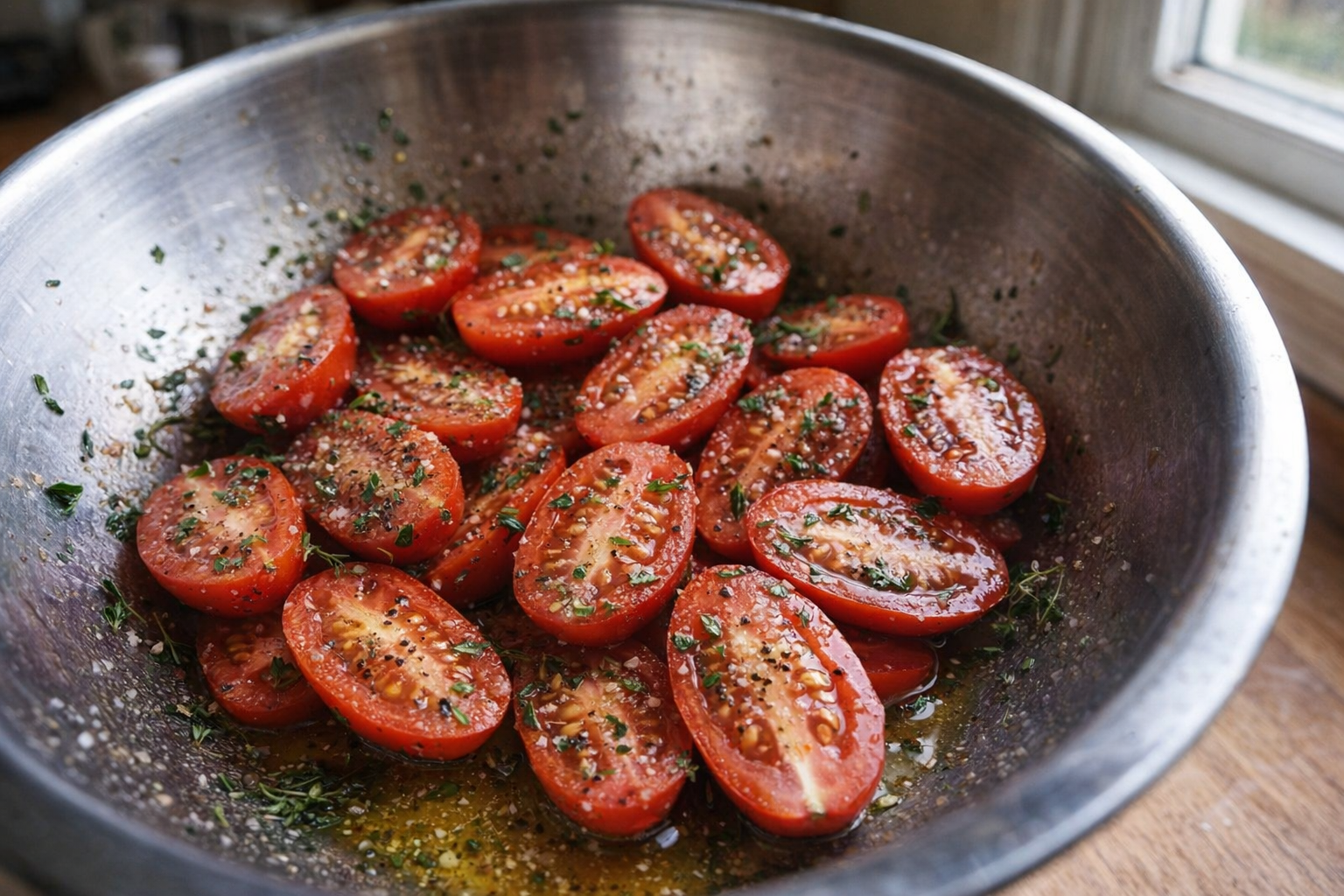
- Mixing Bowl: For tossing the tomatoes with oil and seasonings.
- Sharp Knife: A good chef's knife makes quick work of cutting the tomatoes.
The Cooking Methods
Method 1: Oven Roasting
Oven roasting is a reliable method for achieving evenly caramelized tomatoes with a concentrated flavor.
Ingredients:
- 2 lbs Roma tomatoes, halved (or 1 pint cherry tomatoes, whole)
- 2 tablespoons olive oil
- 1 teaspoon kosher salt
- 1/2 teaspoon black pepper
- 2 cloves garlic, minced (optional)
- 1 tablespoon fresh herbs (thyme, oregano, basil), chopped (optional)
- Preheat oven to 450°F (230°C). Ensure your oven is fully preheated for optimal results.
- In a large bowl, toss the tomatoes with olive oil, salt, pepper, garlic (if using), and herbs (if using). The tomatoes should be evenly coated with oil and seasonings. The aroma of fresh herbs mixing with the tomatoes will fill the air.
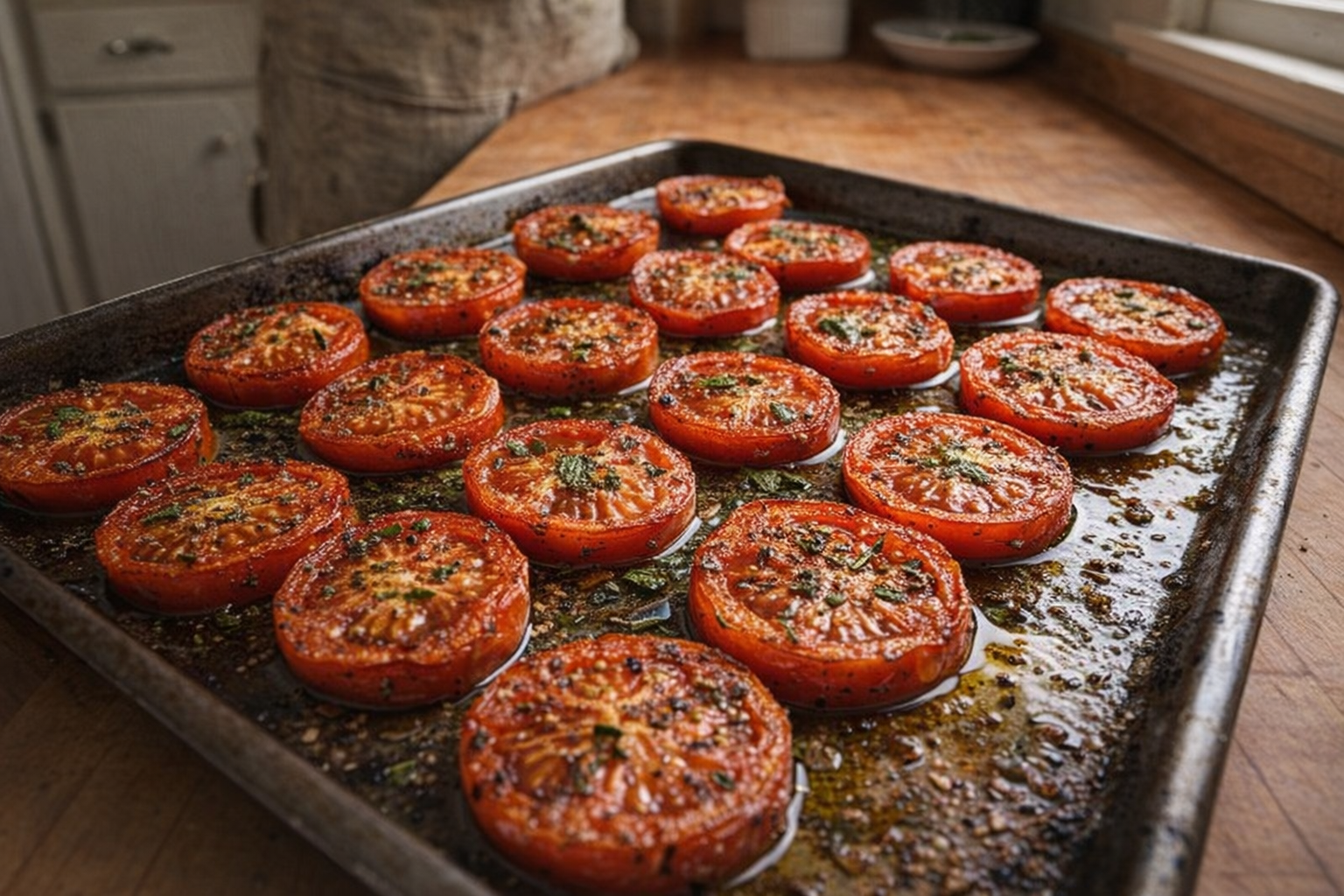
- Arrange the tomatoes cut-side up on a baking sheet in a single layer. Avoid overcrowding to ensure even caramelization.
- Roast for 30-40 minutes, or until the tomatoes are tender, slightly shriveled, and have caramelized edges. The kitchen will fill with the sweet, roasted aroma of tomatoes.
- Remove from oven and let cool slightly before serving. The tomatoes will continue to soften as they cool.
Method 2: Stovetop Roasting
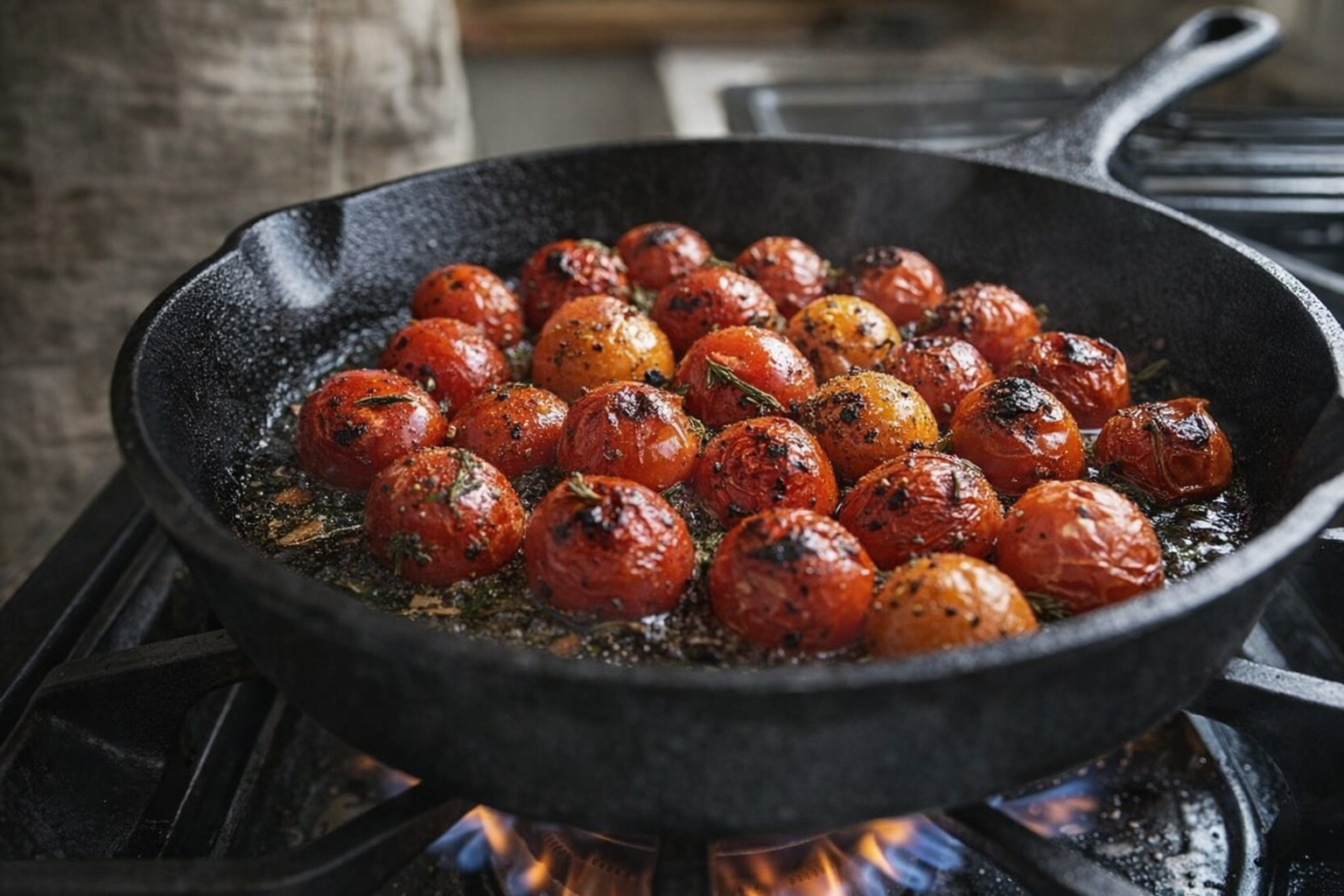
Stovetop roasting offers a quicker method for achieving charred, flavorful tomatoes with a slightly smoky note.
Ingredients:
- 1 lb cherry tomatoes, whole (or 2 large tomatoes, sliced)
- 1 tablespoon olive oil
- 1/4 teaspoon kosher salt
- 1/4 teaspoon black pepper
- Pinch of red pepper flakes (optional)
- Heat a cast iron skillet over medium-high heat until very hot. A drop of water should sizzle and evaporate almost immediately.
- Add olive oil to the skillet, swirling to coat the bottom. The oil should shimmer and slightly smoke.
- Add the tomatoes to the skillet in a single layer, ensuring they are not overcrowded. The tomatoes should sizzle upon contact with the hot pan.
- Cook for 3-4 minutes per side, or until the tomatoes are charred and softened. The tomatoes will release their juices as they cook, creating a flavorful sauce.
- Sprinkle with salt, pepper, and red pepper flakes (if using). The salt will draw out more moisture from the tomatoes, intensifying their flavor.
- Remove from heat and let cool slightly before serving. The tomatoes will have a slightly smoky, charred flavor.
Cooking Time & Doneness Guide
Oven Roasting:
- Roma tomatoes: 30-40 minutes at 450°F (230°C)
- Cherry tomatoes: 25-30 minutes at 450°F (230°C)
Stovetop Roasting:
- Cherry tomatoes: 8-10 minutes total (3-4 minutes per side)
- Sliced tomatoes: 10-12 minutes total (4-6 minutes per side)
Visual Cues
- The tomatoes should be tender and slightly shriveled.
- The edges should be caramelized and slightly browned.
- The skins may be blistered or split.
- The tomatoes should yield easily to gentle pressure.
Tips for Perfection
- Don't overcrowd the pan: Overcrowding will cause the tomatoes to steam instead of roast. Use multiple pans if necessary.
- Use high heat: High heat is essential for caramelization.
- Pat tomatoes dry: Removing excess moisture will help them caramelize.
- Don't skip the olive oil: Olive oil helps the tomatoes roast evenly and prevents them from sticking to the pan.
Storage & Reheating
- Storage: Store leftover roasted tomatoes in an airtight container in the refrigerator for up to 5 days.
- Reheating: Reheat roasted tomatoes in a skillet over medium heat, in the oven at 350°F (175°C), or in the microwave.
Serving Suggestions
- Pasta Sauce: Blend roasted tomatoes into a rich and flavorful pasta sauce.
- Tomato Soup: Add roasted tomatoes to your favorite tomato soup recipe for a deeper flavor.
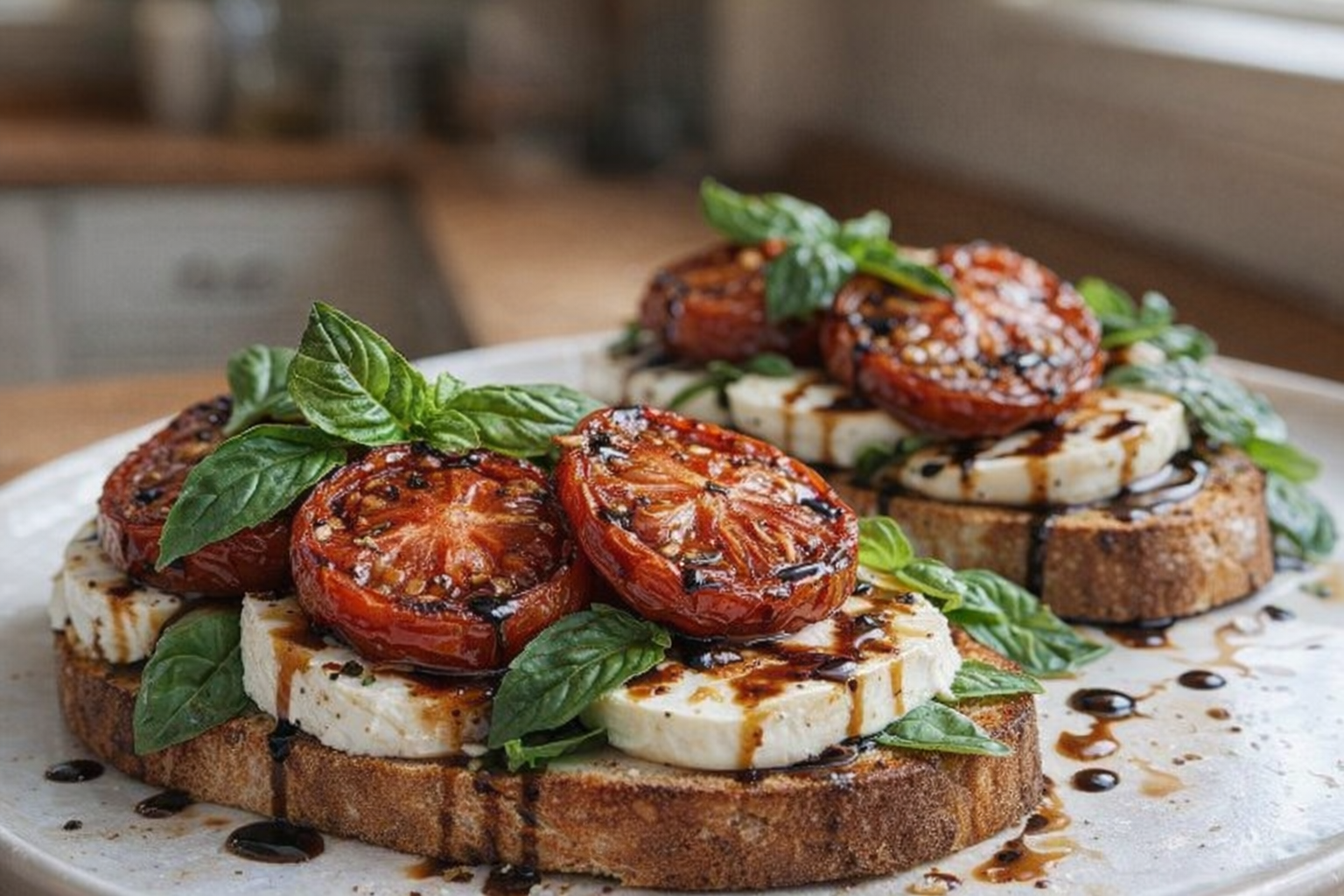
- Bruschetta: Top toasted bread with roasted tomatoes, fresh basil, and balsamic glaze.
- Pizza Topping: Use roasted tomatoes as a topping for homemade pizza.
💡 Pro Tips
- Arrange tomato halves cut-side up on a parchment-lined baking sheet to prevent sticking and to trap the flavorful juices as they concentrate.
- For the best flavor concentration, choose meaty varieties like Roma or plum tomatoes and remove excess seeds before roasting.
- Roast until the skins are wrinkled and slightly charred around the edges to ensure the natural sugars have fully caramelized.
- Toss the tomatoes with a high-smoke point oil and whole garlic cloves to infuse the fruit with aromatic depth during the roasting process.
- If using an air fryer, roast the tomatoes in a single layer at 400°F for about 10-12 minutes to achieve a quick char without overcooking the centers.
Frequently Asked Questions
While fresh tomatoes are preferred, you can roast frozen tomatoes. Thaw them first and drain off any excess liquid before roasting to prevent them from becoming too watery. You may need to increase the roasting time slightly.
Roasted tomatoes pair well with a variety of herbs and spices. Consider using fresh basil, oregano, thyme, or rosemary for a classic Mediterranean flavor. Garlic powder, onion powder, red pepper flakes, or a pinch of smoked paprika can also add depth and complexity.
Roasted tomatoes will typically last for 3-5 days in the refrigerator when stored properly in an airtight container. Ensure they have cooled completely before refrigerating to prevent condensation from forming, which can shorten their shelf life.
If your roasted tomatoes are too acidic, try adding a pinch of sugar or a drizzle of balsamic vinegar towards the end of the roasting process. The sweetness will help balance the acidity and enhance the overall flavor.