 delishing
How to Roast Vegetables in the Oven for Maximum Flavor and Texture

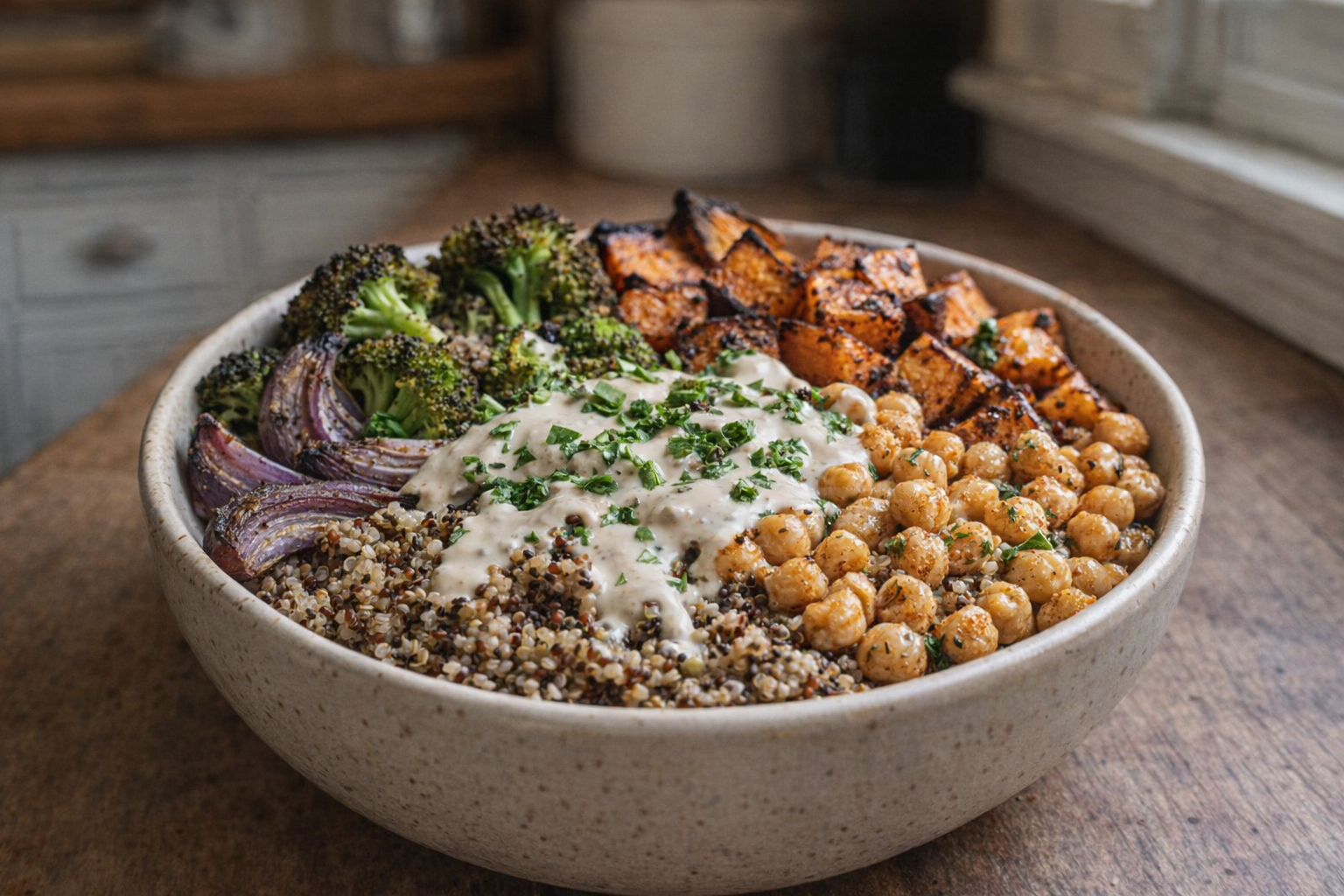
Roasted vegetables offer a symphony of flavors, from the earthy sweetness of root vegetables to the slightly bitter, caramelized notes of cruciferous greens. Roasting coaxes out natural sugars, intensifying their inherent tastes and creating a satisfying textural contrast – tender interiors and slightly crisp exteriors. This method works because high heat promotes browning reactions (Maillard reaction) on the surface, developing complex and deeply savory notes that steaming or boiling simply can't achieve.
Roasting is more than just a hands-off cooking method; it's a transformation. It elevates simple vegetables into something truly special. The key is understanding how different vegetables react to heat and moisture, allowing you to create a balanced and harmonious medley of flavors and textures. With a few simple techniques, you can master the art of perfectly roasted vegetables.
Understanding Your Vegetables
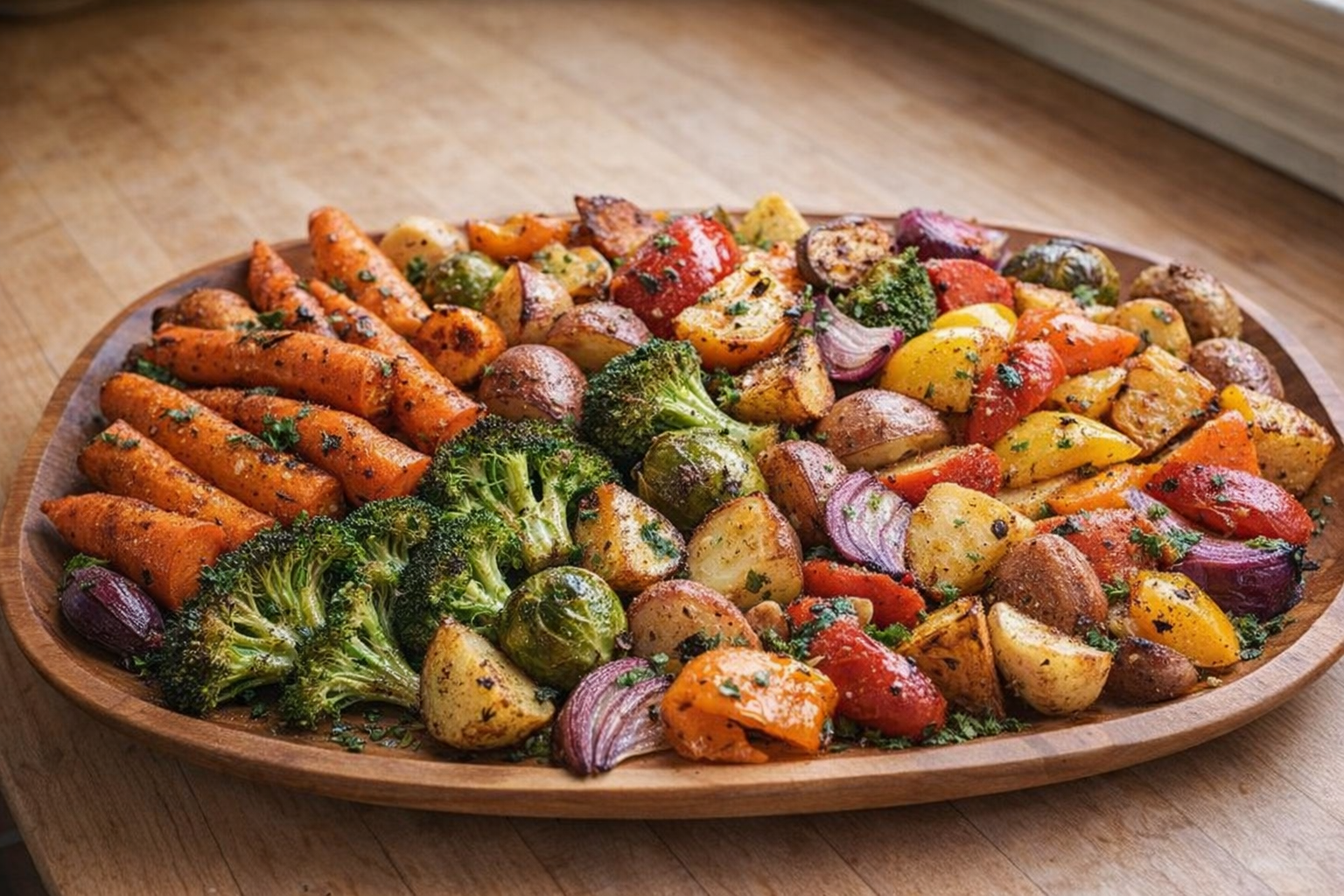
The world of vegetables is vast and diverse, and understanding their individual characteristics is crucial for successful roasting.
- Root Vegetables (Potatoes, Carrots, Beets, Turnips): These are dense and require a longer cooking time. Look for firm, unblemished specimens. Smaller, younger carrots and beets tend to be sweeter.
- Cruciferous Vegetables (Brussels Sprouts, Broccoli, Cauliflower): These vegetables can become bitter if overcooked. Choose tight, compact heads or sprouts.
- Squash (Butternut, Acorn, Delicata): Look for squash that feels heavy for its size. The skin should be firm and without soft spots.
- Onions: Opt for firm onions with dry, papery skins. Red onions offer a milder, slightly sweeter flavor than yellow onions.
Why Cook Vegetables This Way?
- Versatility: Roast almost any vegetable. Mix and match according to your preferences and what's in season.
- Flavor: Roasting brings out the natural sweetness and savory notes of vegetables, creating a depth of flavor that other cooking methods can't match.
- Convenience: It's a largely hands-off cooking method. Once prepped and in the oven, you can focus on other tasks.
Preparation (Mise en Place)
Proper preparation is key to achieving evenly roasted vegetables.
- Washing: Thoroughly wash all vegetables to remove any dirt or debris.
- Peeling (Optional): Peel root vegetables like carrots and beets if desired. Butternut squash can be tricky; microwaving it for a few minutes softens the skin for easier peeling. Potatoes are often best with their skins on for added nutrients and texture.
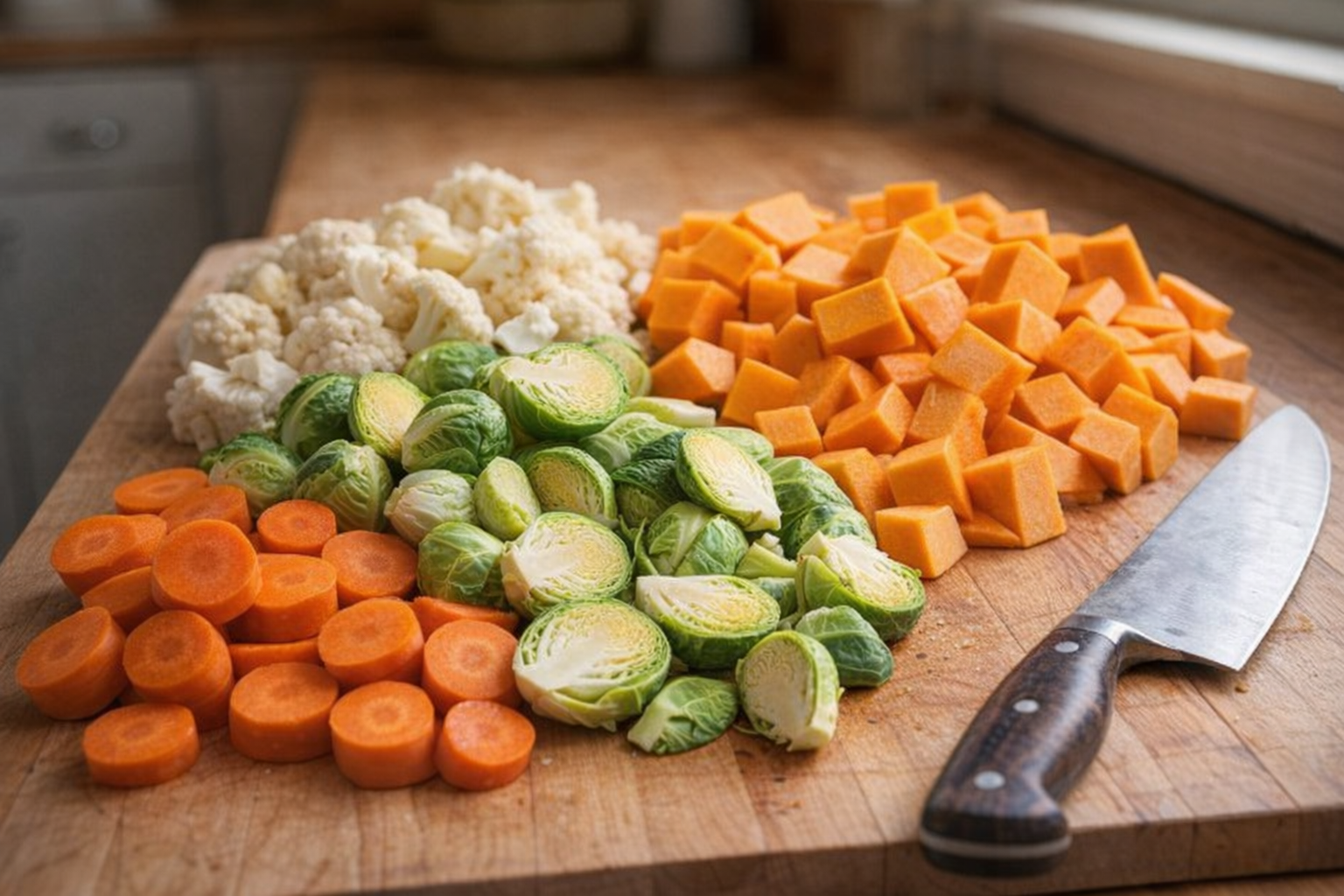
- Cutting: Cut vegetables into uniform pieces, approximately 1-inch in size. This ensures they cook at the same rate. Smaller pieces will cook faster, while larger pieces will take longer. Remember that vegetables shrink during roasting, so don't cut them too small.
- Drying: Pat the vegetables dry with paper towels after washing. Excess moisture will steam the vegetables instead of roasting them, resulting in a soggy texture.
Essential Tools
- Large Baking Sheet(s): A large baking sheet with a rim is essential to prevent vegetables from rolling off and to allow for even heat distribution. Using two baking sheets may be necessary to avoid overcrowding.
- Parchment Paper or Silicone Baking Mat: Lining your baking sheet with parchment paper or a silicone mat prevents sticking and makes cleanup a breeze.
- Large Bowl: A large bowl is needed for tossing the vegetables with oil and seasonings.
- Sharp Knife and Cutting Board: A sharp knife is crucial for efficient and safe vegetable preparation.
The Cooking Method(s)
Method 1: Single-Batch Roasting (Most Common)
This method is best for when you want to roast a mix of vegetables with similar cooking times.
Ingredients:
- 2-3 tablespoons extra-virgin olive oil (30-45ml)
- 2 cups Brussels sprouts, halved (approx. 200g)
- 2 cups butternut squash, cubed (approx. 250g)
- 2 cups cauliflower florets (approx. 200g)
- 1 to 2 turnips, 1-inch pieces (approx. 150g)
- 1 red onion, wedged (approx. 100g)
- 2 carrots, cut into 1-inch chunks (approx. 100g)
- 1 cup red radishes, halved (approx. 100g)
- 1-1.5 cups cubed or quartered potatoes (approx. 150g)
- Salt and pepper to taste
- Apple cider vinegar (optional)
- Fresh herbs -2 tablespoons rosemary or sage leaves, chopped (optional)
- Preheat the oven to 425°F (220°C). High heat is essential for caramelization and crisping. Listen for the oven to reach the desired temperature – a faint hum or click indicates it's ready.
- Prepare the Vegetables: Wash, peel (if desired), and cut the vegetables into uniform, 1-inch pieces. Hear the satisfying thump as the knife hits the cutting board.
- Toss with Oil and Seasonings: In a large bowl, toss the vegetables with olive oil, salt, and pepper. Ensure that each piece is evenly coated. Feel the slight resistance of the vegetables as you toss them.
- Arrange on Baking Sheet: Spread the vegetables in a single layer on the prepared baking sheet. Avoid overcrowding to ensure even roasting. See the vibrant colors of the vegetables spread across the sheet.
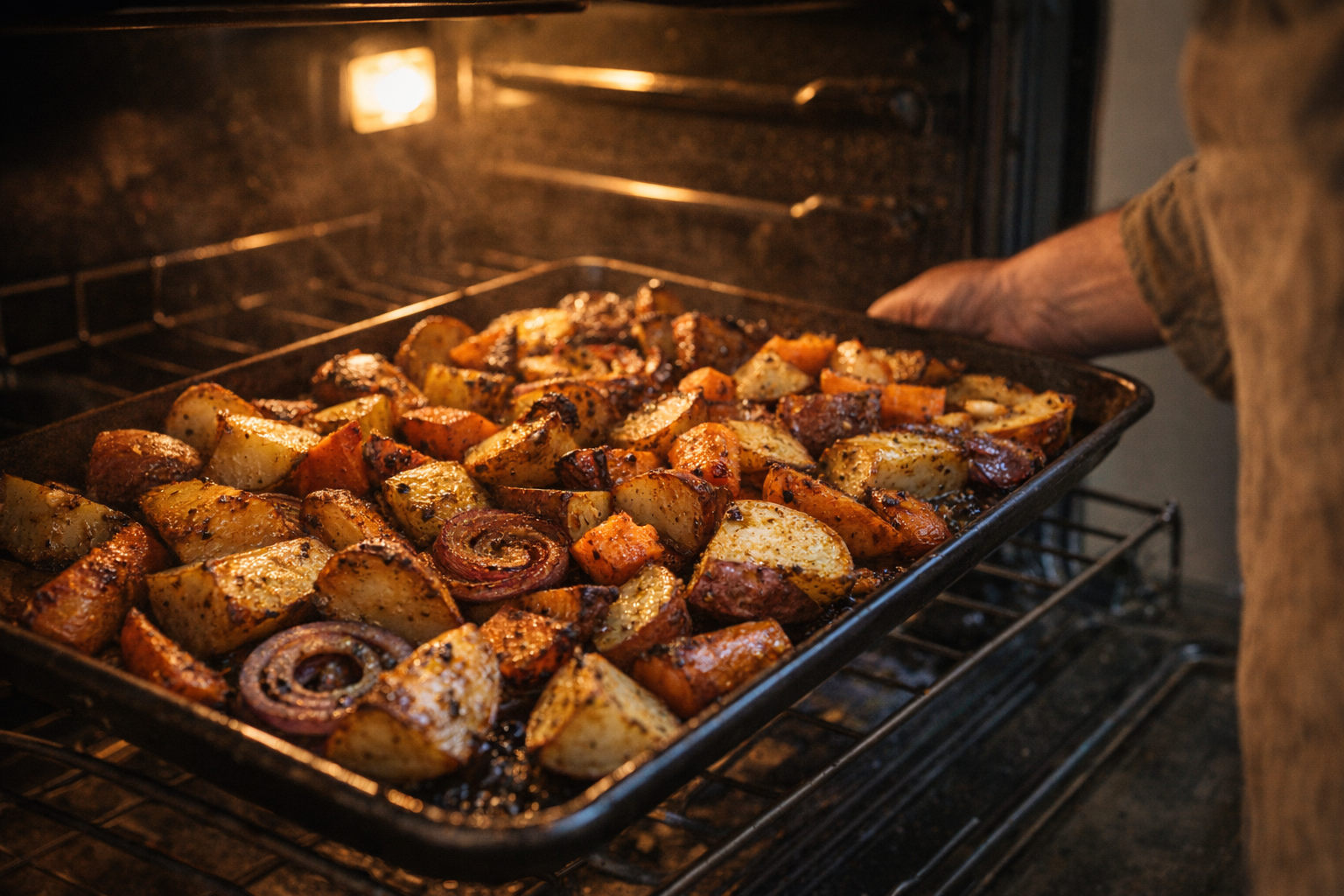
- Roast: Roast for 20-40 minutes, or until the vegetables are tender and slightly browned, flipping halfway through. Smell the earthy aroma of the roasting vegetables filling your kitchen.
- Optional: Add Finishing Touches: Remove from oven and toss with chopped fresh herbs and/or a splash of apple cider vinegar for added flavor. See the steam rising as you toss the vegetables.
- Serve Immediately.
Method 2: Staggered Roasting (For Uneven Cooking Times)
This method is best when roasting a mix of vegetables with significantly different cooking times (e.g., root vegetables with delicate greens).
- Follow steps 1-3 from Method 1.
- Place root vegetables (potatoes, carrots, beets) on the baking sheet first. Roast for 15-20 minutes.
- Add quicker-cooking vegetables (broccoli, cauliflower, Brussels sprouts) to the baking sheet.
- Continue roasting for another 15-20 minutes, or until all vegetables are tender and slightly browned.
- Follow steps 6-7 from Method 1.
Cooking Time & Doneness Guide
- Root Vegetables: 30-45 minutes at 425°F (220°C)
- Cruciferous Vegetables: 15-25 minutes at 425°F (220°C)
- Squash: 20-60 minutes at 425°F (220°C)
Visual Cues
- Color: The vegetables should be golden brown and slightly caramelized around the edges.
- Texture: They should be tender when pierced with a fork, but not mushy.
Tips for Perfection
- Don't Overcrowd the Pan: Overcrowding will cause the vegetables to steam instead of roast. Use two baking sheets if necessary.
- Use Enough Oil: Olive oil helps the vegetables crisp up and prevents them from sticking to the pan.
- Season Generously: Salt and pepper enhance the natural flavors of the vegetables. Don't be afraid to experiment with other herbs and spices.
- Flip Halfway Through: Flipping ensures that the vegetables cook evenly on all sides.
Storage & Reheating
- Storage: Store leftover roasted vegetables in an airtight container in the refrigerator for up to 3-4 days.
- Reheating: Reheat in a 350°F (175°C) oven for 10-15 minutes, or until heated through. Microwaving can make them soggy.
Serving Suggestions
- Grain Bowl: Serve over quinoa or brown rice with a drizzle of tahini dressing.
- Salad Topping: Add to a bed of mixed greens with your favorite vinaigrette.
- Pizza Topping: Use as a topping for homemade or store-bought pizza.
- Side Dish: Serve alongside grilled chicken, fish, or tofu.
💡 Pro Tips
- Cut your vegetables into uniform sizes to ensure every piece cooks at the same rate and finishes simultaneously.
- Avoid overcrowding the baking sheet by leaving space between pieces, which prevents steaming and promotes a crispy, caramelized exterior.
- Toss the vegetables thoroughly in a high-smoke point oil to facilitate even heat distribution and better browning.
- Preheat your baking sheet in the oven before adding the vegetables to jumpstart the searing process the moment they touch the pan.
- Arrange vegetables with their cut sides facing down to maximize contact with the hot surface and achieve deep, savory caramelization.
Frequently Asked Questions
Sogginess is usually caused by overcrowding the pan, which steams the vegetables instead of roasting them. Make sure to spread the vegetables in a single layer with enough space between them for air to circulate, and ensure your oven is preheated to the correct temperature.
Yes, you can roast frozen vegetables, but they will release more moisture, so it's crucial to pat them dry before roasting. Consider increasing the oven temperature slightly and giving them more space on the pan to encourage browning, and expect a slightly longer cooking time.
Roasted vegetables generally last for 3-4 days in the refrigerator. Store them in an airtight container to maintain their quality and prevent them from absorbing odors from other foods.
Oils with a high smoke point are best for roasting vegetables to prevent them from burning or developing an off-flavor. Good choices include avocado oil, grapeseed oil, or refined coconut oil, as these can withstand high heat without breaking down.