 delishing
How to Roast a Leg of Lamb with Gravy: A Comprehensive Guide

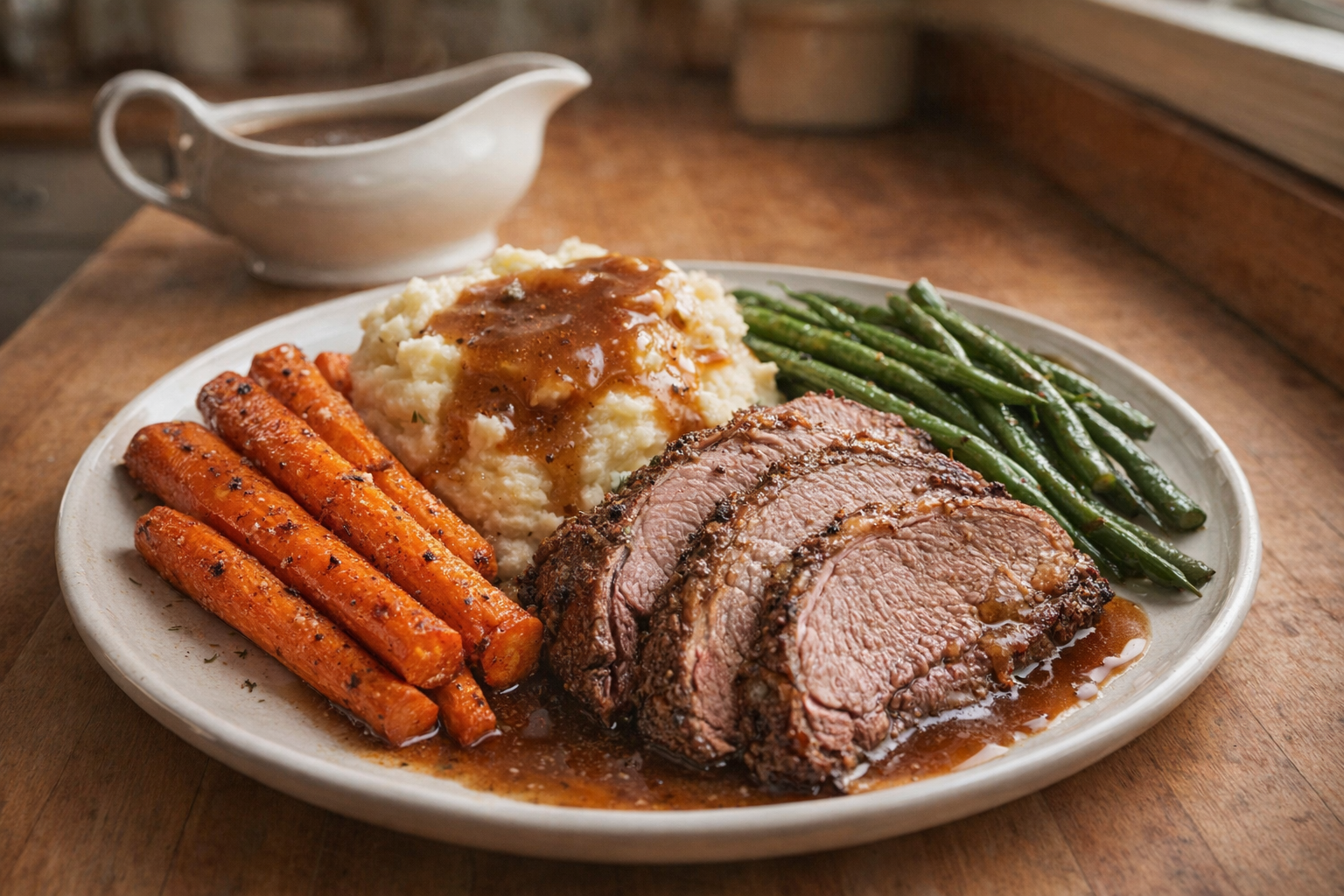
The aroma of a perfectly roasted leg of lamb, infused with garlic and herbs, is a culinary experience in itself. This guide will walk you through the process of achieving a tender, flavorful roast with a rich, savory gravy that elevates the dish to another level. We'll focus on techniques that ensure even cooking and maximum flavor penetration, transforming a simple cut of meat into a centerpiece worthy of any special occasion.
Roasting a leg of lamb isn't just about cooking meat; it's about coaxing out the natural richness of the lamb and complementing it with carefully chosen aromatics. The high heat initially sears the surface, creating a flavorful crust, while the subsequent lower temperature gently cooks the interior to the desired doneness. The pan drippings, infused with the essence of lamb, garlic, and herbs, form the foundation of a truly exceptional gravy.
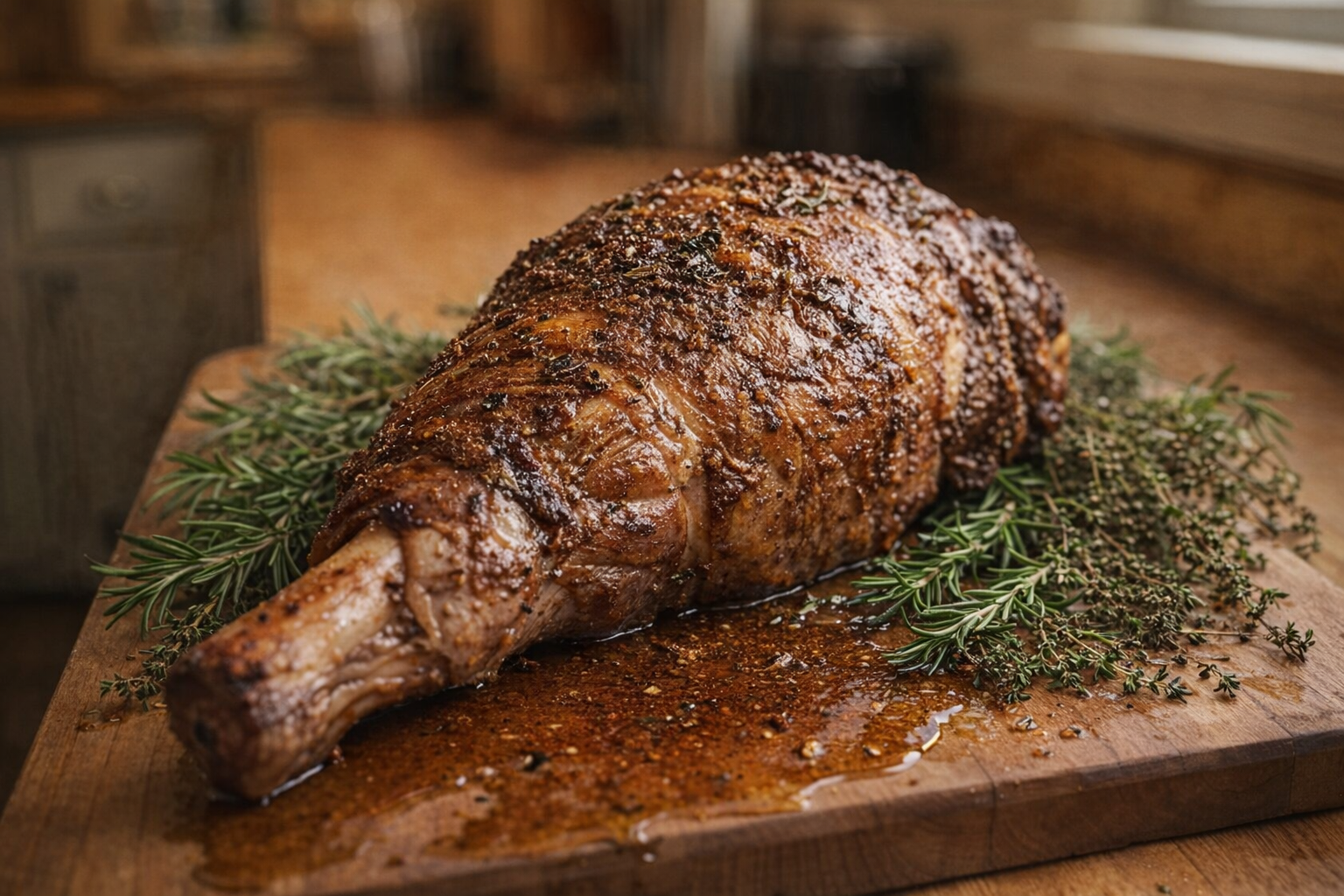
Understanding Lamb Leg
When purchasing a leg of lamb, you'll typically find two main types: bone-in and boneless. Bone-in legs tend to be more flavorful due to the bone marrow contributing richness during cooking. They also cook more evenly. Boneless legs are easier to carve but might require tying to maintain a uniform shape. Look for lamb with a good amount of marbling (flecks of fat within the muscle), as this will render during cooking, resulting in a more tender and juicy roast. Freshness is key; choose lamb that has a bright pink color and a firm texture. Avoid lamb that appears dull or has an off-putting odor.
Why Cook Lamb This Way?
- Flavor: Roasting allows the lamb's natural flavors to develop and intensify, enhanced by the aromatics and resulting in rich pan drippings for the gravy.
- Versatility: Roasted lamb can be served hot as a main course or cold in sandwiches and salads.
- Convenience: While the roasting process takes time, it requires minimal active effort, making it ideal for entertaining.
Preparation (Mise en Place)
Preparing the lamb leg properly is crucial for even cooking and flavor infusion.
- Thawing: If frozen, thaw the lamb leg completely in the refrigerator for 24-48 hours, depending on its size. Never thaw at room temperature.
- Patting Dry: Pat the lamb leg thoroughly dry with paper towels. This helps the surface to brown properly during roasting.
- Scoring (Optional): For a more pronounced crust, you can lightly score the fat cap in a crosshatch pattern. Be careful not to cut into the meat.
Essential Tools
- Roasting Pan with Rack: A roasting pan with a rack allows for even heat circulation around the lamb, preventing the bottom from becoming soggy.
- Meat Thermometer: A reliable meat thermometer is essential for accurately gauging the internal temperature and ensuring the lamb is cooked to your desired doneness.
- Sharp Knife: A sharp knife is needed for making incisions for garlic and herbs.
- Basting Spoon: A basting spoon or brush is useful for applying pan juices during roasting.
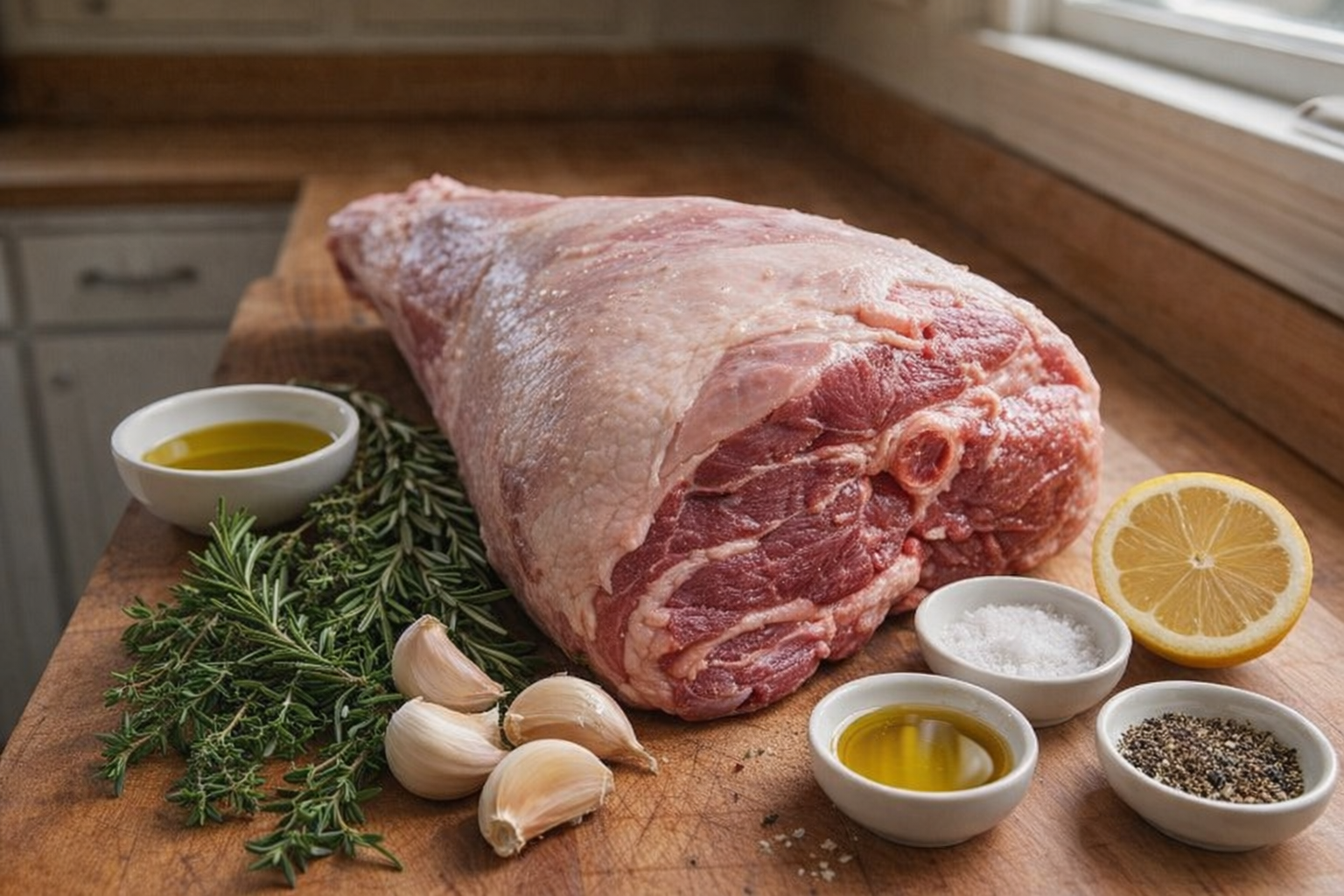
The Cooking Method(s)
Method 1: Classic Roasted Lamb Leg
Ingredients:
- 1 bone-in leg of lamb (2.5-3 kg / 5.5-6.6 lbs)
- 6-8 cloves garlic, thinly sliced
- 4-5 sprigs fresh rosemary
- 4-5 sprigs fresh thyme
- 3-4 tablespoons olive oil
- 2 teaspoons salt, or to taste
- 1 teaspoon freshly ground black pepper, or to taste
- Juice of 1 lemon
- Optional: 1-2 carrots, chopped; 1-2 onions, chopped; 2-3 celery stalks, chopped
- Preheat oven to 180°C (350°F). Place the chopped carrots, onions, and celery (if using) in the bottom of the roasting pan. These will add flavor to the pan drippings.
- Using a sharp knife, make small incisions all over the lamb leg. Insert a slice of garlic and a small sprig of rosemary and thyme into each incision. The aroma of the garlic and herbs will begin to fill your kitchen.
- In a small bowl, combine olive oil, salt, pepper, and lemon juice. Rub this mixture all over the lamb leg, ensuring it's evenly coated. The lamb should glisten slightly from the oil.
- Place the seasoned lamb leg on top of the vegetables in the roasting pan. Insert a meat thermometer into the thickest part of the lamb, avoiding bone contact.
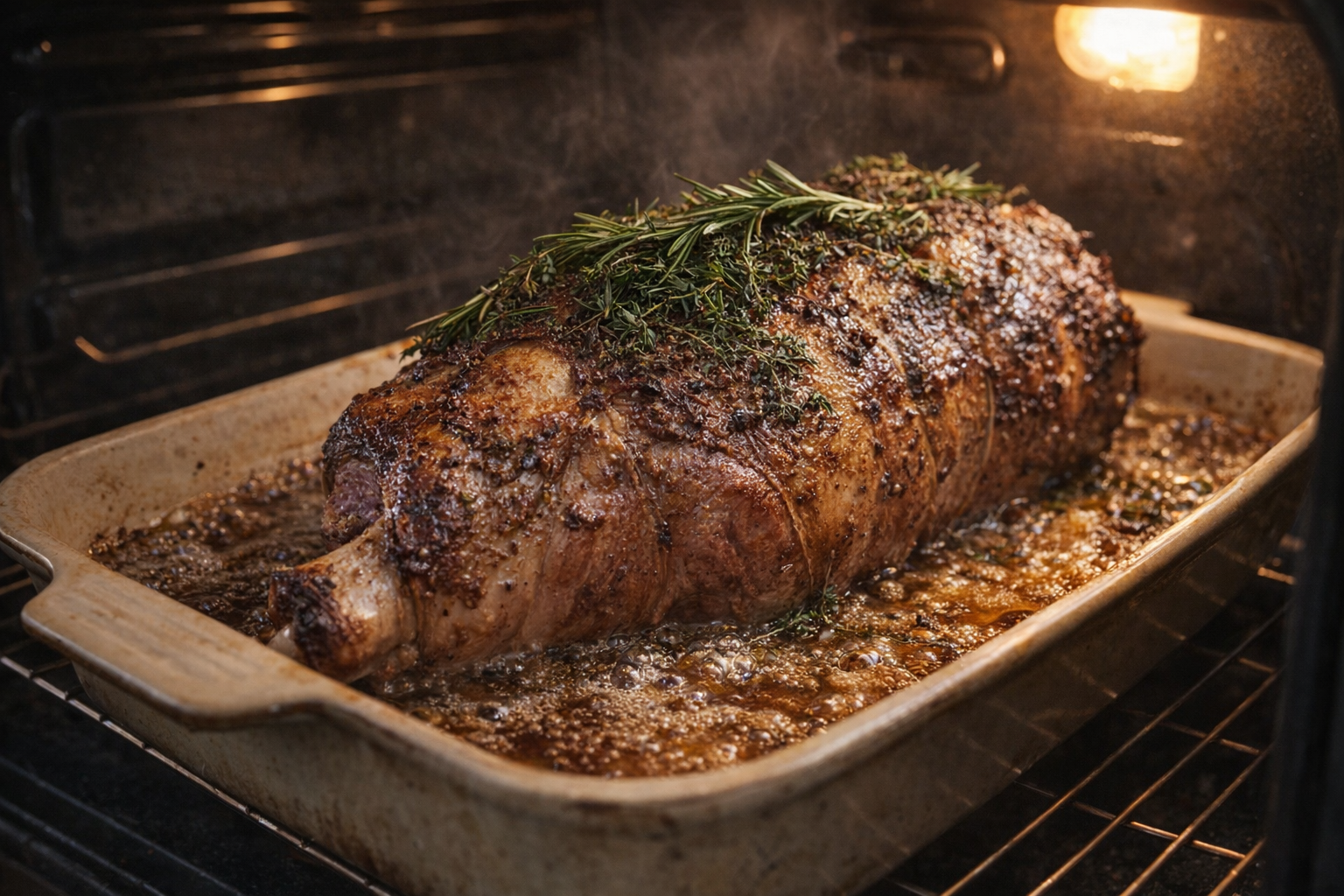
- Roast in the preheated oven for approximately 1.5 to 2 hours, or until the internal temperature reaches your desired doneness (see Cooking Time & Doneness Guide below). Every 30 minutes, baste the lamb with the juices from the bottom of the pan. The kitchen will fill with a savory, herbaceous aroma.
- Once the lamb reaches the desired internal temperature, remove it from the oven and cover it loosely with aluminum foil. Let it rest for 15-20 minutes before carving. This allows the juices to redistribute, resulting in a more tender roast.
Cooking Time & Doneness Guide
- Rare: 54-57°C (130-135°F)
- Medium-Rare: 60-63°C (140-145°F)
- Medium: 65-68°C (150-155°F)
- Medium-Well: 71-74°C (160-165°F)
- Well-Done: 77°C (170°F) and above (Not recommended, as the lamb will be dry)
Visual Cues
Besides using a thermometer, you can also gauge doneness by the appearance of the juices. When pierced with a fork, the juices should run clear for medium doneness. If the juices are still pink or red, the lamb needs more time.
Tips for Perfection
- Don't Overcrowd the Pan: Make sure the lamb leg has enough space in the roasting pan. Overcrowding can lead to uneven cooking.
- Use Fresh Herbs: Fresh herbs provide a more vibrant flavor than dried herbs.
- Rest is Key: Letting the lamb rest after roasting is essential for retaining moisture and tenderness. Don't skip this step.
- Deglaze the Pan Properly: When making the gravy, ensure you scrape up all the browned bits from the bottom of the pan to maximize flavor.
Storage & Reheating
Store leftover roasted lamb in an airtight container in the refrigerator for up to 3-4 days. To reheat, slice the lamb and place it in a baking dish with a little pan drippings or broth. Cover with foil and heat in a preheated oven at 160°C (325°F) until warmed through. Alternatively, you can reheat the lamb in a skillet over medium heat, adding a little broth to prevent it from drying out.
Serving Suggestions
- Classic Roast Dinner: Serve with roasted potatoes, vegetables (carrots, parsnips, green beans), and Yorkshire pudding.
- Lamb Sandwiches: Use leftover lamb to make delicious sandwiches with crusty bread, lettuce, tomato, and a dollop of mint sauce or horseradish cream.
- Greek Salad with Lamb: Top a Greek salad with slices of cold roasted lamb for a flavorful and protein-packed meal.
- Lamb Shepherd's Pie: Transform leftover lamb into a hearty shepherd's pie by topping it with mashed potatoes and baking until golden brown.
💡 Pro Tips
- Use a meat thermometer to pull the lamb at 135°F for medium-rare, as the temperature will rise during the resting phase.
- Cut small slits across the surface of the meat and insert slivers of fresh garlic to ensure the aromatics penetrate deep into the roast.
- Begin roasting at a high temperature to sear the exterior and develop a flavorful crust before reducing the heat for even internal cooking.
- Whisk flour into the pan drippings and slowly incorporate hot stock to create a smooth, lump-free gravy with concentrated lamb flavor.
- Let the roasted lamb rest for at least twenty minutes before carving to allow the juices to redistribute for a more tender result.
Frequently Asked Questions
If you don't have a roasting rack, you can create a makeshift one by layering thick slices of onion, carrots, and celery at the bottom of the roasting pan. This will elevate the lamb and allow for better air circulation, preventing the bottom from becoming soggy.
Yes, you can substitute dried herbs for fresh, but use about one-third the amount. Dried herbs are more concentrated in flavor than fresh, so adjust accordingly to avoid overpowering the lamb.
Leftover roasted lamb should be stored in an airtight container in the refrigerator for up to 3-4 days. Make sure to cool the lamb down completely before storing to prevent bacterial growth.
While it's best to thaw the lamb in the refrigerator, if you're short on time, you can try the cold water method. Place the lamb in a leak-proof bag and submerge it in a large bowl of cold water, changing the water every 30 minutes. This method is faster but requires more attention.