 delishing
How to Season Salmon: 17 Expert Spice Blends for Perfect Flavor

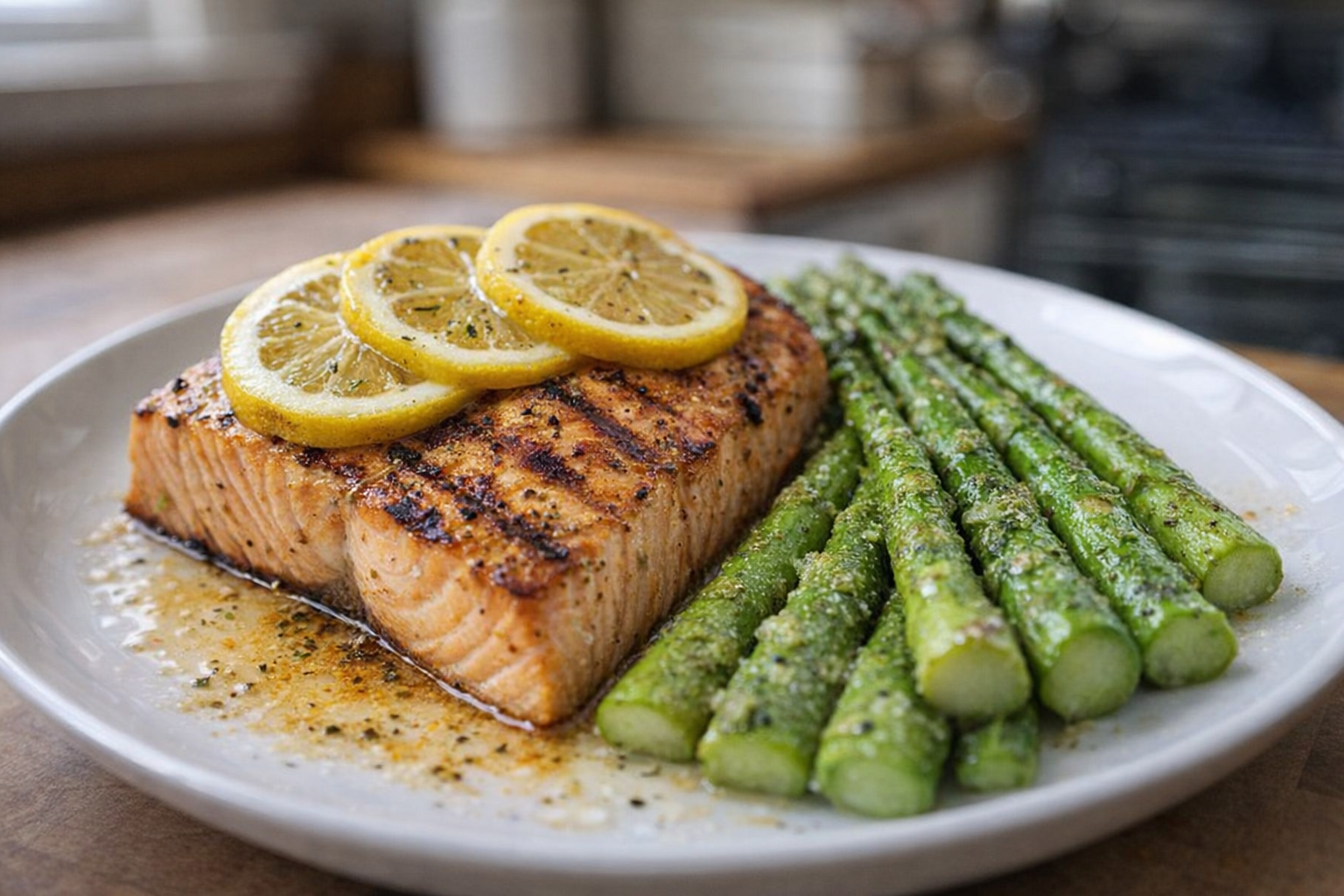
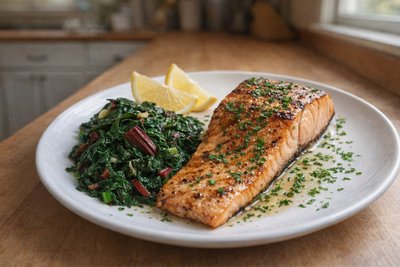
Salmon, with its rich, oily flesh, is a blank canvas ready to absorb a world of flavors. But the key to transforming a simple fillet into a culinary masterpiece lies in understanding how to season it properly. These aren't just recipes; they are curated flavor profiles designed to elevate your salmon dishes, from subtle and herbaceous to bold and spicy.
This guide dives deep into seventeen unique salmon seasoning blends, offering both classic and adventurous options. We'll explore the specific ingredients, explain why they work, and provide tips to ensure your salmon is perfectly seasoned every time. Forget bland, boring fish – prepare for an explosion of flavor!
Understanding Salmon: Your Guide to Varieties and Buying
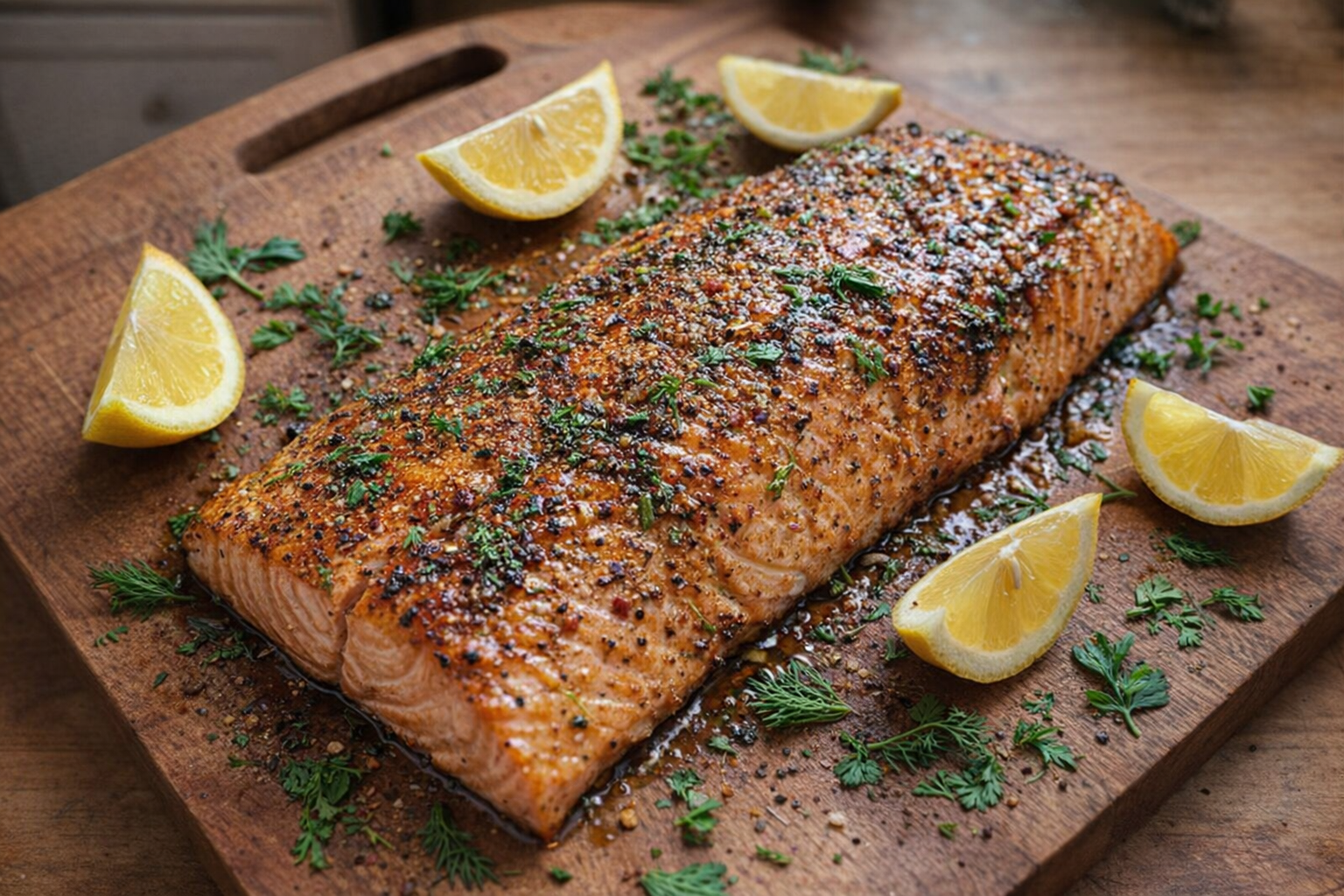
Before we jump into seasoning, it's crucial to understand the salmon itself. Different types of salmon have varying levels of fat content and distinct flavor profiles. Here's a quick breakdown:
- King (Chinook) Salmon: Highest in fat, richest flavor. Best for grilling and searing.
- Sockeye Salmon: Deep red color, strong flavor. Excellent for smoking or baking.
- Coho Salmon: Mild flavor, medium fat content. Versatile for most cooking methods.
- Pink Salmon: Pale color, delicate flavor. Often canned, but good for budget-friendly dishes.
- Atlantic Salmon: Farmed salmon, generally milder flavor and higher fat content. Widely available.
Why Season Salmon This Way?
- Versatility: Salmon readily absorbs flavors, making it ideal for a wide range of cuisines and seasoning combinations.
- Flavor Enhancement: Proper seasoning accentuates the salmon's natural flavors, creating a more complex and satisfying dish.
- Convenience: Many of these seasoning blends can be made ahead of time and stored for quick and easy weeknight meals.
Preparation (Mise en Place): Essential Steps Before Seasoning
Before you even think about reaching for the spice rack, there are a few crucial steps to take:
- Thawing (If Frozen): The best way to thaw salmon is in the refrigerator overnight. For a quicker thaw, place the sealed fillet in a bowl of cold water. Change the water every 30 minutes until thawed. Never thaw salmon at room temperature.
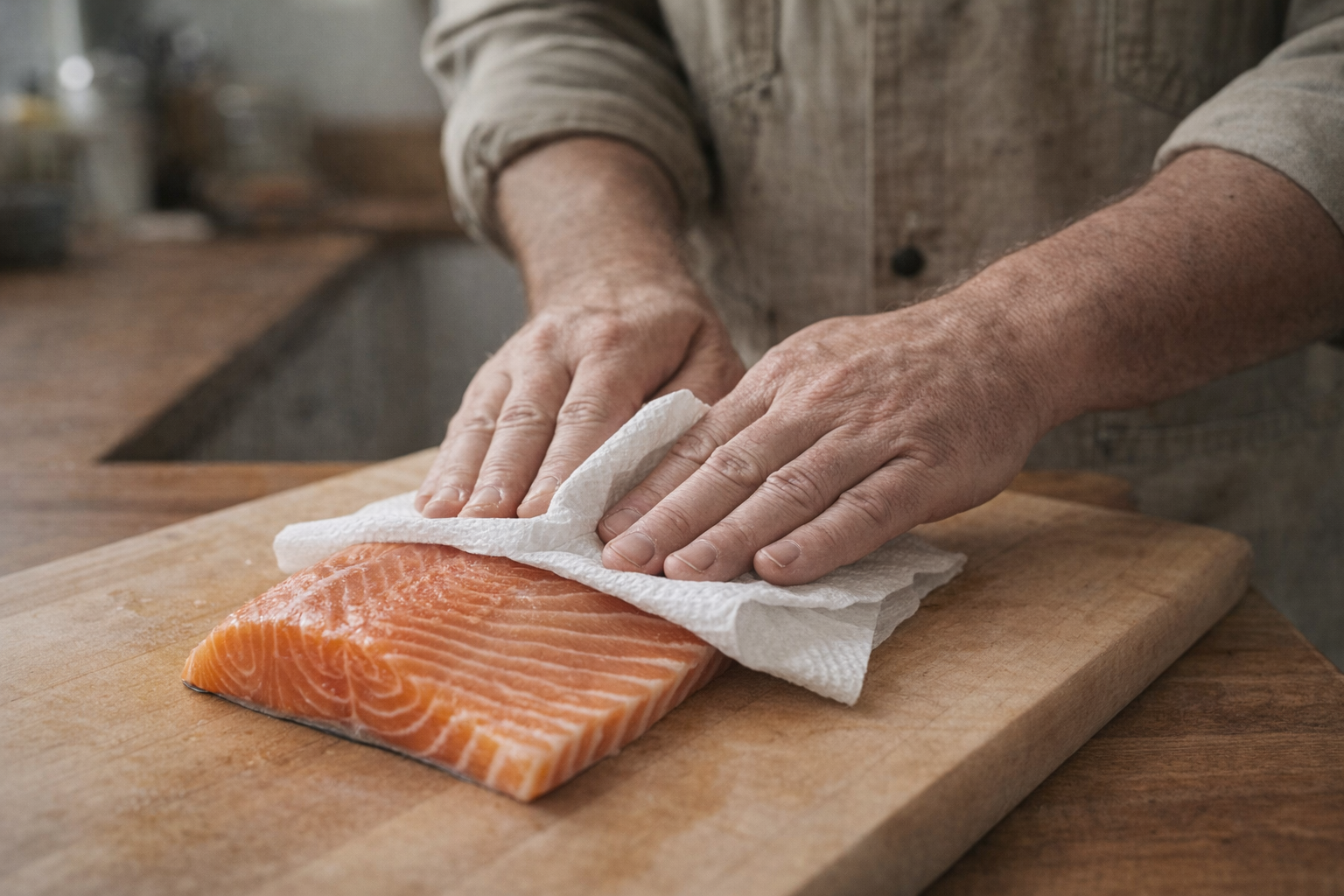
- Patting Dry: Use paper towels to thoroughly pat the salmon fillets dry. This is essential for achieving a good sear or crust. Excess moisture will steam the fish instead of allowing it to brown.
- Removing Pin Bones (Optional): Run your fingers along the surface of the fillet to feel for any pin bones. Use tweezers or needle-nose pliers to gently pull them out.
Essential Tools
- Small Bowls: For mixing the spice blends.
- Measuring Spoons: Ensuring accurate measurements is crucial for consistent flavor.
- Paper Towels: For patting the salmon dry.
- Baking Sheet (for baking): Provides a stable surface for even cooking.
- Cast Iron Skillet (for searing): Retains heat well, perfect for a crispy crust.
- Grill (for grilling): Adds a smoky flavor.
- Meat Thermometer: Ensure salmon is cooked to a safe internal temperature.
The Cooking Methods: Mastering Salmon with Flavor
Now, let's dive into some specific seasoning blends and how to use them:
Method 1: Lemon Herb Salmon Rub
This classic blend is light, bright, and perfect for showcasing the natural flavor of salmon.
Ingredients: (For 4 fillets)- 2 tbsp (30ml) dried dill
- 2 tbsp (30ml) lemon zest, finely grated
- 1 tbsp (15ml) garlic powder
- 1 tsp (5ml) salt
- ½ tsp (2.5ml) black pepper
- In a small bowl, combine all ingredients.
- Pat salmon fillets dry with paper towels.
- Generously rub the lemon herb mixture onto both sides of the salmon.
- For Baking: Preheat oven to 400°F (200°C). Place salmon on a baking sheet lined with parchment paper. Bake for 12-15 minutes, or until the internal temperature reaches 145°F (63°C). The aroma of lemon and dill will fill your kitchen.
- For Grilling: Preheat grill to medium-high heat. Place salmon skin-side down on the grill grates. Grill for 4-6 minutes per side, or until the internal temperature reaches 145°F (63°C) and the salmon flakes easily with a fork. Listen for the sizzle as the salmon hits the hot grill.
Method 2: Cajun Salmon Seasoning
For those who crave a bold, spicy kick, this Cajun blend is the perfect choice.
Ingredients: (For 4 fillets)- 2 tbsp (30ml) paprika
- 1 tbsp (15ml) garlic powder
- 1 tbsp (15ml) onion powder
- 1 tbsp (15ml) dried oregano
- 1 tsp (5ml) cayenne pepper
- 1 tsp (5ml) salt
- 1 tsp (5ml) black pepper
- In a small bowl, combine all ingredients.
- Pat salmon fillets dry with paper towels.
- Generously rub the Cajun seasoning onto both sides of the salmon, pressing firmly to adhere.
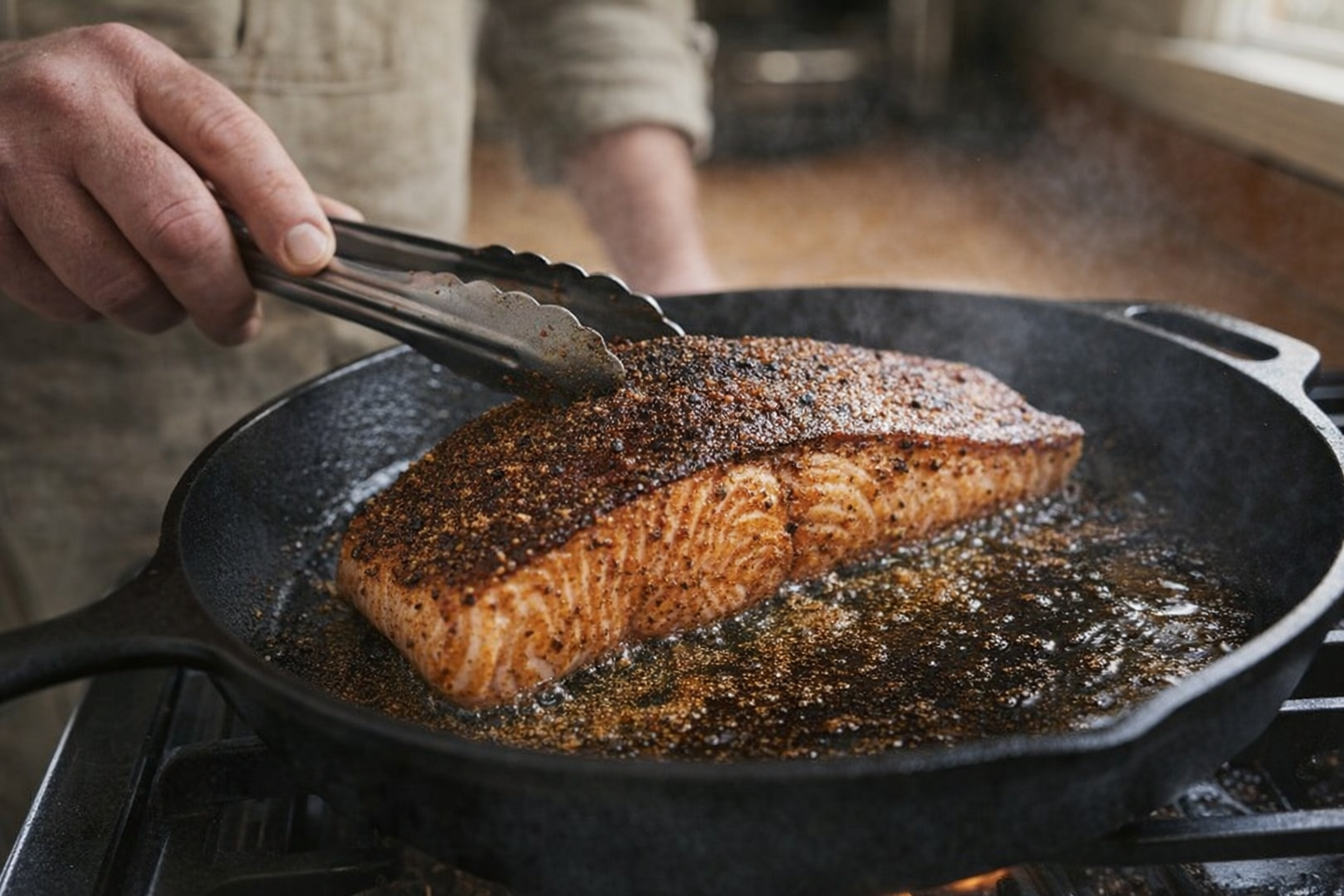
- For Pan-Searing: Heat 1 tablespoon of oil (such as canola or vegetable oil) in a cast iron skillet over medium-high heat until shimmering. Place salmon skin-side down in the hot skillet. Sear for 4-5 minutes, or until the skin is crispy and golden brown. Flip and cook for another 3-4 minutes, or until the internal temperature reaches 145°F (63°C). The kitchen will fill with the warm, spicy aroma of Cajun spices.
Method 3: Mediterranean Salmon Blend
Transport yourself to the sun-drenched shores of the Mediterranean with this aromatic and flavorful blend.
- 1 tbsp (15ml) dried oregano
- 1 tbsp (15ml) dried basil
- 1 tsp (5ml) garlic powder
- 1 tsp (5ml) onion powder
- 1 tsp (5ml) dried thyme
- ½ tsp (2.5ml) salt
- ¼ tsp (1.25ml) black pepper
- In a small bowl, combine all ingredients.
- Pat salmon fillets dry with paper towels.
- Generously rub the Mediterranean blend onto both sides of the salmon.
- For Baking: Preheat oven to 375°F (190°C). Place salmon on a baking sheet lined with parchment paper. Drizzle with olive oil. Bake for 12-15 minutes, or until the internal temperature reaches 145°F (63°C). The fragrant herbs will infuse the salmon with a delightful Mediterranean flavor.
Cooking Time & Doneness Guide: Ensuring Perfectly Cooked Salmon
- Internal Temperature: The USDA recommends cooking salmon to an internal temperature of 145°F (63°C). Use a meat thermometer inserted into the thickest part of the fillet to check for doneness.
Visual Cues
The salmon should be opaque and flake easily with a fork. The flesh should no longer appear translucent.
Tips for Perfection: Avoiding Common Mistakes
- Don't Overcook: Salmon dries out easily, so be careful not to overcook it.
- Use Fresh Herbs (If Possible): Fresh herbs will always provide a brighter, more vibrant flavor than dried herbs.
- Adjust Seasoning to Taste: Feel free to adjust the amount of seasoning to your personal preference.
- Let it Rest: After cooking, let the salmon rest for a few minutes before serving. This allows the juices to redistribute, resulting in a more tender and flavorful piece of fish.
Storage & Reheating: Preserving Flavor and Texture
- Storage: Store leftover cooked salmon in an airtight container in the refrigerator for up to 3 days.
- Reheating: The best way to reheat salmon is in a low oven (275°F/135°C) or in a skillet over low heat. Avoid microwaving, as it can dry out the fish.
Serving Suggestions: Elevating Your Salmon Dish
- Lemon Herb Salmon: Serve with roasted vegetables, quinoa, and a lemon-dill sauce.
- Cajun Salmon: Pair with creamy grits, coleslaw, and cornbread.
- Mediterranean Salmon: Serve with a Greek salad, pita bread, and tzatziki sauce.
- As a Sandwich: Flake leftover salmon and mix it with mayonnaise, celery, and onion for a delicious salmon salad sandwich.
💡 Pro Tips
- Pat the salmon fillets completely dry with paper towels before applying any spices to ensure the skin crisps up and the seasoning adheres well.
- Apply your chosen spice blend immediately before cooking to prevent salt from drawing out moisture and toughening the delicate fish.
- Lightly coat the salmon in oil or melted butter before seasoning to help the spices stick and create an even flavor distribution.
- Press the dry rub firmly into the flesh of the fish with your fingers to build a flavorful crust that won't fall off during searing.
- Use a meat thermometer to pull the salmon off the heat when it reaches 125-130°F for a moist, flaky texture that complements the spices.
Frequently Asked Questions
Yes, you can substitute dried herbs for fresh, but remember that dried herbs have a more concentrated flavor. Generally, use about 1 teaspoon of dried herbs for every tablespoon of fresh herbs called for in the recipe.
Homemade seasoning blends can be stored in an airtight container in a cool, dark place for up to 6 months. Be sure to label the container with the date you made the blend to keep track of its freshness.
Feel free to make substitutions based on what you have on hand and your flavor preferences. For example, if a recipe calls for smoked paprika and you only have sweet paprika, you can add a tiny pinch of smoked salt to mimic the smoky flavor.
Make sure your pan is properly preheated before adding the salmon, and use a sufficient amount of oil or butter. Patting the salmon dry before searing is also crucial for achieving a good sear and preventing sticking.