 delishing
How to Season Steak: A Step-by-Step Guide

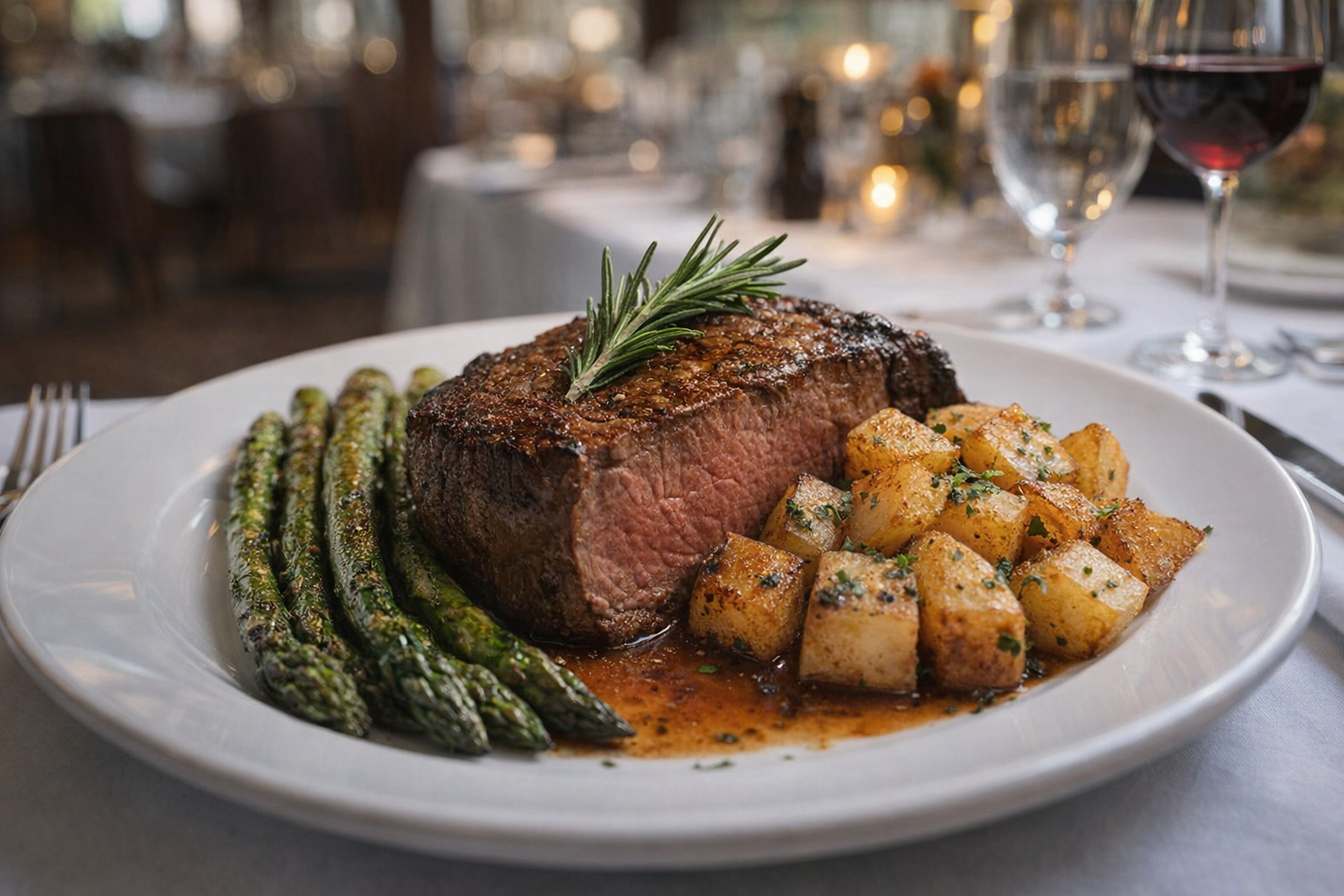
A truly exceptional steak hinges on proper seasoning. It's not merely an afterthought, but rather a foundational element that unlocks the meat's inherent flavors. A simple combination of salt and pepper, when applied correctly, can elevate a humble cut into a culinary masterpiece. The key is understanding how these seasonings interact with the steak at a molecular level, transforming the proteins and creating a symphony of savory goodness.
This guide provides a comprehensive approach to steak seasoning, moving beyond basic instructions to explain the "why" behind each step. We'll delve into the science of salting, the nuances of spice rubs, and the importance of timing, ensuring that every steak you prepare rivals the best steakhouses. Prepare to master the art of seasoning and unlock the full potential of your steak.
Understanding Steak Cuts
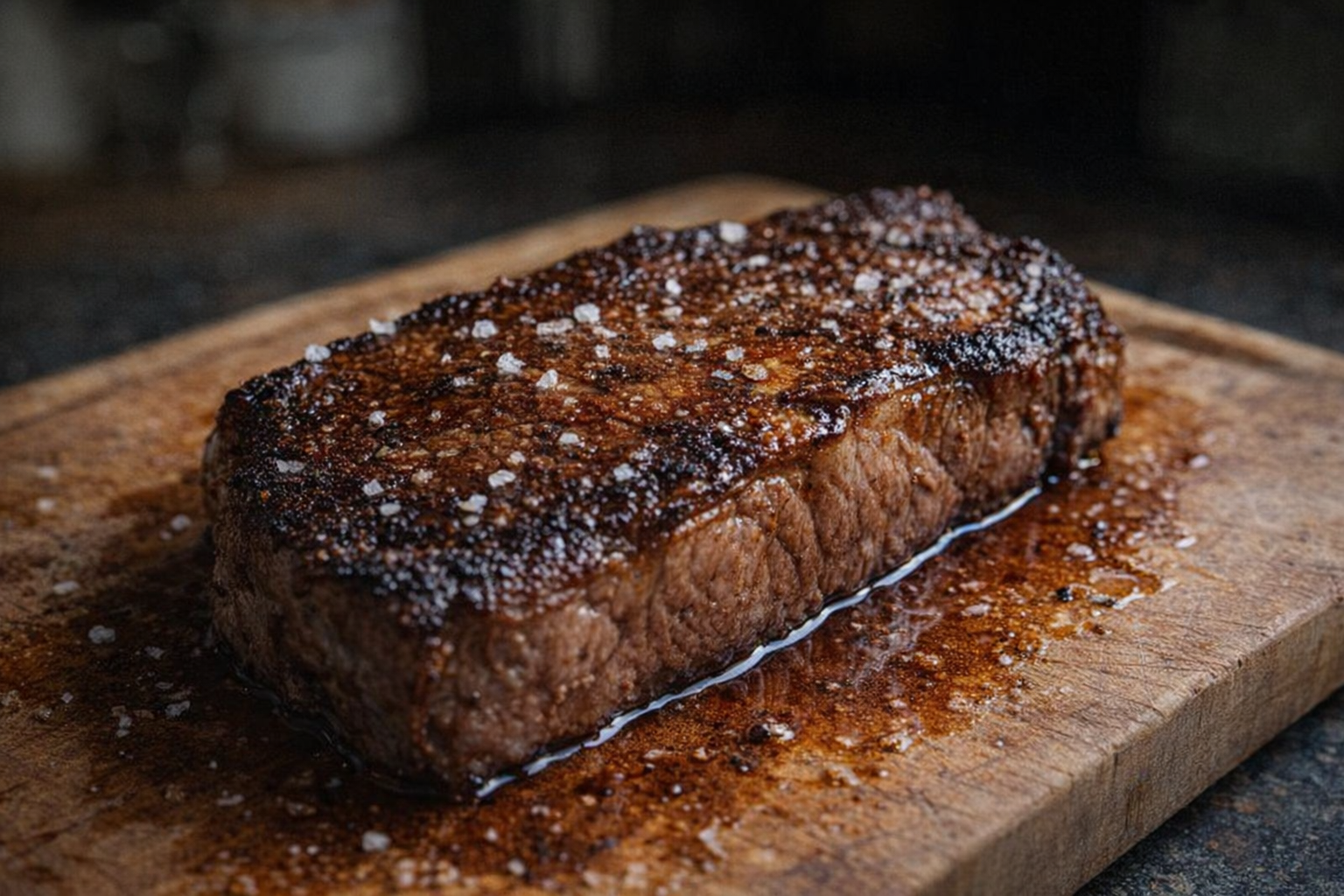
Before even reaching for the salt and pepper, understanding the type of steak you're working with is paramount. Different cuts boast varying levels of fat, muscle fiber density, and inherent flavor profiles, all of which impact how they respond to seasoning.
- Ribeye: Known for its rich marbling, the ribeye benefits from simple seasoning to enhance its natural beefy flavor. Look for well-marbled steaks with a good fat cap.
- Sirloin: A leaner cut, sirloin requires a more robust seasoning to compensate for its lack of fat. Consider incorporating herbs and spices for added complexity. Choose top sirloin for the best balance of flavor and tenderness.
- Filet Mignon: Exceptionally tender but mild in flavor, filet mignon needs a delicate touch. A simple salt and pepper seasoning is often sufficient, allowing the meat's texture to shine. Opt for thicker cuts, at least 1.5 inches, to prevent overcooking.
- Tomahawk: This impressive, bone-in ribeye is visually stunning and delivers intense flavor. Its size calls for a generous seasoning to penetrate deep into the meat. Select a Tomahawk with a long, clean bone and ample marbling.
- Flank/Skirt Steak: These thinner cuts benefit from a marinade or dry rub to tenderize them and infuse them with flavor. Look for uniformly thick pieces without excessive connective tissue.
Why Cook Steak This Way?
- Versatility: This method works for almost every steak cut, with slight adjustments to seasoning based on the cut’s character.
- Flavor: Proper seasoning enhances the steak's natural flavor, creating a delicious crust and a juicy interior.
- Convenience: Using common spices and simple techniques means you can achieve restaurant-quality results at home.
Preparation (Mise en Place)
Proper preparation is key to a perfectly seasoned steak.
- Thawing (if frozen): Thaw steak in the refrigerator for 24-48 hours, depending on thickness. Never thaw at room temperature.
- Patting Dry: Use paper towels to thoroughly pat the steak dry on all sides. This removes excess moisture, allowing for a better sear.
- Trimming (optional): Trim any excessive fat or silver skin, but leave a thin layer of fat for flavor.
Essential Tools
- Cast Iron Skillet: Cast iron distributes heat evenly and retains it well, crucial for a good sear.
- Tongs: Tongs allow you to flip the steak without piercing it, preserving its juices.
- Meat Thermometer: A reliable meat thermometer ensures accurate doneness.
- Cutting Board: Use a sturdy cutting board with a groove to catch juices.
The Cooking Method(s): Pan-Seared Steak
This method focuses on achieving a perfect sear and a juicy interior using a cast iron skillet.
Pan-Seared Steak
Ingredients:
- 1 (1-1.5 inch thick) steak (ribeye, sirloin, or filet mignon)
- 1-2 teaspoons kosher salt (per pound of steak)
- 1/2-1 teaspoon freshly cracked black pepper (per pound of steak)
- 1-2 tablespoons high-heat oil (such as avocado or grapeseed oil)
- 2 tablespoons butter (optional, for basting)
- 2 cloves garlic, smashed (optional, for basting)
- Fresh rosemary or thyme sprigs (optional, for basting)
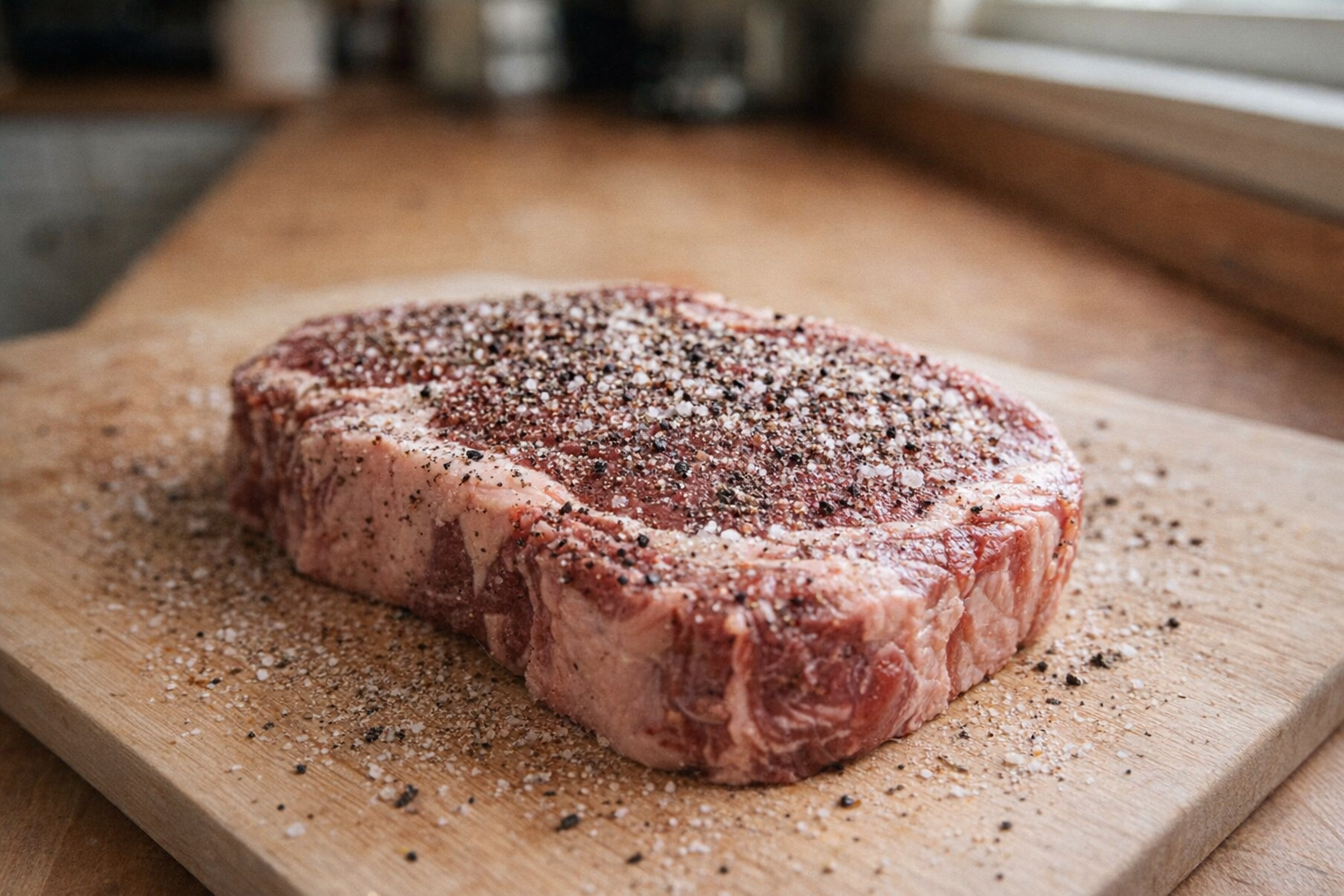
- Season the Steak: At least 1 hour (and up to 24 hours) before cooking, generously season the steak on all sides with kosher salt. Immediately before cooking, season with freshly cracked black pepper.
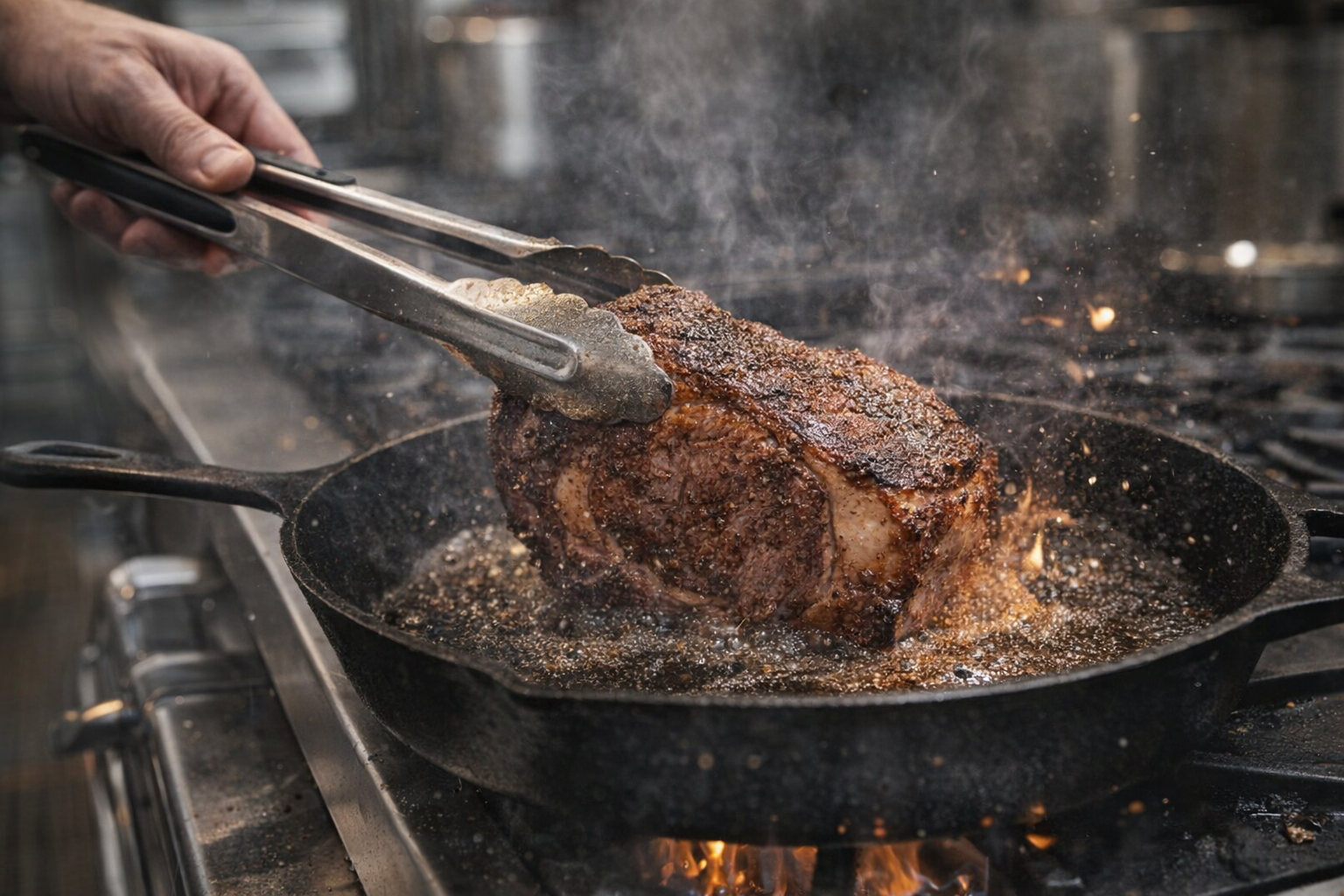
- Heat the Skillet: Place the cast iron skillet over high heat. Allow it to heat up for at least 5-7 minutes, until it's smoking hot. A properly heated skillet is crucial for achieving a good sear.
- Add Oil: Add the high-heat oil to the skillet. It should shimmer and almost smoke.
- Sear the Steak: Carefully place the steak in the hot skillet. Avoid overcrowding the pan if cooking multiple steaks; cook in batches. Press down on the steak with tongs to ensure good contact with the skillet.
- Sear for 3-4 Minutes per Side: Sear the steak for 3-4 minutes per side, or until a deep brown crust forms. Avoid moving the steak around during this time, allowing the Maillard reaction to occur. The kitchen should smell intensely savory as the steak sears.
- Baste (Optional): Reduce the heat to medium. Add butter, smashed garlic, and herbs (if using) to the skillet. Tilt the skillet and use a spoon to continuously baste the steak with the melted butter for 1-2 minutes. The butter will sizzle and infuse the steak with flavor.
- Check Doneness: Use a meat thermometer to check the internal temperature of the steak (see Cooking Time & Doneness Guide below).
- Rest: Remove the steak from the skillet and place it on a cutting board. Let it rest for at least 10 minutes before slicing. This allows the juices to redistribute, resulting in a more tender and flavorful steak. You should see a noticeable reduction in the amount of juices pooling on the cutting board after resting.
- Slice and Serve: Slice the steak against the grain and serve immediately.
Cooking Time & Doneness Guide
- Rare: 125-130°F (52-54°C)
- Medium Rare: 130-135°F (54-57°C) - Recommended for most cuts
- Medium: 135-145°F (57-63°C)
- Medium Well: 145-155°F (63-68°C)
- Well Done: 155°F+ (68°C+) - Not recommended
Visual Cues
- Rare: The steak will be very soft to the touch.
- Medium Rare: The steak will be slightly firmer, with a slight springiness.
- Medium: The steak will feel firm, but still have some give.
- Well Done: The steak will be very firm to the touch.
Tips for Perfection
- Don't Overcrowd the Pan: Cooking multiple steaks at once can lower the temperature of the pan, resulting in a poor sear. Cook in batches if necessary.
- Use a Hot Skillet: A properly heated skillet is crucial for achieving a good sear.
- Let the Steak Rest: Resting the steak allows the juices to redistribute, resulting in a more tender and flavorful steak.
- Slice Against the Grain: Slicing against the grain shortens the muscle fibers, making the steak easier to chew.
Storage & Reheating
- Storage: Store leftover steak in an airtight container in the refrigerator for up to 3-4 days.
- Reheating: The best way to reheat steak without drying it out is to use a low-temperature oven (250°F/120°C). Place the steak on a wire rack over a baking sheet and heat for 20-30 minutes, or until warmed through. You can also reheat it in a skillet over low heat with a little bit of butter or oil. Avoid microwaving, as it can make the steak tough and rubbery.
Serving Suggestions
- Classic Steak Dinner: Serve with mashed potatoes, roasted vegetables, and a red wine reduction.
- Steak Salad: Slice the steak and serve it over a bed of mixed greens with your favorite vinaigrette.
- Steak Tacos: Dice the steak and use it as a filling for tacos, topped with salsa, guacamole, and your favorite toppings.
- Steak Sandwich: Slice the steak thinly and serve it on a crusty roll with horseradish sauce and caramelized onions.
💡 Pro Tips
- Pat the steak surface completely dry with paper towels before applying any seasoning to ensure a superior crust during searing.
- Apply kosher salt at least forty minutes before cooking to allow the brine to penetrate the fibers and deeply season the interior.
- Hold your hand about a foot above the steak while seasoning to achieve a perfectly even distribution of salt and pepper across the surface.
- Use coarse kosher salt instead of fine table salt to better control the amount used and create a more desirable texture on the crust.
- Press the seasoning firmly into the meat with your hands and remember to season the thick side edges for consistent flavor throughout.
Frequently Asked Questions
While coarse salt is preferred for even distribution and flavor, table salt can be used in a pinch. Use it sparingly as it's more concentrated than kosher or sea salt, and be sure to apply it evenly to avoid over-salting.
Yes, you can season a steak before freezing it. The salt can actually help to draw out some moisture, which can improve the texture of the steak after thawing. Just make sure the steak is properly wrapped to prevent freezer burn.
While pepper adds a distinct flavor, you can substitute it with a pinch of red pepper flakes for a bit of heat, or a touch of smoked paprika for a smoky flavor. However, keep in mind that these substitutions will alter the overall flavor profile of the steak.
Ideally, you should season your steak at least 40 minutes before cooking, or even the night before, and leave it uncovered in the refrigerator. This allows the salt to penetrate the meat, resulting in a more flavorful and evenly seasoned steak throughout.