 delishing
How to Slow Cook Lamb Shanks in Red Wine Sauce

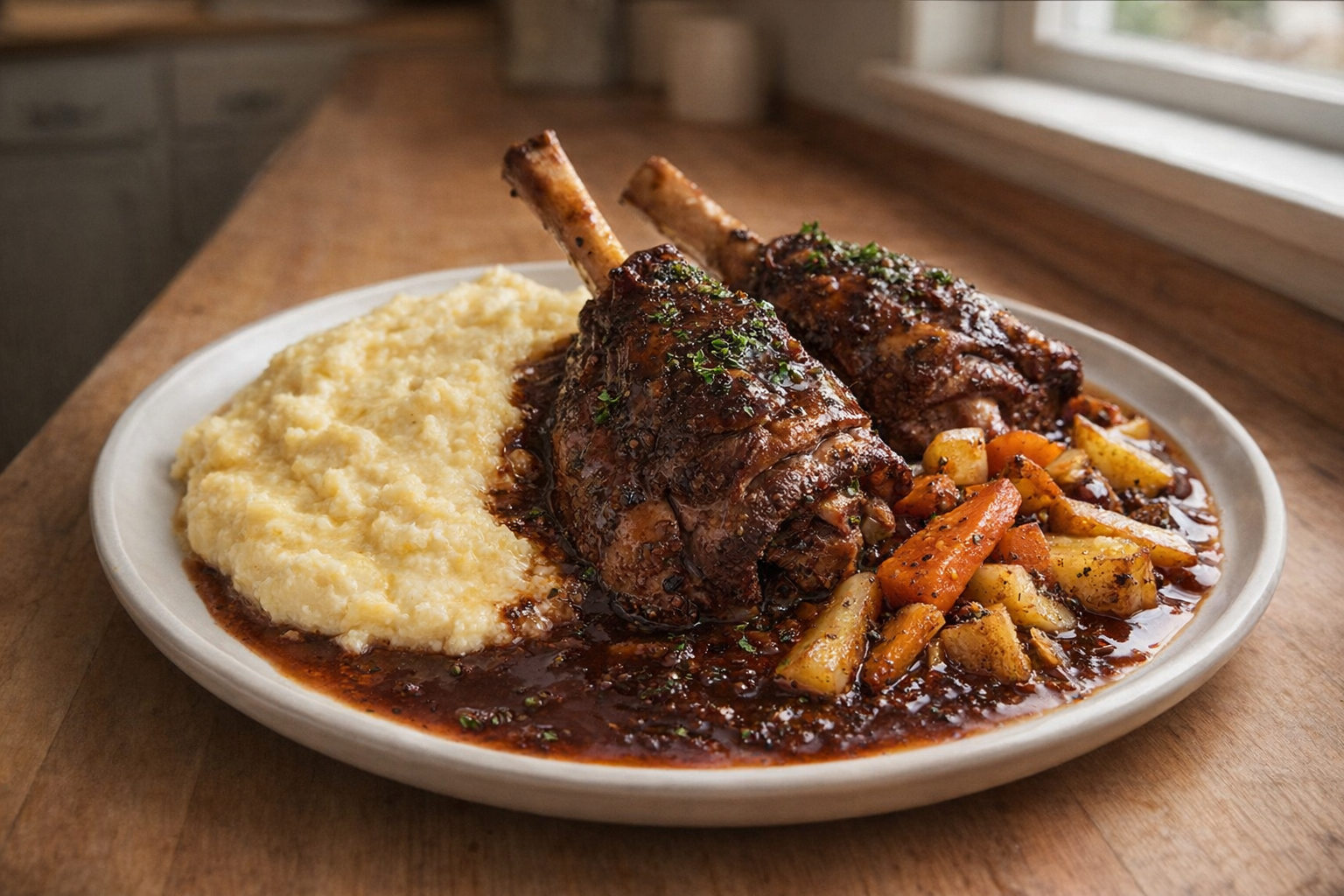
Slow-cooked lamb shanks in red wine sauce are a masterclass in transforming a humble cut of meat into a show-stopping, melt-in-your-mouth experience. The beauty of this method lies in the gradual, gentle cooking process, allowing the lamb to become incredibly tender and to fully absorb the complex flavors of the wine, aromatics, and vegetables. It's a deeply satisfying dish, perfect for a weekend dinner or special occasion.
The slow cooking process coaxes out the richness of the lamb, melding it seamlessly with the savory depth of red wine. Aromatics like garlic, thyme, and rosemary infuse the meat with their fragrance, while the vegetables break down to create a naturally thickened, luscious sauce. This method ensures that even the toughest cuts of lamb become fork-tender, offering a luxurious and comforting dining experience.
Understanding Lamb Shanks
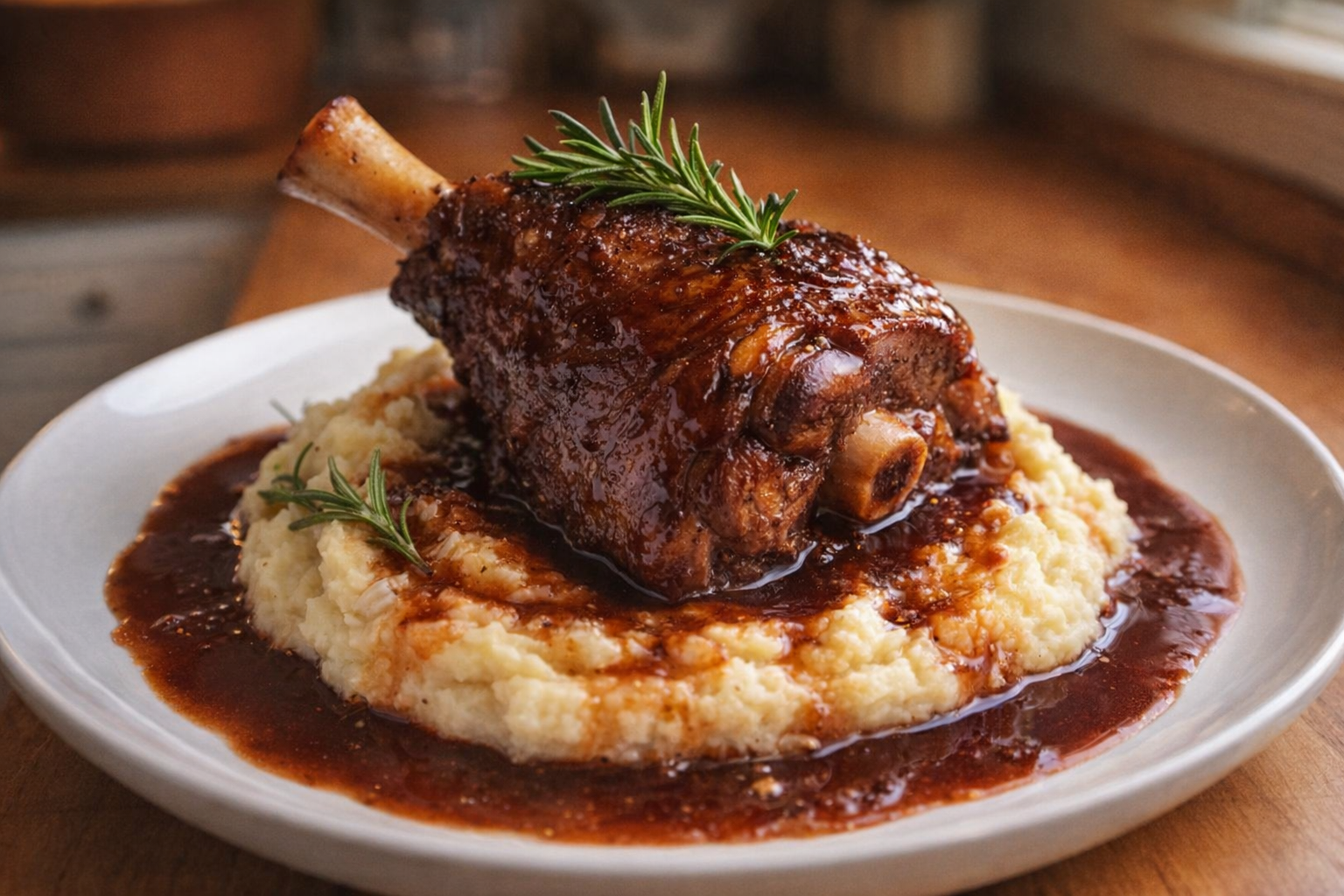
Lamb shanks are the lower portion of the lamb's legs, known for their rich flavor and generous connective tissue. This connective tissue breaks down during slow cooking, resulting in incredibly tender meat and a naturally thickened sauce. When selecting lamb shanks, look for pieces that are meaty and have a good amount of marbling throughout. Freshness is key; the lamb should have a mild, pleasant smell. Avoid shanks that appear dry or discolored. Shanks from the forelegs tend to be smaller and may have slightly less meat than those from the hind legs. Either will work beautifully for this recipe.
Why Cook Lamb Shanks This Way?
- Versatility: Slow cooking allows you to use less expensive cuts of lamb and still achieve restaurant-quality results.
- Flavor: The long cooking time allows the lamb to fully absorb the flavors of the wine, herbs, and vegetables, creating a deeply complex and satisfying dish.
- Convenience: Once the lamb shanks are prepped and in the pot, the slow cooker does most of the work, freeing you up to focus on other tasks.
Preparation (Mise en Place)
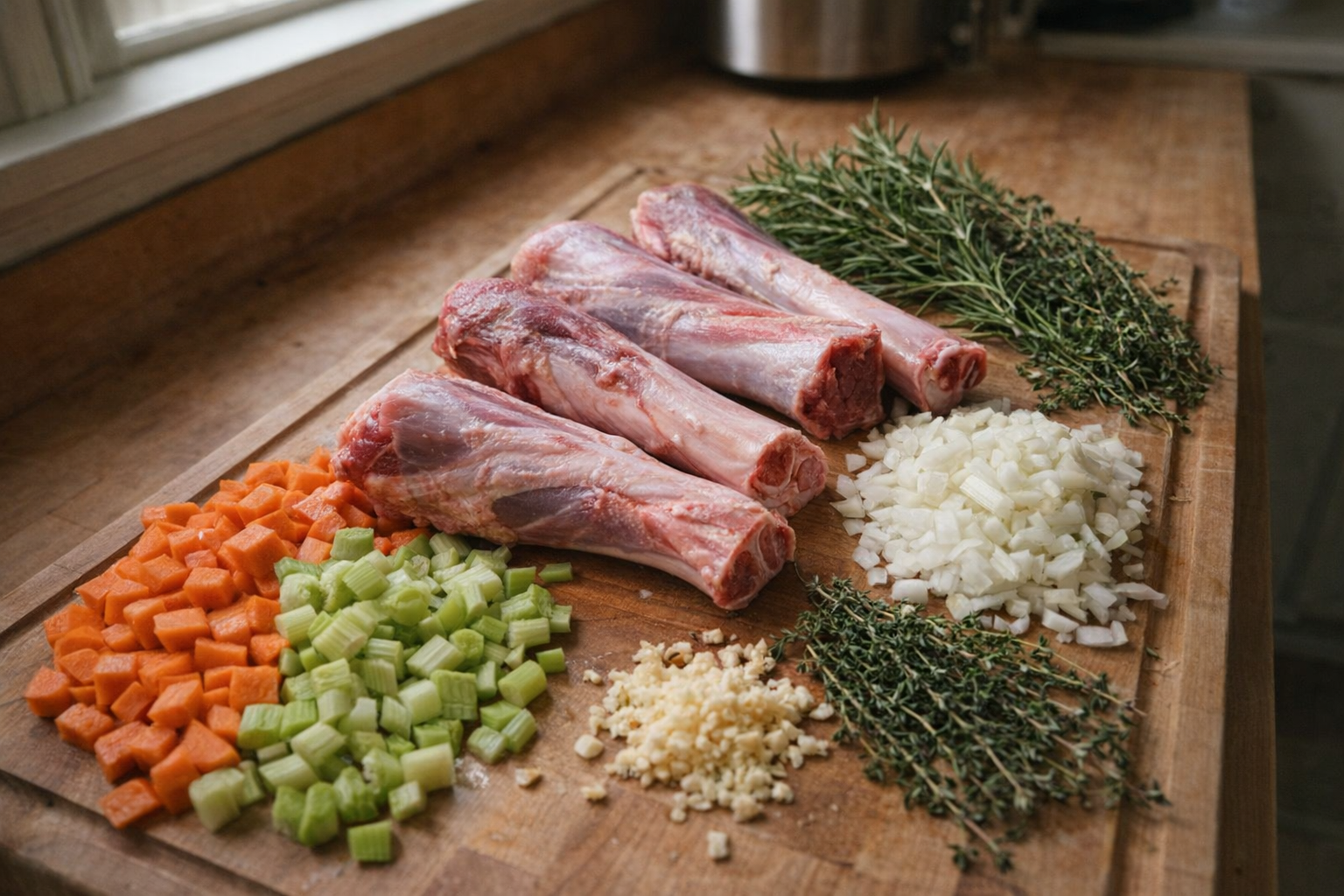
Before you begin cooking, proper preparation is essential. Ensure your lamb shanks are fully thawed if frozen. Pat them dry with paper towels to promote browning. Chop the onion, carrots, and celery into roughly equal-sized pieces to ensure even cooking. Mince the garlic. Measure out your wine, stock, tomato paste, and diced tomatoes. Gather your bouquet garni of thyme, rosemary, and bay leaves.
Essential Tools
- Dutch Oven: A heavy-bottomed Dutch oven is ideal for searing and slow cooking. The even heat distribution prevents scorching and ensures consistent cooking.
- Large Skillet: If you don't have a Dutch oven, a large skillet can be used for searing the lamb shanks.
- Tongs: Use tongs for safely handling the hot lamb shanks.
- Cutting Board and Knife: A sturdy cutting board and sharp knife are essential for prepping the vegetables.
The Cooking Method
The following method outlines the classic approach to slow-cooking lamb shanks in red wine sauce, which involves searing the lamb, sautéing the aromatics, and then braising everything together in a flavorful liquid.
Classic Slow Cooked Lamb Shanks
Ingredients:
- 4 lamb shanks (approximately 1.2 kg / 2.6 lbs total)
- 2 cups (475 ml) Cabernet Sauvignon or other dry red wine
- 2 cups (475 ml) beef or lamb stock
- 1 large onion, chopped (approximately 200g / 7 oz)
- 2 carrots, chopped (approximately 150g / 5.3 oz)
- 2 celery stalks, chopped (approximately 100g / 3.5 oz)
- 4 cloves garlic, minced
- 1 can (14.5 oz / 411g) diced tomatoes, undrained
- 2 tablespoons tomato paste
- 2 tablespoons olive oil
- 1 bouquet garni (thyme, rosemary, bay leaves)
- Salt and freshly ground black pepper, to taste
- Season the Lamb: Generously season the lamb shanks with salt and pepper on all sides. This crucial step enhances the natural flavors of the meat.
- Sear the Lamb: Heat the olive oil in a large skillet or Dutch oven over medium-high heat. Sear the lamb shanks on all sides until they develop a deep golden-brown crust. This process, known as the Maillard reaction, adds depth of flavor and complexity to the dish. The sizzling sound and rich aroma indicate that the lamb is properly seared. Remove the shanks from the skillet and set aside.
- Sauté the Vegetables: In the same skillet, add the chopped onion, carrots, and celery. Sauté until the vegetables soften and begin to caramelize, approximately 8-10 minutes. The vegetables will release their natural sweetness and develop a subtle, nutty aroma.
- Add Garlic and Tomato Paste: Add the minced garlic and tomato paste to the skillet. Cook for another 2 minutes, stirring frequently, until the garlic becomes fragrant. The tomato paste will darken and intensify in flavor.
- Deglaze the Pan: Pour the red wine into the skillet, scraping up any browned bits from the bottom. This deglazing process releases flavorful fond (the browned bits) that adds depth to the sauce. Let the wine simmer for about 5 minutes to reduce slightly and allow the alcohol to evaporate.
- Build the Sauce: Add the diced tomatoes, beef or lamb stock, and bouquet garni to the skillet. Stir to combine all the ingredients.
- Slow Cook the Lamb: Return the seared lamb shanks to the skillet, ensuring they are mostly submerged in the liquid. Bring the mixture to a gentle simmer, then reduce the heat to low.
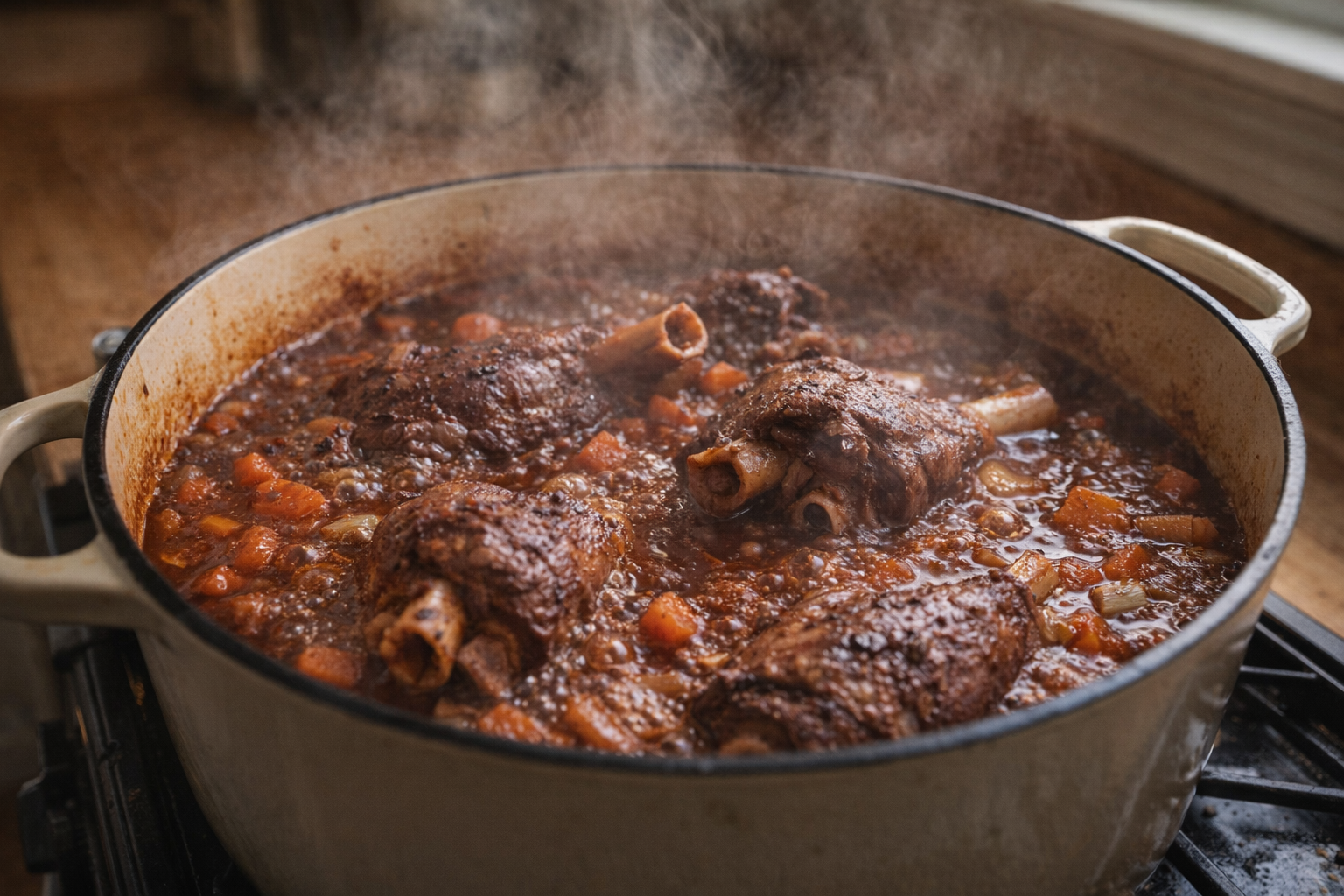
- Cover and Simmer: Cover the pot tightly and let it simmer gently for 3 to 4 hours, or until the lamb shanks are incredibly tender and falling off the bone. The slow, gentle cooking process allows the connective tissue to break down, resulting in incredibly tender meat. Alternatively, transfer the mixture to a slow cooker and cook on low for 6-8 hours.
- Finish the Sauce: Once the lamb shanks are tender, carefully remove them from the pot and set aside. Discard the bouquet garni. If the sauce is too thin, increase the heat to medium and let it simmer uncovered, stirring occasionally, until it reaches the desired consistency. This process allows excess liquid to evaporate, concentrating the flavors.
- Season to Taste: Taste the sauce and adjust the seasoning with salt and pepper as needed. Remember that the flavors will continue to develop as the sauce reduces.
- Serve: Serve the lamb shanks hot with a generous ladle of the rich red wine sauce.
Cooking Time & Doneness Guide
The cooking time for lamb shanks will vary depending on the size and thickness of the shanks, as well as the heat of your stovetop or slow cooker. In general, plan for 3-4 hours on the stovetop or 6-8 hours in a slow cooker. The internal temperature should reach at least 200°F (93°C) for optimal tenderness.
Visual Cues
The lamb shanks are done when the meat is easily pierced with a fork and pulls away from the bone with minimal resistance. The sauce should be rich, thick, and deeply flavorful.
Tips for Perfection
- Don't Overcrowd the Pan: Sear the lamb shanks in batches to avoid overcrowding the pan, which can lower the oil temperature and prevent proper browning.
- Use Good Quality Wine: The quality of the wine directly impacts the flavor of the sauce. Choose a dry red wine that you would enjoy drinking on its own.
- Be Patient: Slow cooking is key to achieving tender lamb shanks. Avoid the temptation to rush the process.
- Adjust the Sauce Consistency: If the sauce is too thin, simmer it uncovered to reduce it. If it's too thick, add a splash of stock or wine.
Storage & Reheating
Store leftover lamb shanks in an airtight container in the refrigerator for up to 3 days. To reheat, gently warm the lamb shanks in a saucepan over low heat, adding a splash of stock or water to prevent drying. Alternatively, reheat in a microwave-safe dish, covered, at 50% power until heated through. Avoid overheating, which can dry out the lamb.
Serving Suggestions
- Mashed Potatoes: Creamy mashed potatoes are a classic pairing that soaks up the delicious sauce.
- Polenta: Soft, buttery polenta provides a comforting base for the rich lamb shanks.
- Crusty Bread: Serve with crusty bread for soaking up every last drop of the sauce.
- Roasted Root Vegetables: Roasted carrots, parsnips, and potatoes offer a sweet and savory complement to the lamb.
💡 Pro Tips
- Sear the lamb shanks thoroughly in a hot pan before slow cooking to create a caramelized crust that adds essential depth to the final sauce.
- Choose a dry, full-bodied red wine like Cabernet Sauvignon or Malbec to ensure the sauce has enough structure and acidity to cut through the rich fat of the meat.
- Always deglaze the pan with a splash of wine after sautéing your aromatics to incorporate the flavorful browned bits into the braising liquid.
- Resist the urge to peek under the lid during the slow cooking process to maintain a consistent temperature and ensure the meat becomes perfectly tender.
- For a professional finish, strain the cooking liquid and simmer it in a separate pan until it reduces into a thick, syrupy consistency before drizzling it over the lamb.
Frequently Asked Questions
While lamb shanks are ideal, you could substitute with bone-in lamb shoulder. Keep in mind that the cooking time may need adjustment based on the size and thickness of the cut; check for tenderness regularly.
If you don't have red wine, you can substitute with beef broth or chicken broth mixed with a tablespoon of red wine vinegar or balsamic vinegar. This will add some acidity and depth of flavor, though the taste won't be exactly the same.
Leftover slow-cooked lamb shanks can be stored in an airtight container in the refrigerator for up to 3-4 days. Ensure the lamb has cooled completely before refrigerating, and reheat thoroughly before serving.
If your sauce is too thin after slow cooking, you can thicken it by removing the lamb shanks and simmering the sauce uncovered on the stovetop until it reduces to your desired consistency. Alternatively, you can whisk together a tablespoon of cornstarch with a tablespoon of cold water to form a slurry, then whisk it into the simmering sauce until thickened.