 delishing
Sauces for Salmon: Easy & Delicious Recipes

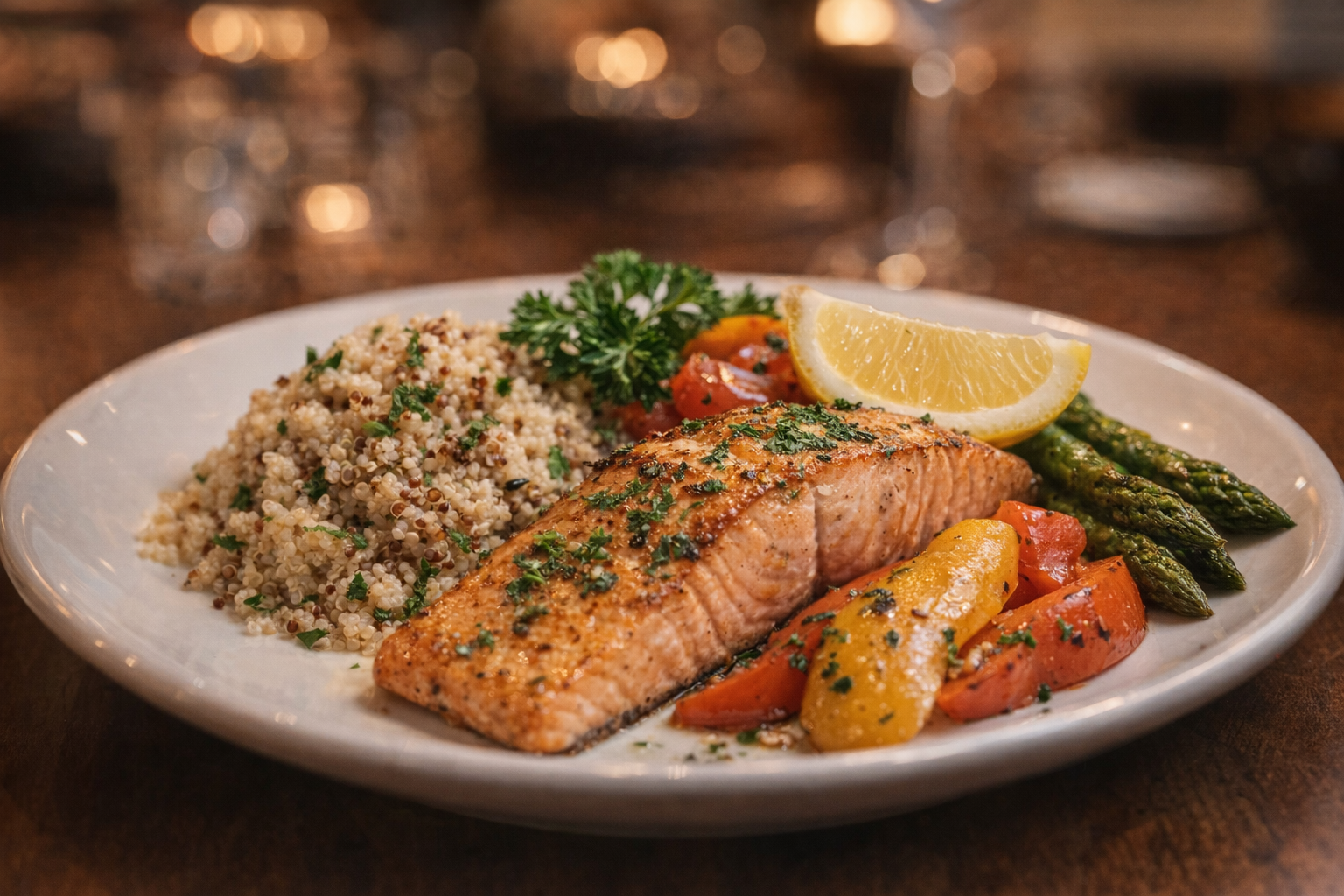
Salmon, with its rich, oily flesh, stands as a culinary chameleon. Its delicate flavor profile is enhanced, not masked, by the right sauce. Whether you're seeking a vibrant, herbaceous complement or a rich, savory glaze, understanding the nuances of sauce pairings will elevate your salmon from simple weeknight dinner to a gourmet experience. This guide provides you with expert knowledge to create the perfect sauce for your salmon.
This exploration covers a range of techniques, from simple no-cook sauces that highlight the fish's natural flavors to more involved reductions and emulsions. The goal is to provide you with the tools and knowledge to confidently create sauces that complement and enhance the unique characteristics of salmon, unlocking new flavor dimensions in your kitchen. Get ready to transform your salmon dishes!
Understanding Salmon: Choosing the Right Cut
Before we dive into sauces, it’s crucial to understand the different types of salmon you might encounter. The most common varieties are:
- King (Chinook) Salmon: The richest and most flavorful, with a high fat content. Best suited for simple sauces that don't overpower its natural taste.
- Sockeye Salmon: Deep red color and robust flavor. Stands up well to bolder sauces.
- Coho Salmon: Milder flavor than King or Sockeye. A versatile option that pairs well with a wide variety of sauces.
- Pink Salmon: The most sustainable and affordable option. Benefits from flavorful sauces and marinades.
- Atlantic Salmon: Primarily farmed. Consistent flavor and texture make it a good choice for experimenting with different sauces.
Why Pair Salmon with Sauce?
- Versatility: Sauce transforms salmon into countless different dishes, from Asian-inspired teriyaki bowls to Mediterranean-style entrees with lemon-herb sauces.
- Flavor Amplification: Sauce highlights the inherent flavor of salmon, adding layers of complexity and complementing its natural richness.
- Convenience: A well-made sauce can elevate even a simple pan-seared salmon fillet into a restaurant-quality meal with minimal effort.
Preparation (Mise en Place)
Before you begin cooking the sauce, take a moment to prepare your ingredients. This step, known as mise en place, will ensure a smooth and efficient cooking process.
- Thawing Salmon: If using frozen salmon, thaw it completely in the refrigerator overnight. Pat it dry with paper towels before cooking.
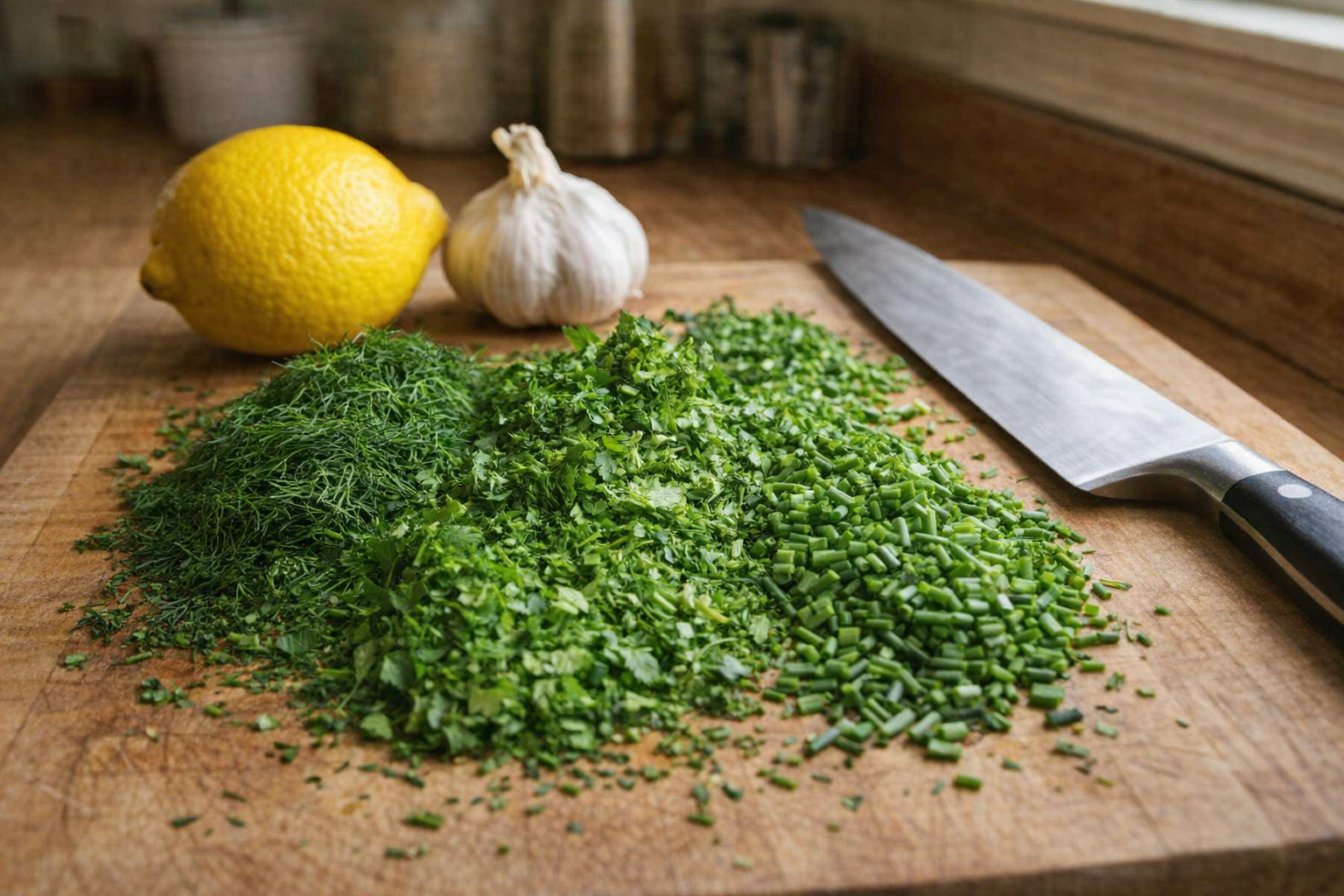
- Herb Prep: Wash and finely chop any fresh herbs called for in your chosen sauce recipe.
- Aromatics: Mince garlic, ginger, or shallots, as needed. Having these ingredients prepped will allow you to add them at the right moment during cooking without scrambling.
Essential Tools
- Small Saucepan: For simmering and reducing sauces. A stainless steel saucepan with a heavy bottom ensures even heat distribution.
- Whisk: For emulsifying sauces and preventing lumps.
- Cutting Board and Knife: For prepping ingredients.
- Measuring Spoons and Cups: Accurate measurements are crucial for a balanced sauce.
The Cooking Method(s): Delicious Salmon Sauce Recipes
Here are a few ways to prepare incredibly easy and delicious sauces to serve with salmon:
Honey Mustard Sauce
Ingredients:
- 2 tablespoons (30ml) honey
- 2 tablespoons (30ml) Dijon mustard
- 1 tablespoon (15ml) olive oil
- 1 tablespoon (15ml) lemon juice
- 1 clove garlic, minced
- Pinch of paprika
- Pinch of cayenne pepper (optional)
- Pinch of dried thyme
- Salt and pepper to taste
- In a small bowl, whisk together honey, Dijon mustard, olive oil, lemon juice, minced garlic, paprika, cayenne pepper (if using), and dried thyme.
- Season with salt and pepper to taste.
- Taste and adjust seasonings as needed. The sauce should be a balance of sweet, tangy, and savory.
- Coat your salmon filets in the marinade and let it soak up all the flavor in the refrigerator for at least 30 minutes or overnight. The longer it marinates, the more flavorful the salmon will be.
- Grill, bake, or pan-sear the salmon as desired.
Lemon Garlic Sauce
Ingredients:
- 2 tablespoons (30ml) olive oil
- 2 cloves garlic, minced
- 1/4 cup (60ml) lemon juice
- 2 tablespoons (30g) butter
- 1 tablespoon chopped fresh parsley
- Salt and pepper to taste
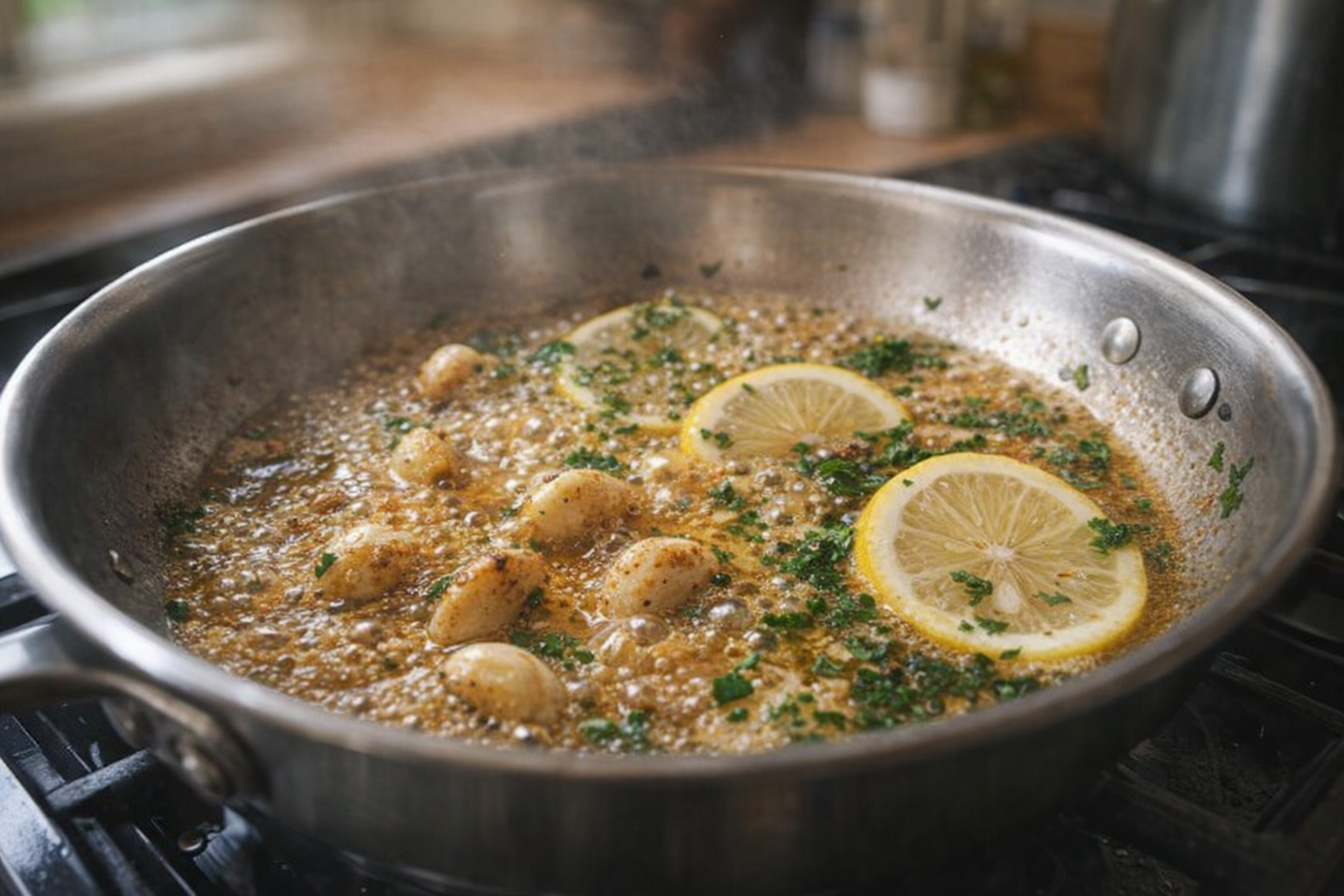
- Heat olive oil in a small saucepan over medium heat. The oil should shimmer but not smoke.
- Add minced garlic and cook for 1-2 minutes, or until fragrant. Be careful not to burn the garlic, as it will become bitter.
- Stir in lemon juice, salt, and pepper. Bring to a simmer. The aroma of garlic and lemon will fill your kitchen.
- Reduce heat to low and whisk in butter until melted and emulsified. The sauce should be smooth and glossy.
- Stir in chopped fresh parsley.
- Pour over cooked salmon and serve immediately.
Cooking Time & Doneness Guide
- Honey Mustard Salmon: Grilling takes about 4-6 minutes per side, depending on the thickness of the fillet. Baking takes about 12-15 minutes at 375°F (190°C). Pan-searing takes about 3-4 minutes per side.
- Lemon Garlic Salmon: The sauce takes about 5-7 minutes to prepare. Simmering allows the flavors to meld and the sauce to thicken slightly.
Visual Cues
Salmon is done when it flakes easily with a fork and the internal temperature reaches 145°F (63°C). The color should transition from translucent to opaque.
Tips for Perfection
- Don't Overcook the Salmon: Overcooked salmon is dry and tough. Use a thermometer to ensure it reaches the perfect internal temperature.
- Use Fresh Ingredients: Fresh herbs, garlic, and lemon juice will make a noticeable difference in the flavor of your sauce.
- Taste and Adjust: Taste the sauce as you go and adjust the seasonings to your liking. Everyone has different preferences, so don't be afraid to experiment.
- Let the Sauce Simmer: Simmering the sauce for a few minutes allows the flavors to meld and create a more complex and delicious result.
Storage & Reheating
Leftover sauce can be stored in an airtight container in the refrigerator for up to 3 days. Reheat gently in a saucepan over low heat, stirring occasionally.
Reheat leftover salmon separately to maintain its texture. The best way to reheat salmon is in a low oven (275°F/135°C) or in a covered skillet over low heat. Avoid microwaving, as it can dry out the fish.
Serving Suggestions
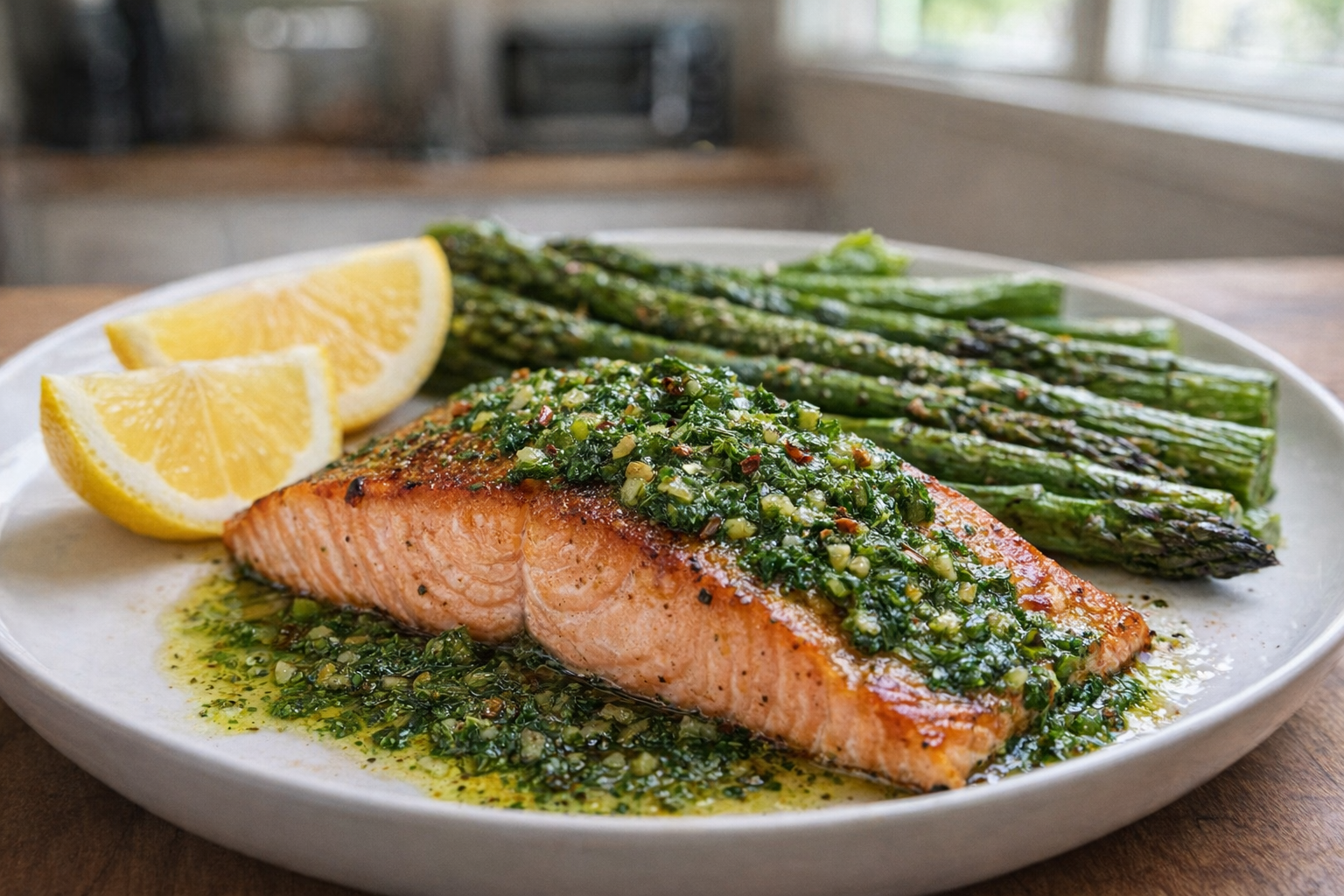
- With Roasted Vegetables: Serve salmon with roasted asparagus, broccoli, or Brussels sprouts for a healthy and balanced meal.
- Over Rice or Quinoa: Flake the salmon over a bed of rice or quinoa and drizzle with the sauce for a satisfying and flavorful bowl.
- In Tacos or Wraps: Use leftover salmon to make delicious tacos or wraps. Add shredded cabbage, avocado, and a drizzle of the sauce.
- As a Salad Topping: Add cooked salmon to a salad for a protein-packed and flavorful meal.
💡 Pro Tips
- Balance the natural richness of salmon by adding an acidic element like lemon juice or white wine vinegar to your sauce.
- When preparing a reduction, simmer the sauce over low heat until it coats the back of a spoon to ensure a concentrated flavor and ideal consistency.
- Apply glazes containing sugar or honey only during the final three to five minutes of cooking to prevent the sauce from burning.
- For emulsion-based sauces like hollandaise, whisk in cold butter cubes slowly over low heat to maintain a smooth, stable texture.
- Prepare no-cook herb sauces at least fifteen minutes before serving to allow the flavors of the aromatics to fully infuse into the base.
Frequently Asked Questions
Yes, you can substitute dried herbs for fresh, but use about one-third of the amount called for in the recipe. Dried herbs are more concentrated in flavor than fresh, so using too much can overpower the sauce.
Most salmon sauces can be stored in an airtight container in the refrigerator for up to 3 days. Be sure to cool the sauce completely before storing it, and discard any sauce that shows signs of spoilage.
The best way to reheat salmon with sauce is gently in a skillet over low heat or in a 300°F oven. Adding a splash of water or broth to the pan or covering the salmon with foil in the oven can help retain moisture.
Yes, you can generally substitute different types of salmon, but keep in mind the flavor profile. For example, if a recipe calls for King salmon, which is rich, you might want to choose Sockeye as a substitute, and adjust the sauce accordingly to complement the salmon's flavor.